





 Portuguese
  English
  Spanish
  5 min of reading
  0 comments


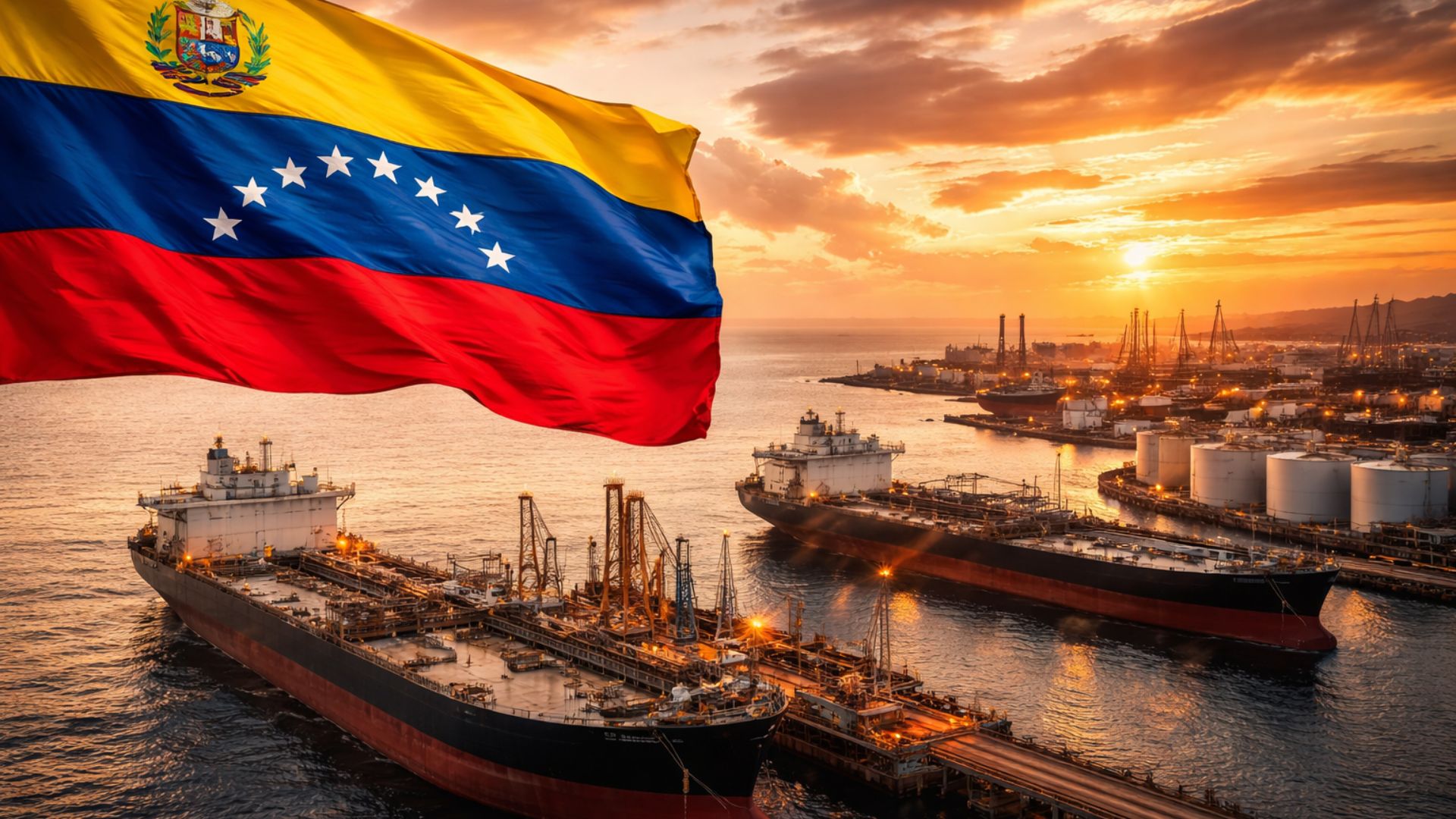
Updated Shipment Data Reveals That Venezuela’s Oil Exports Reached About 800 Thousand Bpd In January, Driven By The Resumption Of Flows Under US Control
The oil exports from Venezuela recorded a significant jump at the beginning of the year, reaching about 800 thousand barrels per day (bpd), according to maritime transport data released by international energy monitoring agencies and reported by economic media outlets.
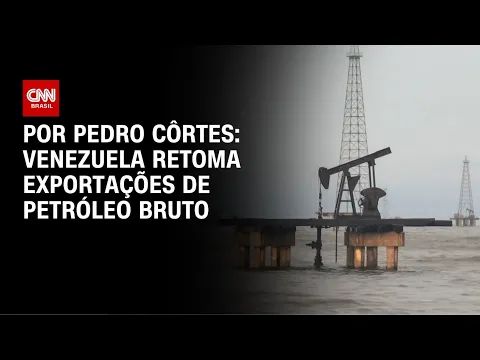
According to a report published by CNN this Monday (2), the volume represents a significant increase compared to December when the country exported approximately 498 thousand bpd. The change came after operational relaxations related to licenses granted by the US, which generated a greater flow of shipments and logistical reorganization in the Venezuelan oil sector.
Oil Exports And Venezuela In January Under US Influence
Right at the beginning of the month, the international market began to observe a rapid resumption of Venezuela’s trade routes, mainly towards the United States and storage hubs in the Caribbean. This movement directly impacted the global oil supply dynamics, influencing price expectations and importer strategies.
-
Petrobras evaluates suspension of sales to distributors and considers canceling the cooking gas auction following guidelines from the Federal Government.
-
Lula reveals a masterstroke by Petrobras to undo a deal made by Bolsonaro, which involves the return of an important refinery that currently produces less than half of what was expected and makes Brazil dependent on international diesel.

-
A study confirms that the natural gas sector will reduce greenhouse gas emissions in Brazil by 0.5% and accelerate the energy transition by 2026.

-
Petrobras implements a severe adjustment and confirms a 55% increase in the price of aviation kerosene with a proposal for installment payments for the companies.


Moreover, trading companies and energy firms increased their participation in operations, reinforcing the growth of exports and reigniting discussions about energy geopolitics and production balance within OPEC.
In January, Venezuela’s oil exports gained significant strength. The advance was supported by maritime shipping data, which indicated an increase in the number of tankers departing from Venezuelan ports compared to the previous month. At the same time, the US re-emerged as the main individual destination for Venezuelan crude oil, consolidating a specific commercial rapprochement within a context historically marked by sanctions and restrictions.
Additionally, the granting of temporary licenses allowed international companies to operate with greater legal security. Consequently, the export flow gained predictability and attractiveness for global buyers. This scenario reinforced the perception of a partial recovery of the Venezuelan oil industry, although still far from its historical production peaks. However, the leap observed in January highlighted that regulatory changes and specific authorizations have immediate potential to alter export volumes.
On the other hand, experts emphasize that growth does not necessarily represent long-term stability. Nonetheless, the month’s performance was sufficient to reposition Venezuela in the strategic discussions of the international energy market.
Oil Exports From Venezuela In January And The Logistical Role Of The US
Logistics was a decisive factor for the increase in oil exports from Venezuela in January. The US acted not only as a destination but also as a point of indirect intermediation through storage and redistribution terminals in the Caribbean. Thus, Venezuelan oil began to reach buyers in Europe and India with greater operational fluidity.
Global energy trading companies increased their contract volumes, especially because logistical predictability reduced risks of delays and contractual uncertainties. Additionally, the presence of major international oil companies helped to increase market confidence. This set of factors created a more favorable environment for continuous shipments, unlike the previous scenario marked by frequent interruptions.
Meanwhile, monitoring of maritime routes showed a consistent increase in weekly departures. Therefore, the advance was not isolated but rather distributed throughout the month. Even though there are structural limitations in Venezuelan infrastructure, the logistics system managed to sustain the observed growth.

Historical Context Of Oil Exports
Historically, Venezuela was one of the largest oil powers in the world. For decades, oil was the main source of external revenues for the country. However, political crises, economic sanctions, and infrastructure deterioration drastically reduced production and export capacity. In this sense, the growth recorded in January draws attention as it symbolizes a momentary inversion of trend.
The US, which were once major buyers of Venezuelan oil in previous periods, have returned to occupy a central position in trade routes. This energy rapprochement does not mean full political alignment, but indicates strategic interest in diversifying supply sources. At the same time, analysts emphasize that excessive dependence on temporary authorizations may generate future instability.
Moreover, the Venezuelan oil sector still faces technical challenges, such as refinery maintenance, equipment modernization, and increased extraction capacity. Even so, recent performance demonstrated that the country maintains significant potential when trade barriers are reduced.
Impact Of Oil Exports On Global Markets
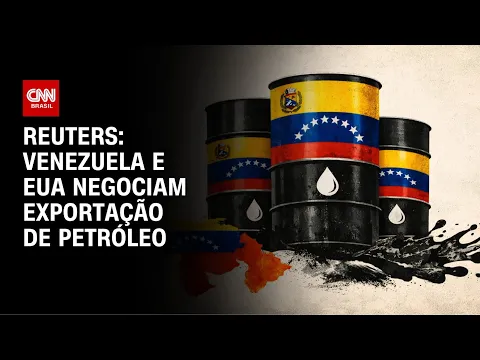
The growth of oil exports from Venezuela in January had immediate repercussions in international markets. The increase in supply tends to exert moderate pressure on prices, especially in moments of delicate balance between global production and consumption. However, the effect was not sufficient to cause sharp declines, as other geopolitical factors continued to influence prices.
Furthermore, importing countries saw an opportunity for energy diversification. Consequently, short-term contracts gained ground. This movement enhanced the competitiveness of Venezuelan oil, especially as it presented attractive prices compared to other origins. At the same time, Europe and India benefited from indirect routes via the Caribbean, which expanded the commercial reach of the product.
Meanwhile, the Organization of the Petroleum Exporting Countries monitored the situation with caution. Although the additional volume does not represent a structural rupture, it influences internal discussions about quotas and production targets. Therefore, Venezuela’s performance has come under greater scrutiny within the bloc.
A New Chapter For Venezuelan Oil In The Global Scenario
The jump in Venezuela’s oil exports in January represents more than isolated numbers. It indicates that regulatory changes and specific licenses can quickly alter the international supply balance. The prominence of the US as a destination and logistical facilitator reinforces the strategic dimension of this movement, while the global market watches every update closely.
Even though structural challenges persist, recent performance evidences potential for gradual recovery. Additionally, the interest of traders and international buyers demonstrates that Venezuelan oil remains competitive when viable operational channels are found.
The scenario reveals a combination of economic opportunity, geopolitical influence, and market adjustment, factors that will continue to shape the energy sector in the coming months.
Therefore, the observed advance is not just a statistical figure but a signal of commercial reconfiguration with effects that transcend borders. Venezuela Returns To The International Energy Radar, and the behavior of exports tends to remain one of the main indicators of stability and influence in the global oil market.









-

Uma pessoa reagiu a isso.