





 Portuguese
  English
  Spanish
  3 min of reading
  0 comments


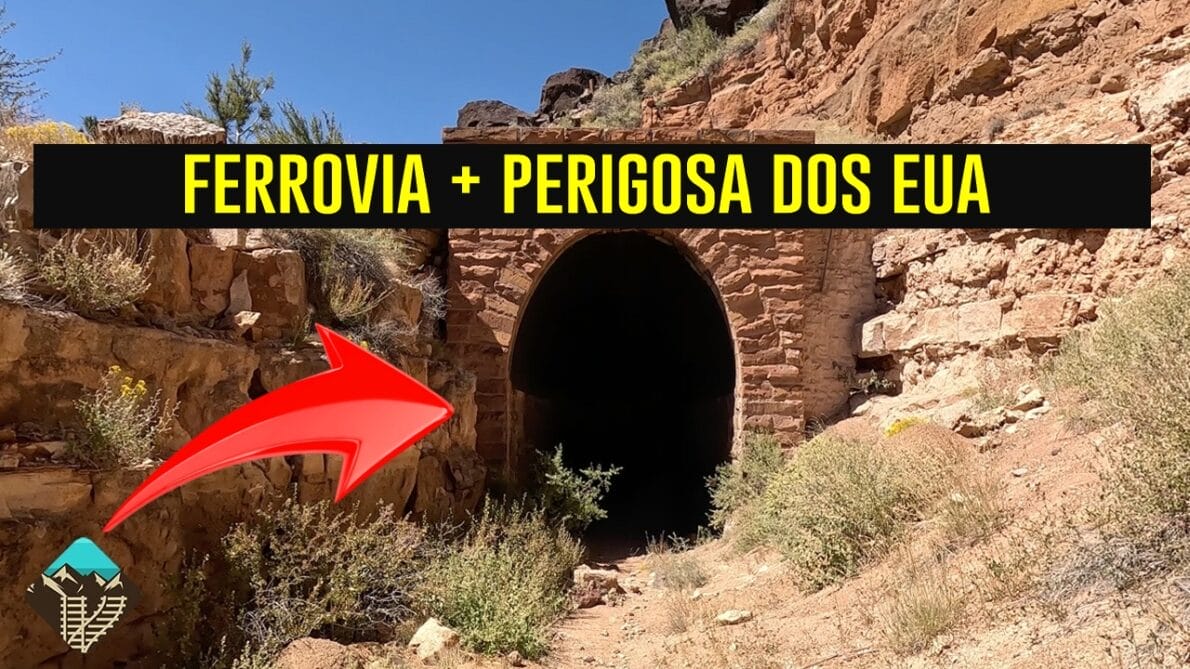
An Abandoned Railroad in Arizona, Known as One of the Most Dangerous in the World Since 1959, Received a Visit. Understand the Dangers This Railroad Represented and Why It Was Considered So Deadly!
The United States has a long history of territorial expansion, largely driven by the construction of railroads that connected different regions of the country. One of these lines, however, stands out not only for its historical importance but also for the dangers that surrounded it: the Johnson Canyon Railroad in Arizona.
The Beginning of Railroads in the U.S.: The construction of railroads in the United States began in the 1820s, primarily on the East Coast. For almost a century, several private companies were responsible for expanding this network, creating essential connections for economic and territorial development.
In 1917, with the entry of the United States into the First World War, these railroads were nationalized for a period of three years, aiming to optimize logistics and transportation of troops and supplies.
-
While Brazil wants to end the 6×1 work shift, the president of Argentina wants 12 hours for his workers, increasing political tension in the country.

-
The village where two rivers run side by side without mixing in Santarém and Alter do Chão reveals some of the most beautiful freshwater beaches on the planet.
-
Mars is accelerating, and scientists have discovered that the planet’s day is getting shorter, revealing surprising signs of internal activity.

-
Artemis 2 is set to launch on April 1 at 7:24 PM to orbit the Moon with four astronauts, but a class X solar flare and coronal mass ejection could interfere with communications and threaten the launch.


Challenges of the Atlantic and Pacific Railroad
Among the companies that participated in this expansion was the Atlantic and Pacific Railroad, which had the ambitious mission of linking the country from coast to coast. One of the most challenging stretches was in Johnson Canyon, Arizona.
Construction in this area was complicated not only by the mountainous terrain but also by the presence of basalt, a volcanic rock that made drilling and laying tracks difficult.
In addition to natural challenges, the railroad in Johnson Canyon faced ongoing problems after its inauguration in 1882.
The region was prone to rock slides, fires, and explosions. Shootouts were also not uncommon, reflecting the turbulence of the Wild West at the time.
The End of a Dangerous Era
Due to these persistent issues, the Johnson Canyon Railroad was considered one of the most dangerous in the United States.
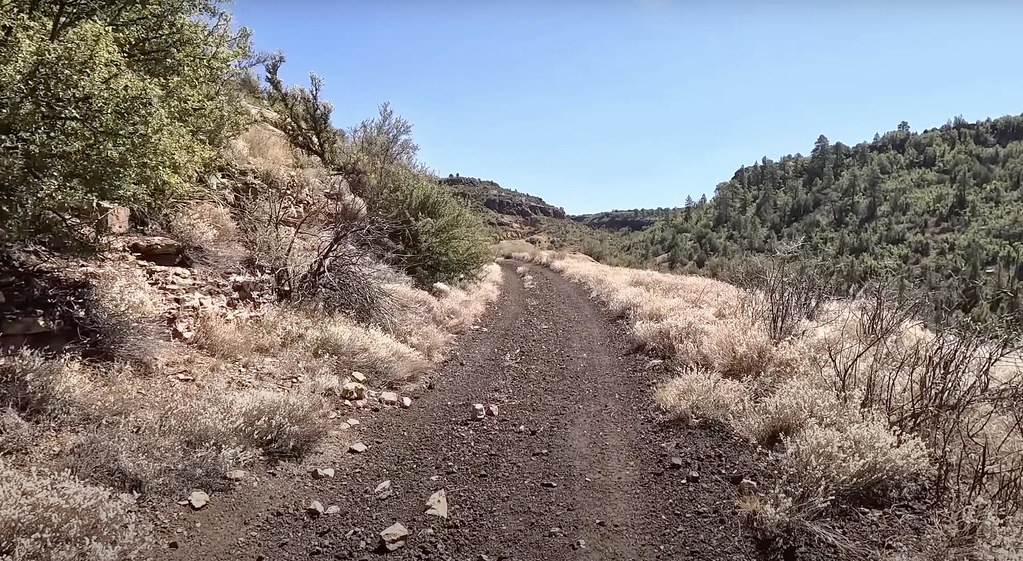
Operations were finally abandoned in 1959, and the tracks were removed. What remains today is a mountainous route that passes through the old Johnson Canyon tunnel, which was once the site of a spectacular fire.
Exploring History Today
Currently, the route of the old railroad attracts adventurers and history enthusiasts who wish to explore the site. Recently, the channel Sidetrack Adventures published a video that traverses this old railroad line, providing a unique glimpse into the dangerous and fascinating past of Johnson Canyon.
For those interested in learning more about this intriguing part of U.S. railroad history, it’s worth checking out the video. See below.

Check out clips from the video that show the current path where the old railroad line once ran.
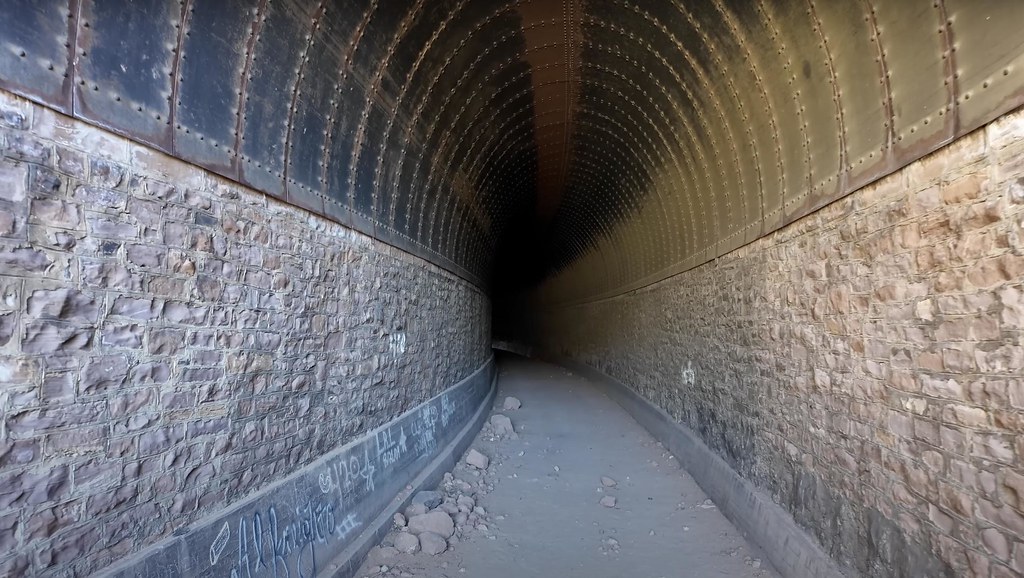
The entrance of the Johnson Canyon tunnel, one of the most challenging parts of the railroad, took a year to complete.
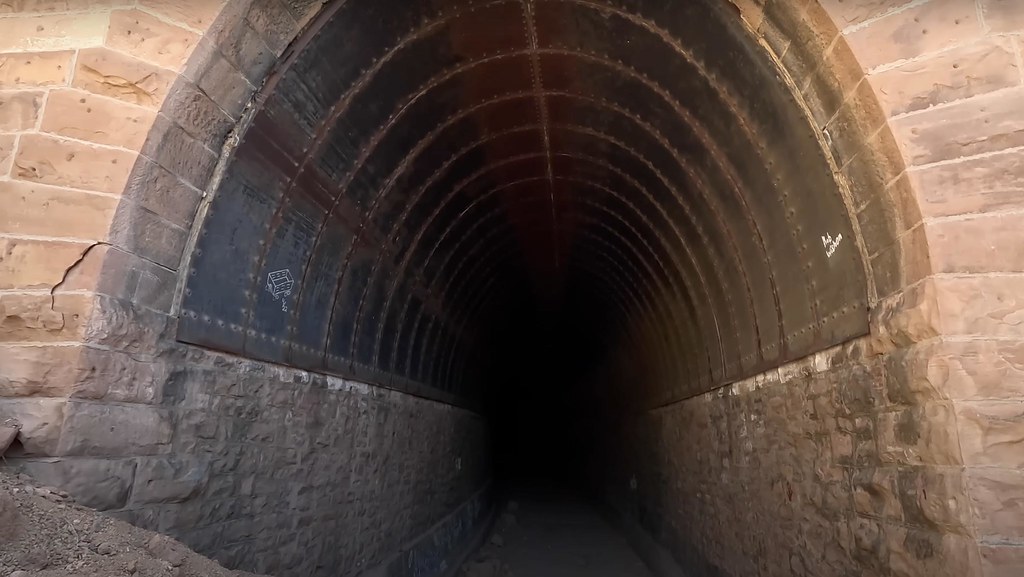
Even after almost 60 years of abandonment, the tunnel remains in excellent condition. The iron ceiling, a peculiar feature, was installed after a fire in 1898, which caused a rockslide and resulted in the death of two workers.
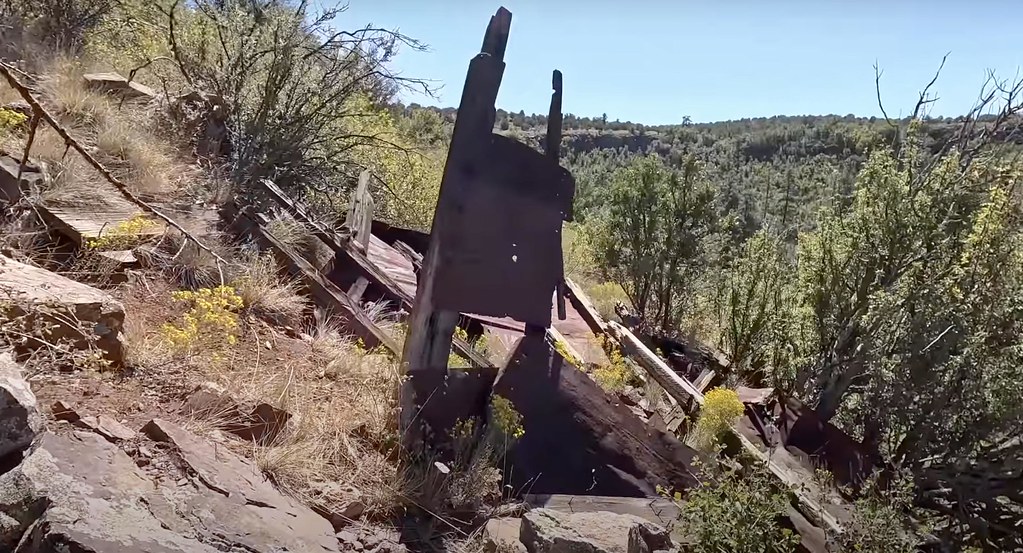
Along the trail, remnants of a guardhouse built during World War II can be seen. To protect this strategic route, an artillery position was installed outside the tunnel to defend it against potential attacks.
Some abandoned railroads are now being used in projects like green trails, where old railway beds are converted into routes for cyclists and pedestrians, contributing to local recreation and tourism.
However, many of these spaces are still deteriorating, with aging infrastructure and tracks covered by vegetation, while the debate over their potential reuse in sustainable transportation or historical conservation projects continues in some American communities.
These remnants of the railroad past remain a reminder of the crucial role railroads played in the economic and social development of the U.S.









Seja o primeiro a reagir!