





 Portuguese
  English
  Spanish
  5 min of reading
  0 comments


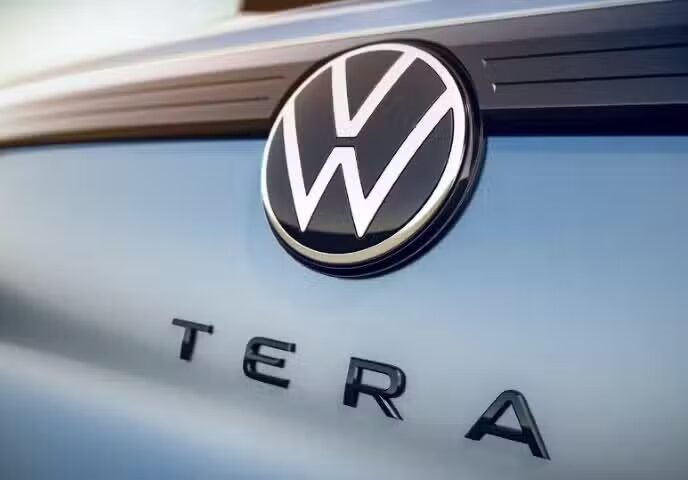
Technology and Design Meet in Volkswagen’s New Model, Which Promises to Shake Up the Compact SUV Market with Its Connectivity and Affordable Prices.
The Brazilian automotive market, which in 2024 had over 30% of vehicle sales dominated by compact SUVs, will feature a new model that promises to shake up this segment: the Volkswagen Tera.
With an initial price of R$ 100 thousand, the Tera arrives to compete with rivals such as Fiat Pulse, Renault Kardian, and Citroën Basalt.
The launch is scheduled for May 2025, and the model will be produced at the Taubaté factory in São Paulo, with a strategy that combines modern design, connectivity, and production efficiency.
-
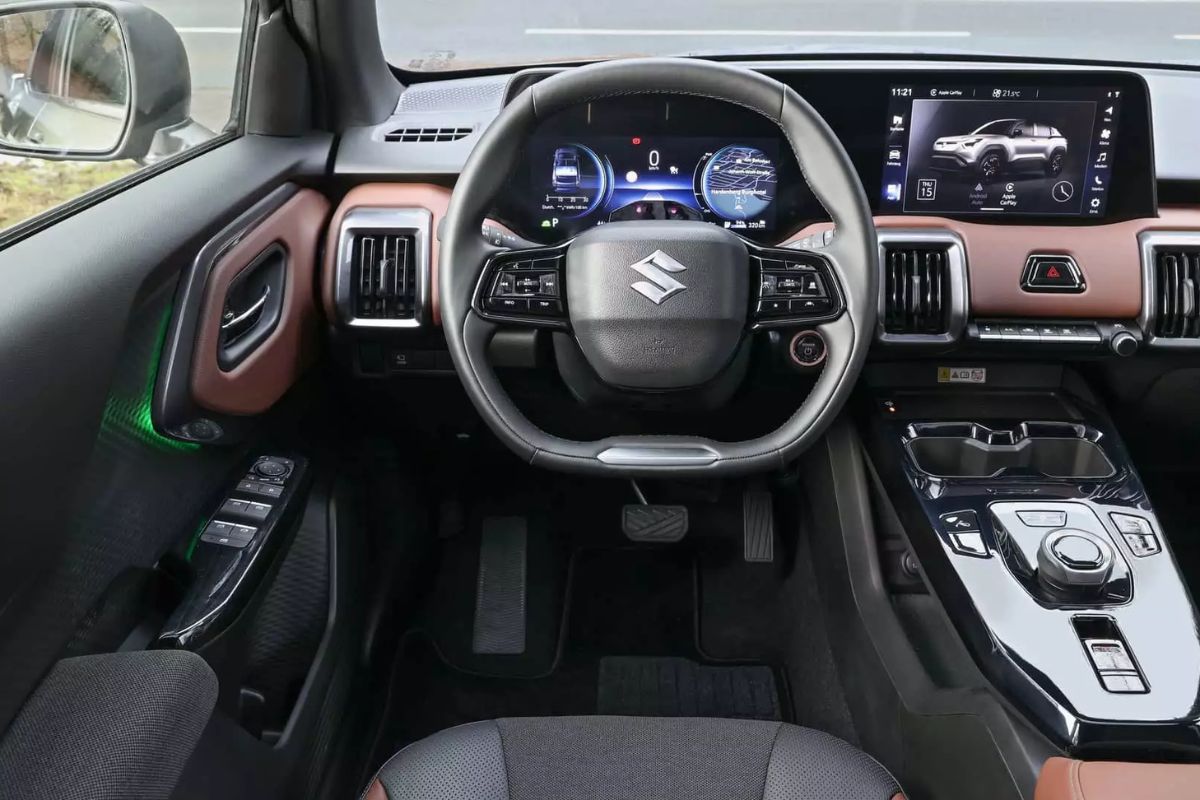
The 2026 electric Vitara arrives in Brazil and proves that Suzuki is not leaving: 4×4 traction, 184 hp, 61 kWh LFP battery, 293 km range, R$ 259,000, and a trunk capacity of 224 L.
-
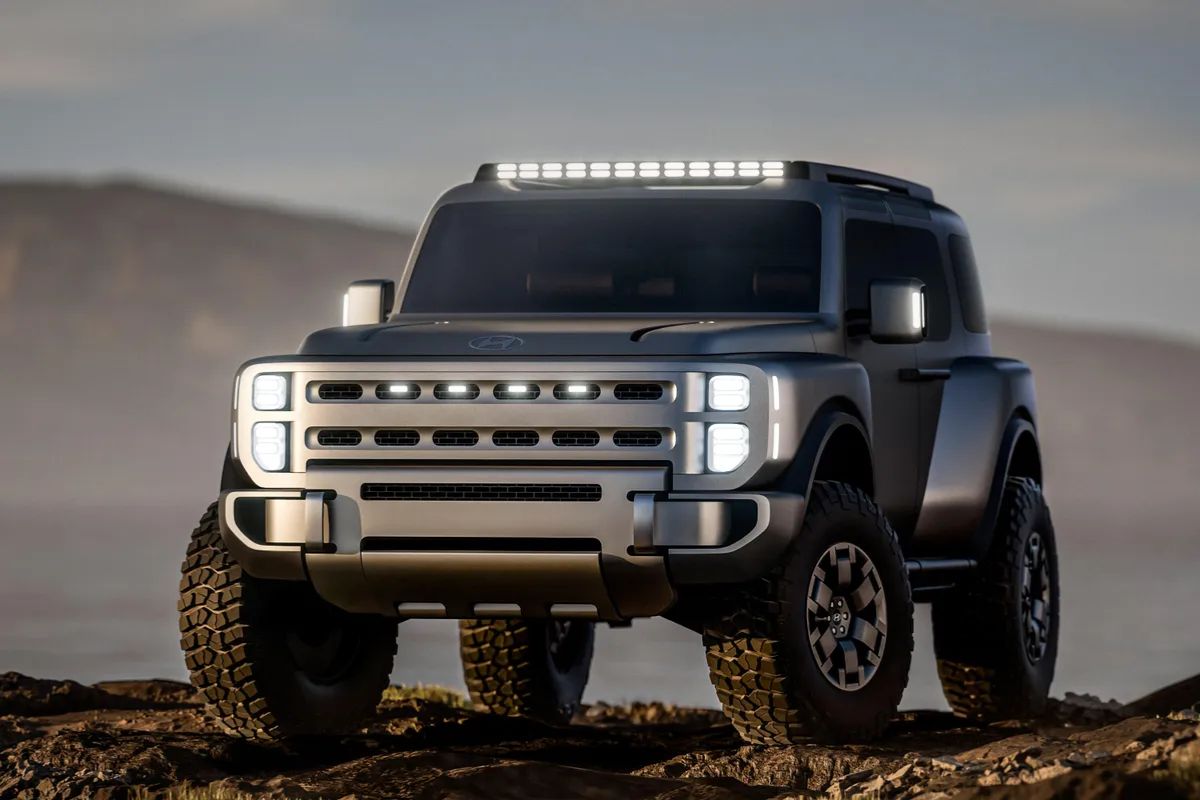
Hyundai has unveiled the Boulder, a square SUV with a body-on-frame design, 37-inch mud tires, and carriage-style doors that seems to be made to take on the Ford Bronco and the Scout Traveller in the United States.
-
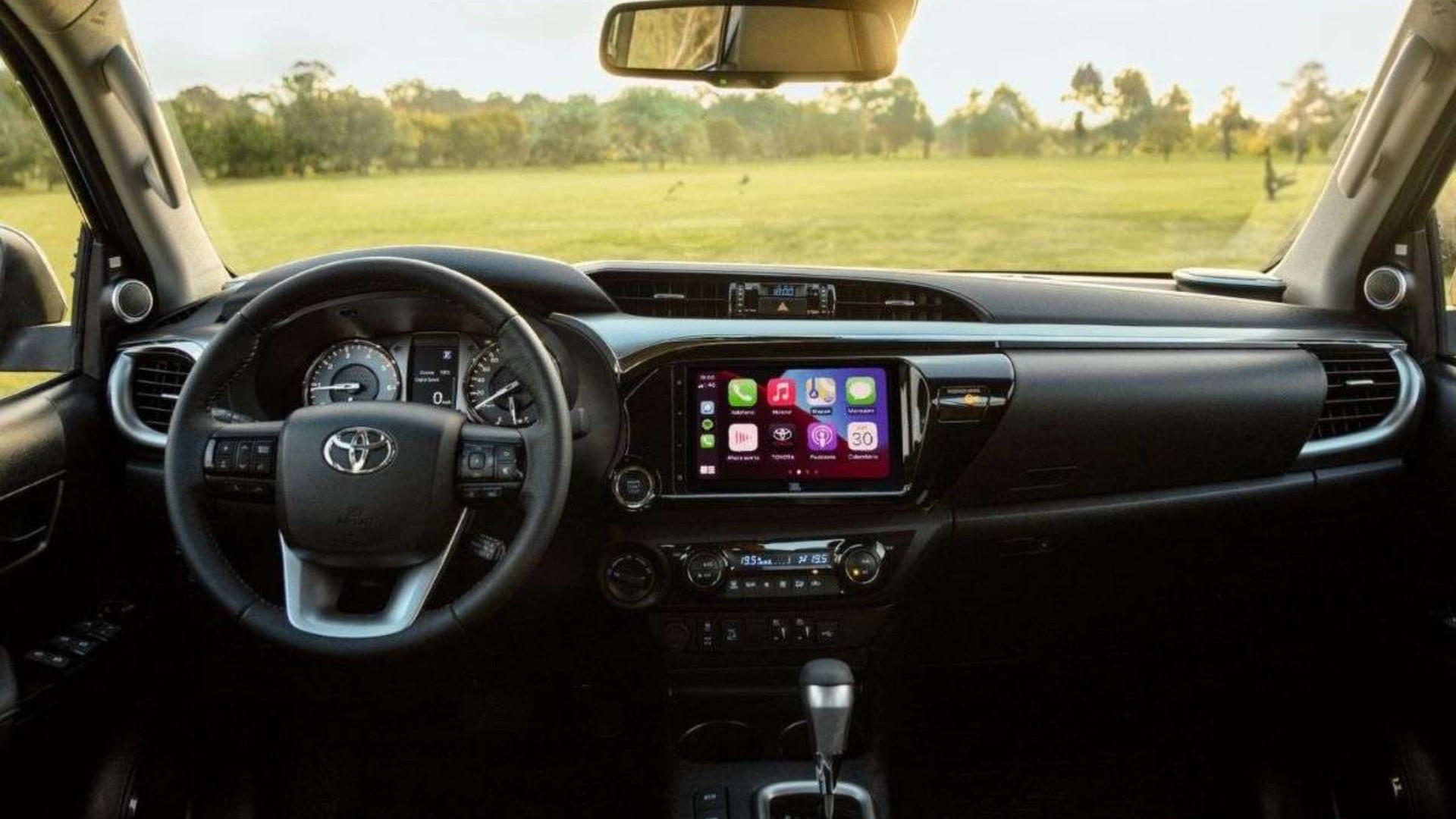
The Toyota Hilux is R$ 75.5 thousand cheaper and bets on the 2.8 turbodiesel engine with up to 204 hp and 50.9 kgfm to catch up with the VW Saveiro, which leads with 4,472 sales.
-
The new Renault Koleos has a screen exclusively for the passenger that is invisible to the driver, heated rear seats, and 29 assistance systems, but its Chinese competitors cost R$ 40,000 less and deliver more power.

In addition to being a product aimed at the domestic market, the Tera will be exported to over 25 countries, consolidating Brazil as a global automotive hub.
Developed on the MQB A0 platform, the same as the Polo, the Tera is an entry-level SUV that offers attractive cost-benefit, maintaining the safety and connectivity standards that consumers demand today.
With 81% of national components, the model will generate approximately 2,600 indirect jobs in the supply chain and strengthen the local economy.
The mission of the Tera is to continue Volkswagen’s tradition in Brazil by replacing icons like the Gol and the Beetle and adapting to the new needs of the market.
The name “Tera” refers to solidarity and connection to the earth, symbolizing a vehicle that is reliable for both daily urban use and short trips, with the robustness that characterizes SUVs.
A nostalgic detail on the rear window, featuring silhouettes of the Beetle, Gol, and Tera, connects the model to the brand’s history while pointing towards the future.
Robust and Modern Design, Ideal for Brazilian Streets
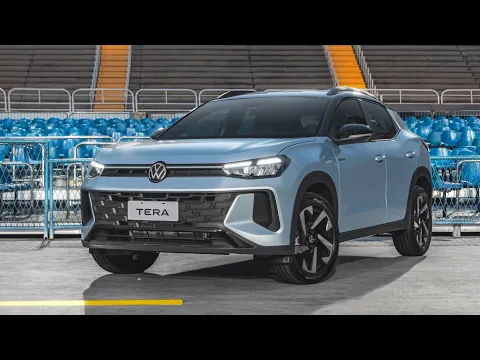
The Volkswagen Tera’s visual was carefully designed to convey an image of robustness and sophistication, characteristics valued by SUV consumers.
The front features full LED headlights integrated into a flowing grille, creating a visual identity reminiscent of Volkswagen’s global SUVs, such as the Tiguan.
The well-defined rear fenders give the model an imposing presence, while the horizontal LED taillights ensure a unique lighting signature.
With a length of 4.13 meters, the Tera is a compact SUV, but with a design that conveys robustness, an essential attribute for those seeking a car with imposing presence and safety.
On the inside, Volkswagen opted for a configuration that combines functionality and practicality.
The central console, inspired by the ID. electric line, offers innovative solutions, such as adjustable cup holders and space for two mobile phones, with one supporting wireless charging.
Additionally, the Tera features a 10-inch digital instrument cluster, providing clear and precise information to the driver.
The interior finish, with textured plastics and soft vinyl accents, elevates the model’s perception of quality, surpassing direct competitors like the Fiat Pulse in equivalent versions.

Advanced Technology and Connectivity for Daily Life
Technology is one of the pillars of the Tera.
The VW Play Connect multimedia system is the highlight, featuring a 10-inch screen and 4G connectivity.
This system offers remote updates and allows access to apps, providing a closer experience to vehicles in higher categories.
In the more complete versions, like the High, the model has six airbags, adaptive cruise control, and autonomous emergency braking, raising the safety standards in the segment.
Another standout feature is the wireless charger, coupled with an adjustable air vent to keep smartphones cool during use, ensuring convenience.
The 350-liter trunk is ideal for small families, although not as spacious as the Nivus, another Volkswagen model.
The Tera also underwent rigorous testing, including extreme cold conditions in Sweden, to ensure its durability and reliability.
The suspension of the Tera was adjusted for Brazilian road conditions, providing a balance between comfort and stability, even on uneven surfaces.
This ensures that the Tera offers a stable and comfortable driving experience, even under the most challenging conditions of Brazilian roads.
Competition in the SUV Market: Fiat Pulse, Renault Kardian, and Citroën Basalt
The compact SUV market in Brazil is highly competitive, with models like Fiat Pulse, Renault Kardian, and Citroën Basalt vying for the same target audience.
The Fiat Pulse, for example, offers 130 horsepower with its 1.0 turbo engine and an initial price of R$ 99,990.
The Renault Kardian, with 125 horsepower, bets on a modern design but faces limitations due to its smaller dealership network.
The Citroën Basalt, starting at R$ 99,490, bets on a hybrid style between SUV and sedan, but this format may not appeal to all consumers.
However, the Tera has the strategic advantage of Volkswagen’s network of over 500 dealerships in Brazil, ensuring easy access to maintenance and support.
Moreover, the brand’s reliability, built over the years with models like the Gol, still weighs in on the decisions of many consumers.
The inclusion of advanced technologies in the more complete versions, with an estimated price between R$ 110 thousand and R$ 120 thousand, makes the Tera a very attractive option for those seeking a compact SUV with a competitive price and high technology.
The arrival of new competitors, such as an SUV derived from the Chevrolet Onix expected for 2026, may further intensify competition in the future.
However, the Tera already arrives with an initial advantage, especially among young families and professionals looking for their first SUV.

Variety of Versions and Engines for Different Consumer Profiles
The Tera will be offered in four versions, catering to different consumer profiles.
The entry-level version, MPI, comes with a 1.0 naturally aspirated engine with 84 horsepower and a five-speed manual transmission, with an initial price of R$ 99,990.
The TSI and Comfort versions feature a 1.0 turbo engine with 116 horsepower, available with either manual or six-speed automatic transmissions, aiming to balance performance and comfort.
The top-of-the-line version, High, combines a turbo engine with an automatic transmission and a complete equipment package, including the optional Outfit, which adds aesthetic details like darkened wheels and a two-tone roof.
The flexibility in engine and trim options allows the Tera to reach a varied audience, from beginner drivers to small families.
The Volkswagen strategy is clear: to offer options for those prioritizing economy as well as those seeking sophistication.
The 1.0 turbo engine, available in mid-range and top versions, offers satisfactory performance for urban and highway use, while the six-speed automatic transmission ensures comfort and smoothness in shifting.
Do you think the Tera will be able to outshine its competitors in Brazil? Which version would you choose?









Seja o primeiro a reagir!