





 Portuguese
  English
  Spanish
  6 min of reading
  0 comments


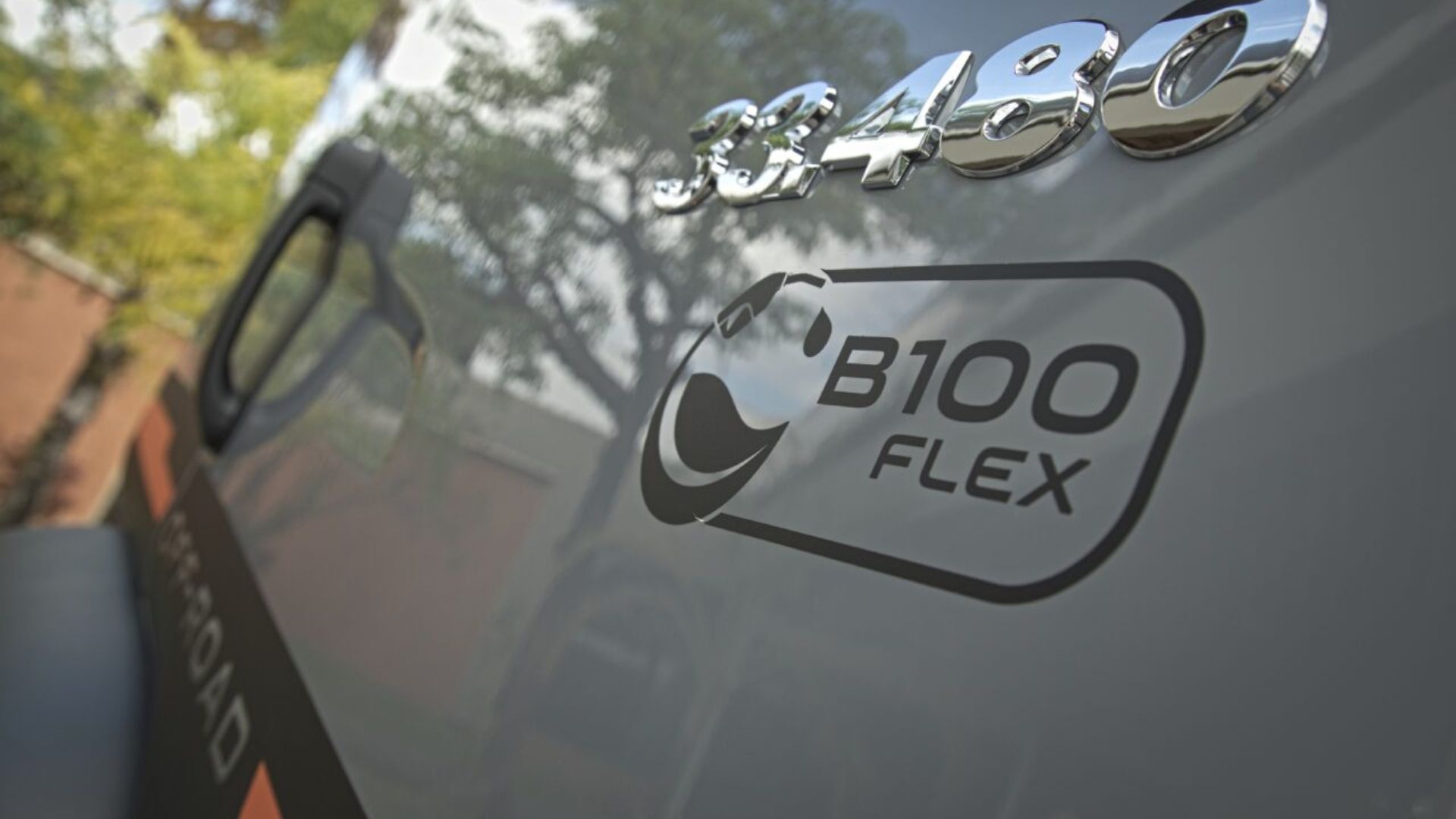
Volkswagen Trucks and Buses Tests Trucks with B100 in Real Operations, Evaluating Performance, Costs, and the Use of Sustainable Biodiesel as a Strategic Solution for the Decarbonization of Heavy Transport in Brazil.
The Volkswagen Trucks and Buses has reached a milestone of over 500 thousand kilometers driven in field tests with vehicles fueled with B100, fuel composed entirely of biodiesel. The initiative reinforces the role of sustainable biodiesel as a viable alternative to accelerate the decarbonization of heavy transport, combining operational performance, energy efficiency, and significant reductions in CO₂ emissions.
According to an article published by the website Transporte Mundial this Wednesday (7), the tests are being conducted under real operating conditions, directly with customers, and involve the entire portfolio of trucks from the manufacturer. According to the company, the results indicate stable operation, performance equivalent to conventional diesel, and relevant environmental gains, positioning B100 as a technically viable solution for commercial fleets.
Volkswagen Trucks and Buses Expands Tests with B100 in Real Operations
The strategy of Volkswagen Trucks and Buses goes beyond laboratory tests. The manufacturer chose to validate B100 directly in the daily operations of transport, in partnership with customers from different segments. This way, it is possible to analyze the behavior of the fuel in urban, highway, and long-distance routines.
-
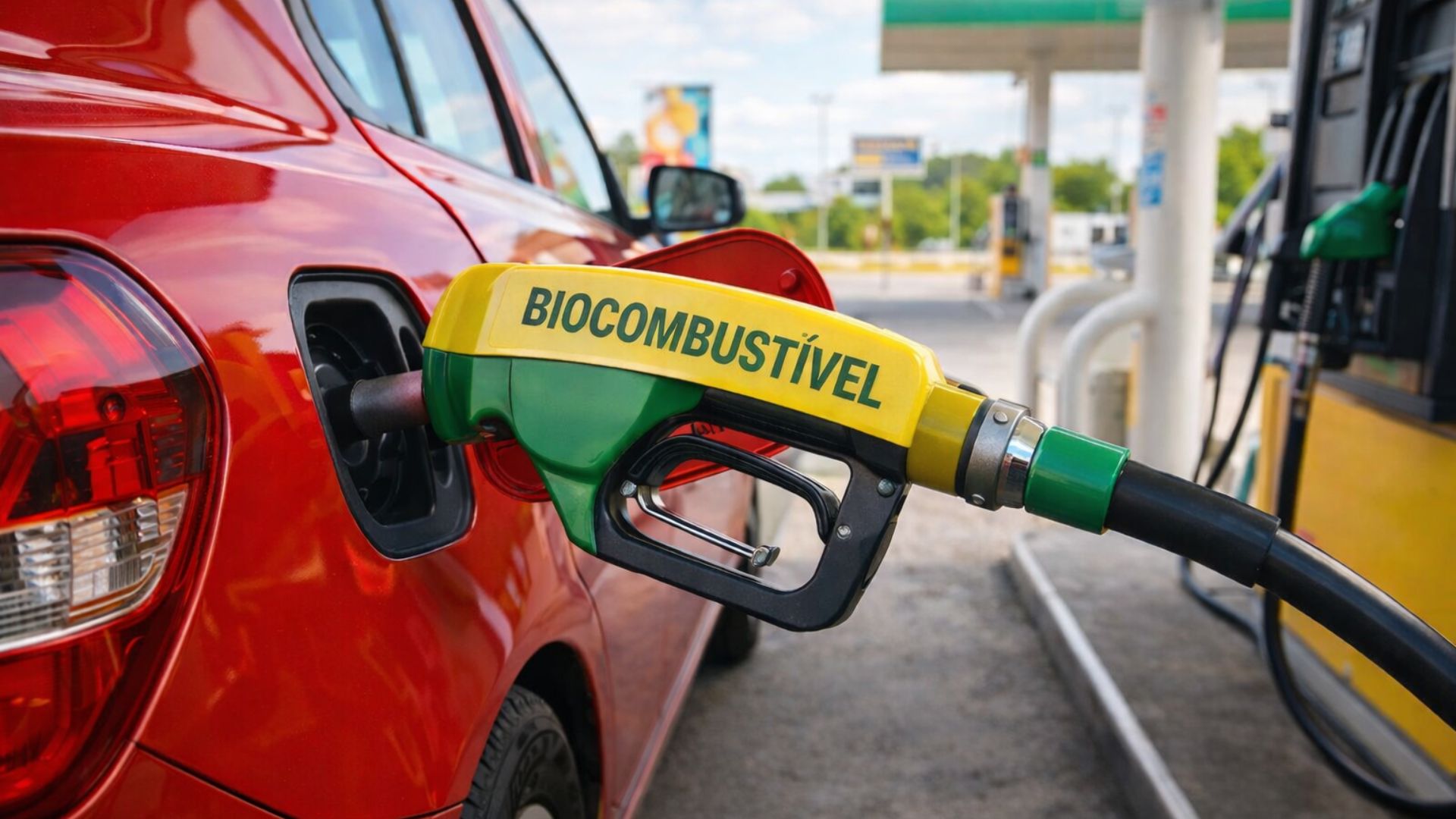
CNPE strengthens policy and prevents imported biodiesel from being mixed with diesel, aiming to strengthen the Brazilian industry and protect jobs by reducing external dependence amid tensions in the global market.
-
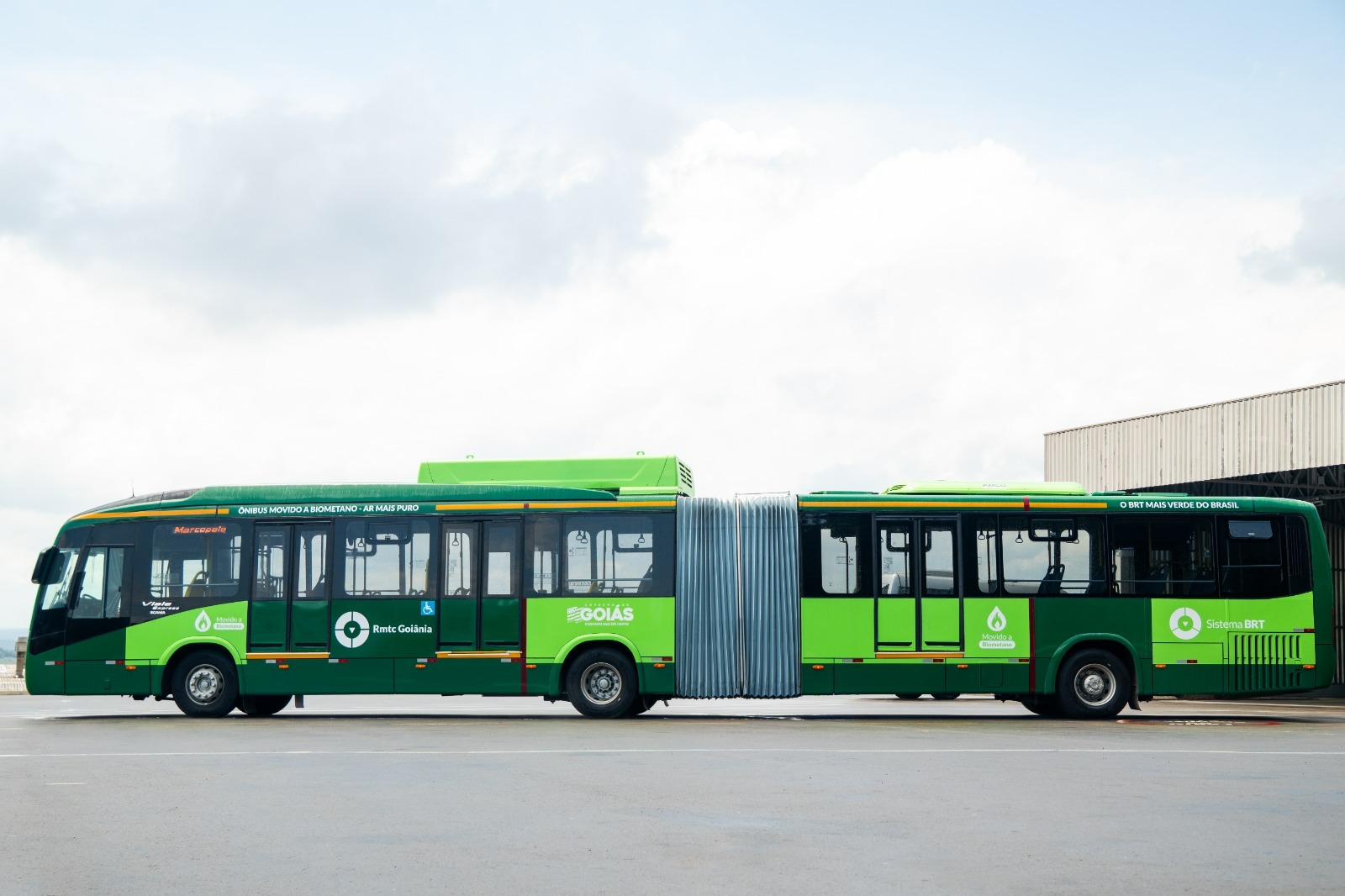
Revolution in public transport: Goiânia puts into circulation the first articulated buses powered by biomethane in Brazil and promises to drastically reduce pollution on the Anhanguera Corridor.
-
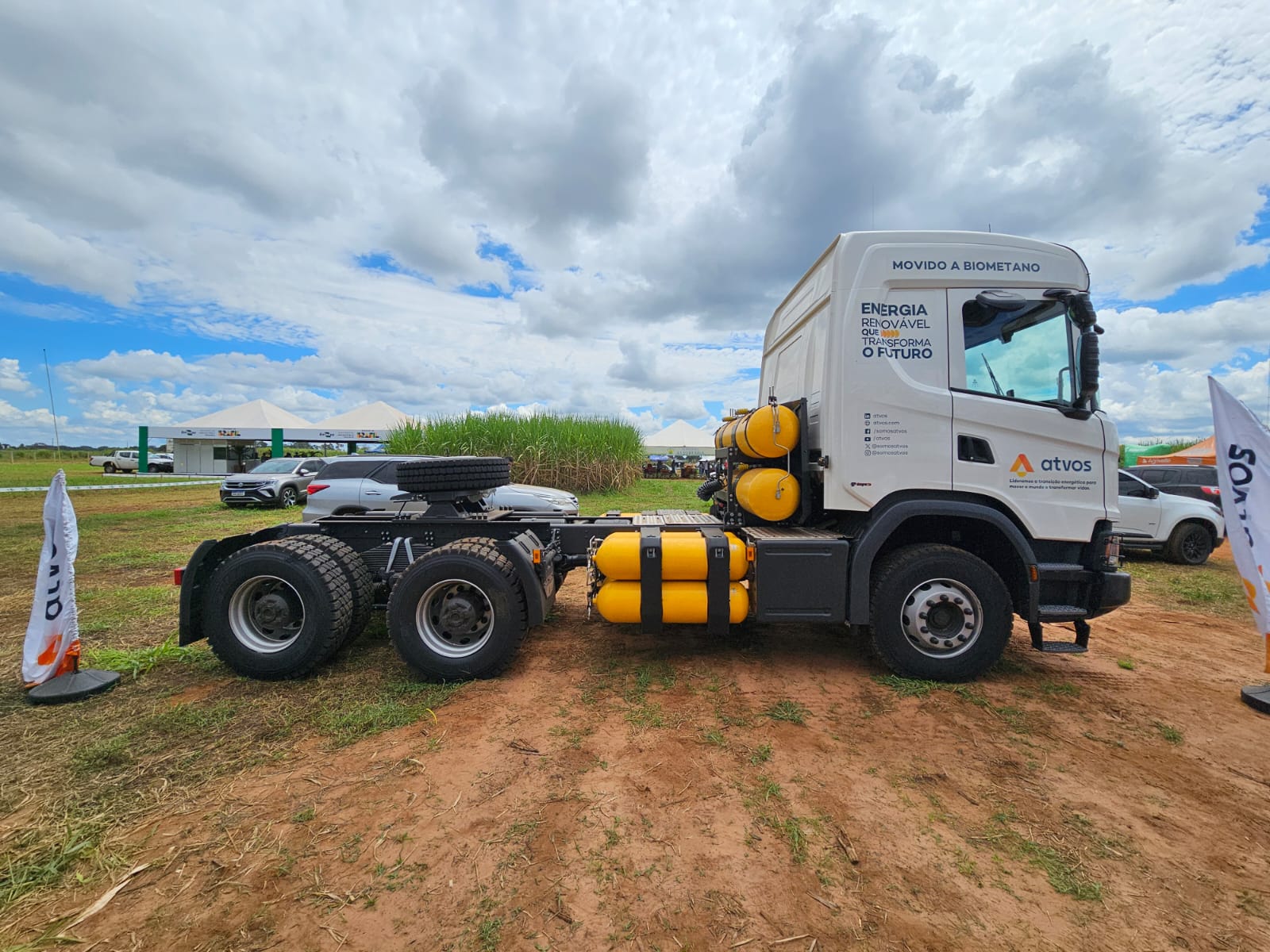
From the field to the pipelines: Mato Grosso do Sul accelerates the energy transition and consolidates a new axis in renewable energy with the arrival of a giant biogas plant.
-
The Economist states that Brazil has a “secret weapon” against expensive oil and highlights how the country can reduce economic impacts even in international scenarios of high volatility.


This practical approach allows for observing variables such as consumption, performance, wear of components, and impact on the maintenance plan. At the same time, it reinforces the company’s commitment to solutions that can be applied on a large scale, effectively contributing to the decarbonization of the heavy transport sector.
It is worth noting that the manufacturer’s experience with biofuels is not recent. Volkswagen Trucks and Buses has been researching the use of these alternatives in Brazil since 2003, continuously deepening its technical and operational knowledge.
Tests with B100 Cover the Entire Line of Trucks
The studies with B100 involve all families of trucks from Volkswagen Trucks and Buses, which enhances the relevance of the results. The tests include models aimed at urban transport as well as heavy-duty vehicles used on extensive highway routes.
The Delivery line trucks operate in urban scenarios, with frequent stops and short routes. Meanwhile, the Constellation models are evaluated on medium and long-distance routes. Finally, the heavy-duty Meteor trucks participate in tests in long-distance operations, with high loads and continuous performance demands.
This diversity of applications allows for evaluating sustainable biodiesel in different usage regimes, confirming its adaptability and potential application across multiple transport profiles.
Performance of B100 is Equivalent to Conventional Diesel
According to Volkswagen Trucks and Buses, the data collected over more than 500 thousand kilometers driven indicate that B100 shows performance and energy efficiency similar to fossil diesel. The analyses consider fuel consumption, engine response, operational stability, and impact on the maintenance cycle.
The tests include field evaluations and controlled testing on test benches. According to Rodrigo Chaves, Vice President of Engineering and CTO of the manufacturer, the results show that the fuel meets the requirements of highway operation without compromising vehicle performance. These results are crucial to increase market confidence and reduce technical barriers to the adoption of B100 in commercial fleets.
Technical Structure Dedicated to the Use of Sustainable Biodiesel
To ensure the continuity of tests and the reliability of results, Volkswagen Trucks and Buses has structured a specialized technical team. This team closely monitors the participating clients, conducts detailed analyses, and provides support in developing the necessary infrastructure for the storage and logistics of B100.
Furthermore, the manufacturer has developed a specific maintenance plan, with constant monitoring of critical components such as filters and the engine. This monitoring allows for identifying any necessary adjustments and ensures the longevity of the vehicles over time.
With this experience, the company is advancing in building a complete support ecosystem, preparing to serve customers wishing to adopt sustainable biodiesel in a structured and safe manner.
B100 and Decarbonization: Emission Reductions Proven by Studies
Among the main benefits of B100 is the significant reduction of greenhouse gas emissions. Studies by ANP, Abiove, and EPE, cited by the manufacturer, indicate significant reductions in the complete cycle of the fuel, from well to wheel.
Animal-sourced biodiesel can reduce CO₂ emissions by up to 75% compared to fossil diesel. Meanwhile, soy-based biodiesel can achieve up to 90% reduction, depending on the production process and the supply chain involved.
These data reinforce the role of sustainable biodiesel as one of the most effective solutions available today to drive the decarbonization of heavy transport in Brazil.
Economic Gains and Circularity Strengthen the Use of B100
In addition to environmental benefits, B100 can also offer economic advantages for transport operators. In some cases, the customers themselves produce the biodiesel used in operations, reducing fuel costs and strengthening the logic of the circular economy.
This model is particularly relevant for sectors such as agribusiness, where agricultural residues and inputs can be repurposed in the production of the fuel that powers their fleet. Thus, transport becomes part of a more efficient and sustainable production cycle.
Volkswagen Trucks and Buses emphasizes that this scenario contributes not only to reducing pollutants but also to increasing the competitiveness of logistics operations.
ESG Strategy of Volkswagen Trucks and Buses and Focus on Decarbonization
In recent years, Volkswagen Trucks and Buses has intensified its sustainability initiatives. The advancement of tests with B100 is directly linked to the company’s decarbonization plan, one of the pillars of its ESG strategy.
According to Ricardo Alouche, Vice President of Sales, Marketing, and After-sales of the manufacturer, the goal is to offer the market real options for sustainable transport, based on careful analyses of the sector’s needs and the opportunities generated by renewable fuels. This approach shows that the company seeks to align technological innovation, operational performance, and environmental responsibility in its solutions.
Truck Market and Advancement of B100 in Heavy Transport
Currently, Volvo and Scania are the brands that already sell trucks prepared to operate with B100, especially in operations linked to agribusiness. These vehicles are in use by soybean producers and other inputs used in biodiesel production.
Within the concept of virtuous circle, it makes sense for logistics to be conducted with trucks powered by the very fuel generated from those inputs. The expansion of tests by Volkswagen Trucks and Buses reinforces this trend and contributes to accelerating the adoption of sustainable biodiesel in the Brazilian market.
What Volkswagen’s Tests with B100 Indicate for the Future of Heavy Transport
The milestone of over 500 thousand kilometers driven with B100 confirms that the sustainable biodiesel is already a concrete alternative for heavy transport. The results obtained by Volkswagen Trucks and Buses demonstrate that it is possible to combine performance, reliability, and significant emissions reductions in real operations.
With structured technical support, proven environmental gains, and operational cost-saving potential, B100 consolidates as one of the main pathways for the decarbonization of the logistics sector. For companies looking to reduce their carbon footprint without compromising efficiency, the tests indicate that the transition may begin soon.





Seja o primeiro a reagir!