





 Portuguese
  English
  Spanish
  3 min of reading
  0 comments


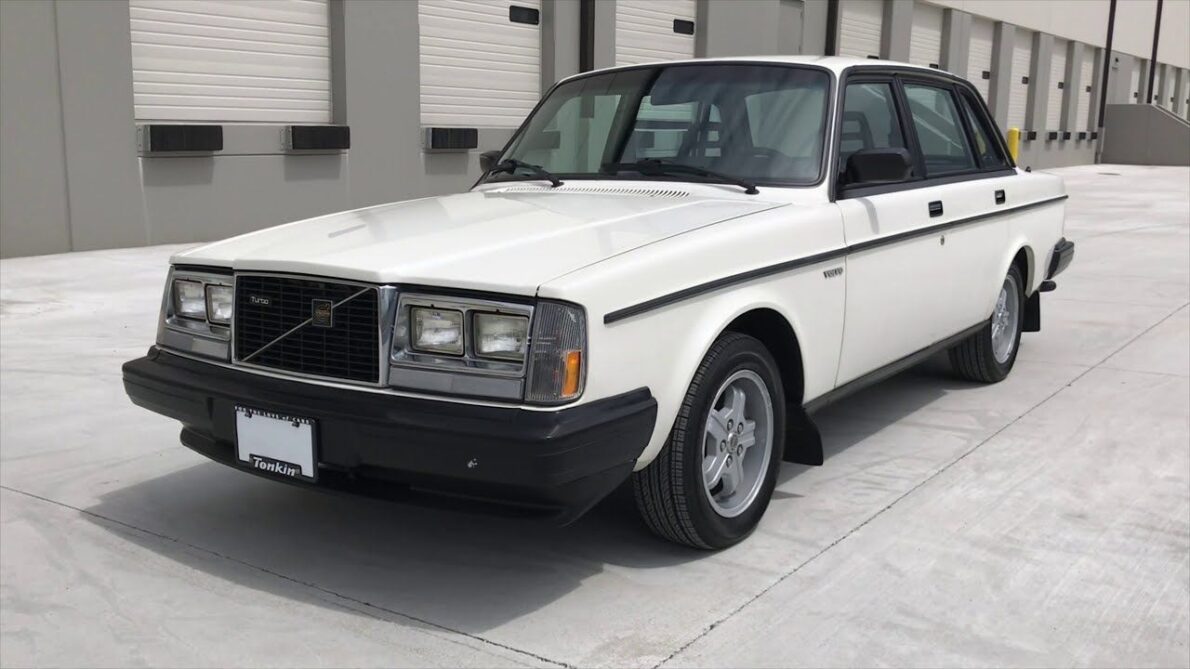
Volvo 240 And Its Redblock Engine
The Volvo 240 is more than just a car; it is a true monument of resilience and engineering. Equipped with the legendary Redblock engine, this vehicle has become a symbol of indestructibility, earning the respect and admiration of enthusiasts and mechanics around the world.
The Volvo 240 was affectionately nicknamed “brick” due to its sturdy and angular design. But the real strength of this vehicle comes from its engine, the famous Redblock engine. Designed in the 1970s, this engine is the direct evolution of a line of engines that began with the B18, a cast iron block known for its durability. However, Volvo was not satisfied with “good enough” and decided to take resilience to a new level with the Redblock engine.
The Birth of a Legend: Redblock Engine

The transition from the B18 to the Redblock engine began with Volvo’s 200 series in 1975. With the introduction of the B21, the first of the Redblock engines, Volvo made a bold bet on technology and durability. The difference was in the details: the camshaft moved to the cylinder head, driven by a timing belt, while the heavy Swedish iron block remained. This combination gave the engine unparalleled robustness, ready to face any challenge.
-
The car stored for 38 years: when opening the barn door, what appears is breathtaking and looks like a scene from a movie!

-
Fiat works miracles in the Brazilian market, lowers the price of its 0 km hatch to R$ 69,990, reestablishes the model as the cheapest car in the country, and reignites the battle against Kwid and C3.
-
Chevette with cooking gas: How the gas cylinder ends up being used in cars clandestinely and why this makeshift solution can result in leaks, explosions, damaged engines, and seized vehicles.
-
Fiat launches the new 2027 Toro hybrid with 48V, 176 hp, an electric motor of 15.5 hp, a 0.85 kWh battery, up to 7% fuel savings, 8% fewer emissions, and possible exemption from IPVA.

Volvo Spared No Efforts to Ensure the Best
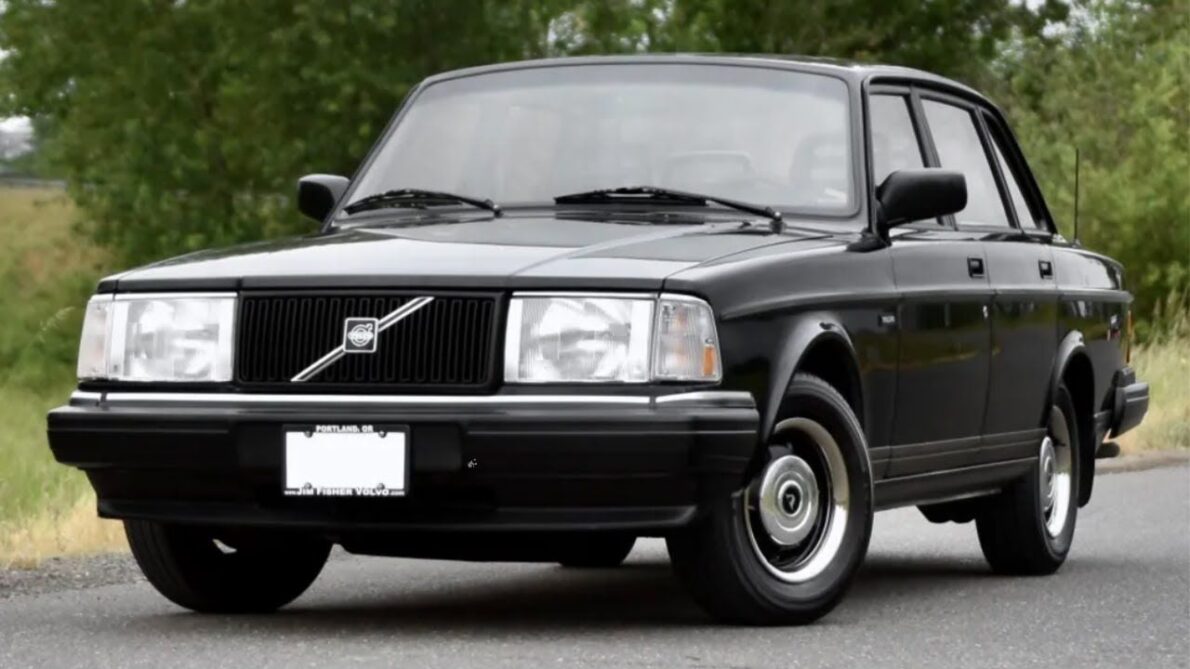
Volvo spared no efforts to ensure that the Redblock engine was practically indestructible. Before its launch, the engine underwent grueling tests: 500 hours of continuous full load running at 160 km/h, and no engine failed. Then, it was driven for 620,000 miles under real conditions, traversing all of Europe. Once again, the Redblock engine stood firm, showing no signs of weakness.
Introduction of Turbochargers
Although Volvo was known for prioritizing durability over performance, the Redblock engine proved that these two attributes do not have to be mutually exclusive. In the 1980s, with the introduction of turbochargers, the Redblock engine transformed. The B23 Turbo model, for instance, made history by providing 155 horsepower, taking the Volvo 240 from 0 to 100 km/h in just 9 seconds—a speed sufficient to silence those who viewed Volvos as boring math teacher cars.
Volvo 240 Is Not a Car That Draws Attention With Its Design
The Volvo 240 is not a car that draws attention with its design or speed. But its simplicity, ease of maintenance, and above all, its reliability, have won over generations of drivers. The legacy of the Redblock engine lives on, especially among young enthusiasts who have discovered the joy of driving a resilient rear-wheel-drive car that can handle much more than necessary.
A Story That Withstands the Test of Time
Despite the end of production in 1993, the Volvo 240 and its Redblock engine continue to be on the roads, many still with their original engines. They were built to last, and it is precisely this longevity that solidifies this model’s place in automotive history. If you are looking for a car for endless adventures and a living proof that excess engineering can be a virtue, the Volvo 240 and its Redblock engine are the right choice.
The Volvo 240 and its Redblock engine are more than just vehicles; they are true tanks on wheels, ready to take on whatever comes their way. In a world where planned obsolescence is the norm, these cars are a reminder that, with the right engineering, indestructibility and performance can go hand in hand.









Seja o primeiro a reagir!