





 Portuguese
  English
  Spanish
  4 min of reading
  0 comments


Swedish Automaker Decision Occurs Due to Increased Manufacturing Costs and Market Uncertainties Affecting Its Production in the US
The impact of the tariffs imposed by President Donald Trump begins to reverberate in the North American automotive sector, leading Volvo to plan the dismissal of up to 800 employees in its operations in the United States. This move was announced in a statement sent to employees on Friday, 18, and generated widespread repercussions in the international press.
Details of the Layoffs at Volvo
The layoffs will primarily affect the Mack Trucks unit in Macungie, Pennsylvania, as well as two Volvo Group facilities in Dublin, Virginia, and Hagerstown, Maryland. The group, which is part of the Swedish AB Volvo, employs nearly 20,000 people in North America, making this decision a significant change for the company and its workers. The reduction in the workforce reflects a growing concern about Volvo’s production capacity in the face of a challenging economic landscape.
Justification for the Layoffs
A spokesperson for Volvo Group North America explained that the rise in costs, resulting from increased prices of certain parts used in manufacturing, negatively impacted the business. “Heavy truck orders continue to be negatively affected by market uncertainty regarding freight rates and demand, potential regulatory changes, and the impact of tariffs,” the spokesperson stated. This situation highlights the need to align production with the reduction in demand for its vehicles, emphasizing the vulnerability of automakers in a constantly changing economic environment.
-
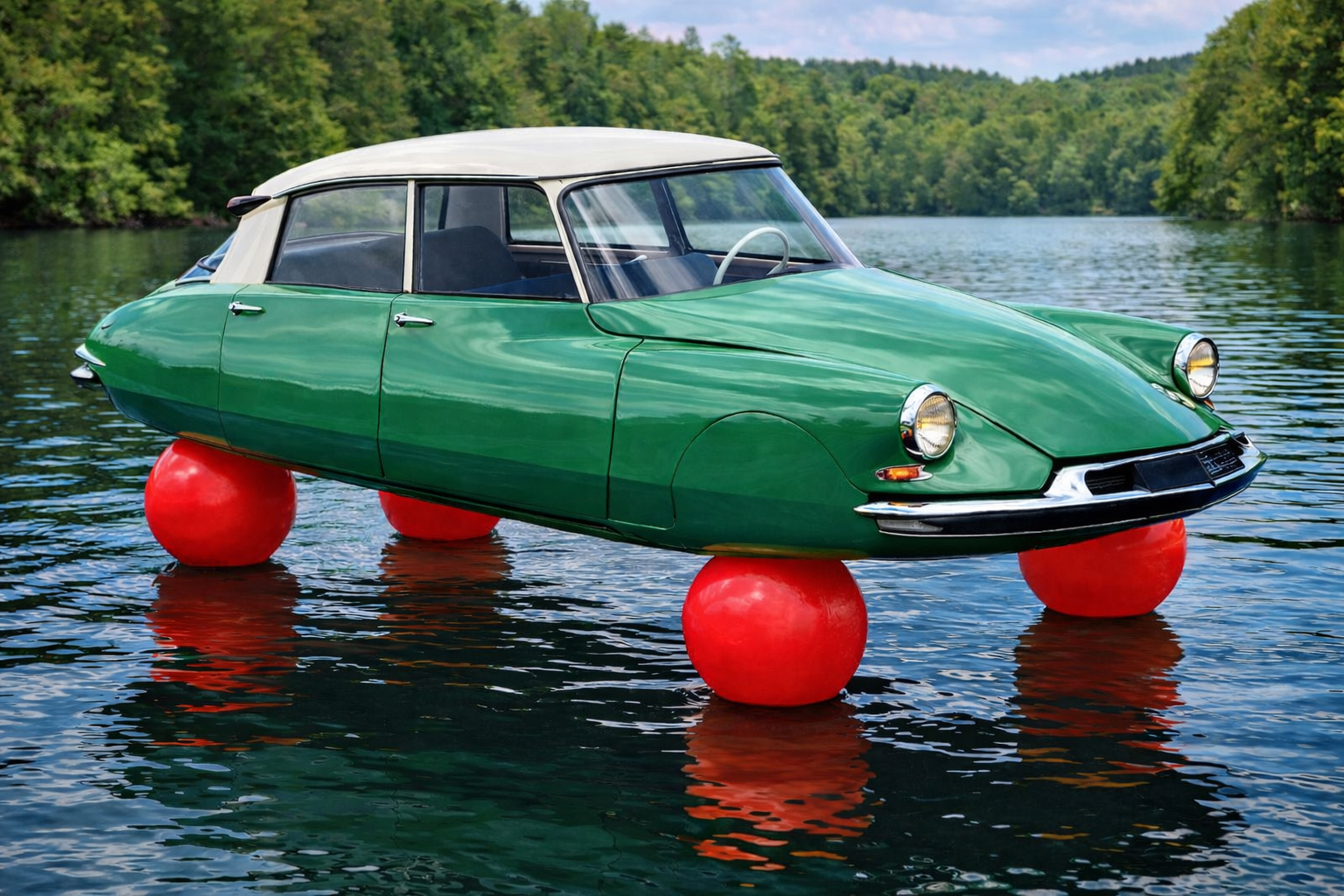
A French brand placed a car on four huge red balloons to prove that its suspension made the vehicle “float,” and the surreal scene became one of the most iconic and unusual images in automotive history.
-
Jeep Avenger begins production in Brazil, debuting as the brand’s new entry-level SUV and inaugurating an unprecedented phase by becoming the first national Jeep manufactured outside of Goiana, as part of a R$ 3 billion plan.
-
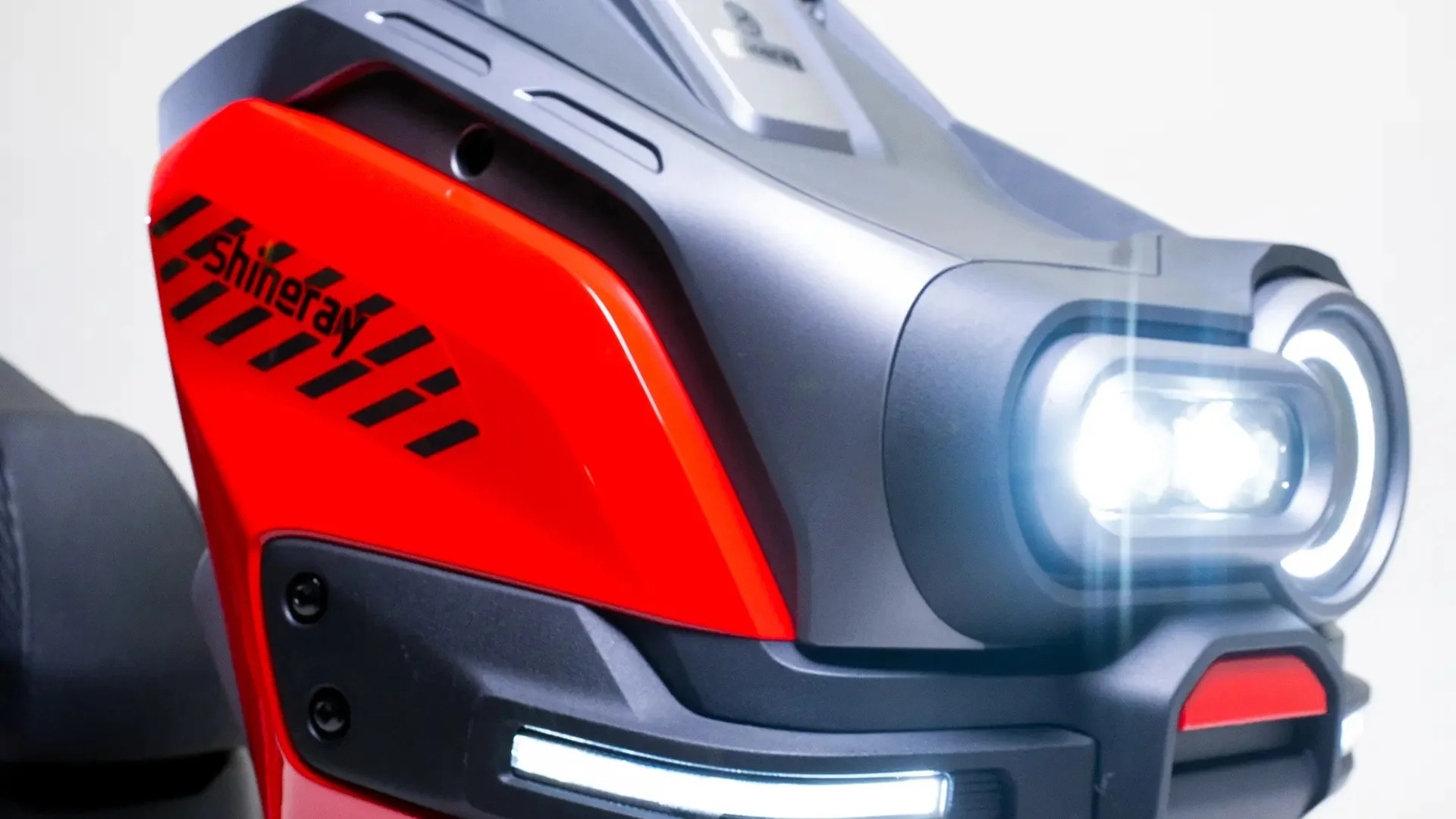
Costing R$ 12,490, the new Shineray Urban Lite 150 “cheap one” arrives in Brazil with a CVT transmission, digital dashboard, and LED lights, making it more affordable than the Biz and targeting those who want to abandon the bus.
-
Ducati brings to Brazil the Superleggera V4 Centenario: 228 hp that become 247 with a track kit, carbon fiber and carbon-ceramic brakes, estimated price between R$ 1.5 and 2 million, deliveries only in 2027.


Effects of Trump’s Tariffs
The layoffs at Volvo are a clear example of how Trump’s tariffs are pressuring the automotive and trucking industry. Since the tariffs on steel and aluminum imports were implemented, automakers have faced a significant rise in manufacturing costs. According to CNBC, these tariffs on certain parts increase production costs, directly impacting companies’ profitability and consequently their employment decisions. The current situation reflects a challenging landscape for automakers, who face uncertainties not only regarding tariffs but also concerning regulation and market behavior.
The Impact on American Automakers
In addition to Volvo, other automakers are facing similar challenges due to the tariffs. Companies like Ford, General Motors, and FCA (Fiat Chrysler Automobiles) have also reported difficulties in their operations due to rising material costs and market uncertainty. Economic instability may lead to production cuts and layoffs, affecting not only workers but also the communities where these automakers operate. The automotive sector is one of the key engines of the US economy, and any change in its health can have significant ripple effects.
The Future of Volvo in the US
With the anticipated reduction in the number of employees, Volvo seeks to adapt to a transforming market. The company is assessing its operations and the viability of maintaining production in a time of economic instability. The decision to lay off workers is a difficult but necessary step to ensure business sustainability in a competitive and challenging environment.
Additionally, Volvo has been investing in technological innovations and sustainability, aiming to position itself as a leader in electric vehicles and cleaner transportation solutions. This shift in focus may help the company recover in the near future, but the transition requires time and significant investment.
The Culture of Adaptation in the Automotive Sector
The current situation at Volvo serves as a reminder of the constant need for adaptation in the automotive industry. Companies must be agile and flexible to respond to changes in the economic environment and market demands. This may include adopting new technologies, re-evaluating supply chains, and exploring new markets. As automakers face pressure from tariffs and regulatory changes, the ability to innovate and adapt will be crucial for their survival.
The layoffs at Volvo not only impact its employees but also reflect a critical moment for the US automotive industry, which continues to deal with the consequences of the tariff policies implemented by the government. The situation demands constant adaptation from companies, which need to find ways to remain viable in a landscape marked by uncertainties. The future of Volvo and other automakers will depend on their ability to reinvent themselves and face the challenges ahead.
SOURCE: OTEMPO









Seja o primeiro a reagir!