





 Portuguese
  English
  Spanish
  3 min of reading
  0 comments


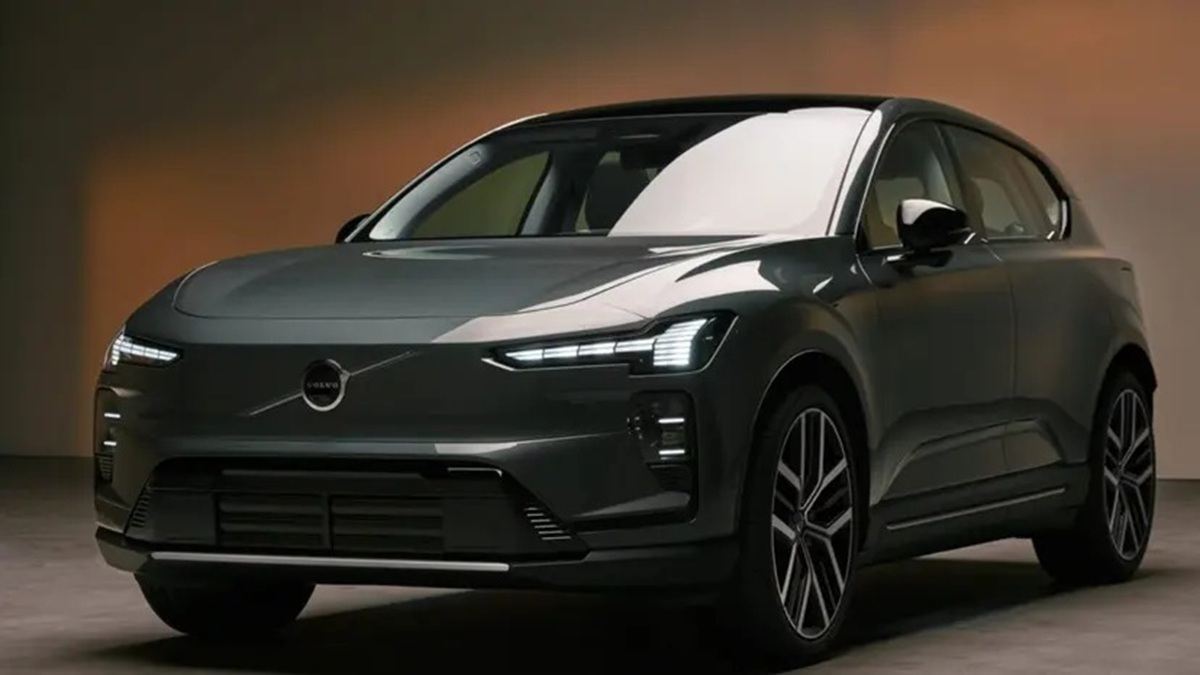
Presented Globally On January 21, 2026, The Volvo EX60 Debuts As An Electric Vehicle With Artificial Intelligence By Integrating Google Gemini Into The Core Of The Vehicle System, Combining Range Of Up To 810 Kilometers, 800 Volt Electric Architecture, Advanced AI Processing, And Software-Based Updateable Strategy.
The Volvo EX60 Was Presented Globally On January 21, 2026, As The First Electric Vehicle With Artificial Intelligence Built Around Google Gemini, Debuting The 800 Volt SPA3 Platform, A Claimed Range Of Up To 810 Kilometers, And A Software-Defined Architecture Aimed At Continuous Updates.
Software-Defined Architecture And Focus On Artificial Intelligence
The EX60 Marks The Brand’s New Technical Base By Combining The 800 Volt SPA3 Platform With The Software-Defined HuginCore Architecture. This Approach Positions The SUV Not Just As An Electric Vehicle, But As An Electric Vehicle With Integrated Artificial Intelligence, Designed To Evolve After Delivery Through Remote Updates.
Unlike Traditional Infotainment Systems, Google Gemini Acts As The Central Intelligence Layer Throughout The Vehicle. Volvo Describes The Model As Its Clearest Step Toward Software-Driven Development, With Gains In Performance, Charging, And Computing Capacity.
-
Less than a Tera TSI, up to 710 km of range and charging in 9 minutes: the new BYD Song Ultra expands the Chinese brand’s bet on increasingly faster, more technological, and competitively priced electric SUVs.

-
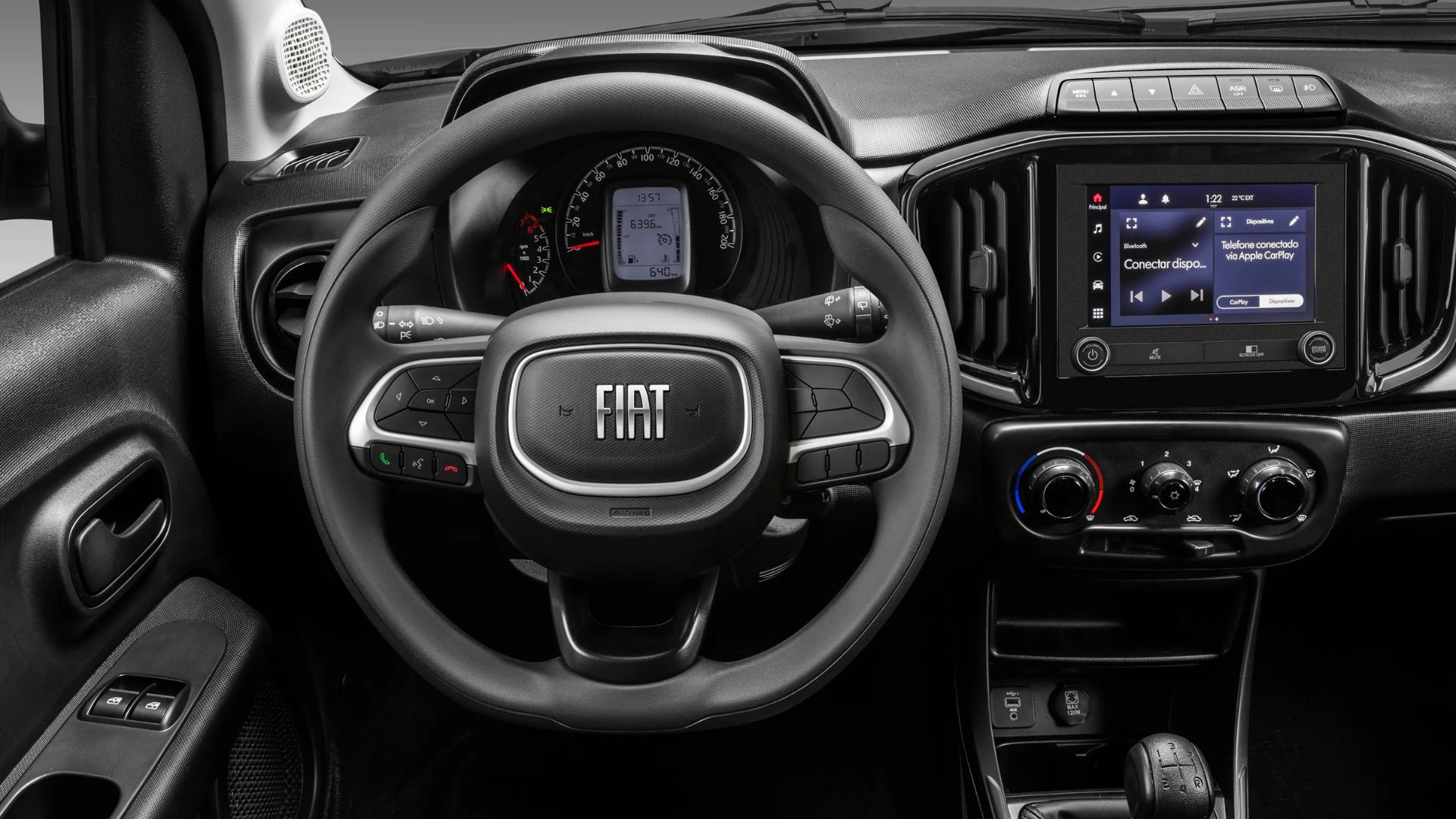
With a 1.0 engine producing 75 hp and costing less than R$ 70,000, Fiat’s car returns to the podium as the cheapest in the country; a temporary promotion for the 2026 Like version reduces the price of the Fiat Mobi.
-
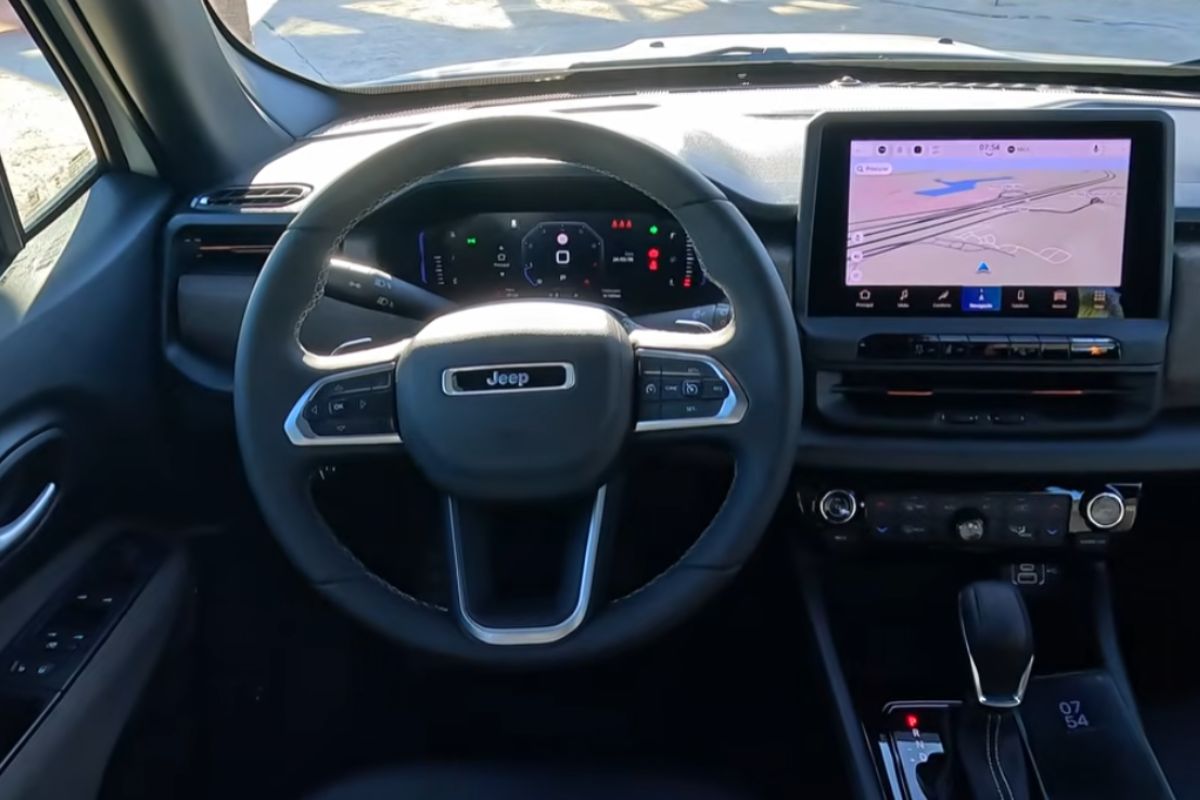
With a mild hybrid system of 48 V, 176 hp and a price of R$ 175,990 in the Sahara version, the new Jeep Renegade changes mostly on the inside, improves slightly in fuel consumption, and remains almost the same car.
-
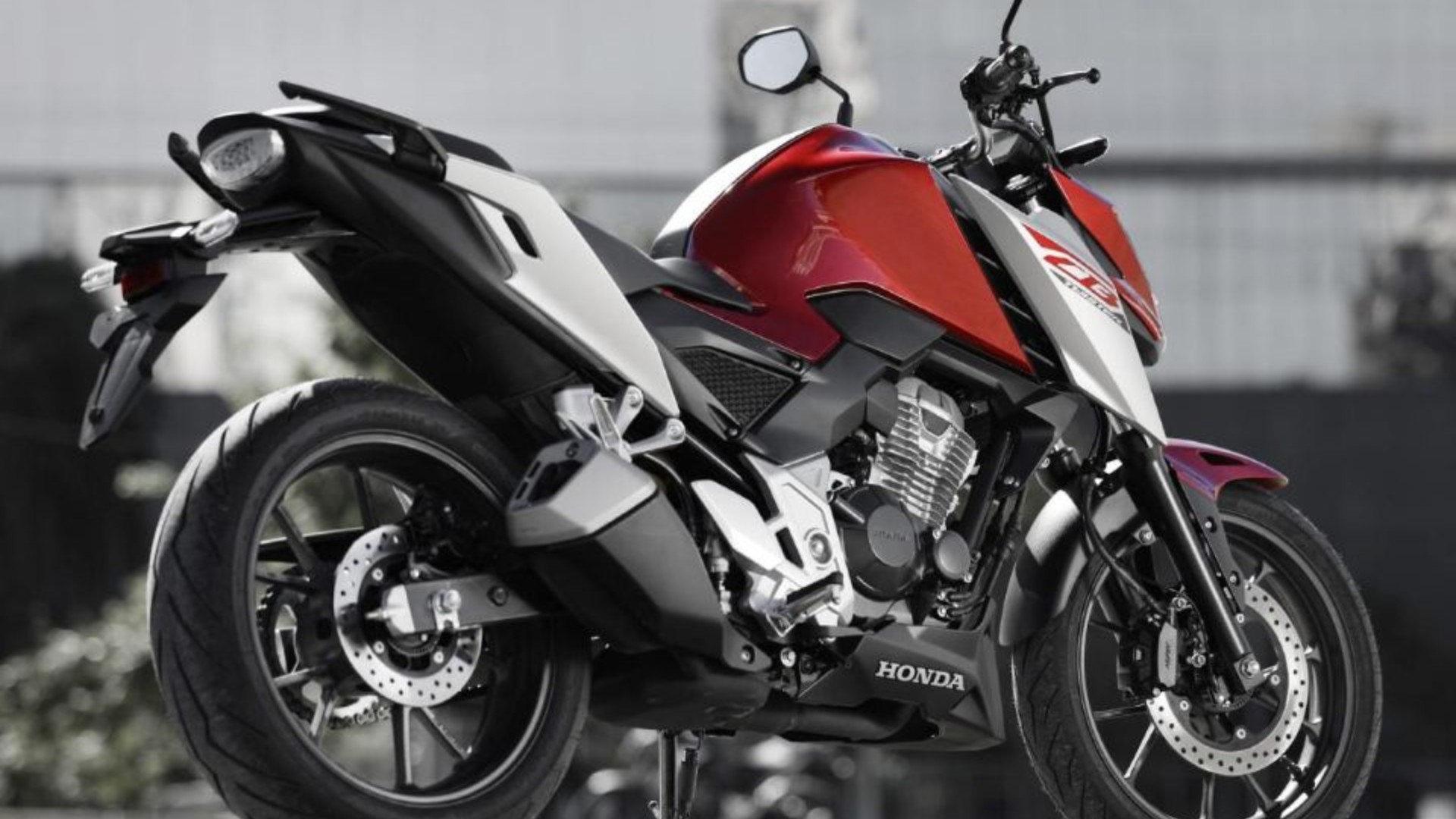
With a 293.5 cm³ engine and a range of up to 400 km with a 14.1-liter tank, the Honda CB 300F Twister 2026 has up to 24.7 hp, an initial price of R$ 25,150, and already exceeds R$ 29,000 in the Fipe Table.

Twins At The Heart Of Vehicle Processing
The EX60 Adopts A Dual Chip Configuration With NVIDIA DRIVE AGX Orin And Qualcomm Snapdragon 8255 Processors. Together, They Perform Over 250 Trillion Operations Per Second, Allowing Real-Time AI Processing For Safety, Navigation, And Cabin.
Gemini Replaces Command-Based Assistants With Natural Conversations. Complex Requests Can Be Made Without Specific Instructions, Including Multi-Step Tasks. The System Connects Directly To Google Services, Such As Gmail And Calendar, For Appointment Management And Route Planning Through The Driving Interface.
Volvo Expects To Expand Capabilities Through Over-The-Air Updates. Future Versions Will Allow Live Video Interpretation From 360-Degree Cameras, With Responses About Landmarks And Surroundings In Real Time, Reinforcing The Proposal Of An Electric Vehicle With Artificial Intelligence.
Data-Driven Safety And Continuous Learning
The Safety Systems Of The EX60 Heavily Rely On AI. The Predictive Software Is Trained With Anonymized Data From Volvo’s Global Fleet, Learning From Accidents And Near Misses To Continuously Refine Collision Prevention And Driver Assistance.
This Approach Aims To Improve Vehicle Behavior Over Time, Integrating Continuous Learning Into Critical Functions. The Company Highlights That The AI Layer Operates Transversely, Connecting Sensors, Processing, And System Responses.
SPA3 800V Platform, Megacasting, And Charging
As The First Production Model In The 800V SPA3 Architecture, The EX60 Supports Ultracharging, Greater Efficiency, And Enhanced Thermal Management. Volvo Introduces Large-Scale Megacasting, Reducing The Number Of Parts, Increasing Structural Rigidity, And Decreasing Overall Weight.
The Entry-Level P6 With Rear-Wheel Drive Delivers 374 Horsepower And An 80 kWh Battery, With An Estimated WLTP Range Of About 620 Kilometers. The P10 AWD Adds Two Motors, 503 Horsepower, A 91 kWh Battery, And Up To 720 Kilometers Of Range.
The Top-Of-The-Line P12 AWD Reaches 670 Horsepower, Accelerates From 0 To 100 Km/h In Under 3.5 Seconds, And Uses A 112 kWh Battery, With A WLTP Range Of Up To 810 Kilometers. At 400 kW Chargers, The EX60 Adds Up To 340 Kilometers In About 10 Minutes, With A Native NACS Port For Access To Tesla’s Supercharger Network, As Well As Support For V2H And V2L To Power Homes And Devices.
Interior, Multimedia, And Commercial Timeline
Inside, The SUV Features A 15-Inch Curved OLED Display, Redesigned Two-Spoke Steering Wheel, And A Bowers & Wilkins Sound System With Dolby Atmos Spatial Audio And Integrated Apple Music. Orders Have Opened In Europe, While In The United States They Begin At The End Of Spring 2026, With Deliveries In The Summer.
With A Focus On Software, Scalable Power, And Ultracharging, The EX60 Consolidates Volvo’s Strategy Of Treating The Product As An Evolving Platform, Reinforcing The Model’s Position As An Electric Vehicle With Integrated Artificial Intelligence From The Outset.








-

-

5 pessoas reagiram a isso.