





 Portuguese
  English
  Spanish
  4 min of reading
  0 comments


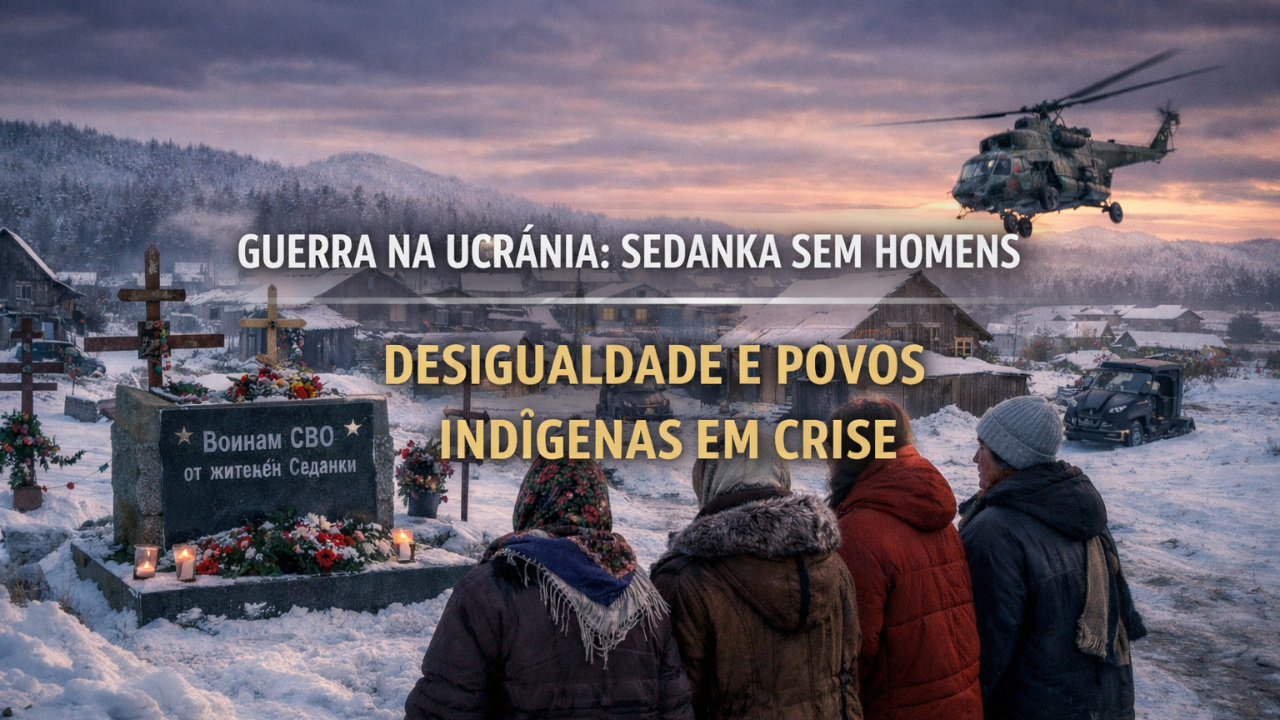
Sedanka Faces Devastating Consequences of the War in Ukraine, with High Russian Casualties and Strong Impact on Indigenous Peoples.
The small village of Sedanka, in the far east of Russia, lost almost all the men between the ages of 18 and 55 following the escalation of the War in Ukraine.
What is happening involves military contracts signed since 2024, dozens of dead and missing, and an isolated community that now faces winter without a labor force.
Located on the Kamchatka Peninsula, more than 7,000 kilometers away from the front line, the village has become a symbol of Russian casualties and the deep regional inequality in the country.
-
USA and China compete for Brazil over resources that could be worth trillions — rare earths put the country at the center of a global dispute

-
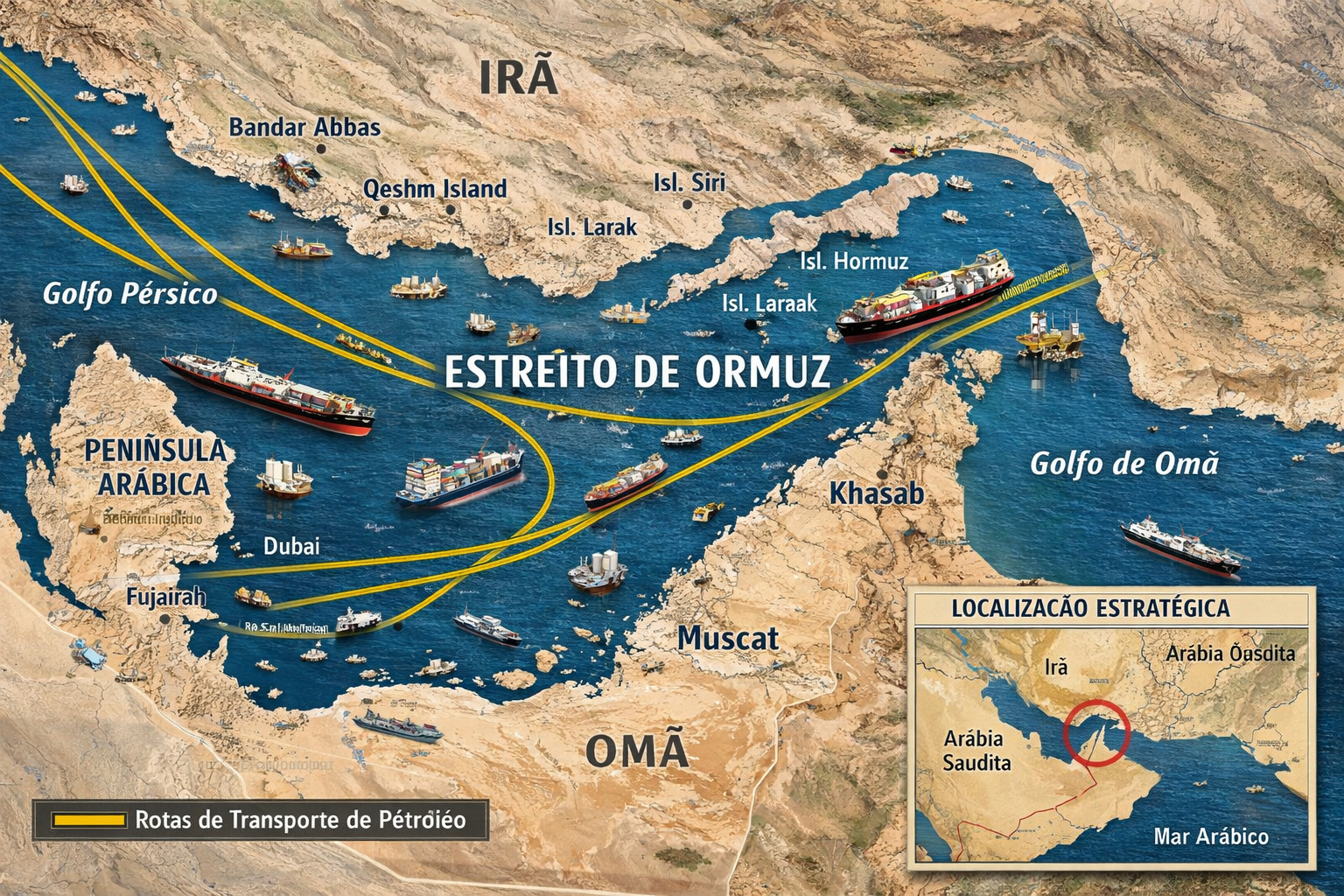
Global summit with over 40 countries pressures Iran for a blockade in the Strait of Hormuz and warns of direct impact on oil, food, and the global economy.
-
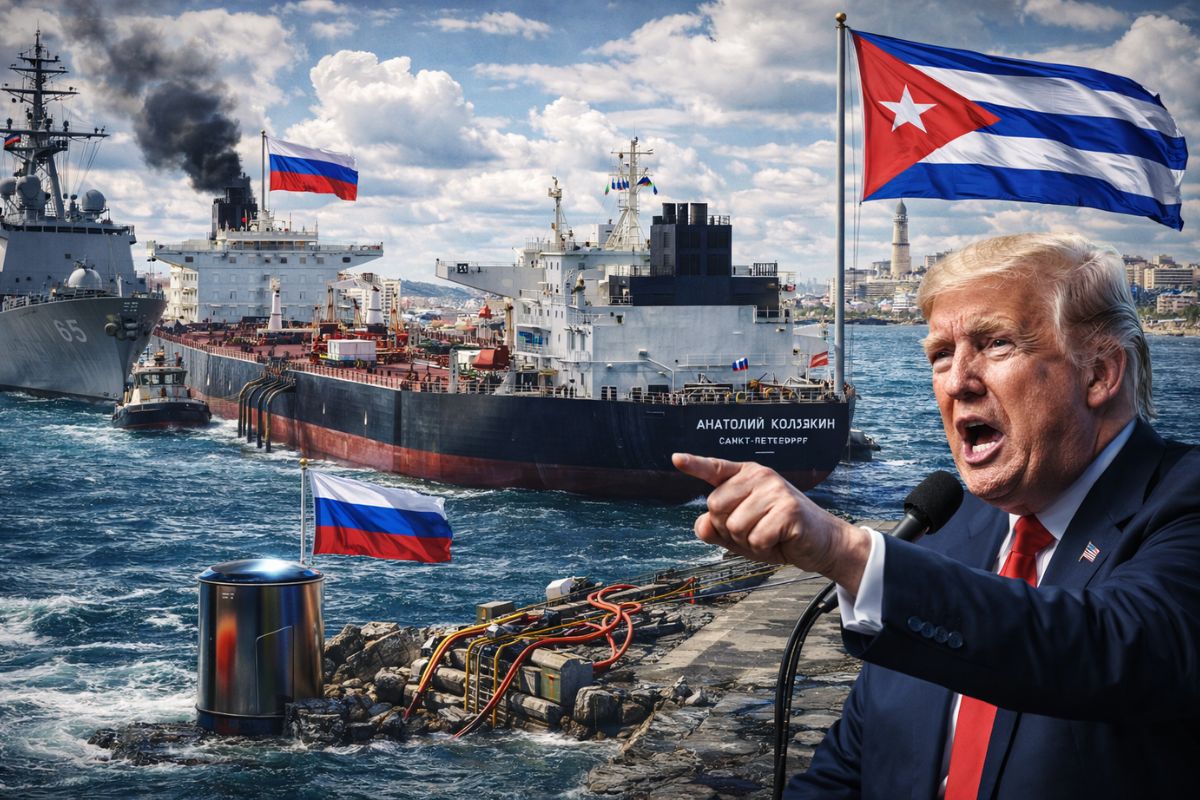
Russia has broken the U.S. maritime blockade to send oil to Cuba and is now loading a second ship while Trump says that “Cuba is next” in a possible military action against the island.
-
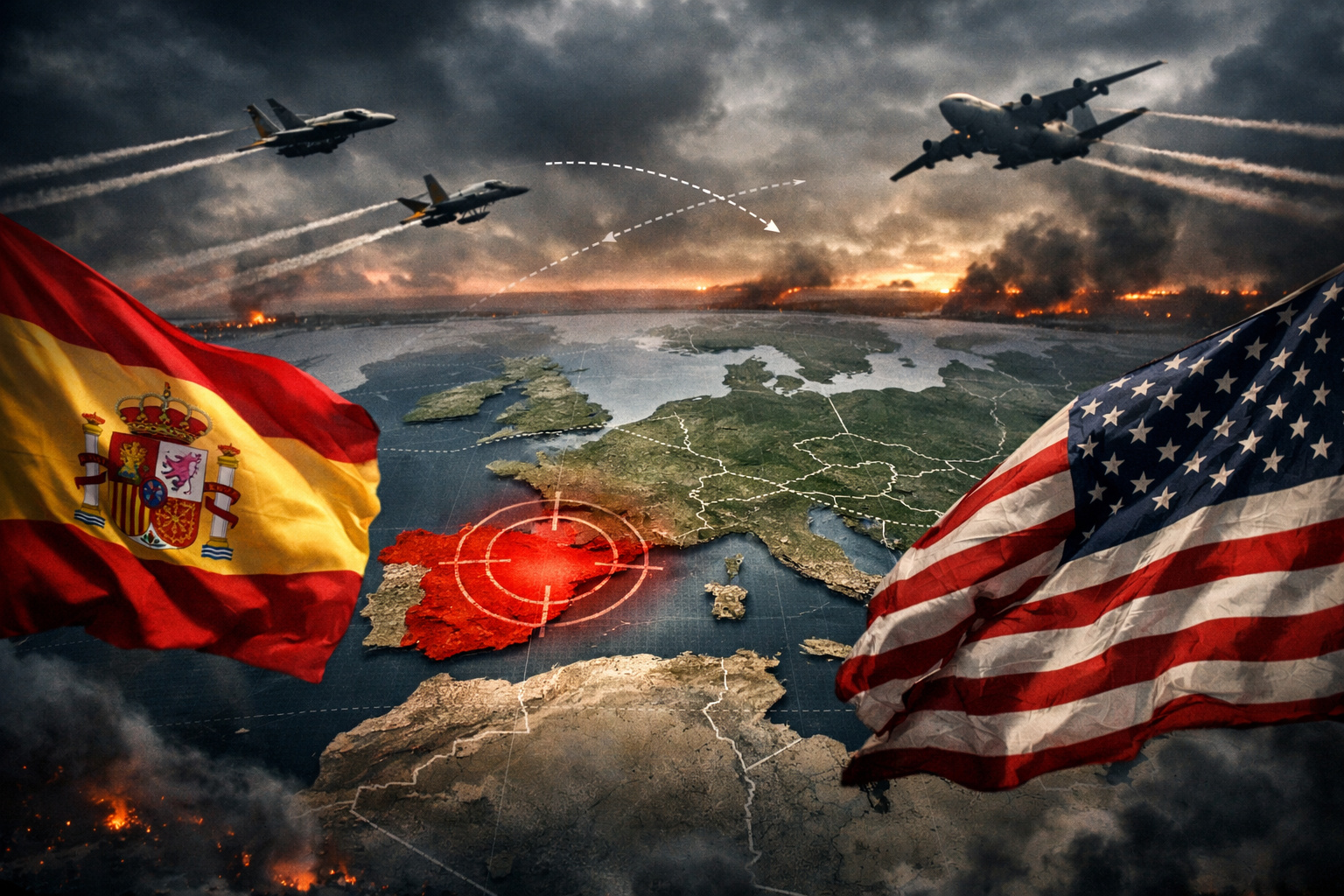
Spain challenges the USA and closes its airspace for operations against Iran, raising global tension and provoking the threat of a trade rupture.

Out of a total of 258 inhabitants, 39 men joined the conflict.
Of these, 12 have died and seven are missing. Thus, almost all families have been directly affected.
“It’s heartbreaking — many of our people have been killed,” declares Natalia, a resident whose name has been changed for safety reasons, in an interview with the BBC World Service.
“My sister’s husband and my cousins are on the front lines. In almost every family, someone is fighting.”
Russian Casualties Reach Record Levels in the War in Ukraine
The drama in Sedanka occurs amid an alarming scenario. A BBC survey, in partnership with the Russian site Mediazona and volunteer researchers, verified 40,201 Russian soldiers killed just in 2025.
The estimate suggests that the number could reach 80,000 by the end of the year, making 2025 the deadliest period since the start of the large-scale invasion on February 24, 2022.
In total, 186,102 Russian military personnel have been identified as dead.
Specialists say that this data may represent between 45% and 65% of the actual total.
Therefore, the number of dead could vary between 286,000 and 413.5 thousand.
Meanwhile, Ukrainian President Volodymyr Zelensky stated to France 2 that, “officially”, 55,000 Ukrainians have died on the battlefield.
According to estimates cross-referenced with the BBC, the total could reach 200,000.
Indigenous Peoples Suffer Disproportionate Impact
Although most Russian casualties involve names of Slavic origin, the numbers reveal a harsher reality for the indigenous peoples of Siberia and the far east.
Sedanka is primarily inhabited by Koryaks and Itelmens. Under existing rules, these groups could be exempt from mobilization, but in practice, many ended up enlisting.
Anti-war activist Maria Vyushkova states that state media reinforces cultural stereotypes. “Many indigenous communities take pride in this heritage as part of their identity. Russia uses this pride to recruit for war,” said Vyushkova.
In absolute numbers, the confirmed deaths include 201 Nenets, 96 Chukchi, 77 Khanty, 30 Koryaks, and seven Inuits.
Among men aged 18 to 60, this represents about 2% of Chukchi and 1.32% of Koryaks.
Regional Inequality Explains Concentration of Russian Casualties
Thus, regional inequality emerges as one of the main factors for understanding why villages like Sedanka send proportionally more men to the War in Ukraine.
Data shows that 67% of the dead are from rural areas or cities with fewer than 100,000 inhabitants, although these regions account for 48% of the Russian population.
In Moscow, the rate is only five deaths for every 10,000 men.
In poorer regions like Buryatia and Tuva, the rate is as much as 33 times higher.
Demographer Alexey Raksha explains that differences in income, education, and opportunities directly influence this disparity.
Another Russian expert reinforces: “For many, the determining factor is not just poverty but the lack of prospects — the feeling that there is nothing to lose.”
Sedanka Faces Winter Without Active Age Men
Beyond the statistics, everyday reality imposes itself.
Sedanka was already facing structural difficulties before the war.
Thus, most houses lack running water, indoor toilets, or central heating, even with temperatures dropping to -10°C in winter.
“All our men have gone to the special military operation,” a group of women told the regional governor in March 2024.
“There is no one to chop wood for the winter and heat our stoves,” they added.
Without labor, basic tasks have become a challenge. One in five houses, built during the Soviet era, has been deemed unsafe.
Thus, the only school is in a state of emergency, with structural risks.
Monuments and Unfulfilled Promises
In the fall of 2024, a monument to the “participants of the special military operation” was inaugurated.
The regional government also promised to grant the title of “military valor village” and create an assistance program for families.
However, much of these promises have yet to be fulfilled.
Thus, only four houses had their roofs repaired, and this happened after media attention.
Meanwhile, funerals like that of Vladimir Akeev, a hunter and fisherman who died four months after signing a contract with the Army, have become routine.
War in Ukraine Leaves Deep Marks Beyond the Battlefield
The case of Sedanka shows that the effects of the War in Ukraine go far beyond the trenches.
They hit isolated villages, amplify regional inequality, and disproportionately impact indigenous peoples.
More than just numbers, Russian casualties represent entire communities that have been weakened.
In Sedanka, the absence of active-age men is not just a statistic — it is a silent transformation in the social structure of a village that was already living on the edge.
See more at: Ukraine War: The Russian Village That Lost Almost All Its Men to Conflict – BBC News Brazil








Seja o primeiro a reagir!