





 Portuguese
  English
  Spanish
  3 min of reading
  0 comments


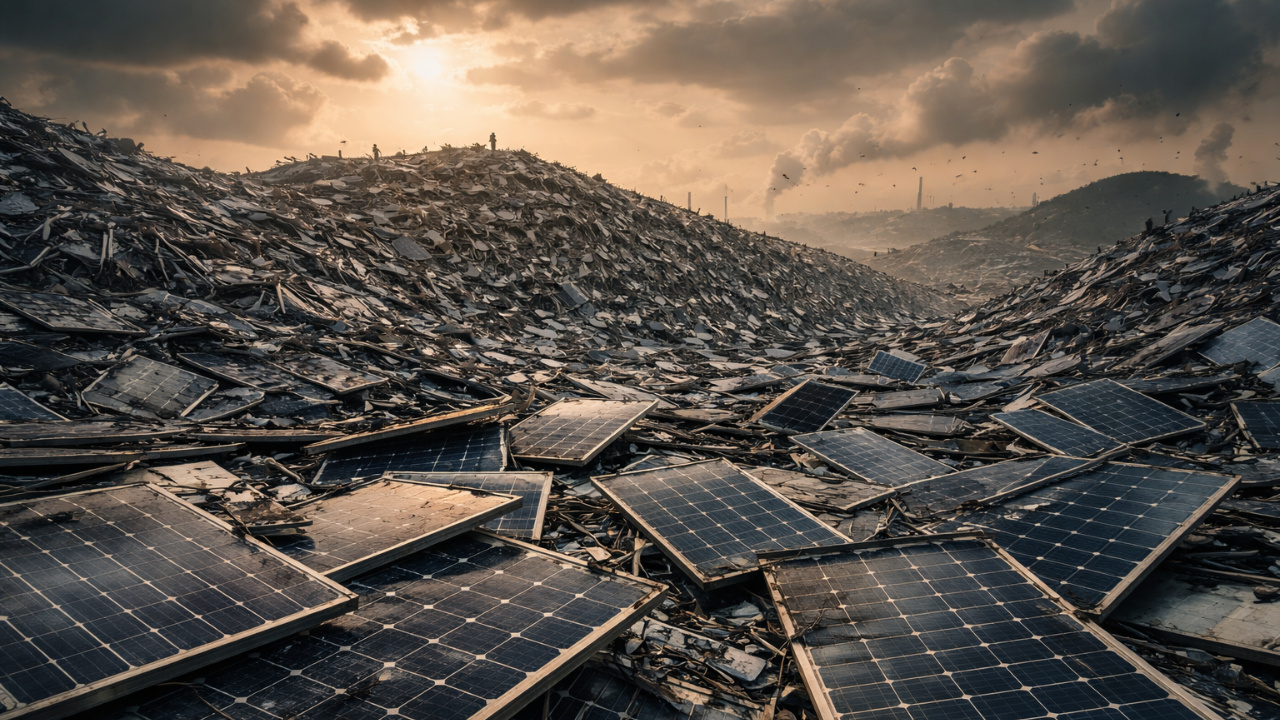
Solar Energy Grows at a Record Pace Worldwide, but Hides a Billion-Dollar Problem: Hard-to-Recycle Panels, Chinese Overproduction, Electricity Waste, and an Environmental Crisis That Could Reach 250 Million Tons of Waste.
Solar energy is experiencing its biggest historic moment. The energy transition is advancing rapidly and transforming the electricity grid of dozens of countries. However, behind the installation records, a silent problem is growing: the accumulation of waste that could become one of the biggest environmental crises of the coming decades.
According to the latest report from the IEA-PVPS, only in 2024, 601 GW of solar power was installed worldwide. As a result, the total accumulated reached 2.2 terawatts. At the same time, experts warn that this expansion could generate up to 250 million tons of solar waste by 2050, equivalent to about 10% of all electronic waste on the planet.
A “Sandwich” Almost Impossible to Recycle
Solar panels are designed to last up to 30 years. To achieve this, they receive layers of glass, silicon, and polymers sealed with extremely strong adhesives. This “industrial sandwich,” as described by researcher Rabia Charef, ensures durability against hail, snow, and strong winds.
-
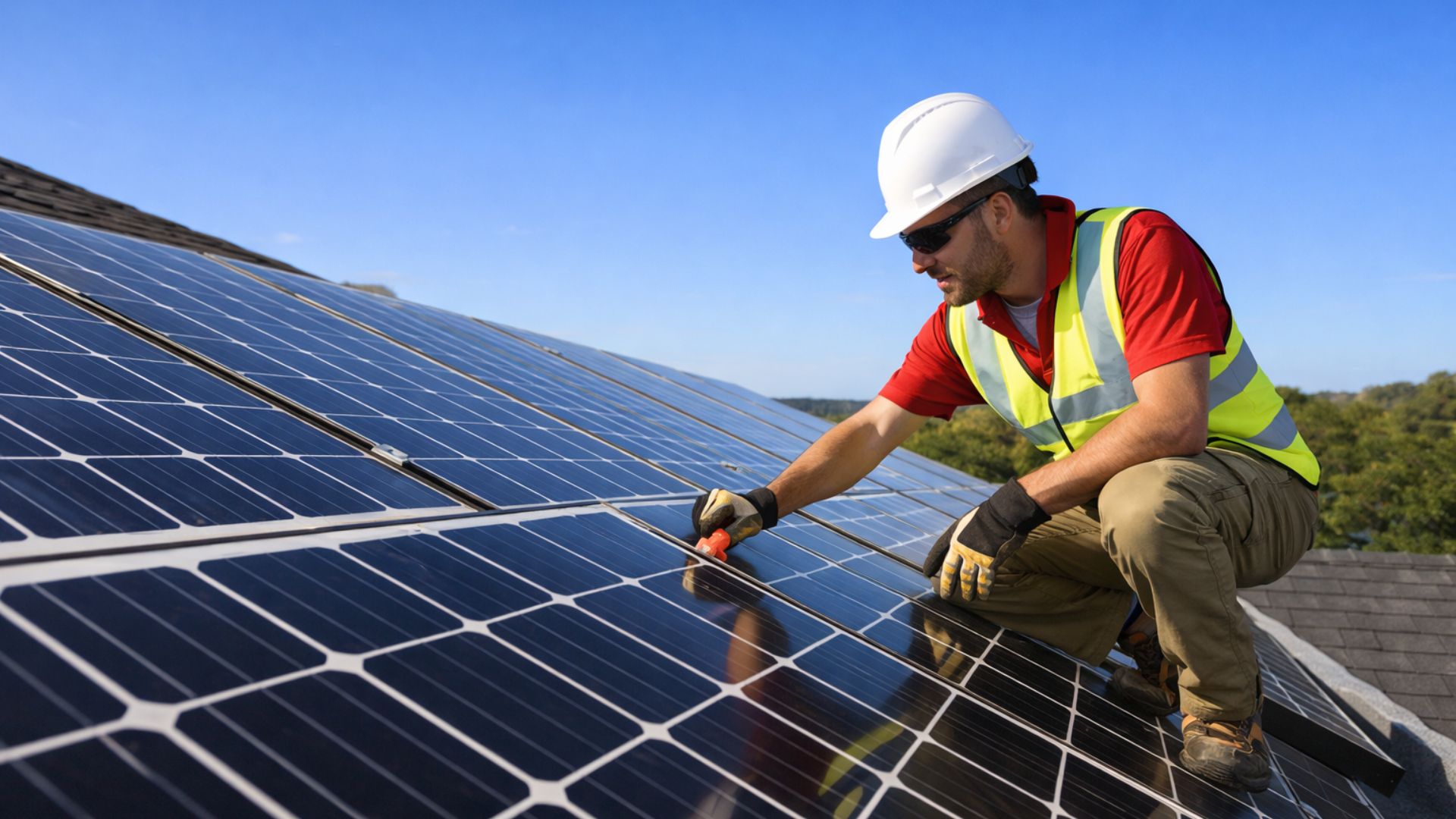
Seagri’s headquarters invests in solar energy with Neoenergia Coelba and promises to cut electricity costs, highlighting a strategic advance in sustainability and energy efficiency within state public administration.
-
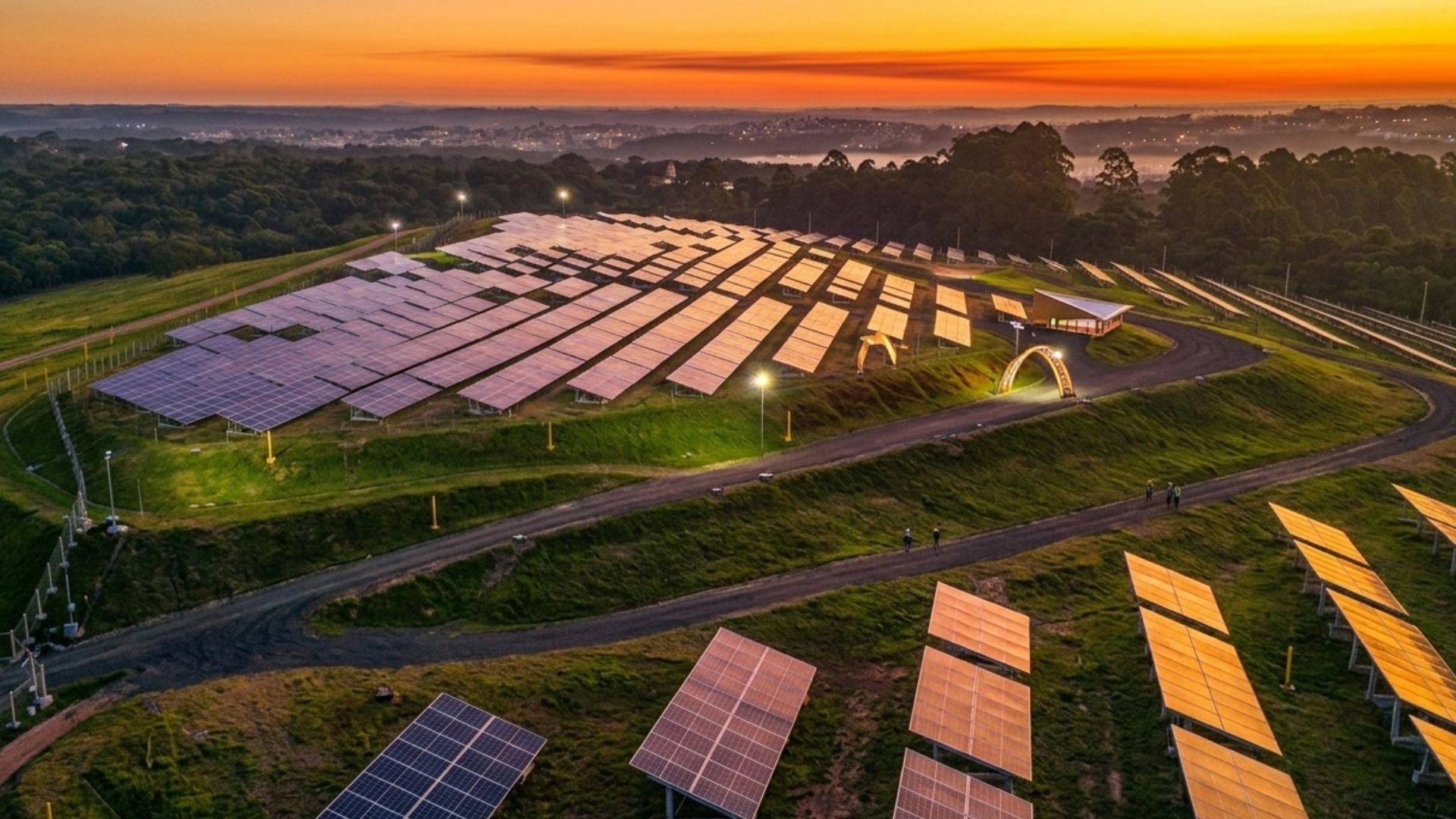
Solar Pyramid draws attention by converting solar energy into million-dollar savings and repositioning the City Hall of Curitiba as an example of innovation, sustainability, and intelligent use of public resources.
-
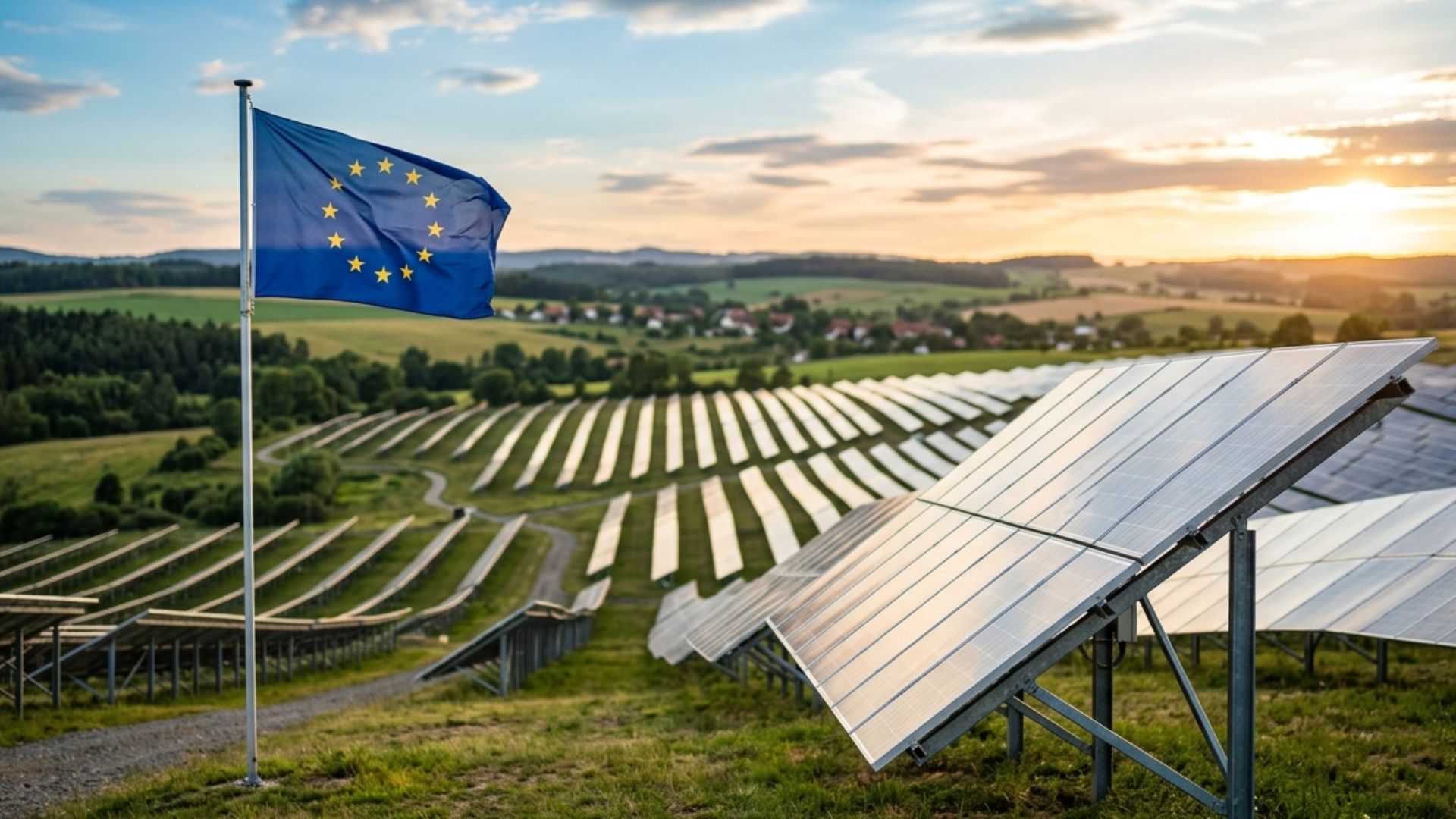
Europe records strong euro economy with solar energy in March and sparks curiosity about which country leads growth that redefines the energy market and reduces costs.
-
Piauí reaches a historic milestone in energy transition: State records nearly 160,000 households powered by solar energy and leads growth in the Northeast.
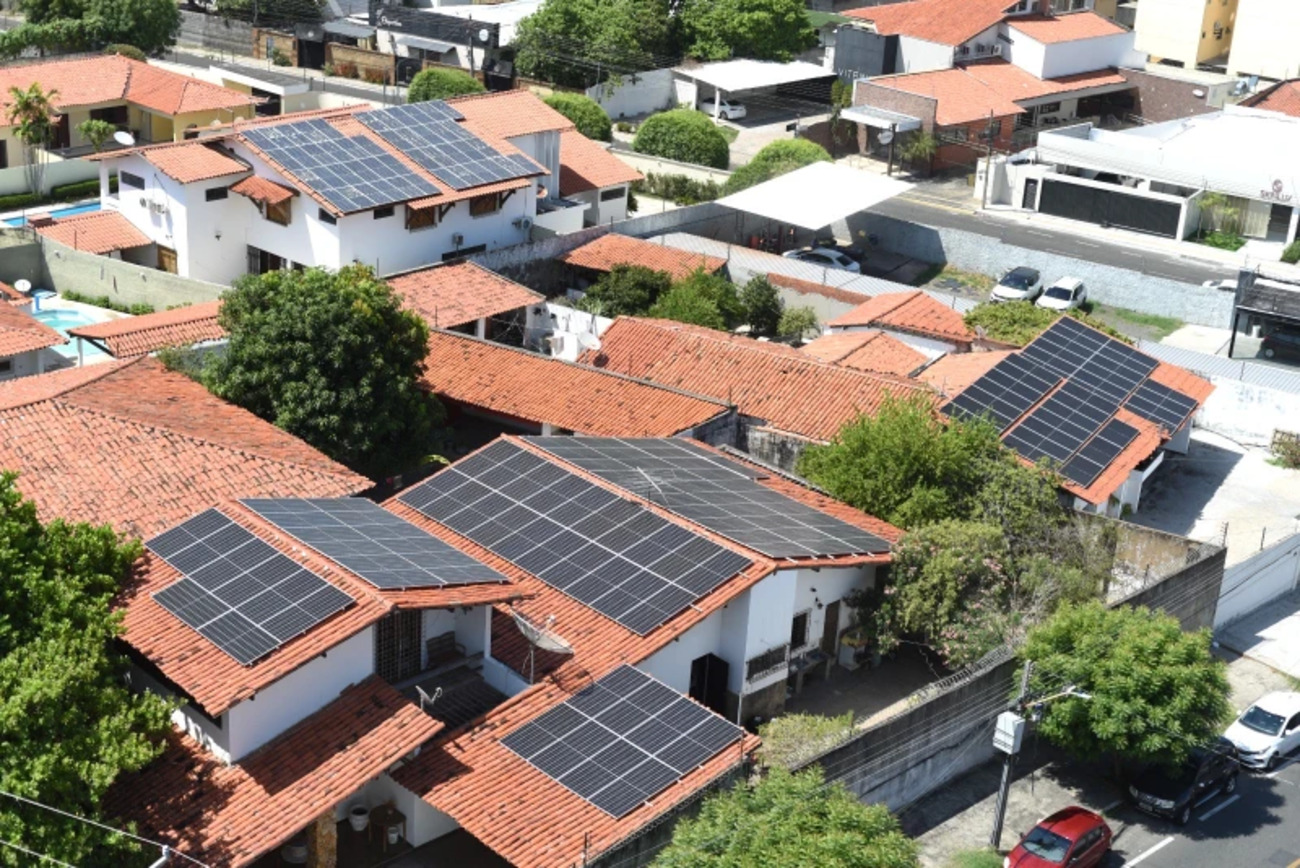

However, this same resistance becomes an obstacle for disposal. The separation of materials is so costly that, in practice, most panels end up in landfills. In other words, the more solar energy grows, the larger the mountain of hard-to-treat waste becomes.


The problem has been aggravated by the sector’s geopolitics. China dominates about 90% of the global solar cell capacity. In 2024, the country produced 588 GW, double the global demand.
This flood of cheap panels has driven prices down, caused billion-dollar losses, and created a perverse incentive: it’s cheaper to buy a new panel than to repair an old one. Analyst Bo Zhengyuan states that the same “animal spirit” that drove the industry now threatens to suffocate it, filling the world with disposable equipment.
Wasted Energy and Value Collapse
In Spain, the warning is already visible. The country has set records by generating more than 10,500 GWh monthly from sun and wind. However, the infrastructure has not kept pace with the growth.
Today, about 7% of clean energy is wasted due to a lack of storage networks. An executive summed up the failure: “The mistake was not installing panels, but forgetting about the networks”.
As a consequence, the value of solar parks has dropped 30% in just one year, leading to forced sales. If these companies go bankrupt, who will take on the disposal of millions of panels?
Recycling Still Means Losing Wealth
Currently, most plants simply crush the panels. This way, aluminum and low-value glass are recovered. However, what really matters is lost: silver, copper, and pure silicon.
Silver represents only 0.14% of the weight of the panel, but accounts for 40% of its material value. When crushed, it becomes unrecoverable. By 2050, this waste could reach US$ 15 billion.
Despite this, new solutions are beginning to emerge. In Italy, researchers from Camerino University have developed a method that recovers 99% of silver without harsh chemicals.
In China, Trina Solar created the first 100% recycled panel, with an efficiency of 20.7%. In the United States, SolarCycle promises to recover 99% of materials. In Spain, the CERFO project stands out in silicon recovery.
Before recycling, there is revamping. Studies show that renewing specific parts of a plant can prolong its lifespan. In Japan, the startup Girasol Energy restored a system from 1994 to operate for 50 years, using Big Data to detect failures.
Who do you think should be held responsible for the accumulation of waste caused by photovoltaic panels? The manufacturing companies or the consumer who discards them?








-

Uma pessoa reagiu a isso.