





 Portuguese
  English
  Spanish
  3 min of reading
  0 comments


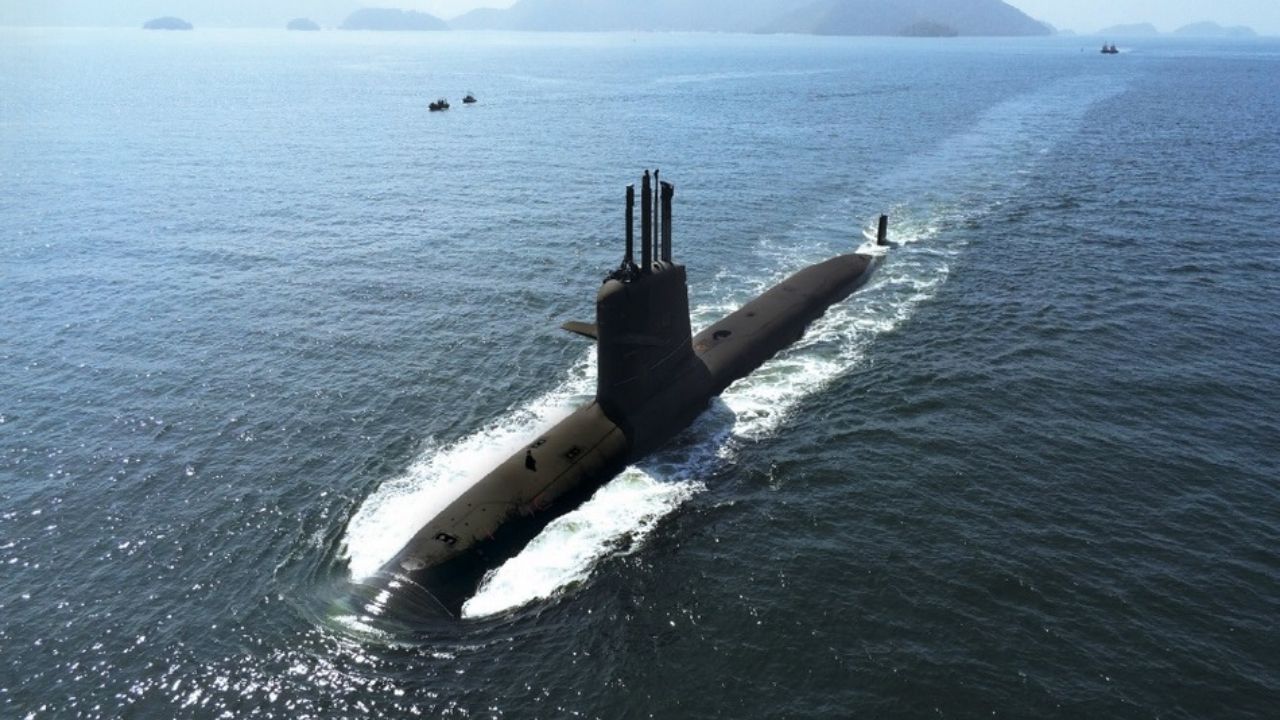
Third Vessel of the Submarine Development Program (PROSUB), the “Tonelero” Advances in Tests to Join the Fleet, Strengthening National Sovereignty at Sea.
The Submarine Development Program (PROSUB) of Brazil has taken another decisive step. The submarine “Tonelero” (S42), a modern vessel measuring 71 meters in length with diesel-electric propulsion, is advancing in its testing phase at sea. With capacity for 35 crew members, the vessel is a key piece in Brazil’s strategy to protect its maritime wealth in the so-called Blue Amazon.
What is the “Tonelero”? Meet the New Brazilian Submarine
The “Tonelero” submarine is the third of four conventional units planned in the PROSUB. With 71.6 meters in length and a displacement of 1,870 tons, it represents a technological leap for the Brazilian Navy.
Its propulsion system is diesel-electric, allowing it to reach speeds exceeding 20 knots (about 37 km/h) when submerged. The crew consists of 35 military personnel.
-
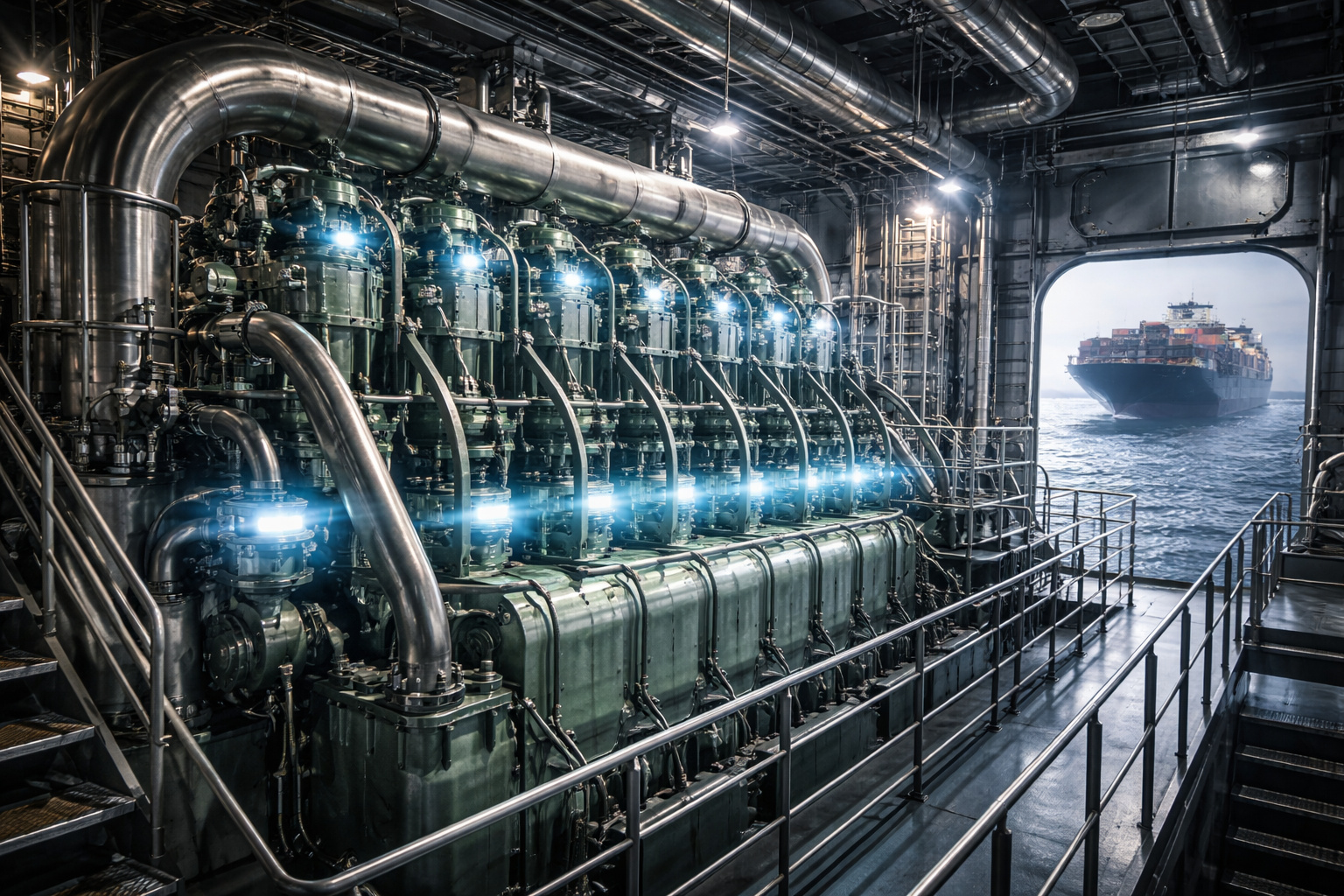
Europe is trying to create an ammonia-powered marine engine without auxiliary fuel, which could unlock the race for giant emission-free ships. The technology aims to eliminate one of the biggest obstacles to clean maritime propulsion.
-
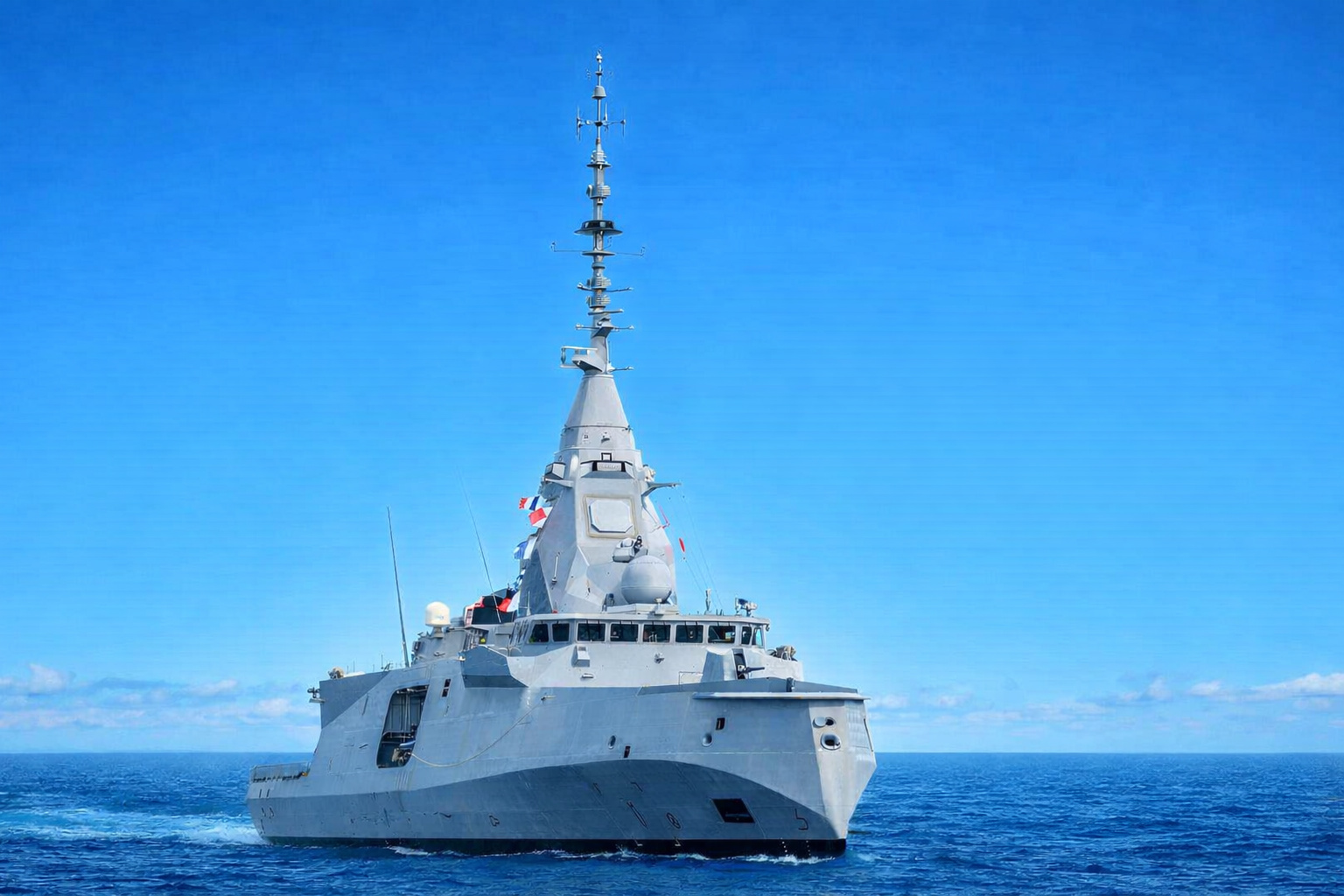
A 4,500-ton frigate with just over 100 crew members, state-of-the-art radar, and cruise missiles is being touted as the new standard of naval warfare in the 21st century.
-
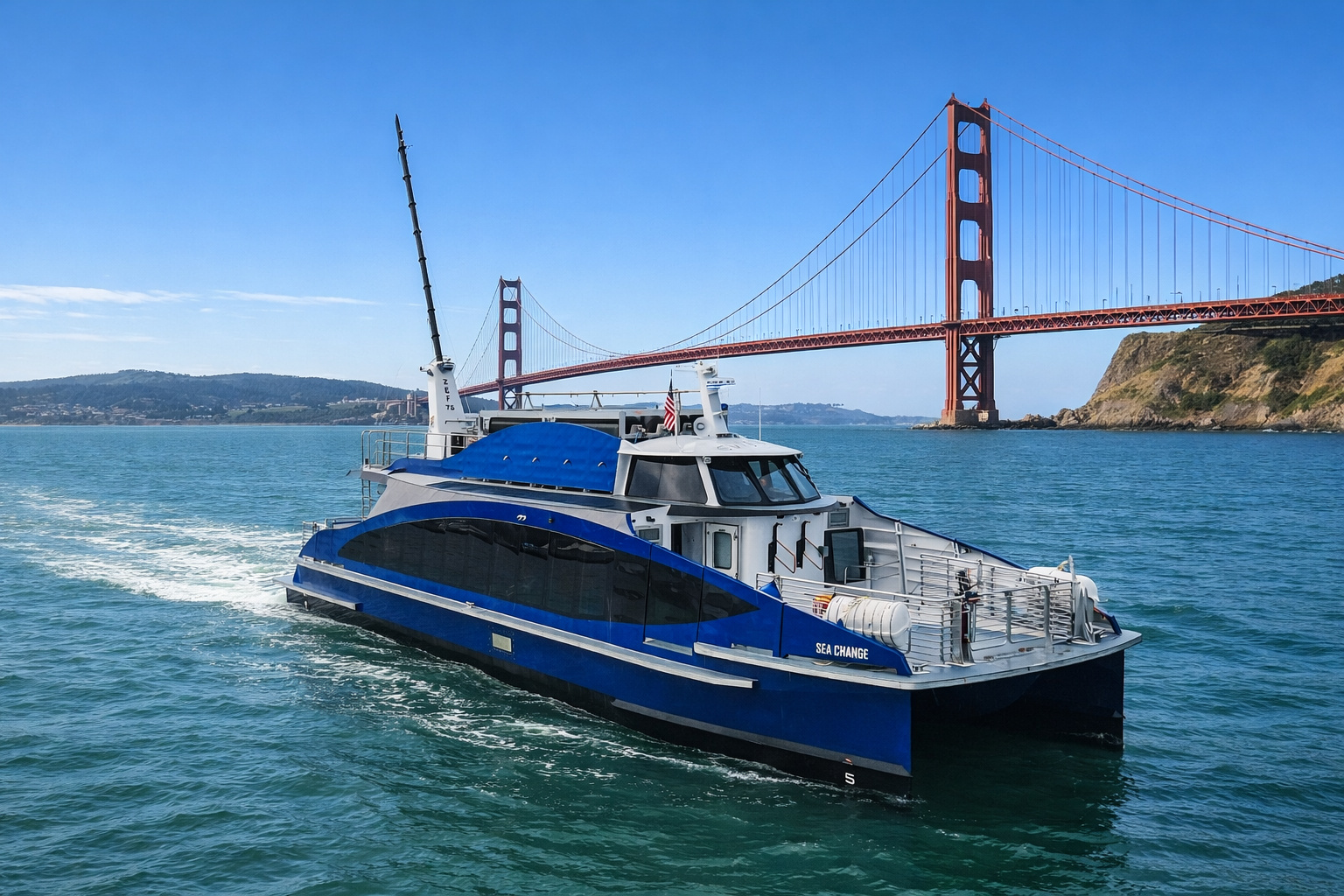
The first commercial hydrogen-powered ferry enters operation in the U.S., eliminates the use of diesel, uses fuel cells to generate clean energy on board, and transforms San Francisco Bay into a landmark of the new era of emission-free navigation.
-
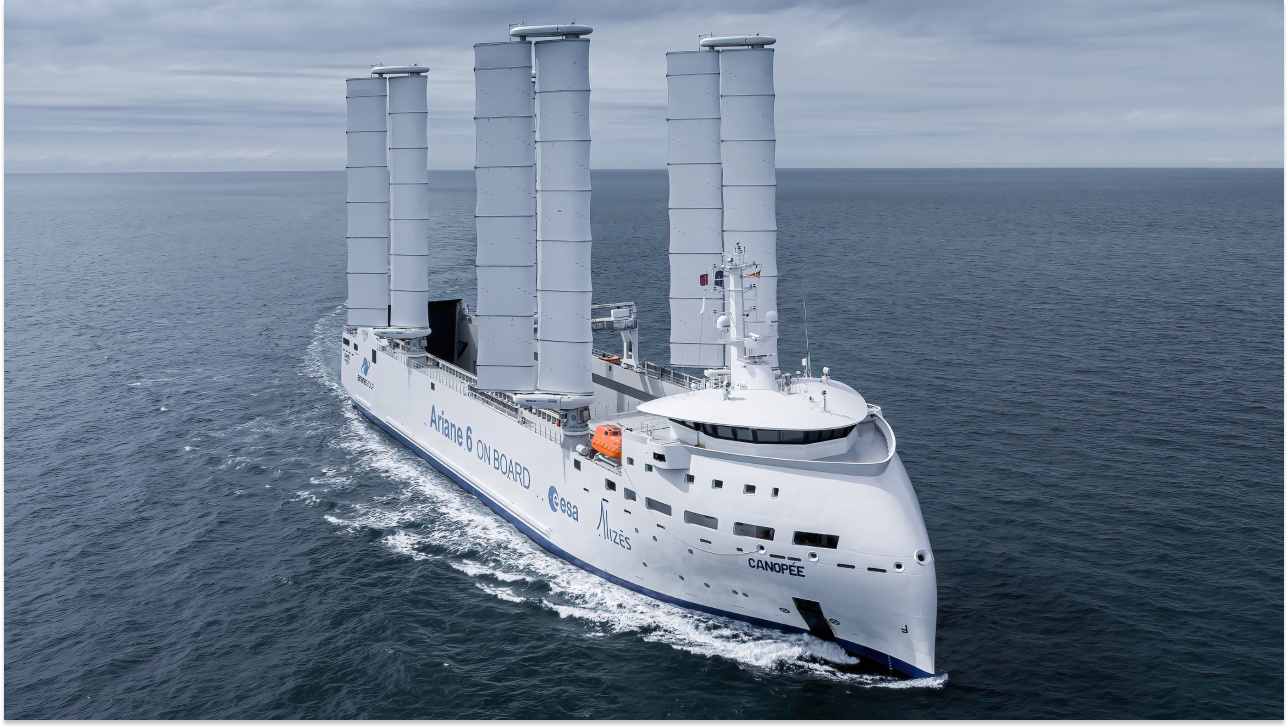
With a length of 121 meters and four rigid sails of 36 meters that automatically rotate to capture the wind, Canopée is the world’s first hybrid industrial cargo ship powered by wind, used to transport rockets and reduce fuel consumption by up to 30% on transoceanic routes.

Launched into the sea in March 2024, the “Tonelero” is currently undergoing a demanding acceptance testing phase. Procedures such as static immersion and surface navigation have already been successfully completed. The expectation is that it will be officially incorporated into the fleet in the second half of 2025.
In terms of armament, the “Tonelero” is a powerful platform. It has six torpedo tubes for launching heavy F21 torpedoes, SM39 Exocet anti-ship missiles, and naval mines. The name honors the Battle of Passo do Tonelero, a historical event of the Imperial Navy. Symbolically, the new submarine also seeks to surpass the memory of an accident involving an older vessel of the same name, asserting a new era of national technological capability.
The Strategic Program Behind the “Tonelero”
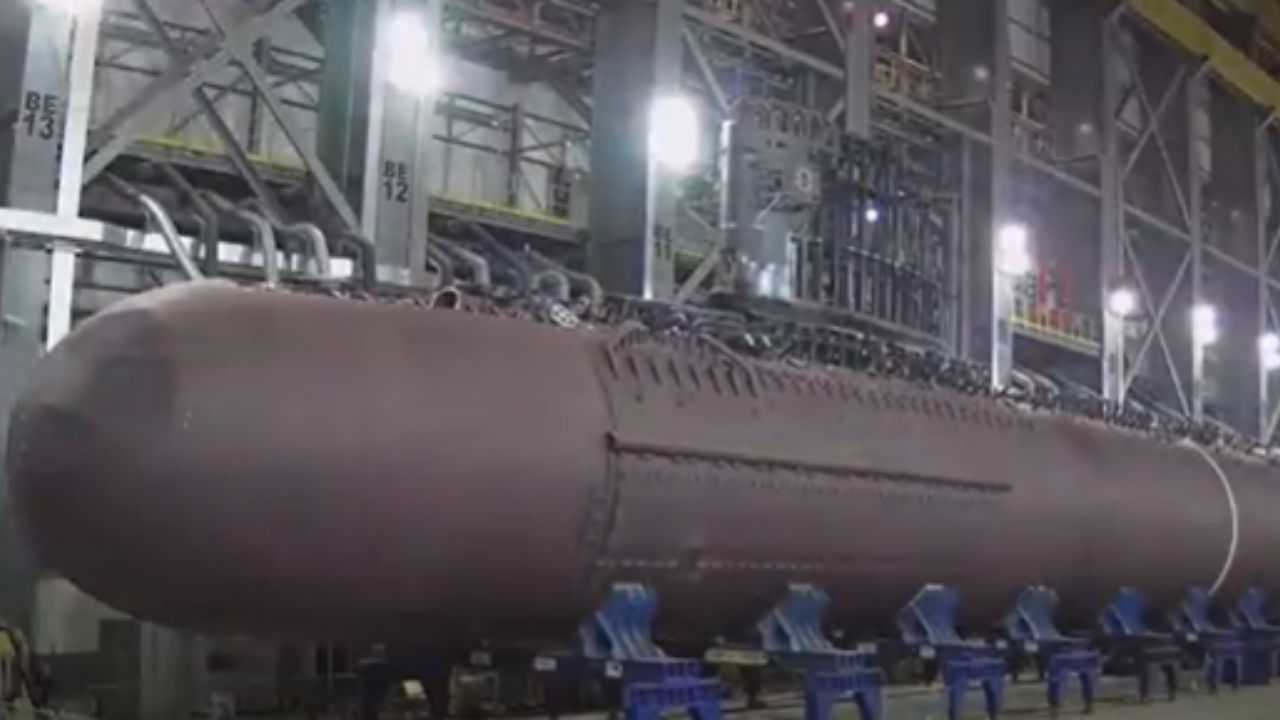
The “Tonelero” is not an isolated project. It is part of the Submarine Development Program (PROSUB), established in 2008 through a strategic partnership with France. The agreement enabled the transfer of technology for the construction of four conventional submarines (Riachuelo class) and support for the project of the first Brazilian submarine with nuclear propulsion.
All construction occurs in cutting-edge infrastructure, the Naval Complex of Itaguaí (CNI), in Rio de Janeiro. This complex was specifically built for the program, ensuring that Brazil not only builds but also operates and maintains its own submarines.
Protecting the Blue Amazon and Its Resources
The main reason for such robust investment is the defense of the “Blue Amazon.” This term designates the immense maritime area under Brazilian jurisdiction, covering about 5.7 million square kilometers.
This region is vital for the country. Approximately 95% of Brazil’s foreign trade passes through its waters. In addition, it harbors vast pre-salt oil reserves, as well as a rich biodiversity and other mineral resources. The submarine is considered the ideal vector for deterrence, as its ability to remain hidden forces any adversary to think twice before threatening Brazilian interests.
The Future of the Submarine Force
The ultimate goal of PROSUB is the construction of the “Álvaro Alberto,” Brazil’s first conventionally armed submarine with nuclear propulsion (SCPN). Nuclear technology offers transformative advantages.
A nuclear submarine has virtually unlimited endurance, capable of remaining submerged for months. It can also maintain high speeds for indefinite periods. Its main advantage is stealth, as it does not need to approach the surface to recharge batteries like conventional models. This capability makes it the ultimate strategic deterrent weapon.
The Impact of Budget on the Timeline
Despite the advancements, PROSUB faces a chronic challenge: budget instability. As a long-term project, it relies on a constant and predictable flow of resources. Budget cuts and Brazil’s economic volatility have already caused delays.
The Navy considers the current level of investment insufficient to meet original deadlines, especially for the completion of the nuclear submarine “Álvaro Alberto”. Therefore, the financial sustainability of the program is the biggest obstacle to the full realization of one of the most ambitious defense initiatives in Brazil’s history.





-

Uma pessoa reagiu a isso.