





 Portuguese
  English
  Spanish
  5 min of reading
  0 comments


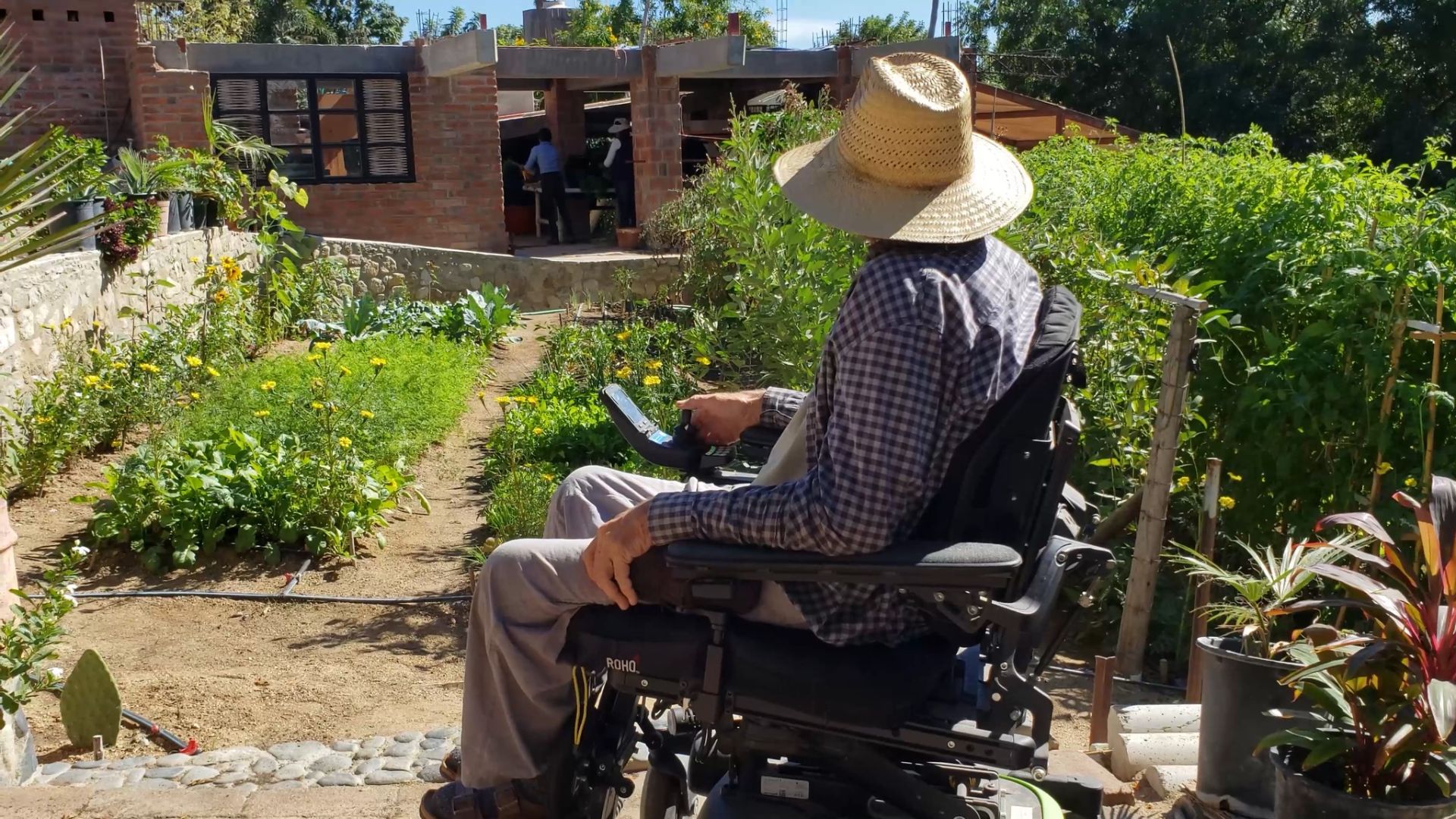
Agricultural Transformation in the Mexican Desert Reveals How Manual Regenerative Techniques Create Fertile Soil, High Productivity, and Diversity Even Under Minimal Rainfall and Extreme Heat.
In the heart of the Baja California desert in Mexico, a loose sandy terrain with almost no rainfall has been transformed into agricultural land capable of sustaining about 60 organic crops on just one hectare.
Leading the project is farmer John Graham, who has been in a wheelchair for over 20 years and manages production using manual techniques, deep digging, mixing compost with charcoal, and pest control without pesticides, in a region where annual rainfall does not exceed 10 to 15 centimeters and temperatures easily surpass 40 °C.
Regenerative Agriculture in Extreme Climate
The accident that left Graham in a wheelchair occurred about 25 years ago, but it did not take him away from agricultural activity.
-
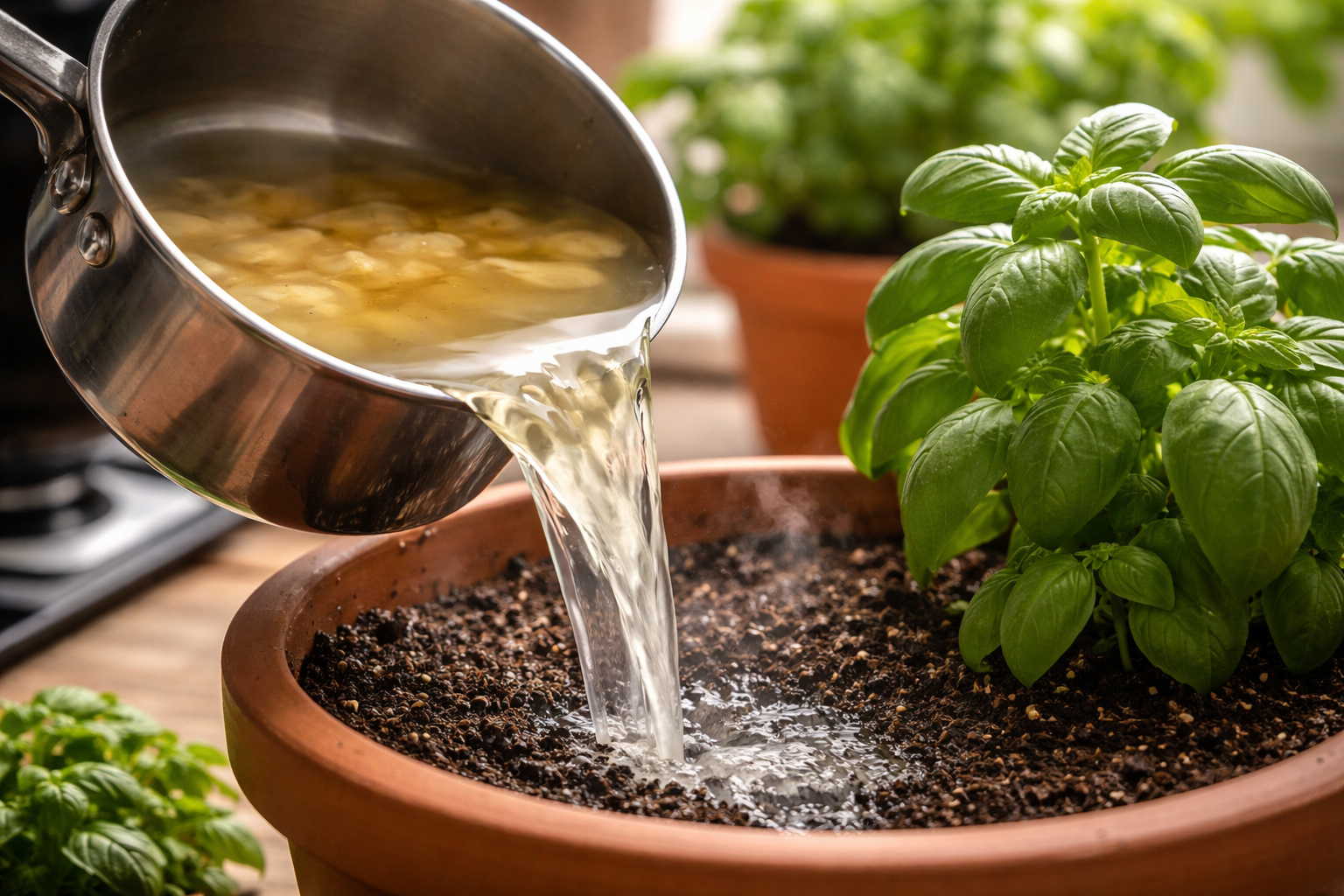
The water that almost everyone throws away after cooking potatoes carries nutrients released during the preparation and can be reused to help in the development of plants when used correctly at the base of gardens and pots, at no additional cost and without changing the routine.
-
The sea water temperature rose from 28 to 34 degrees in Santa Catarina and killed up to 90% of the oysters: producers who planted over 1 million seeds lost practically everything and say that if it happens again, production is doomed to end.

-
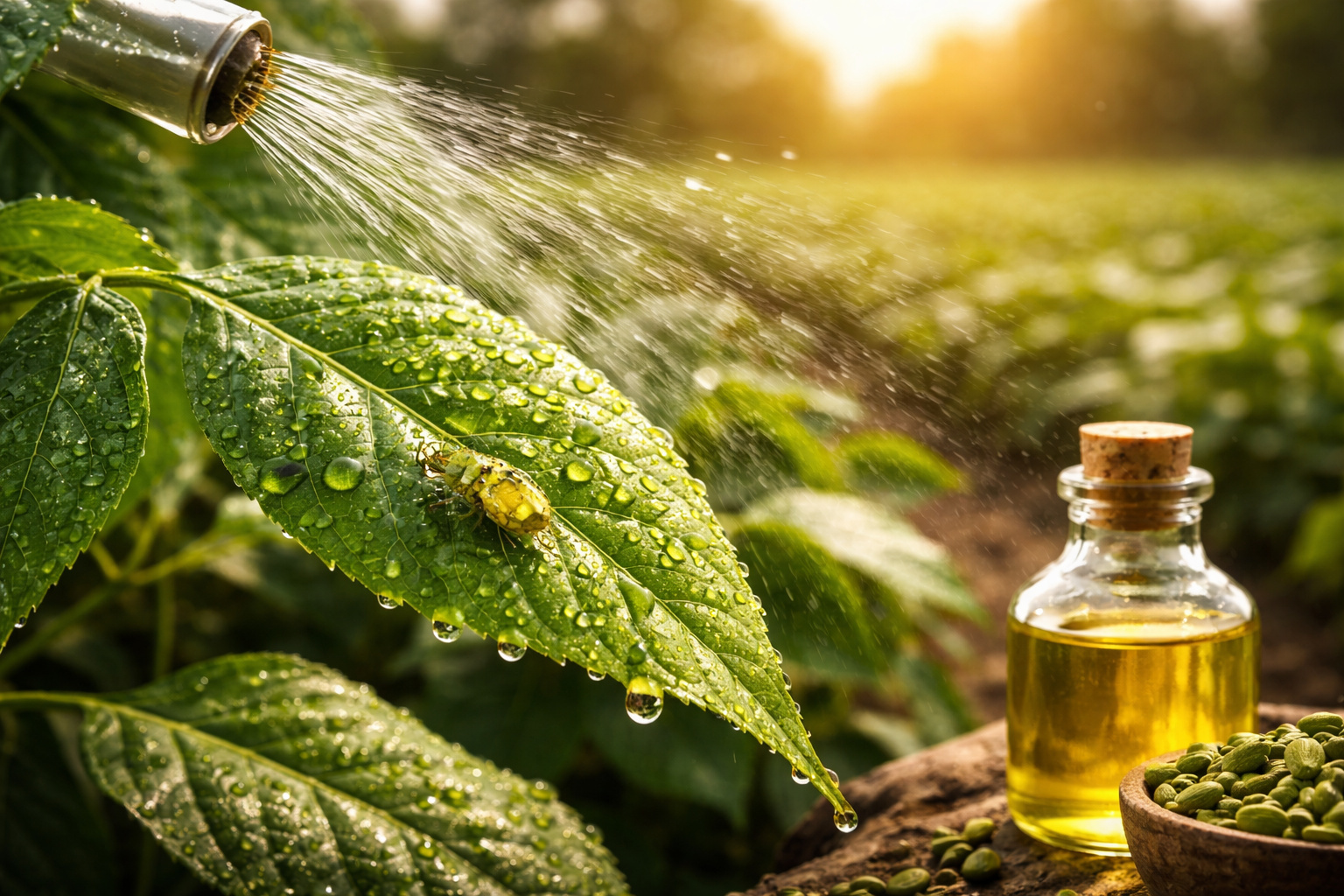
An Indian tree that grows in the Brazilian Northeast produces an oil capable of acting against more than 200 species of pests and interrupting the insect cycle, gaining ground as a natural alternative in soybean, cotton, and vegetable crops.
-
The rise in oil prices in the Middle East is already affecting Brazilian sugar: mills in the Central-South are seeing their margins shrink just as ethanol gains strength.


Instead of abandoning the property, he reorganized the productive area with ramps and adapted access, allowing him to closely monitor planting, irrigation, and management, even in a challenging environment.
The farm is located in a desert area of Baja California, known for its low annual rainfall and high temperature fluctuations.
In this condition, the sandy soil hardly retains water or nutrients, which usually limits cultivation to just a few months of the year.

Despite this, Graham structured an intensive production system on approximately one hectare, maintained by a small team of five gardeners, who work without tractors and without synthetic chemical inputs.
The goal is to keep the soil permanently covered and productive, with staggered plantings throughout the year.
The design of the beds and the choice of varieties prioritize species adapted to heat, intense solar radiation, and limited water availability, always focusing on organic and regenerative agriculture.
Deep Digging and Fertility Increase
The physical basis of the system is called deep layering, known internationally as double digging.
The technique, disseminated in biointensive horticulture methods and associated with the work of horticulturist Alan Chadwick, involves loosening the soil in two layers, reaching about 60 centimeters deep, without inverting the horizons or compacting the removed earth.
In practice, the permanent beds are opened with a hoe and a special fork.
The top layer is removed, the bottom layer is carefully loosened, and then the soil from the next strip is brought in to fill the space, until the entire length of the bed is complete.
Although labor-intensive, the process increases aeration and water infiltration capacity, allowing roots to explore a larger volume of soil than in shallow cultivations.
This deep preparation is essential in coarse sand areas, where water tends to be lost quickly.

By creating a more structured profile, plants can withstand longer periods between irrigations, reducing stress in an environment of annual rainfall around 15 centimeters, as occurs in Graham’s region.
In the beds, which can reach about 50 meters in length, the farmer combines up to 20 different species in the same space.
This diversity of leaf, root, flower, and fruit crops helps occupy distinct niches, shade the soil, hinder pest establishment, and balance the local microbiology, as well as generate staggered harvests for markets and restaurants.
Biochar and Long-Term Soil Building
To build long-term fertility in a naturally poor environment, Graham relies on continuous composting and the use of a mixture inspired by the so-called terra preta de índio, dark and highly fertile soil found in areas of the Amazon.
These Amazonian soils are known for their high organic matter content and the presence of fragmented charcoal, which ensures good water and nutrient retention.
On the farm in Baja California, organic waste from the production, ashes, and ground charcoal are combined and inoculated with microorganisms, forming a stable compost.
Biochar, a form of agricultural charcoal obtained by controlled pyrolysis of biomass, acts like a porous sponge in the soil.

It retains water, adsorbs nutrients, and provides shelter for microbial communities that participate in organic matter cycling.
The mixture is gradually incorporated into the beds over the years.
The idea is that fertility does not depend solely on spot fertilizations but accumulates in the form of a darker, stable, and resilient soil, capable of maintaining productivity even with limited irrigation and extreme temperatures.
Pest Management Without the Use of Poisons
In pest management, the project adopted from the beginning a completely synthetic pesticide-free control, combining various biological and mechanical strategies.
When necessary, preparations based on flower pyrethrum, a substance obtained from flowers that acts against certain insects, but with less environmental persistence, are used.
Another resource is neem oil, extracted from trees widely used in agroecological systems, which acts as a repellent and can interfere with the development cycle of some insects.
The management also includes agricultural soap to remove surface pests, such as aphids, from leaves and buds.
In parallel, the property works with species that function as “trap plants,” using yellow flowers to attract insects away from the main crops.
Aromatic herbs, such as basil, help confuse insects that are searching for commercial crops.

In localized spots, the team resorts to manual removal of contaminated leaves or individuals.
By combining these methods, the farm reduces the risk of resistance and maintains a diverse agricultural ecosystem.
Impact on Production and the Local Economy
After about two decades of refining the system, the project in Baja California began supplying a local organic market and restaurants in the region with approximately 80 seasonal varieties.
Production is organized with weekly plantings and use of drip irrigation, which directs water directly to the root zone and reduces losses due to evaporation.
The planning aims to ensure a constant supply of vegetables, herbs, and edible flowers on a small scale but with high intensity of land use.
Since the entire area is managed manually, the impact of compaction is lower, which helps preserve the structure created by deep digging and the accumulation of organic matter.
Graham also questions the idea of “cheap food”, reminding that the final price often does not reflect environmental damage associated with soil degradation and intensive chemical use.
The farmer is now participating in a cooperative project focused on local marketing and encouraging other producers to adopt regenerative agriculture practices in areas with low water availability.
The experience shows that well-managed agricultural systems can thrive even where annual rainfall does not exceed 15 centimeters.
In a scenario of more frequent droughts and high temperatures, cases like Baja California raise an essential question: how many other arid lands could be regenerated from accessible techniques and traditional knowledge?








-

-

-

-

11 pessoas reagiram a isso.