





 Portuguese
  English
  Spanish
  4 min of reading
  2 comments


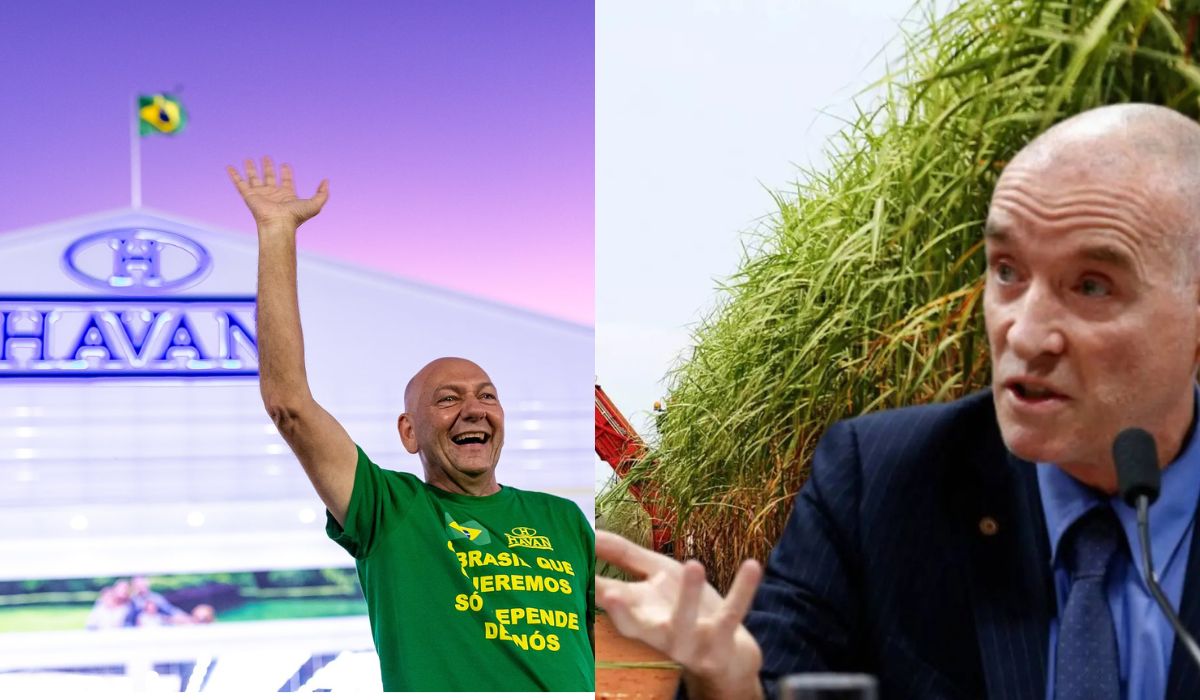


Accelerated Expansion in Retail and Bet on Bioeconomy Place Two Businessmen at the Center of Economic News, with Distinct Strategies for Growth and Repositioning in the Brazilian Market in the Coming Years.
Luciano Hang plans to accelerate Havan’s expansion and aims to inaugurate 15 new units throughout 2026, within an announced investment of R$ 1.25 billion.
In parallel, Eike Batista is trying to reposition his name in the business environment after the collapse of the old conglomerate he led and is betting on new businesses linked to sugarcane, focusing on biofuels and renewable materials.
The movements are going in distinct directions.
-
Brazil accelerates hydrogen and biofuel projects to consolidate the fuel of the future and reduce dependence on oil by 2026.
-
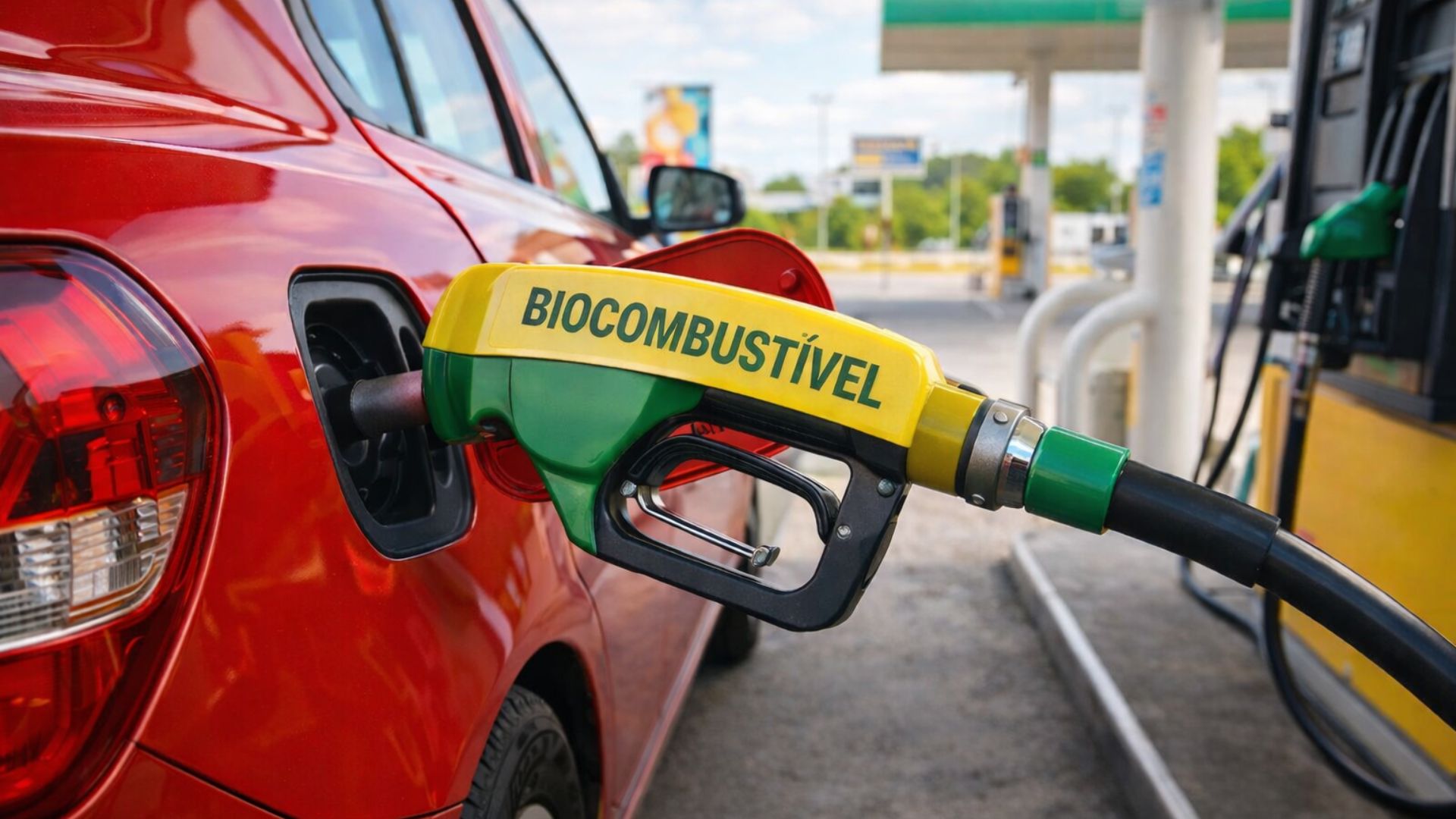
CNPE strengthens policy and prevents imported biodiesel from being mixed with diesel, aiming to strengthen the Brazilian industry and protect jobs by reducing external dependence amid tensions in the global market.
-
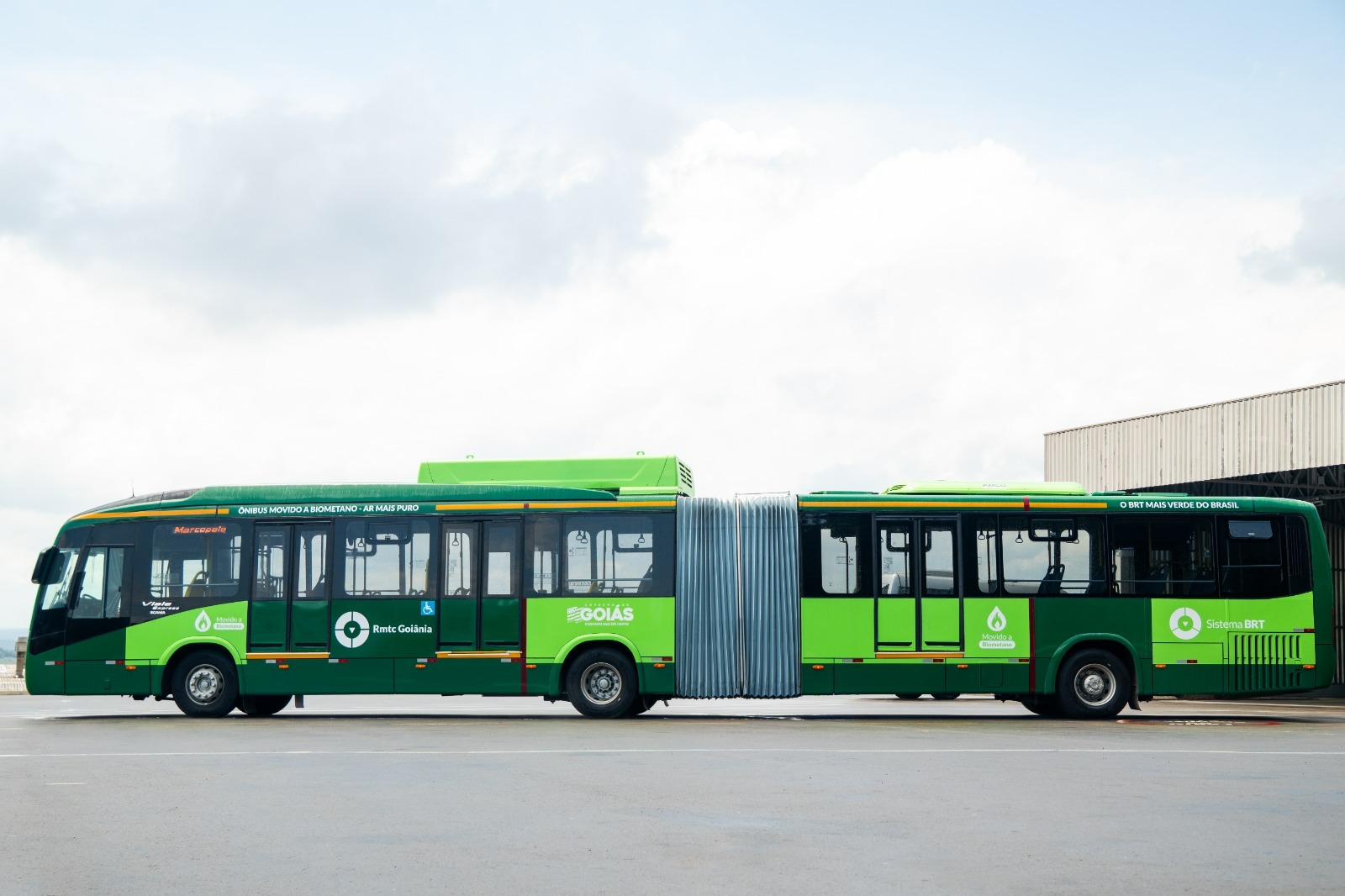
Revolution in public transport: Goiânia puts into circulation the first articulated buses powered by biomethane in Brazil and promises to drastically reduce pollution on the Anhanguera Corridor.
-
From the field to the pipelines: Mato Grosso do Sul accelerates the energy transition and consolidates a new axis in renewable energy with the arrival of a giant biogas plant.
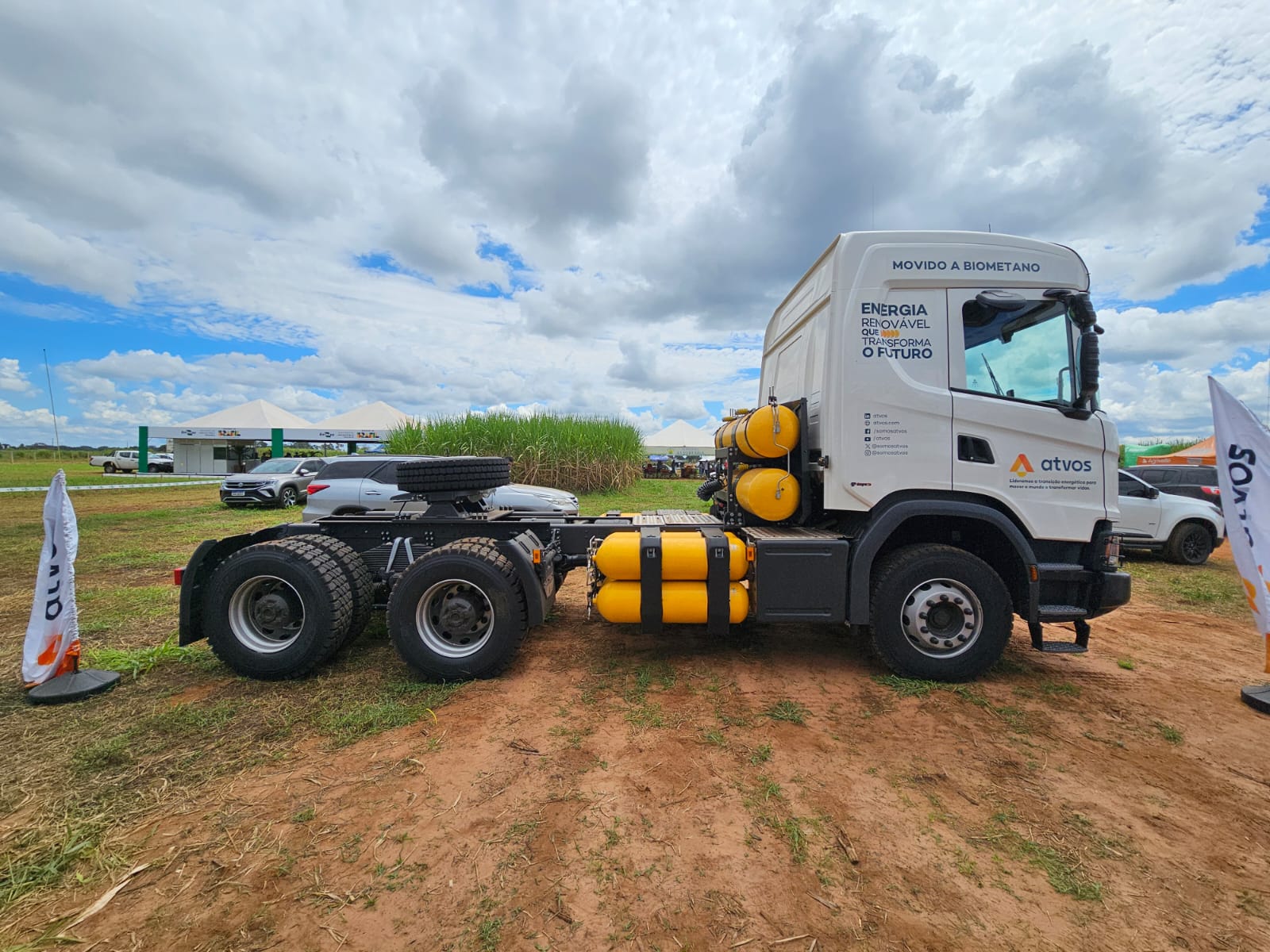

On one side, physical retail is expanding its territorial presence and reinforcing a model already consolidated in the country.
On the other side, Eike is directing his plans toward sectors associated with energy transition and bioeconomy, areas that are being stimulated by global demands for emission reductions and alternatives to the use of fossil fuels.
The entrepreneur’s strategy involves developing the so-called “supercane”, a variety of sugarcane described as more productive and capable of generating a higher volume of biomass.
The proposal, according to information released by Eike himself in interviews, is to use this raw material for both ethanol production and industrial applications.
Expansion of Havan and Investment Plan for 2026
In the case of Havan, the projection to open 15 stores in 2026 is associated with the company’s long-term planning, which celebrates 40 years of activity during the same period.
Founded in 1986 in Brusque, Santa Catarina, the network has expanded its presence in different regions of the country in recent years.
Throughout 2025, the company has already initiated a new cycle of inaugurations, maintaining the strategy of opening large units in medium and large cities.
Recent reports indicate that Havan is approaching the milestone of 200 stores in operation, a number that the company aims to reach precisely in the anniversary year.

The announced investment of R$ 1.25 billion for 2026 will be directed, according to the company, to opening new units and consolidating existing operations.
A significant portion of these resources is expected to be applied in the South Region, especially in Rio Grande do Sul, where the network reports having already made accumulated investments of around R$ 3 billion.
According to data released by the company itself, the expansion plan is linked to the generation of direct and indirect jobs, as well as strengthening the brand in markets considered strategic.
The model adopted follows the standard of large stores, which concentrate sales, services, and promotional actions during inauguration events.
Supercane Project and Focus on Biofuels
Meanwhile, Eike Batista is trying to rebuild his business activities with projects aimed at energy considered to have a lower environmental impact.
The so-called “supercane” is presented as one of the pillars of this new phase, promising greater productivity per hectare compared to traditional varieties.
According to information published by outlets such as CNN Brasil and Reuters, the idea is to direct production mainly towards ethanol and sustainable fuels, in a context where sectors like aviation are looking for alternatives to reduce carbon emissions.
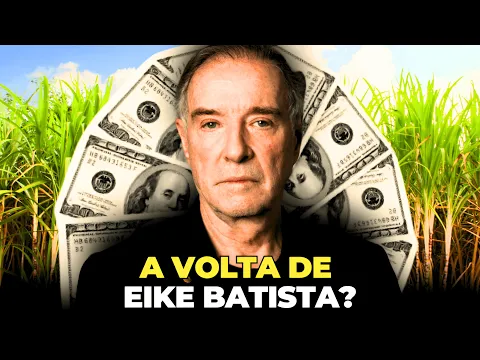

The entrepreneur has also associated the project with raising funds in the financial market.
In recent interviews, Eike stated that he has secured US$ 500 million for the initial development of the business and indicated negotiations with international investors to expand funding.
However, these figures are presented based on statements from the entrepreneur himself and investigations by news agencies.
According to Reuters, part of Eike’s discourse involves attracting capital from funds in the Middle East, as well as resources from Brazilian financial institutions.
The project is still in the structuring phase and depends on technical, environmental, and regulatory validations.
Using Cane Bagasse as an Alternative to Plastic
In addition to energy use, Eike also mentions the possibility of utilizing sugarcane residues, such as bagasse, for producing materials used in everyday life.
Examples cited include cups, straws, and disposable packaging, which could replace products made from petroleum-derived plastic.
This type of application has been discussed in the industrial sector as an alternative to reduce dependence on fossil inputs.
Experts consulted by outlets following the topic point out that initiatives of this kind still face challenges related to cost, scale, and competitiveness compared to conventional materials.
Recent reports indicate that Eike’s plan is to treat this front as complementary to the biofuel business, utilizing byproducts from sugarcane processing to broaden revenue sources.
The businessman has argued that the combination of energy and renewable materials can increase the economic viability of the project.
Distinct Business Strategies in the Brazilian Scenario
The announcements involving Luciano Hang and Eike Batista have gained prominence for exposing distinct business strategies.
In the case of Havan, the information disclosed relies on inauguration schedules, investment amounts, and physical expansion targets of the network.
Meanwhile, Eike is trying to regain space in economic news with projects that engage with technological innovation and sustainability, areas that tend to attract attention but also demand proof of results over time.
Energy sector analysts consulted by international agencies have taken a cautious stance when evaluating similar initiatives, recalling past experiences that did not progress as expected.
Still, the entrepreneur maintains that his new projects have undergone preliminary testing and studies.
According to Reuters, he also has other ongoing initiatives, some of them under the oversight of regulatory bodies, such as the Securities and Exchange Commission.







Se eu tivesse a grana que eles tem, eu já teria metido o pé daqui.
Os risotes que iriam ser construídos em Cabo Frio, praia das dunas, que foram iniciadas e não acabados. Hoje poderia estar dando muitos lucros e desenvolvendo os bairros próximos e comércio local. Aguardaremos deste grande empresário Eike Batista.