





 Portuguese
  English
  Spanish
  4 min of reading
  0 comments


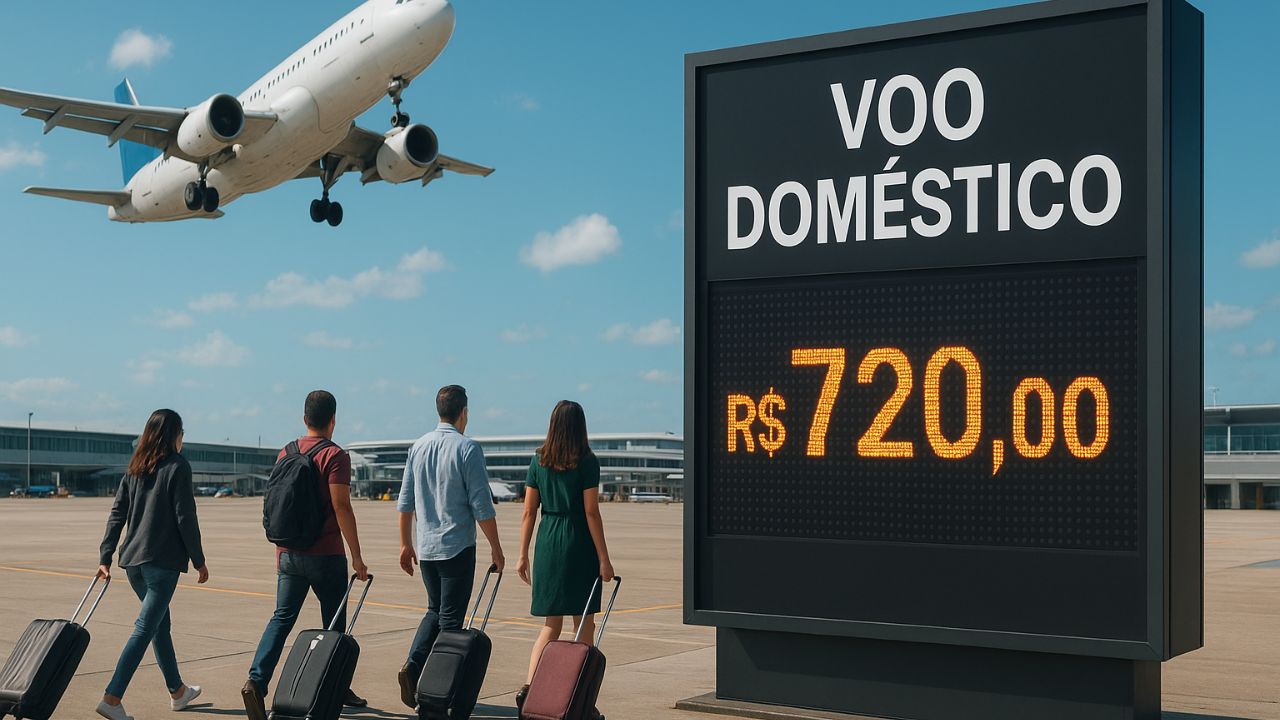
Domestic Flights in Brazil Lead the Price Ranking in Latin America. Find Out Why Flying in the Country Is More Expensive.
The domestic flights in Brazil continue to lead the ranking of the highest fares in Latin America, according to recent studies.
The survey, released by the tourism intelligence platform Mabrian, indicates that the average price of a ticket in the country reaches US$ 135 (about R$ 722), almost double the amount recorded in Peru.
The absence of low-cost airlines, high structural costs, and market concentration among a few companies explain part of this scenario, which affects millions of passengers.
-
Chaos On Airplane Could Be Expensive: Proposal Aims To Prevent Disruptive Passengers From Flying For Up To 1 Year In Brazil And Face Fines Of Up To R$17,500

-
Man Arrested After Halting Takeoff of Fire Department Helicopter During Child Rescue in Guaratuba

-
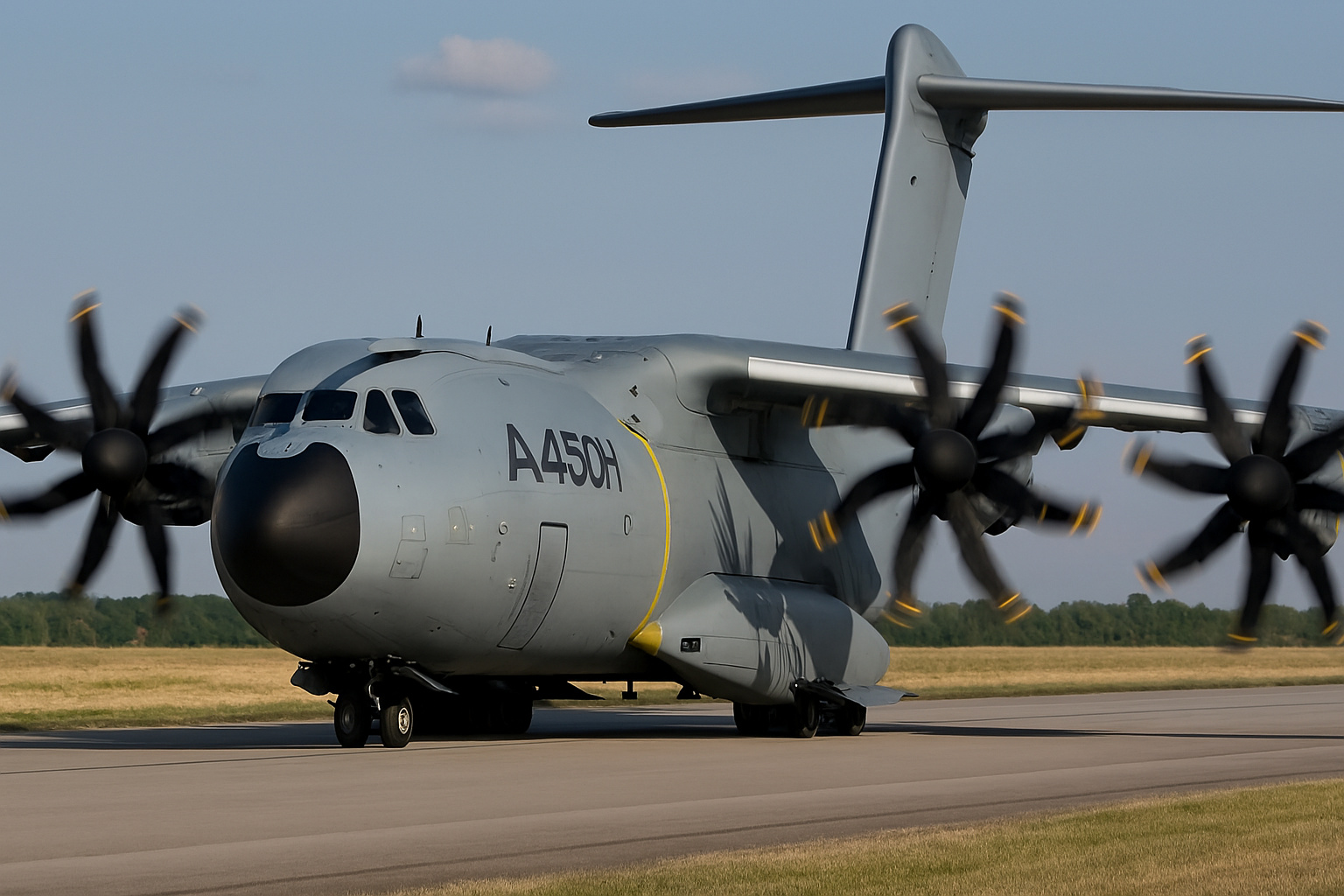
With 37 Tons of Cargo, Over 8,000 km Range, and Ability to Land on Unpaved Runways, the Airbus A400M Demonstrates How Europe Created a Military Giant That Transports Armored Vehicles, Aerially Refuels Fighters, and Operates in Conflict Zones and Humanitarian Missions Worldwide
-
Emergency Landing in Campos Amarais After Bird Strike on Small Plane

Brazil Pays More to Fly Within Its Own Country
According to the data, the average cost per mile for domestic flights in Brazil is US$ 0.093 (approximately R$ 0.50).
In neighboring countries such as Colombia and Peru, this value drops to less than half.
The difference is even more evident on comparable routes. A flight from São Paulo to Rio de Janeiro, for example, can cost R$ 740, while longer routes, such as Buenos Aires-Córdoba, are priced at around R$ 251.
The issue gained recent attention during the preparation for the UN Climate Change Conference (COP30) in Belém.
Passengers reported difficulties in finding flights with affordable prices, as long distances and the cost of fuel drive prices even higher.
Absence of Low-Cost Airlines in Brazil
While countries like Chile, Peru, and Colombia have already consolidated the low-cost airline model—companies that offer cheaper tickets but charge for additional services—Brazil remains behind.
According to Emilio Inés Villar, an international tourism expert at The Data Appeal Company, factors such as heavy taxation, limited infrastructure, and economic instability deter new initiatives.
“Attempts to introduce low-cost options have not borne fruit in Brazil,” he stated.
An example was Webjet, which operated with a similar model but ceased operations in 2012 after being purchased by Gol.
Market Concentration and Operational Costs
Currently, only three airlines—Gol, Azul, and Latam—dominate the domestic flight market in Brazil.
Experts believe that this concentration limits competitiveness and contributes to keeping fares high.
Additionally, there are other costs that weigh on the passenger’s wallet. Airport fees, taxes, and the lack of alternative airports in large centers increase price pressure.
Olivier Girard, founding partner of Macroinfra, explains: “In the case of São Paulo, there is no nearby airport that can be cheaper besides Congonhas and Guarulhos. São José dos Campos could be an option, but it lacks adequate infrastructure.”
Challenges of an Extensive Territory
Another factor that makes domestic flights in Brazil more expensive is the continental size of the country. Cities like Belém and Manaus face fares that often exceed R$ 2,000 for round trips, often with long layovers.
Girard also notes that there is a global scarcity of mid-sized aircraft, which directly impacts regions that require long-distance travel.
Airlines end up prioritizing more profitable routes, such as São Paulo-Rio de Janeiro, to the detriment of more distant cities.
Comparison with Other Countries
In the United States and Canada, for example, airlines receive subsidies to operate in isolated regions.
In Argentina, state-owned Aerolíneas Argentinas maintains unprofitable routes as a way to ensure the country’s connectivity.
In Brazil, only about 2% of municipalities have regular flights, a number deemed insufficient to meet national demand.
Lack of Alternative Transportation Pressures Airfares
Another point that increases fares is the absence of high-speed rail transport.
Experts remind us that the Rio-São Paulo route, one of the busiest in the world, does not have a bullet train as an alternative.
According to Adalberto Felibiano, an expert in air transport economics, this increases dependence on airplanes.
“In Europe, the main competitor to the airplane is rail traffic. They are plausible competitors that make prices more balanced,” he highlights.
Despite projects like TAV Brasil coming back into discussion, the country is still far from offering real alternatives.
Attempts at Government Solutions
In 2024, the government launched the Voa Brasil program, which planned to offer tickets for R$ 200 for INSS retirees on low-occupancy flights.
However, participation was low: only 1% of the available tickets were sold.
Experts believe that more structural measures, such as incentives for the arrival of low-cost airlines and investments in infrastructure, are essential to changing the current scenario.









Seja o primeiro a reagir!