





 Portuguese
  English
  Spanish
  5 min of reading
  0 comments


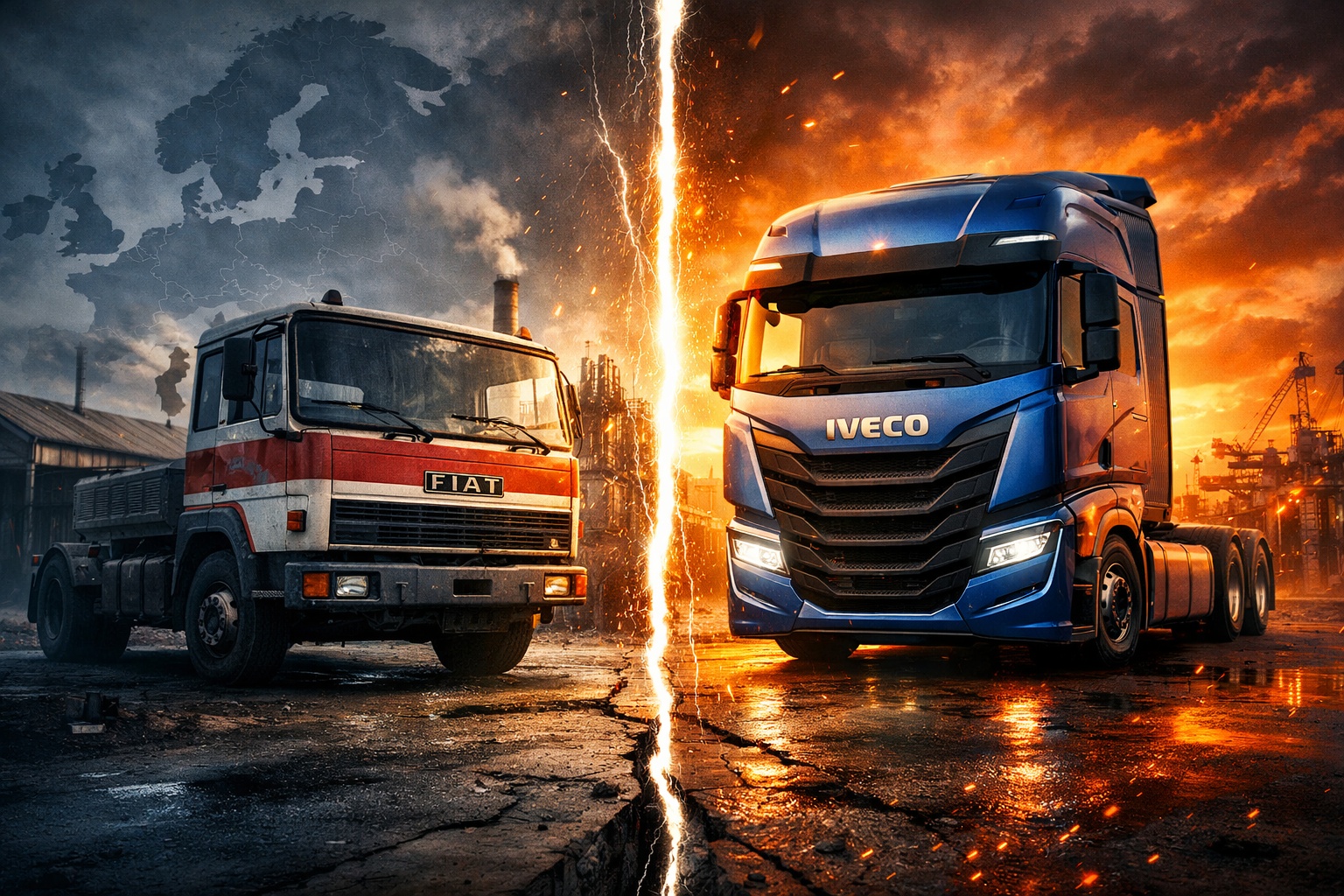
Fiat Produced Trucks and Buses in Brazil, but Fiat Diesel Closed in 1985 After a Crisis, Strikes, and a Drop in Sales; Understand Why Heavy-Duty Vehicles Disappeared and How Iveco Returned to the Market.
For decades, the Fiat brand was synonymous with popular cars in Brazil. Models like 147, Uno, Palio, and Strada established the Italian manufacturer as one of the leaders in the national market. But few remember that Fiat also produced heavy, medium-sized trucks, and even buses in the country. The history of Fiat Diesel in Brazil is marked by industrial ambition, internal conflicts, logistical difficulties, and a controversial closure that left scars in the commercial vehicle sector.
The question that remains is clear: why did Fiat trucks disappear?
The Context of Automotive Industrialization and the Initial Absence of Fiat
In 1956, the federal government created GEIA (Executive Group of the Automotive Industry), with the goal of boosting national vehicle production and attracting international manufacturers to Brazil.
-
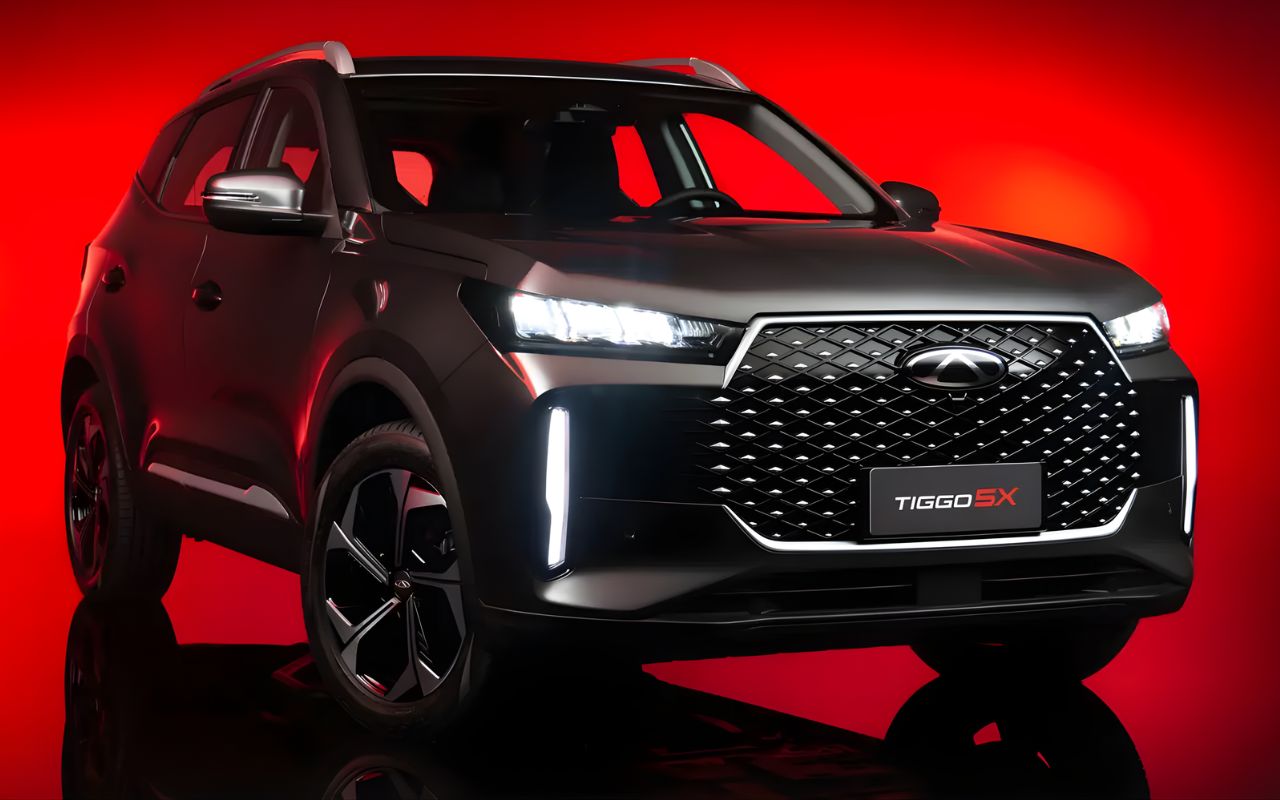
Caoa Chery Tiggo 5X skyrockets in sales in Brazil: a 2,318% increase and waiting lists of up to 4 months to acquire the model.
-
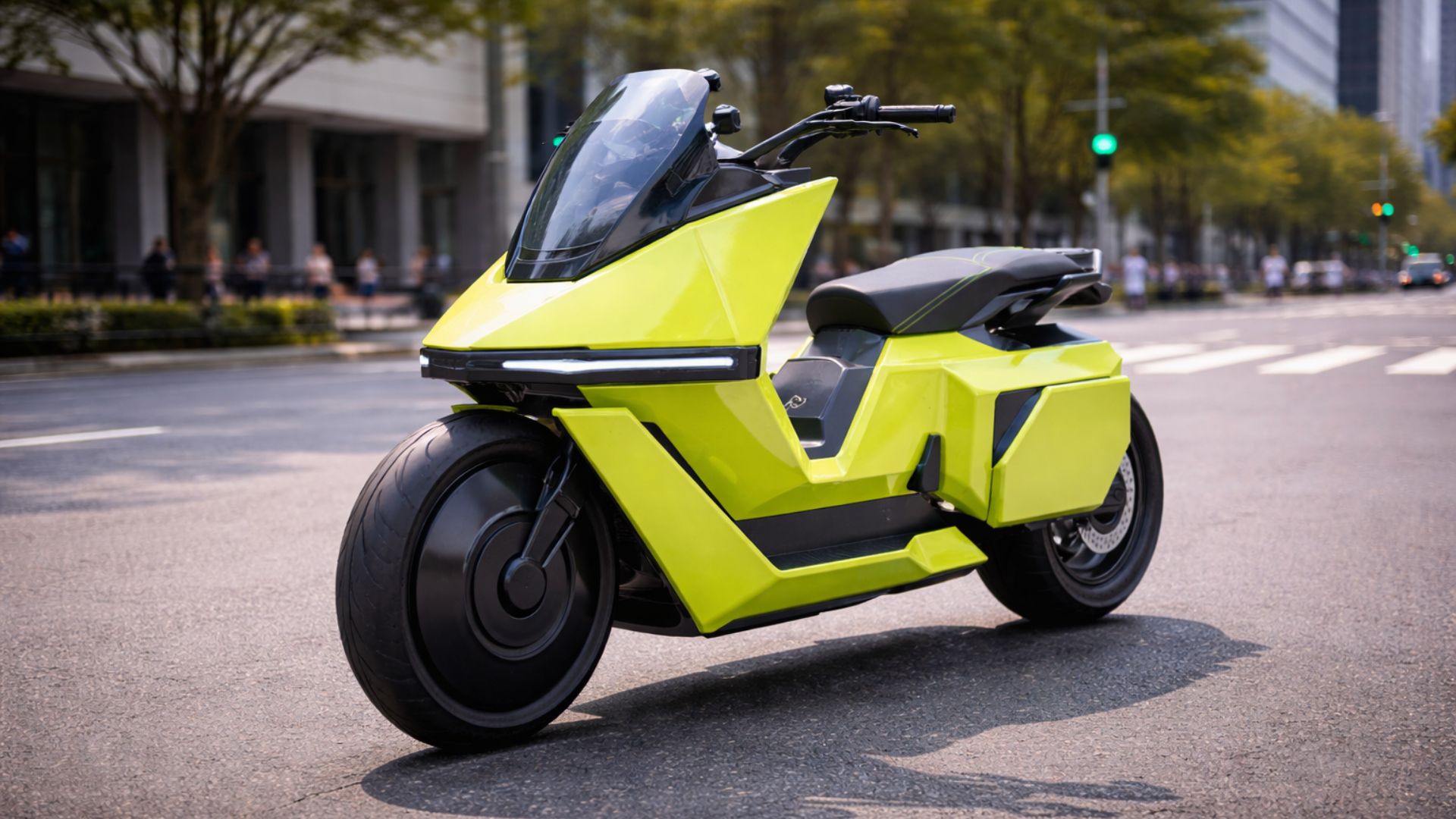
Goodbye falls: Singaporean company Omoway begins production of a motorcycle that doesn’t fall and surprises the market by offering automatic balance technology that reduces accidents and transforms the urban riding experience.
-
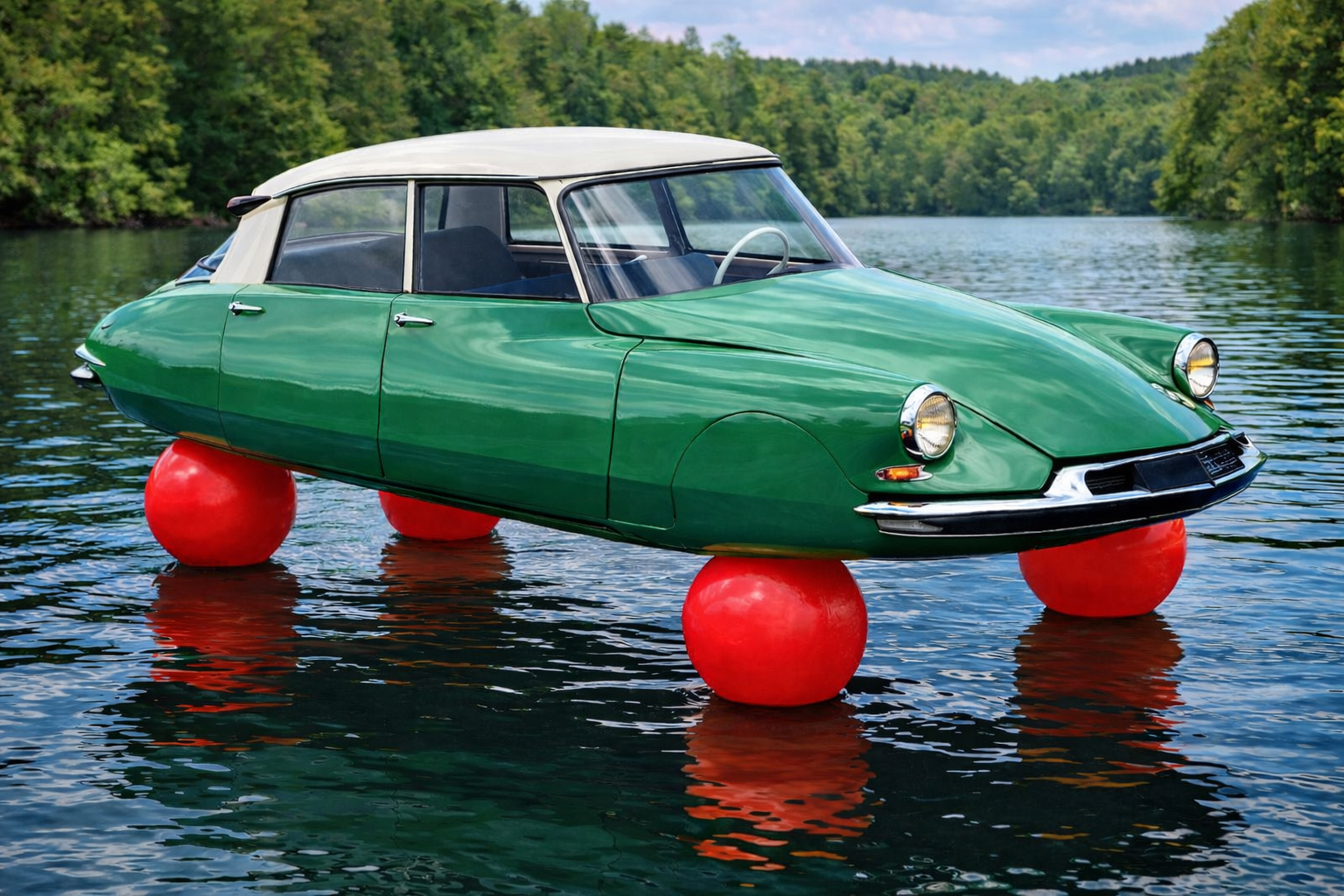
A French brand placed a car on four huge red balloons to prove that its suspension made the vehicle “float,” and the surreal scene became one of the most iconic and unusual images in automotive history.
-
Jeep Avenger begins production in Brazil, debuting as the brand’s new entry-level SUV and inaugurating an unprecedented phase by becoming the first national Jeep manufactured outside of Goiana, as part of a R$ 3 billion plan.
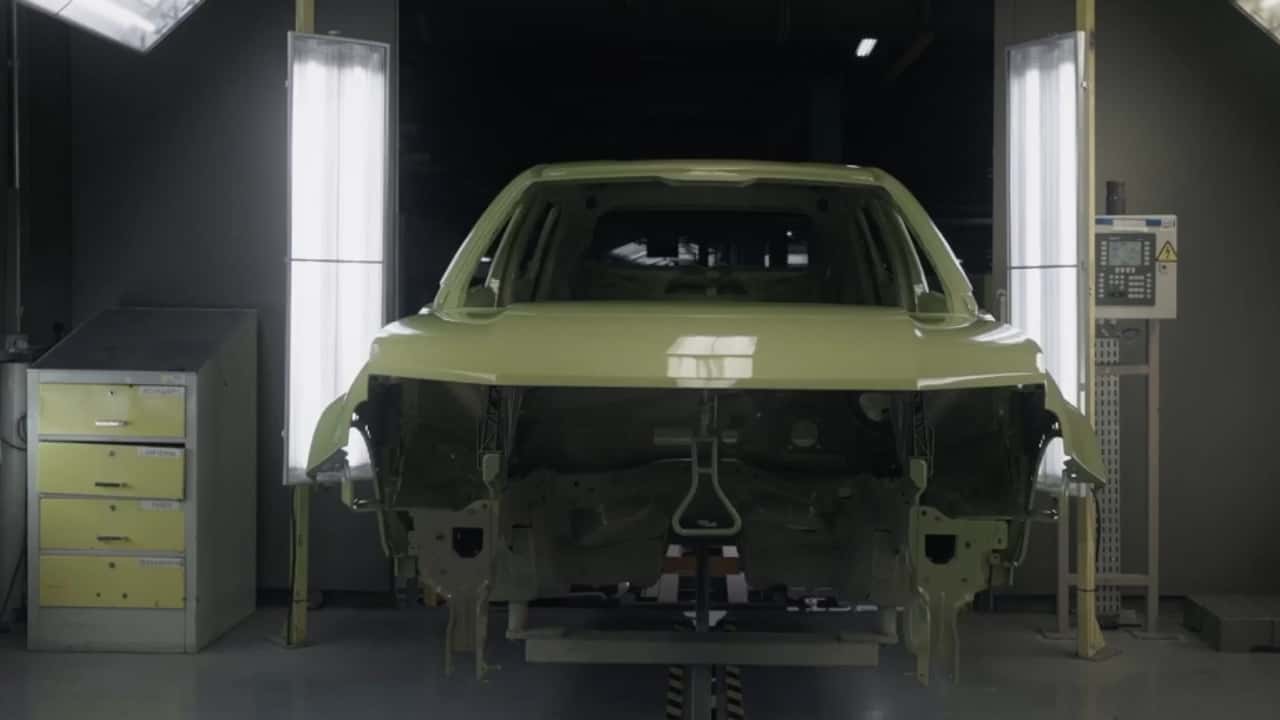

Ford, Chevrolet, Mercedes-Benz, and Volkswagen accepted the incentives. Fiat, despite having been assembling vehicles in Brazil since 1928, decided not to join at that moment.
The Italian company viewed the Brazilian market as risky. Volkswagen already dominated with the Kombi and Beetle, robust models adapted to the poor conditions of national roads.
Fiat’s late entry into the Brazilian industry did not occur through the automobile segment — but through the agricultural sector. In 1971, the first national Fiat was a tractor, the Fiat AD7.
The first passenger car would only arrive in 1976, with the Fiat 147.
The Birth of Fiat Diesel in Brazil and the Acquisition of Feneme
The strategic turning point occurred in 1973, when Fiat acquired 43% of Alfa Romeo do Brasil, which had taken over Feneme — National Engine Factory.
Feneme was founded in 1942 by the Getúlio Vargas government and was a pioneer in truck production in Brazil.
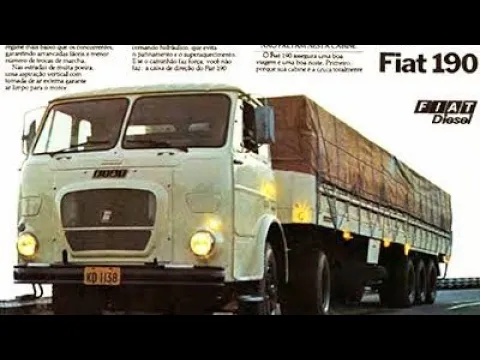

With the acquisition of the factory in Xerém, Duque de Caxias (RJ), Fiat began to operate directly in the heavy vehicle segment.
The plan was ambitious: to launch nine truck models with capacities ranging from 5.5 to 26 tons and increase monthly production from 3,000 to 15,000 units.
But there was a critical obstacle: the minimum localization index required was 80%. Many parts, including engines and structural components, came from Italy. This was the first major operational obstacle for Fiat Diesel.
The First Fiat Trucks in Brazil: Feneme 210S, Fiat 130, and Fiat 70
In 1974, the Feneme 210S was launched, already under Fiat’s control. The model had a payload capacity of up to 12.6 tons and a Fiat engine of 13 liters with 240 horsepower.
In July 1976, the Fiat 130 emerged, considered the first officially Fiat truck in Brazil. With a capacity of 9.5 tons, the model featured a six-cylinder engine of 7.4 liters, 145 horsepower, and 48 kgfm of torque.
At the 1976 Automobile Show, the Fiat 70 was launched, a light truck of 4.5 tons, a direct competitor to the Mercedes-Benz L608.
Still in 1976, the model 190e was presented with a Fiat engine of 13.8 liters and 256 horsepower. In 1977, Feneme was officially dissolved, and Fiat Diesel Brasil S.A. was born.
The Transition to Iveco and the Start of Turbulence
In 1975, in Europe, the Fiat group created Iveco, through the merger of five manufacturers of industrial vehicles.
In 1977, the Iveco logo began to appear on the grilles of the trucks produced in Xerém, although the brand still operated under the name Fiat Diesel.
The company also entered the bus segment with the chassis 130OD. The problem started in 1978. Fiat Diesel discontinued the models 70, 130OD, 130, and 210. The premature discontinuation shook market confidence.
At the same time, the dealer network was weak, and there were chronic difficulties in the supply of spare parts.
Still, 1978 was the best year for Fiat Diesel, with 5,073 trucks and 487 buses produced. However, Mercedes-Benz produced over 45,000 trucks in the same period.
Fiat Diesel was too small to compete with established giants.
Economic Crisis of the 80s and the Decline of Fiat Diesel
In the 80s, Brazil faced recession, uncontrolled inflation, and a drop in infrastructure investments. Road transport lost momentum.
Fiat tried to react with the models 80, 120, 140, and 190H. In 1981, a general strike paralyzed the factory for 42 days. The company adopted a rigid stance, with layoffs for just cause and police presence.
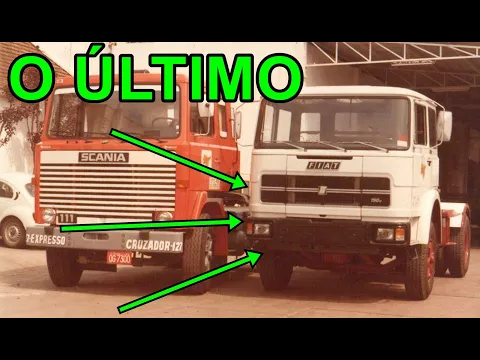
The image of Fiat Diesel became even more tarnished.
In 1982, control officially passed to Iveco. The first measure was the dismissal of 600 employees. In 1984, production plummeted to only 419 vehicles.
The final blow came in June 1985: Fiat Diesel abruptly ceased operations, without prior notice to the government or dealers. In total, 75,863 vehicles were produced.
The Return with Iveco and the Definitive Separation from Fiat Automobiles
The story didn’t end there. In 1997, the Fiat group returned to Brazil with the Iveco brand, now operating independently from the former Fiat Diesel.
In 2000, the modern factory in Sete Lagoas (MG) was inaugurated. Models like Daily, Tector, and Highway consolidated Iveco in the national market.
In the 2010s, the group reorganized its industrial operations, creating CNH Industrial.
In 2022, CNH was split, and Iveco Group was born, operating completely independently from Fiat Automobiles. In 2025, Iveco Group was sold to the Indian group Tata for 3.8 billion euros.
The transition is expected to be completed by March 2026.
Why Did Fiat Trucks Disappear?
Fiat Diesel failed in Brazil due to a combination of factors:
- Lack of dealer structure
- Problems in the supply of parts
- Premature discontinuation of models
- Economic crisis in the 80s
- Labor conflicts
- Dominant competition from Mercedes-Benz
The Fiat brand remained strong in automobiles but lost credibility in the heavy vehicle segment. The story of Fiat Diesel is a classic example of how success in passenger cars does not guarantee leadership in trucks and buses.
The disappearance of Fiat trucks was not an isolated accident. It was the result of poorly executed strategy, adverse economic context, and lack of consolidation in the heavy vehicle market.
Today, Iveco operates independently and successfully. But the Fiat trucks brand has remained in the past.





Seja o primeiro a reagir!