





 Portuguese
  English
  Spanish
  2 min of reading
  1 comment


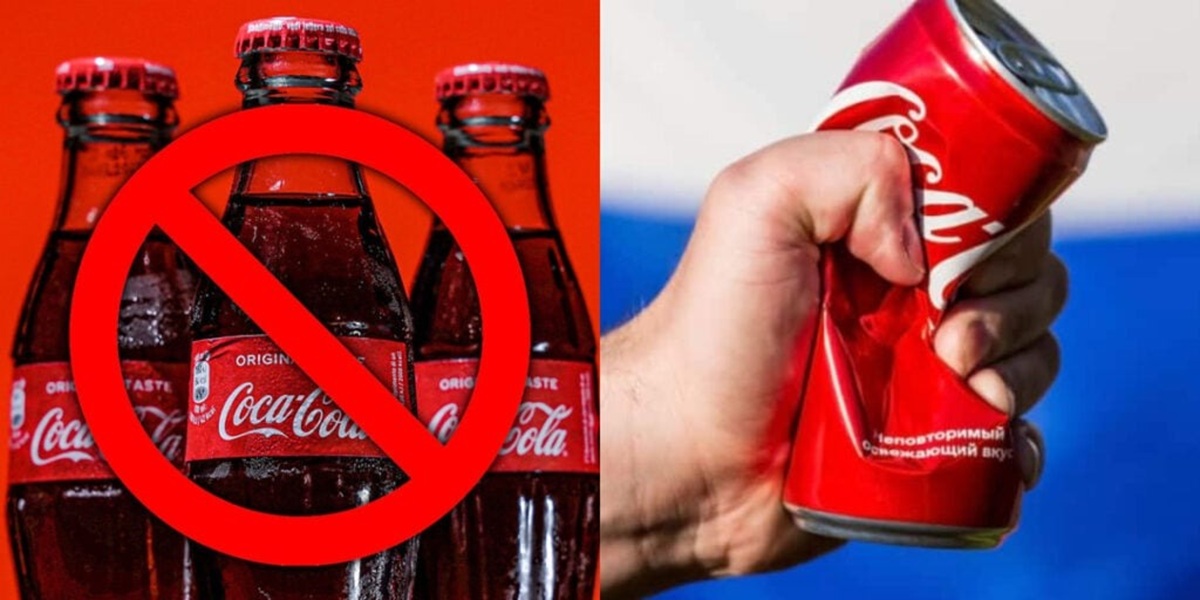


The Little-Known History Reveals How Political Decisions, Economic Protectionism, and Industrial Pressures Kept Coca-Cola Out of Portugal for Nearly Four Decades
The ban on Coca-Cola in Portugal is one of the most curious episodes in the country’s commercial history. The drink was only legally sold in Portuguese territory in 1977, although it had been consumed in most of Europe since the early 20th century. Below is a clear summary of how this ban arose and why it lasted so long.
Origin of the Ban
During the Estado Novo, António de Oliveira Salazar’s regime maintained a strongly protectionist economic policy. Coca-Cola, a symbol of American influence, was seen as a product that could threaten the interests of national manufacturers of soft drinks, especially the traditional Laranjada, which held great industrial and political importance in the country.
In addition, the government raised health and chemical concerns, arguing a lack of transparency about some components of the formula. However, historical research shows that these reasons were pretexts used to block a foreign product that threatened companies well-connected to the regime.
-
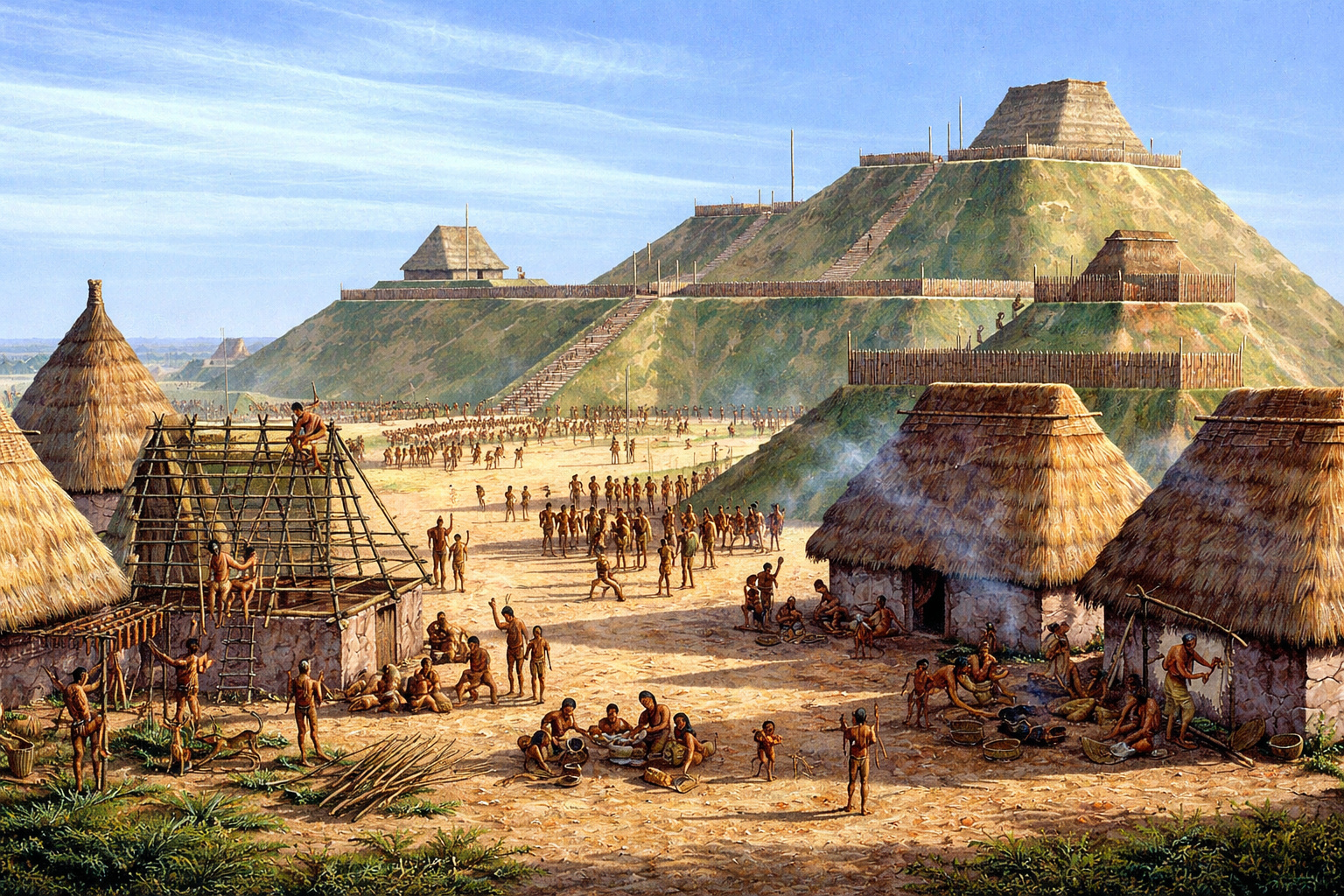
With over 14 million baskets of earth moved, an ancient North American metropolis built a monumental pyramid of 30 meters and established a city with 20,000 inhabitants nearly a thousand years ago.
-
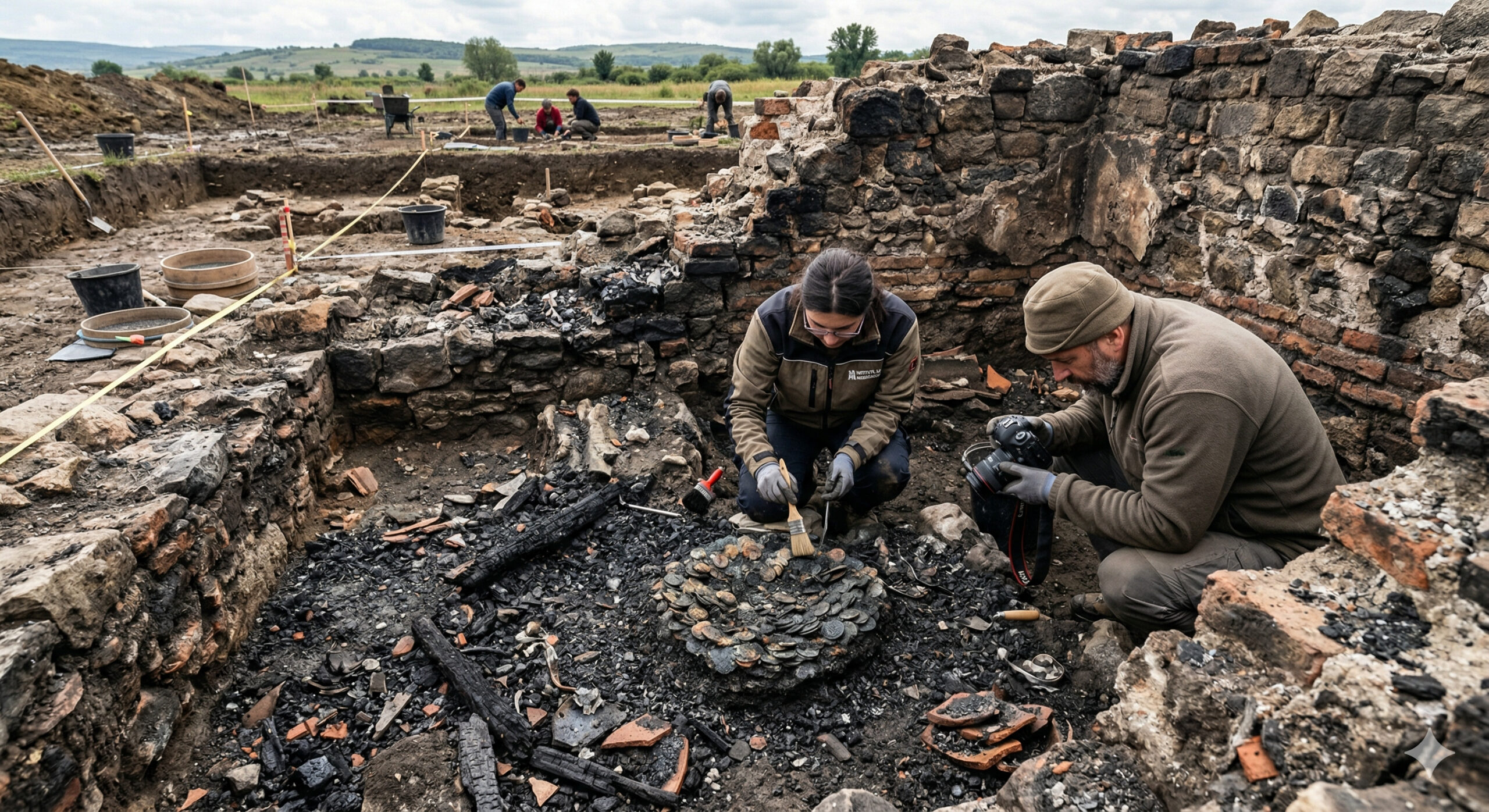
A 1,900-year-old treasure emerges from a Roman house destroyed by fire and sealed since antiquity in Romania, with coins and metals fused among the ashes.
-
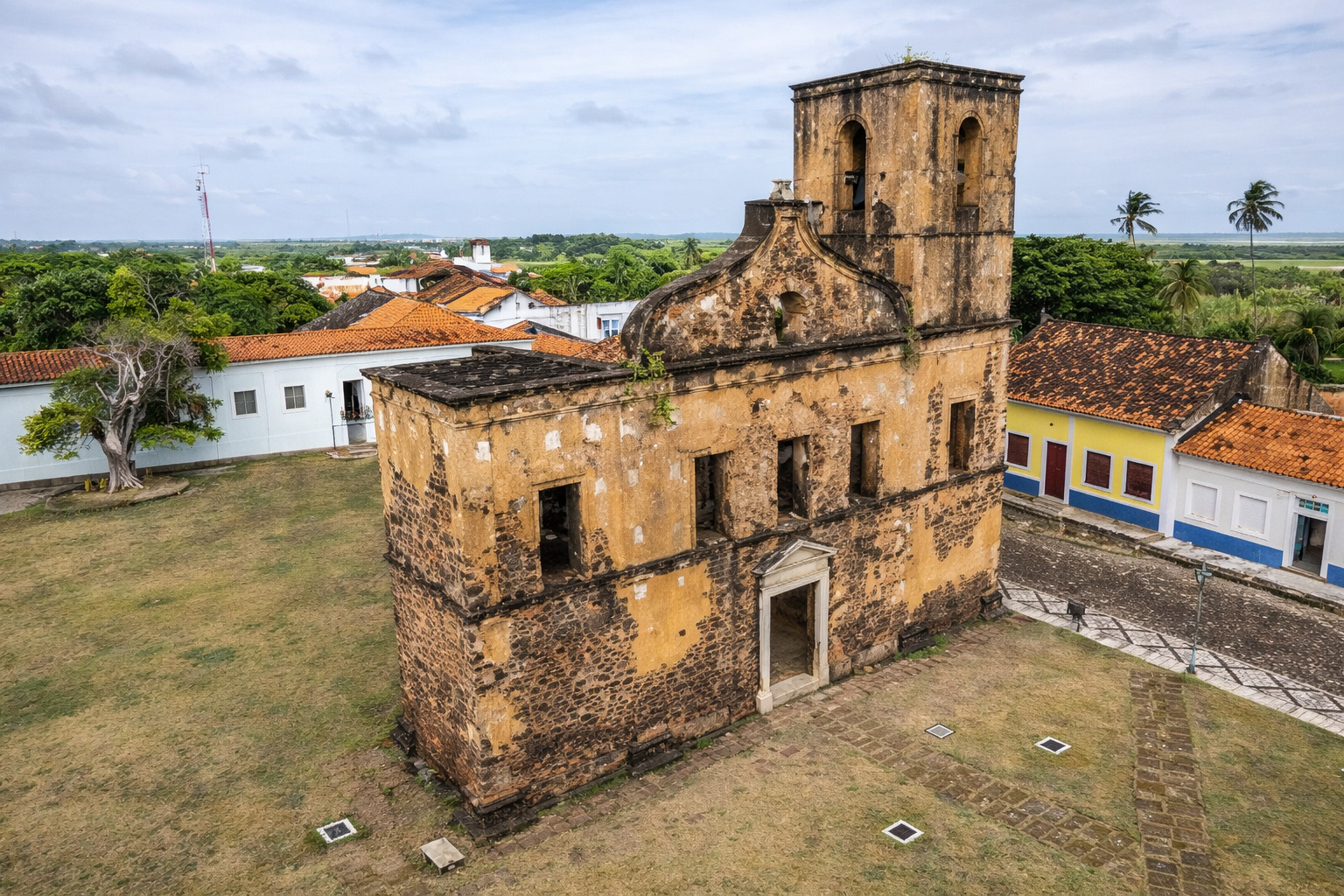
The Brazilian colonial city that stopped in time and shares territory with a rocket launch base.
-
79-year-old woman challenges limits, visits 193 countries in the world after 56 years of planning and reveals the behind-the-scenes of a global journey that few have managed to accomplish.

Attempts to Enter the Market
In the 1940s and 50s, Coca-Cola made several attempts to enter the Portuguese market through formal requests and negotiations with authorities. Despite this, the government systematically blocked the authorization. Pressure increased after the beverage entered the markets of the Portuguese colonies, such as Angola and Mozambique, where it was sold normally.
Another curious point: tourists visiting Portugal noticed the absence of the soft drink and frequently asked the reason, which created diplomatic discomfort, but not enough for the regime to change its position.
End of the Ban
The situation changed after the Carnation Revolution in 1974. With the end of the Estado Novo and the opening of the economy, the path to regularization was resumed. Finally, in 1977, Coca-Cola received official authorization to be manufactured and sold in Portugal.
The following year, national production began, and the soft drink quickly became one of the leaders in the Portuguese market, ending decades of bureaucratic and political resistance.
If you want, I can turn this story into a journalistic article, create a timeline, catchy titles, or a summary for social media.






Se quiser, posso transformar essa história em artigo jornalístico, criar uma linha do tempo, títulos apelativos ou um resumo para redes sociais.