





 Portuguese
  English
  Spanish
  5 min of reading
  1 comment


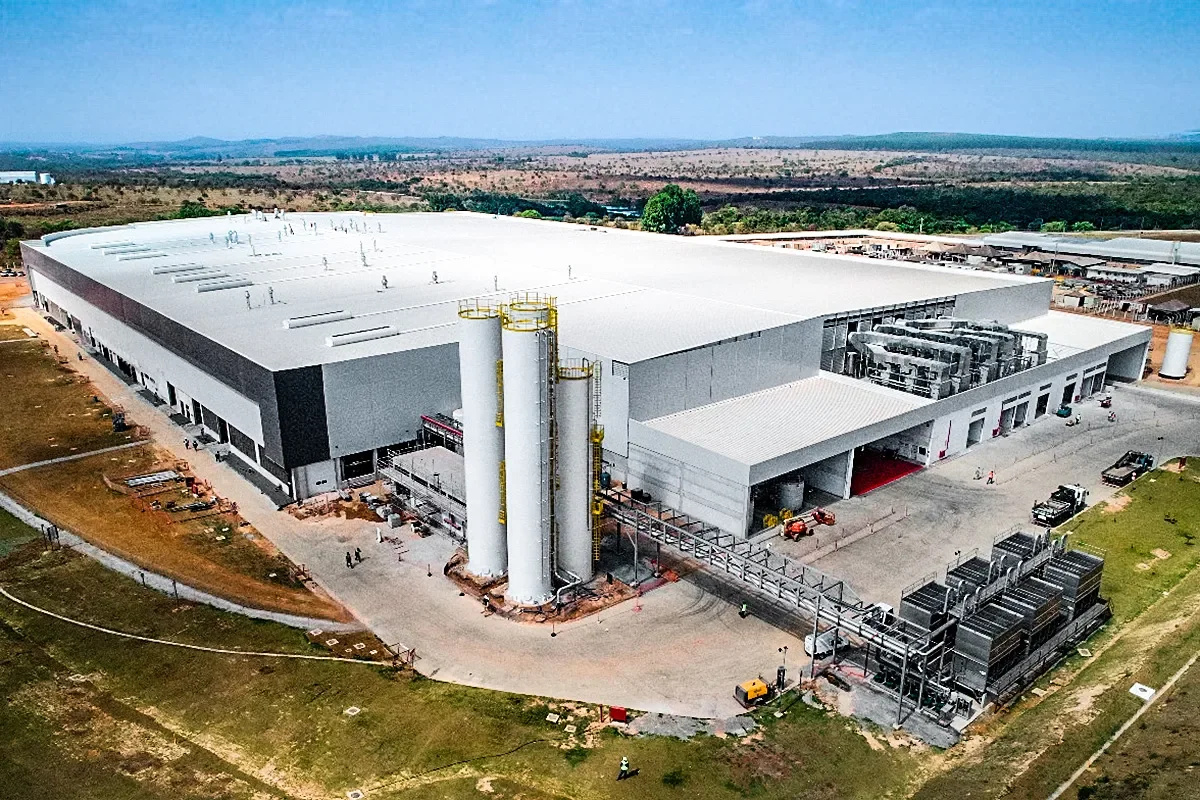


Largest Beverage Factory in Brazil, in Uberlândia (MG), Occupies 1.3 Million m², Produces 7 Billion Liters Per Year and Operates 24/7 Like an Industrial City.
At the heart of Triângulo Mineiro, in Uberlândia, lies one of the largest industrial plants in Latin America and the largest beverage factory in Brazil. The Ambev complex, inaugurated in 1995, occupies 1.3 million square meters, produces about 7 billion liters per year, and operates continuously, 24 hours a day. With a structure comparable to that of a medium-sized city, the mine industrial park is considered the logistical and productive epicenter of the company, responsible for supplying millions of Brazilians and dozens of countries.
The Colossal Ambev Factory: A City Within the Factory
The size of the unit is impressive. There are over 1 million m² of built area, paved internal streets, water and effluent treatment stations, cafeterias, offices, control centers, and automated warehouses. The structure is so large that internal transport is done by buses and electric vehicles.
The plant has the capacity to produce 7 billion liters of beverages per year, including beers, soft drinks, waters, isotonic drinks, and teas — enough to fill the equivalent of 2,800 Olympic swimming pools.
-
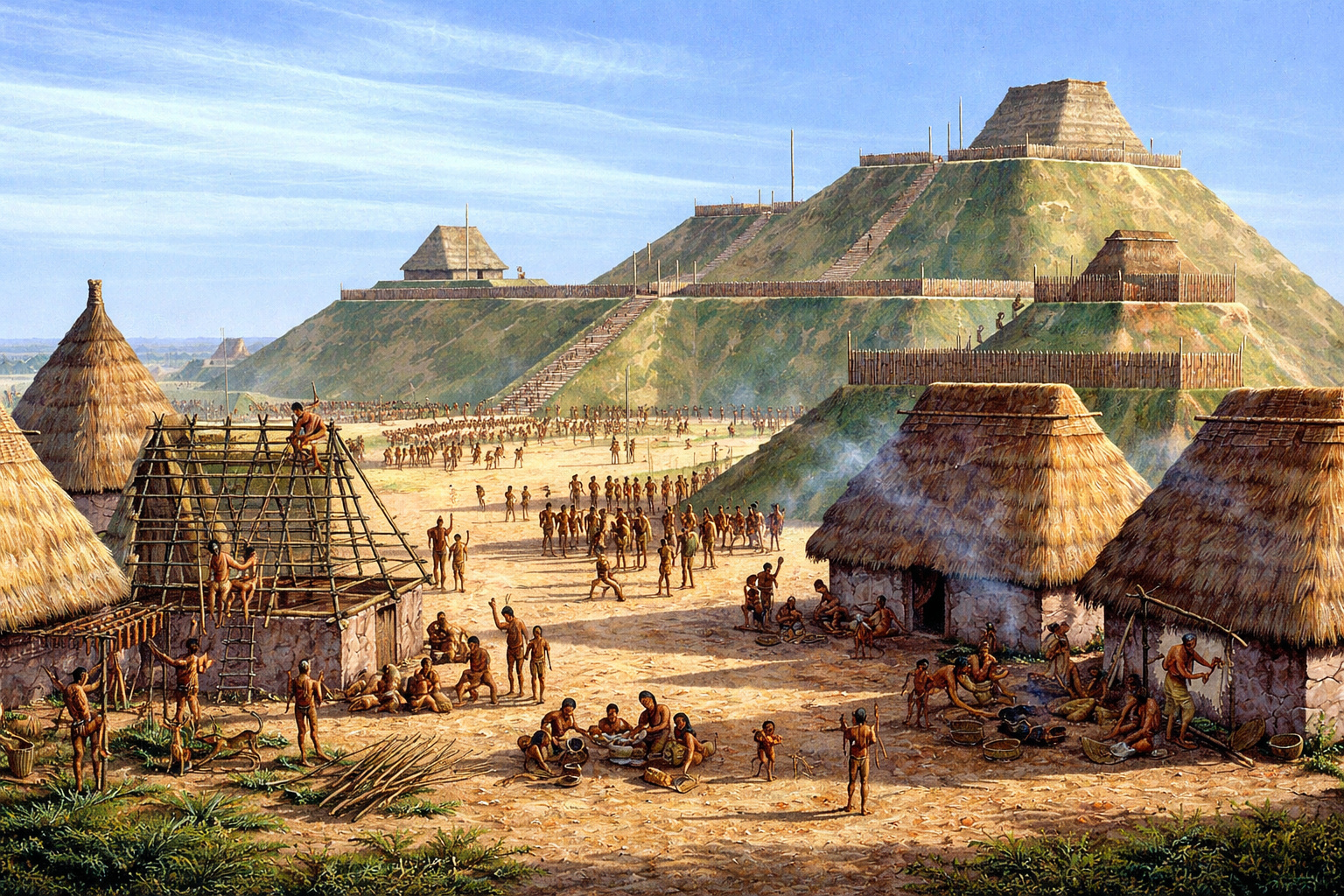
With over 14 million baskets of earth moved, an ancient North American metropolis built a monumental pyramid of 30 meters and established a city with 20,000 inhabitants nearly a thousand years ago.
-
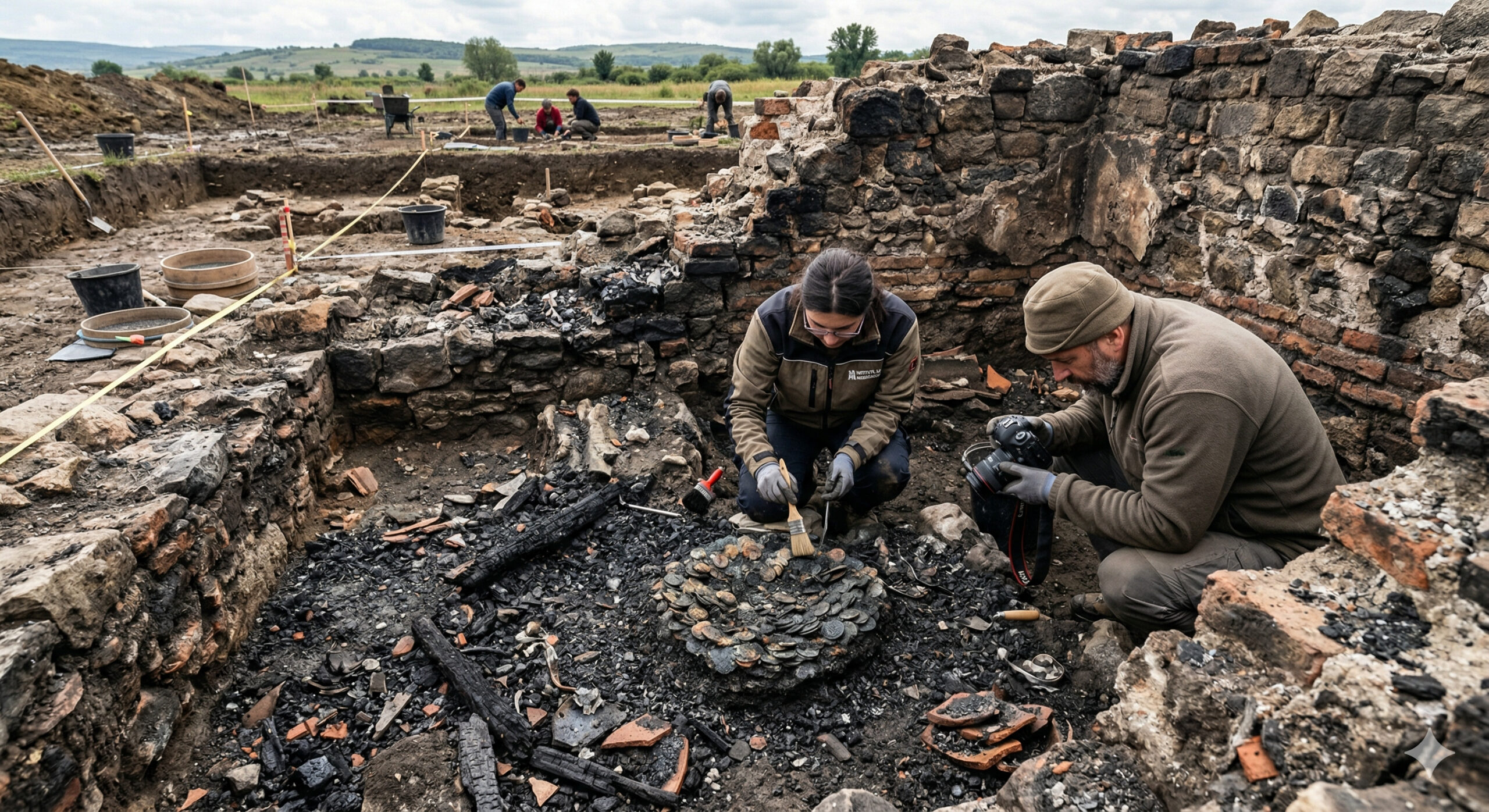
A 1,900-year-old treasure emerges from a Roman house destroyed by fire and sealed since antiquity in Romania, with coins and metals fused among the ashes.
-
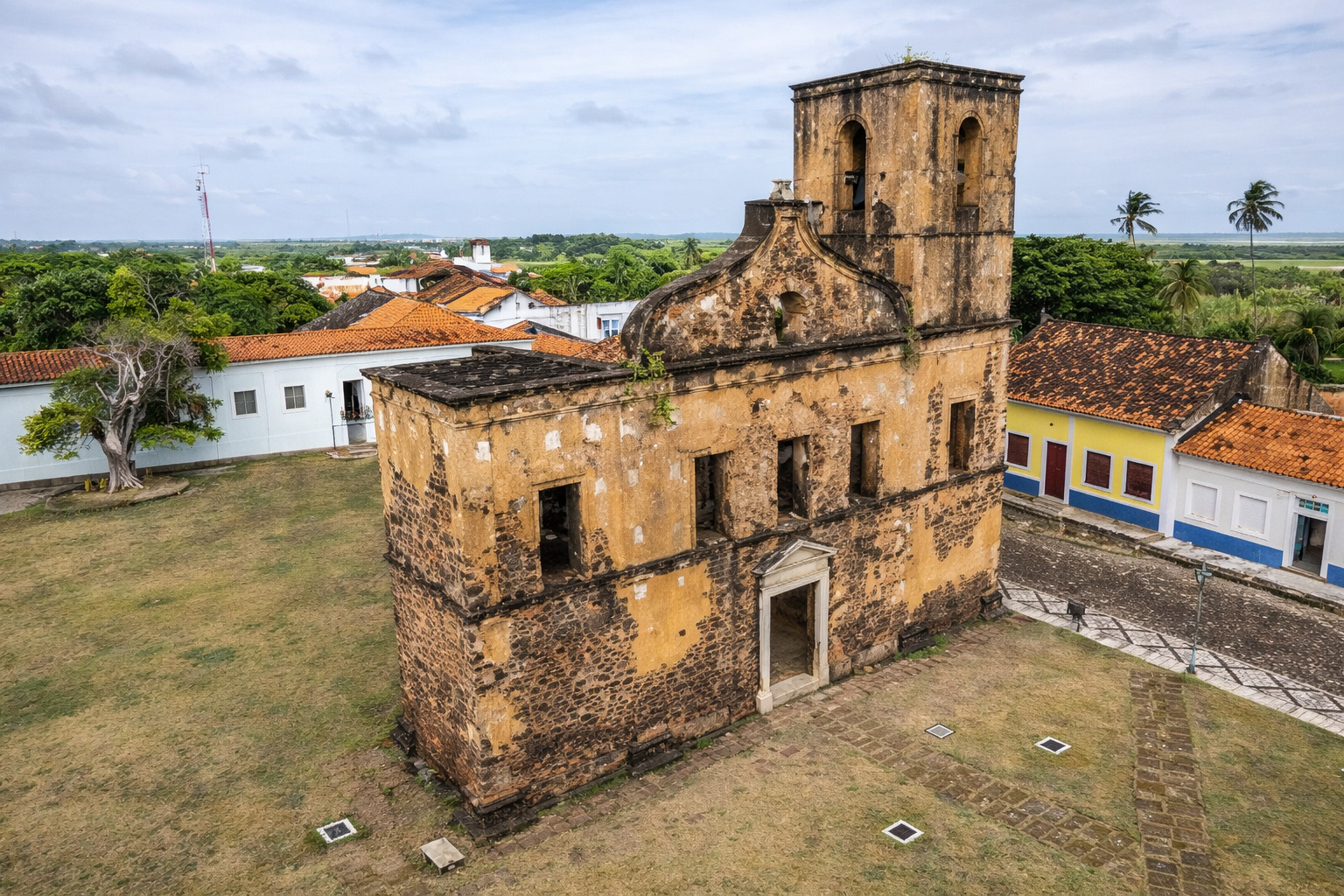
The Brazilian colonial city that stopped in time and shares territory with a rocket launch base.
-
79-year-old woman challenges limits, visits 193 countries in the world after 56 years of planning and reveals the behind-the-scenes of a global journey that few have managed to accomplish.


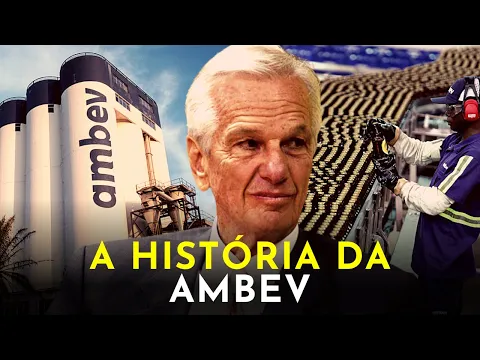

According to data from the industrial sector and information confirmed by Ambev itself, the Uberlândia unit is responsible for about 10% of the company’s national production.
From there come some of the most well-known brands in the country, such as Skol, Brahma, Antarctica, Guaraná Antarctica, and Pepsi, in addition to premium labels aimed at export.
An Army of Workers and Robots
Daily, over 3,000 professionals move through the factory’s halls, divided among engineers, technicians, operators, drivers, analysts, and maintenance teams.
The operation does not stop; shifts rotate in a synchronized manner, ensuring that production continues even during the night. It is a human and technological mechanism powered by precision.
The plant is one of the most automated in the country. High-speed bottling lines are controlled by robotic systems capable of filling and sealing about 120,000 bottles per hour, while optical cameras check each unit individually.
Sensors measure pressure, temperature, and viscosity of the liquid to ensure standardization, and an AI system detects minimal variations that could affect flavor or expiration date.
According to engineers who participated in the plant’s modernization in 2019, the factory is capable of operating with up to 70% direct automation, reducing losses and increasing energy efficiency.
Logistics of the Multinational Ambev Rivals Even Ports
The logistics of the Uberlândia factory is a spectacle in itself. Due to its strategic geographical position — in the center of Brazil —, the complex functions as a national distribution hub, serving all regions of the country.
Daily, over 1,000 trucks enter and exit the factory yard, transporting beverages to distribution centers in 23 states.
The cargo movement system is fully automated: autonomous forklifts, electric cranes, and high-capacity conveyors organize products in real-time.
Route control is done by logistics software integrated with the national sales network, ensuring that the load reaches its destination at the lowest cost and in the shortest time possible.
This efficiency makes the mine plant a model of global productivity — comparable to the large factories in Germany and Japan.
Sustainability on an Industrial Scale
Even with a colossal size, the unit is a reference in sustainability. The Ambev Uberlândia treats 100% of the water used in production and reuses up to 97% of the total volume, one of the highest rates in the Brazilian industry.
The heat generated by the boilers is redirected to heat tanks and industrial water, and part of the electricity comes from renewable sources, such as biomass and solar.
Solid waste is recycled, and the CO₂ produced during the fermentation of beer is captured and reused to carbonate beverages.
With these measures, the factory reduced energy consumption per liter produced by 43% in recent years, in addition to almost entirely eliminating the disposal of polluting effluents.
These results have earned the plant ISO 14001 certifications and recognition in environmental innovation awards promoted by the National Confederation of Industry (CNI).
A Vital Gear in the Mine Economy
The economic impact of the complex is gigantic. According to data from the Federation of Industries of the State of Minas Gerais (FIEMG), the unit generates hundreds of millions of reais per year in taxes, salaries, and investments.
In addition, it sustains over 10,000 direct and indirect jobs, including suppliers, transport companies, maintenance firms, and recycling cooperatives.
The presence of the factory has also boosted the urban development of Uberlândia. Entire neighborhoods have grown around the plant, driven by income generation and infrastructure.
Highways have been duplicated, new power lines have been installed, and the city’s road network has been redesigned to support the constant flow of trucks.
30 Years of Operation and Constant Expansion
Since its inauguration in 1995, the factory has gone through multiple expansions. Each decade has brought new bottling lines, innovation sectors, and quality centers.
In 2019, Ambev announced one of the largest investments in the group’s history in Minas Gerais, aimed at automation and increasing production capacity.
Today, the complex produces dozens of beverage brands simultaneously, using quick-change systems that allow switching the type of product on the line in just a few minutes — something unthinkable in traditional factories of the past.
Inside the factory, the clock does not stop. While one shift ends its journey, another begins.
In the halls, forklifts cross each other in controlled silence, robots follow illuminated paths, and trucks wait for the green light to cross the gates.
The structure is so vast that the average walking time to traverse it exceeds 30 minutes.
It is a true city in motion with its own energy, independent management, and a clear objective: to keep Brazil supplied.
The Symbol of the National Industry
More than just a production plant, the factory in Uberlândia represents the pinnacle of Brazilian industrial engineering.
It combines scale, technology, and sustainability in one place, proving that the country is capable of competing with the world’s largest production hubs. Not by chance, executives from global companies frequently visit the complex — it serves as a model of large-scale efficient operation.
With 1.3 million m², 7 billion liters per year, and thousands of workers, the largest beverage factory in Brazil is not just an assembly line, it is a living industrial metropolis that pulses in the heart of Minas Gerais and keeps the country moving, cup by cup, bottle by bottle, 24 hours a day.






E tudo muito bonito mas vai la entregar algum material pra ver a canseira que vai tomar .
Até quando e pra eles (rótulo, filme,garrafa ) aja paciência.