





 Portuguese
  English
  Spanish
  4 min of reading
  0 comments


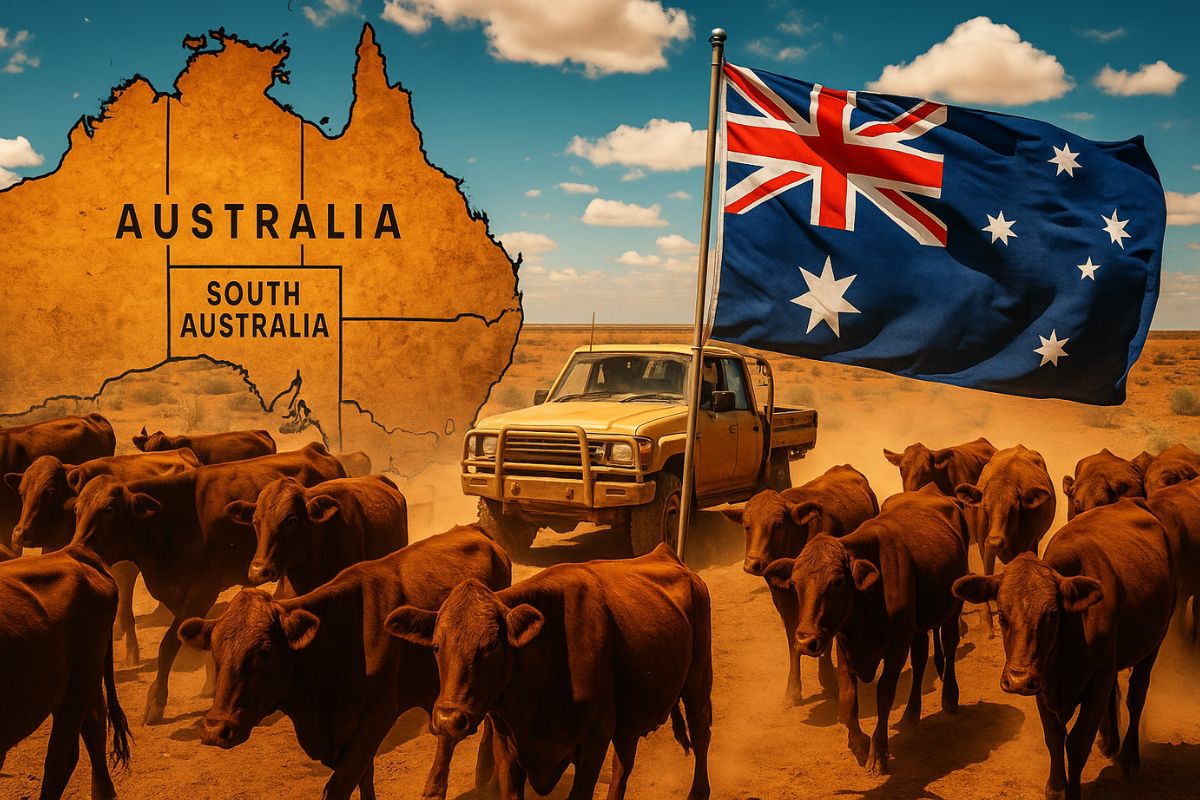
With 1.65 Million Hectares, The Second Largest Cattle Station in The World Depends on The Seasonal Floods of The Diamantina River to Transform The Australian Desert Into Fertile and Productive Pasture.
In The Arid Heart of Southern Australia, The Second Largest Cattle Station in The World Challenges The Limits of Extensive Cattle Raising. Clifton Hills Station, Founded in 1876, Covers an Impressive Area of About 1.65 Million Hectares, a Territory Comparable to The Size of Sergipe. In a Landscape Where Rain Is Rare and The Soil Is Dry, The Secret to Survival Lies in The Annual Floods of The Diamantina River, Capable of Transforming The Desert Into a Vast Green Field.
These Periodic Floods Feed The Ecosystem of The “Channel Country,” a Region of Ephemeral Rivers That Come to Life Only With Summer Rains. When The Diamantina Overflows, Approximately 1,500 Square Kilometers of The Station Are Covered With Water, Creating High-Quality Pastures That Sustain a Herd of About 18,000 Organic Cattle. The Natural Cycle of Abundance and Scarcity Dictates The Rhythm of The Farm’s Production and Logistics.
A Model of Cattle Raising Shaped by Nature
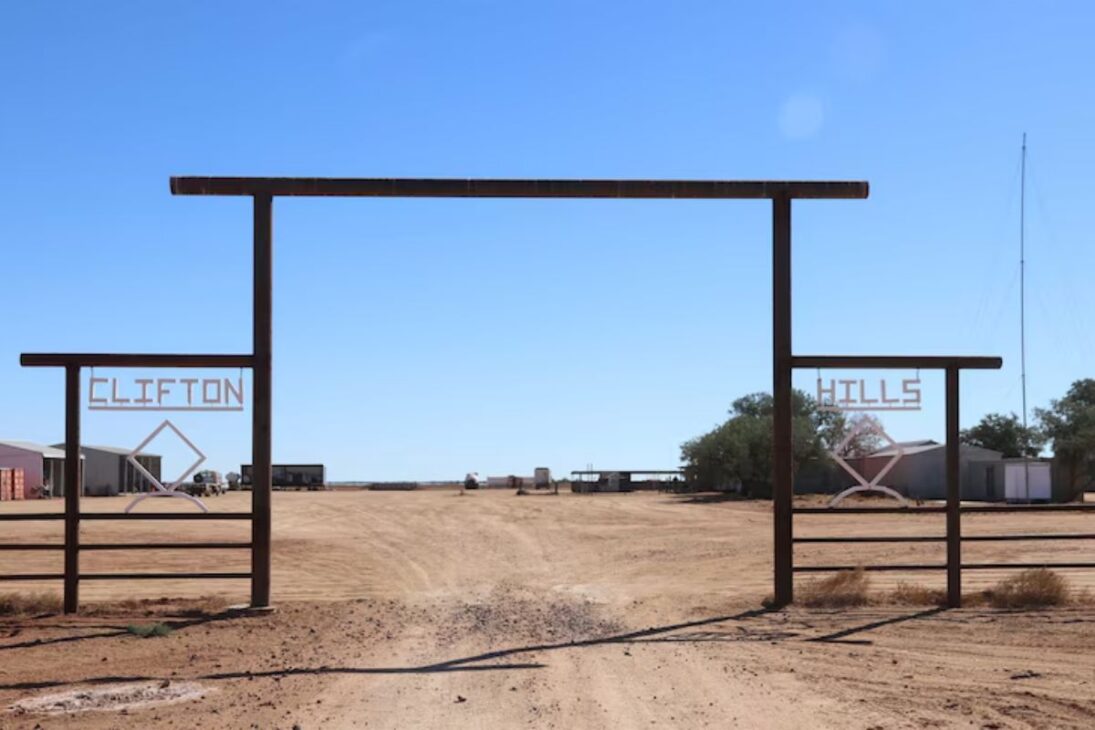
The Productive System of Clifton Hills Station Is Based on a Principle of Flood Agriculture, in Which The Cattle Are Managed According to The Pulse of The Waters.
-
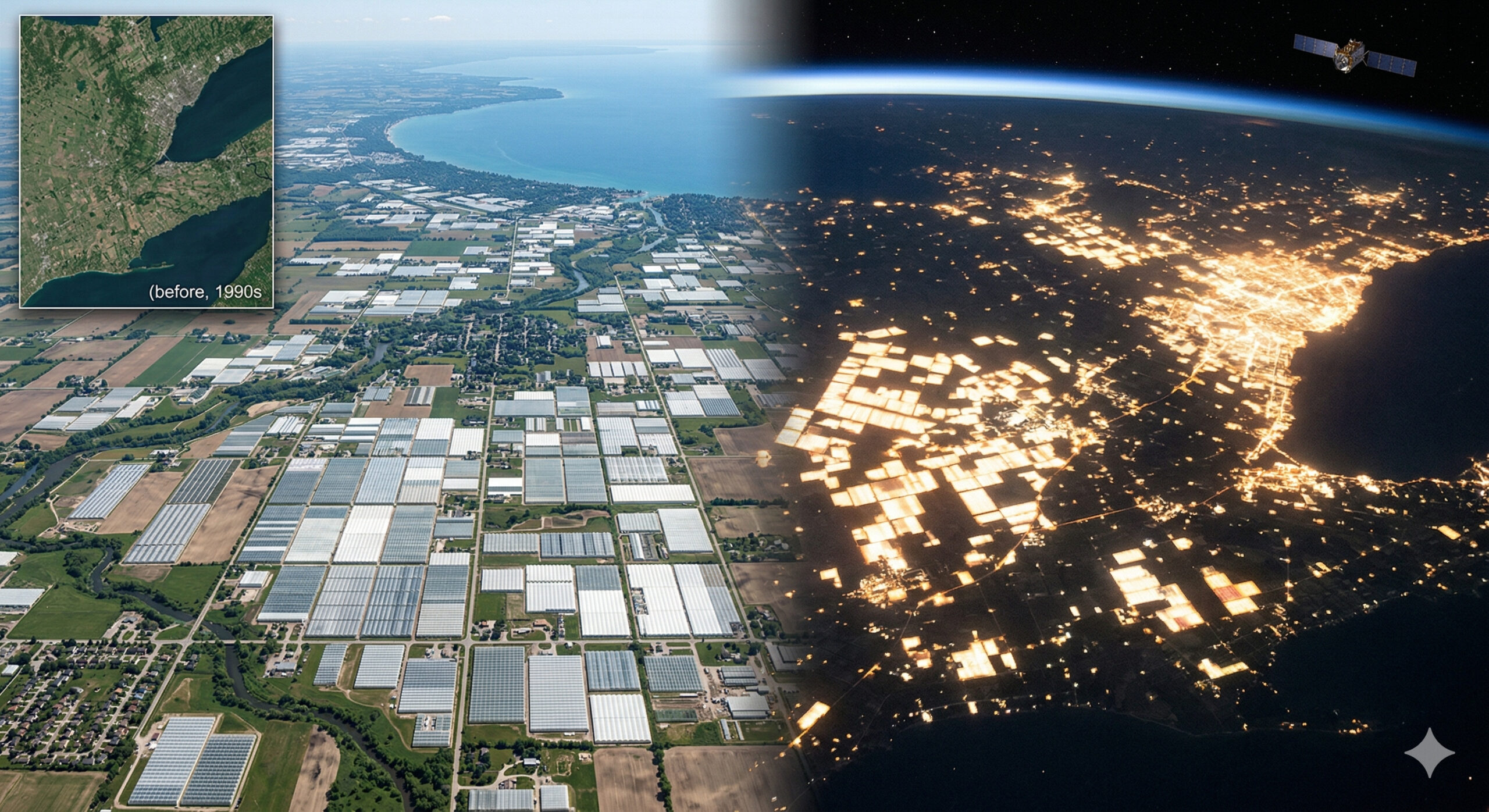
The expansion of greenhouses in southern Canada has become so intense that it has changed the appearance of the soil and even the nighttime glow of the region, transforming Ontario into one of the most visible agricultural hubs in North America from space.
-
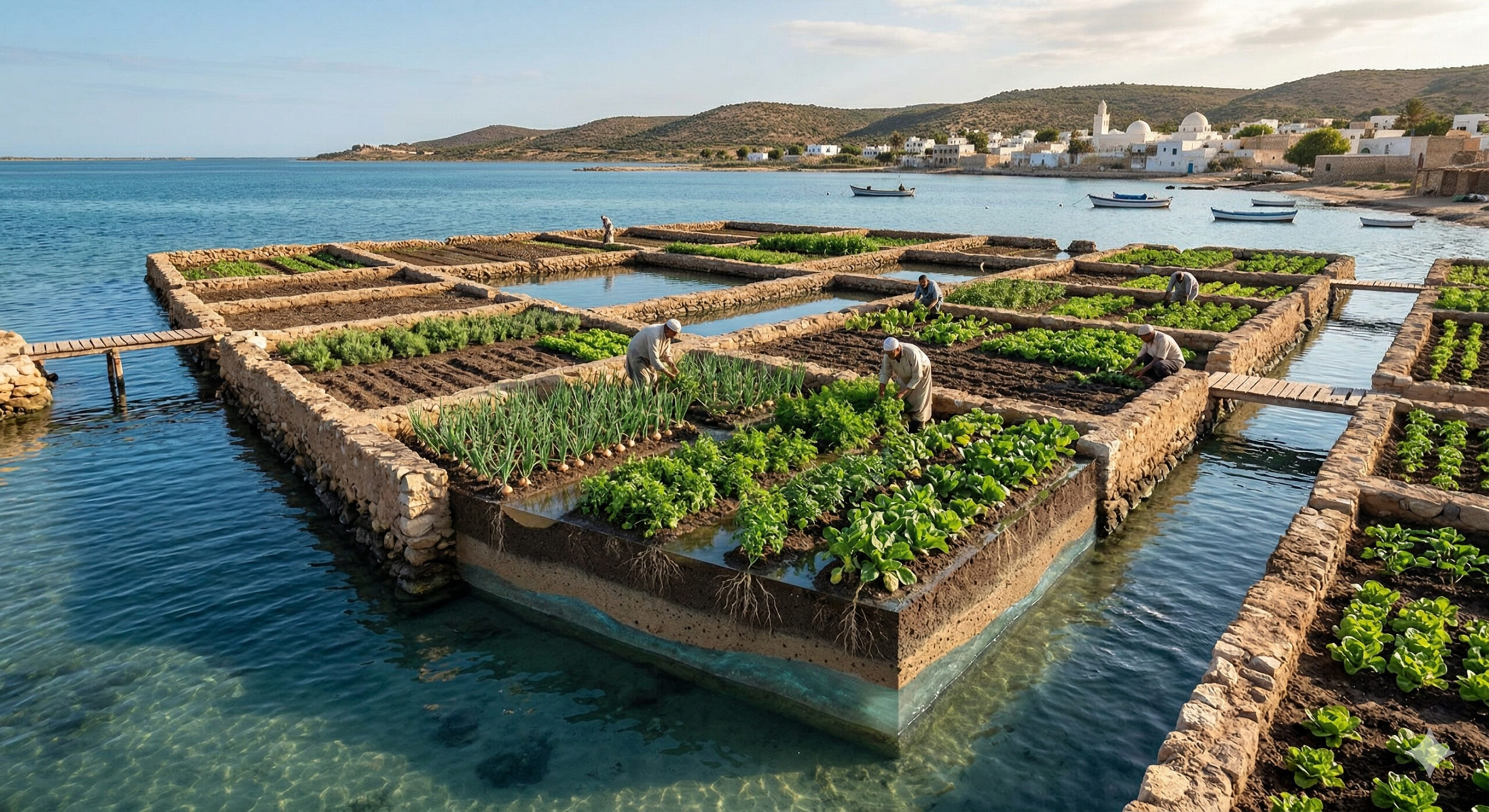
Almost nobody imagines it, but farmers in Tunisia grow food in the sand and make the roots drink fresh water that floats on top of seawater in an agricultural system considered unique in the world.
-
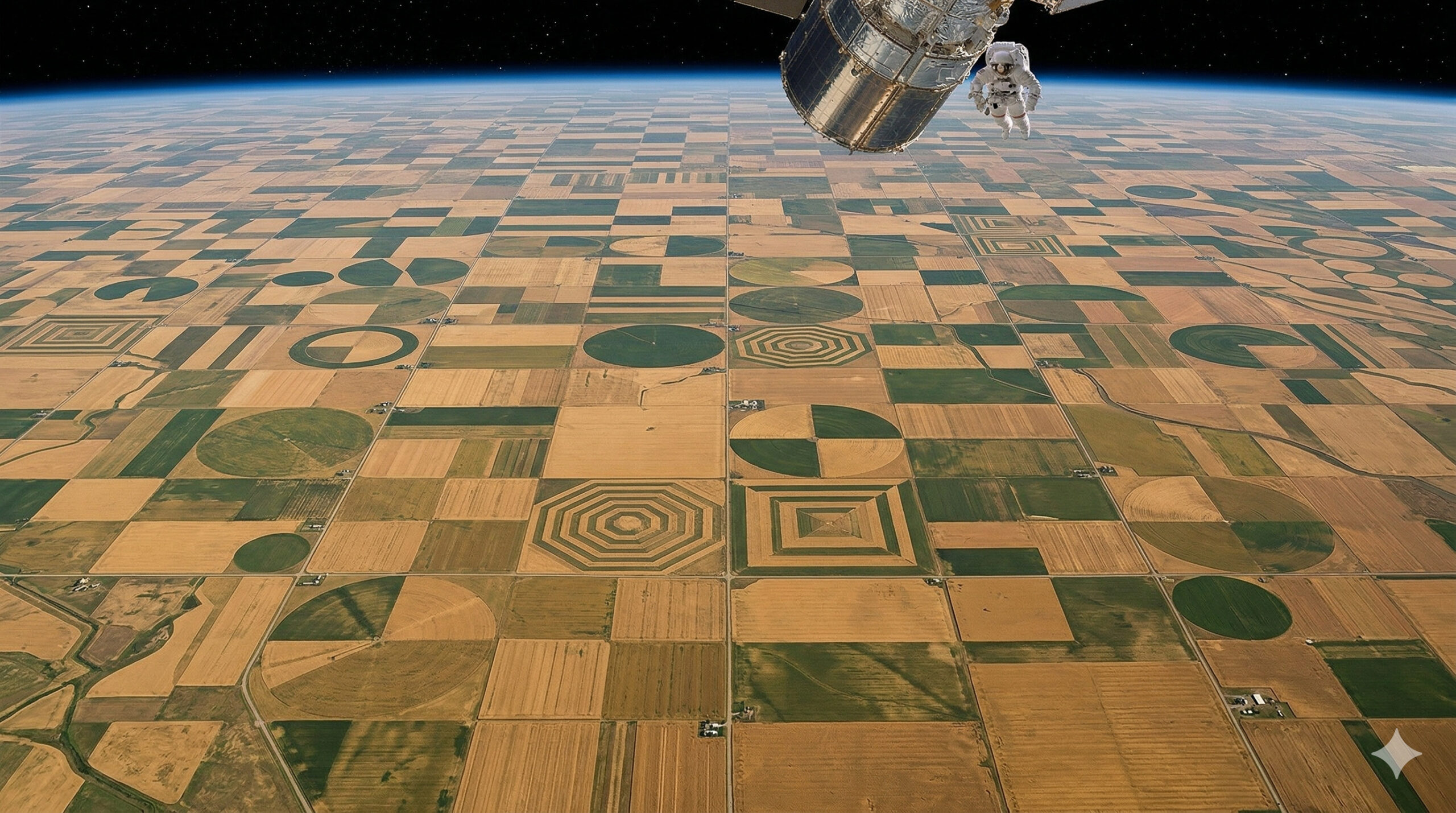
More than 20,000 km² of wheat fields form nearly perfect lines and geometric shapes in Montana, creating an agricultural pattern so symmetrical that the landscape looks like an abstract artwork visible from space.
-
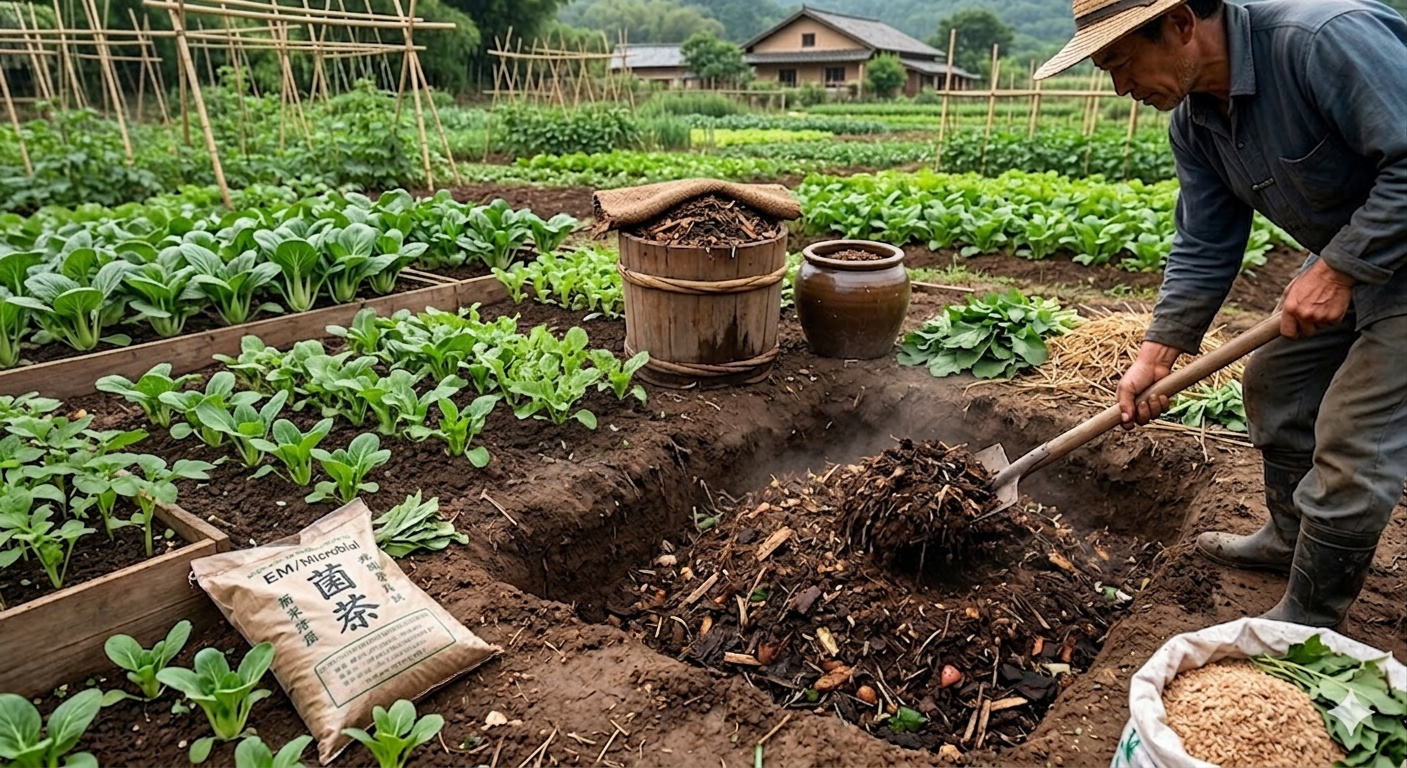
Bokashi, an Asian-origin fertilizer, is formed through the fermentation of husks, organic matter, and microorganisms, gaining traction in agriculture for strengthening beds and accelerating soil life.

When The Floods Occur, The Soil Retains Nutrients and Moisture, Allowing Native Grasses to Grow Rapidly.
It Is During This Short Period That The Herd’s Nutrition Reaches Its Peak, Ensuring Superior Weight Gain and Meat Quality.
In Years of Drought, However, The Operation Faces Severe Logistical Challenges. With The Absence of Artificial Irrigation, The Cattle Must Be Displaced to More Humid Areas or Supplemented With Forage Transported Over Long Distances.
The Economic Success of The Station Then Depends on Extremely Precise Management of Water Cycles and a Deep Understanding of The Climate Behavior of The Australian Interior.
The Extreme Geography of The Channel Country
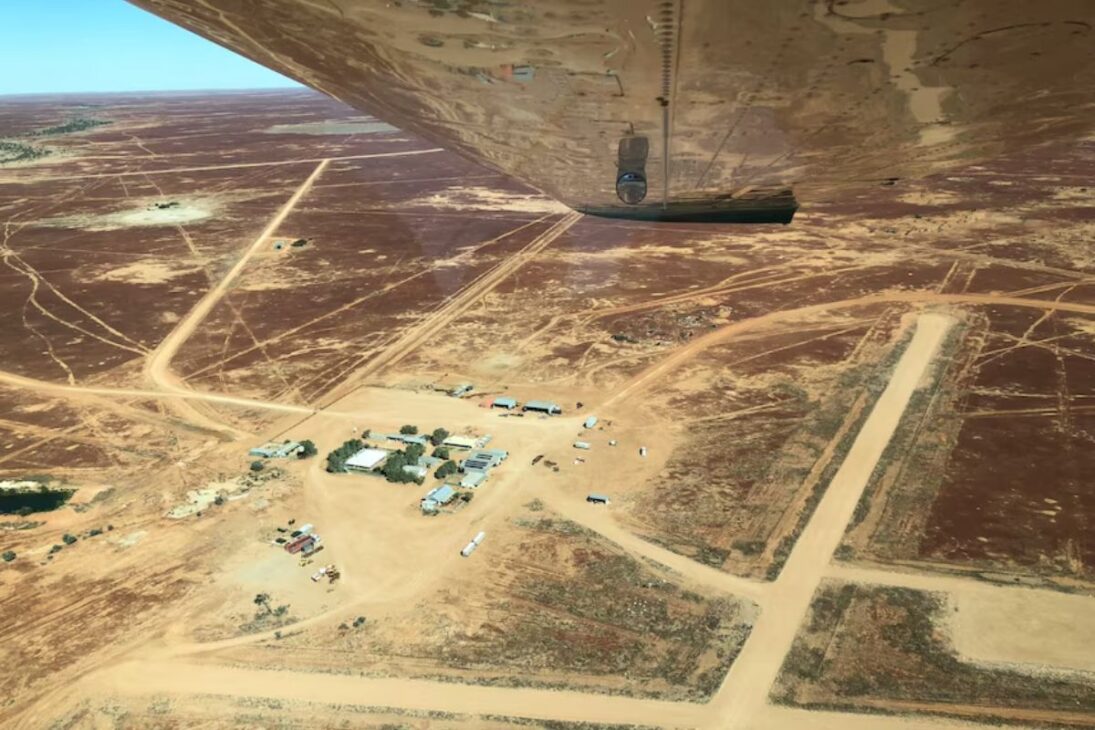
Clifton Hills Station Integrates a Mosaic of Large Properties Located in The Region Known as The Channel Country, a Plain of Braided Channels Stretching Across Queensland, New South Wales, and South Australia.
The Region’s Rivers Do Not Flow Continuously, But Accumulate Energy During Long Periods of Drought and Release It in The Form of Massive Floods After Intense Rain Events.
These Floods Temporarily Transform The Desert Into One of The Most Productive Ecosystems on The Continent.
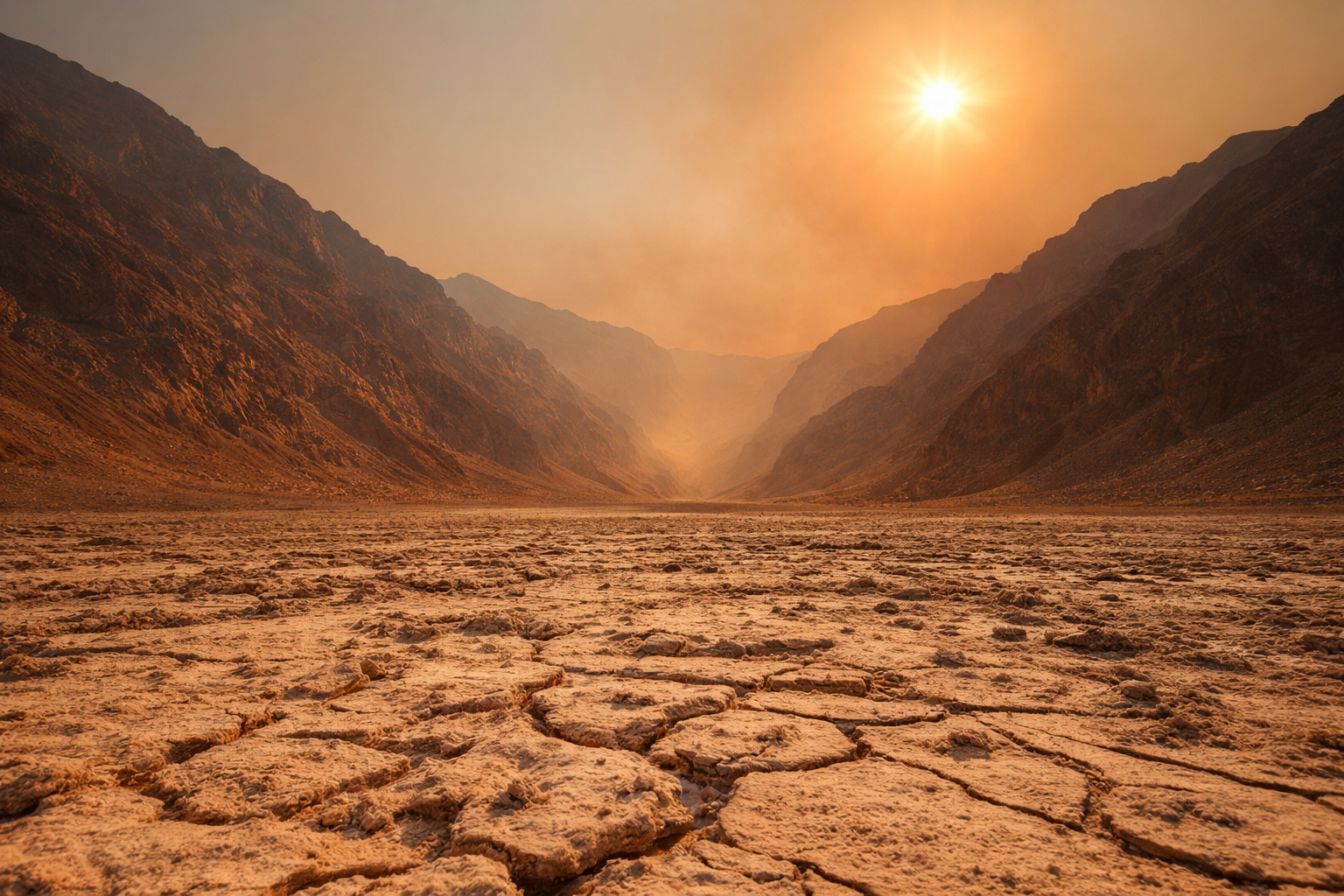
The Landscape Changes From Ocher Tones to Vibrant Green in Just a Few Days, and The Vegetation That Emerges Serves as The Base for The Entire Local Ecological Chain, From Migratory Birds to Commercial Herds.
When The Water Recedes, The Cycle Starts Again, and The Farm Must Quickly Adapt to The New Scenario.
Management and Logistics on a Continental Scale
Managing The Second Largest Cattle Station in The World Is an Exercise in Geographical Coordination and Rural Engineering.
With 17,000 Square Kilometers in Area, Clifton Hills Station Requires Continuous Monitoring Via Air and Land, Teams Distributed at Strategic Points, and An Infrastructure That Includes Airstrips, Wells, Fences, and Sheds Located Hundreds of Kilometers Apart.
The Operation Also Involves Satellite Tracking Technology, Drones, and Radio Communication, Essential Tools for Efficient Herd Management in Remote Regions.
In Addition to The Productive Aspect, There Is a Growing Concern for Environmental Certifications and Animal Welfare Practices, Especially in a Global Context That Values Beef Produced Sustainably.
The Direct Dependence on The Floods of The Diamantina River Places Clifton Hills Station in a Fragile Balance Between Prosperity and Vulnerability.
When The Rain Regime Is Favorable, Productivity Soars. However, In Years of Prolonged Drought, The Operation Faces Severe Losses and High Logistical Costs.
The Challenge Is to Plan Each Crop According to The Unpredictability of The Climate, Making The Most of The Periods of Abundance and Minimizing The Effects of Droughts.
This Management Model Based on Natural Cycles Is One of The Most Distinctive Features of Australian Cattle Raising.
It Demonstrates That, In Arid Regions, Sustainability Depends Not Only on Technology but on The Ability to Read and Respect The Rhythms of Nature.
Do You Believe That Productive Systems So Dependent on The Climate, Like That of Clifton Hills Station, Are Sustainable in The Long Run Given Global Climate Change?






Seja o primeiro a reagir!