





 Portuguese
  English
  Spanish
  6 min of reading
  2 comments


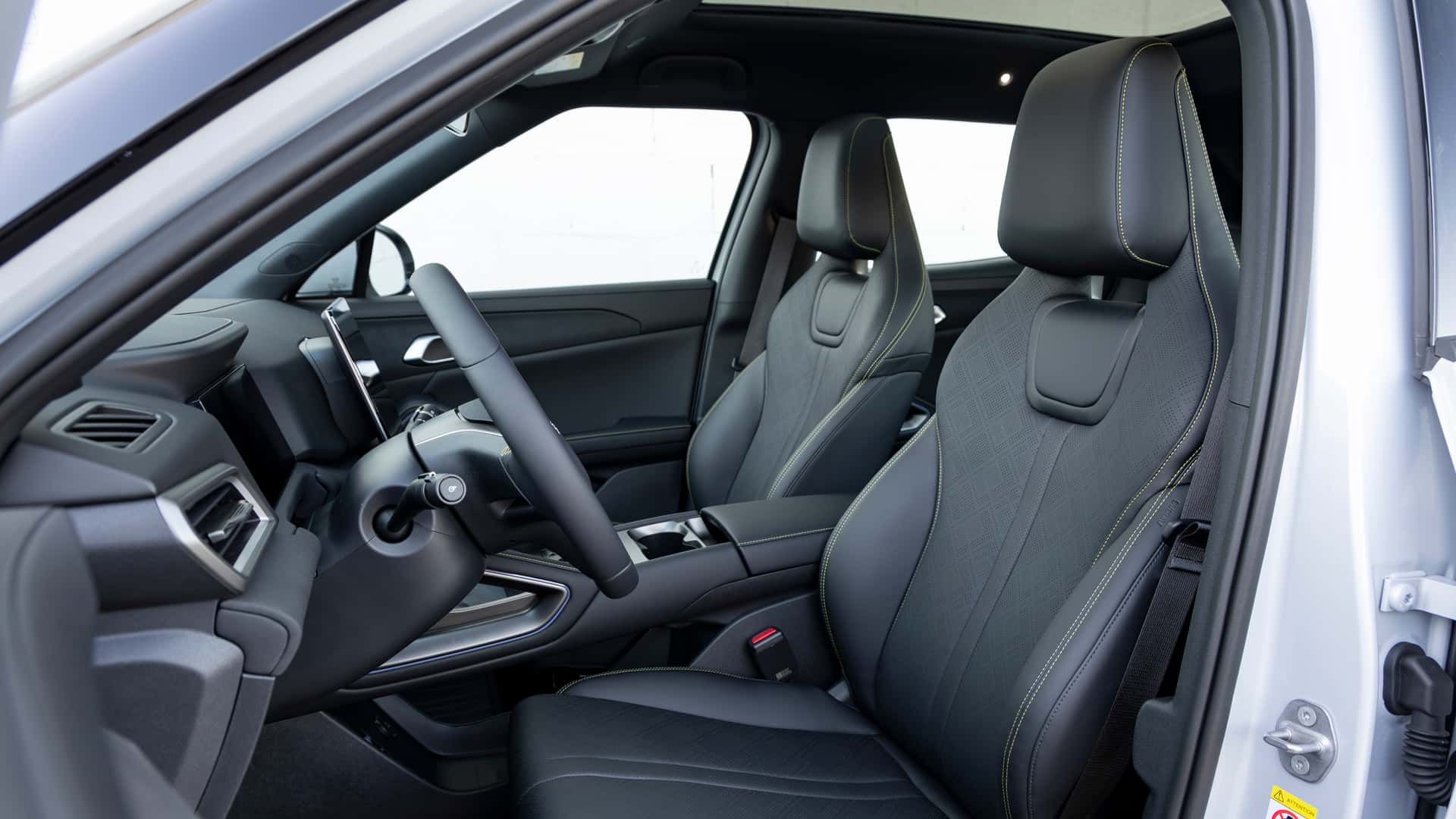


High Power, Extended Range, and a New Hybrid Version Emerge as Assets to Reposition the Compact SUV in the Brazilian Market in 2026.
The BYD Yuan Pro will gain a plug-in hybrid (DM-i) version that has the potential to inaugurate the flex compact SUV PHEV segment in Brazil.
With a combined power of 212 hp, up to 90 km of range in electric mode, and a promise of about 1,000 km of total range with a full tank and a charged battery, the model is expected to arrive in the country in 2026, priced around R$ 170 thousand and targeting hybrids already sold here, such as the Toyota Yaris Cross HEV.
Design and Platform of the Yuan Pro Hybrid
Currently sold in Brazil only as an electric vehicle, the Yuan Pro will become part of BYD’s “super hybrids” DM-i family, the same architecture used in the Song Pro and the Song Plus DM-i.
-
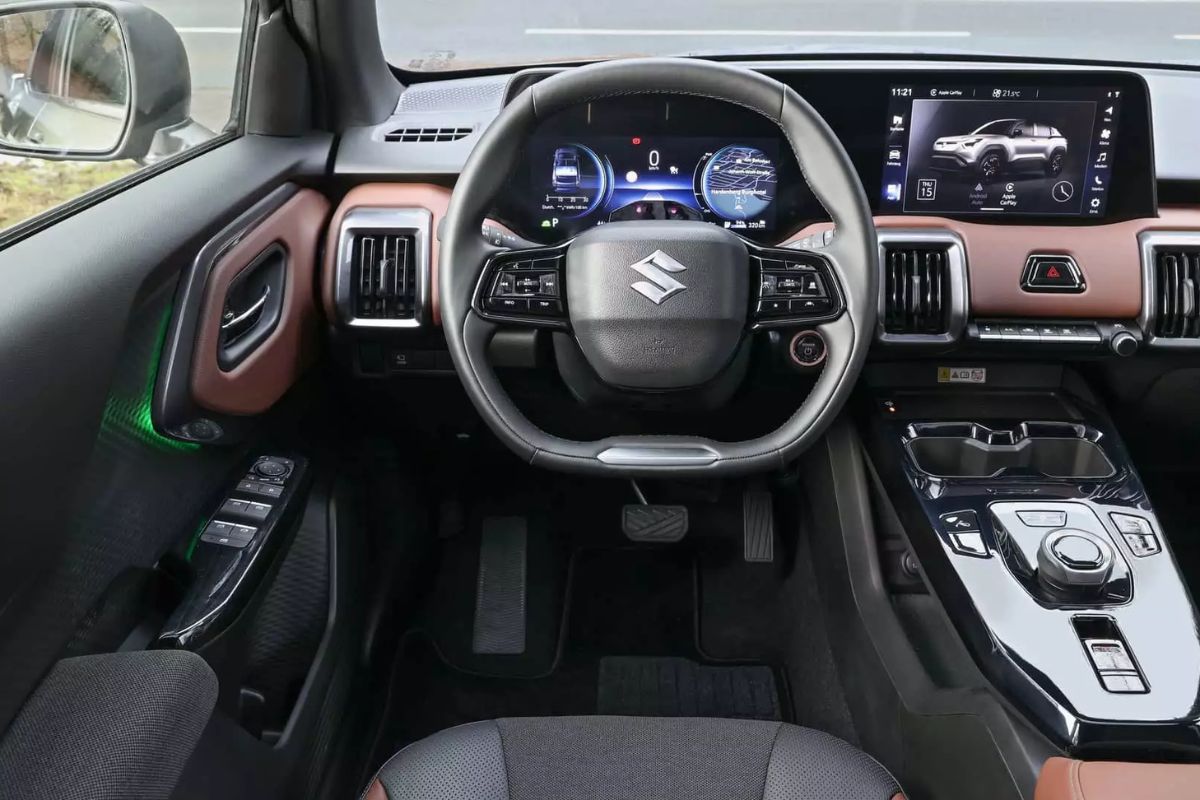
The 2026 electric Vitara arrives in Brazil and proves that Suzuki is not leaving: 4×4 traction, 184 hp, 61 kWh LFP battery, 293 km range, R$ 259,000, and a trunk capacity of 224 L.
-
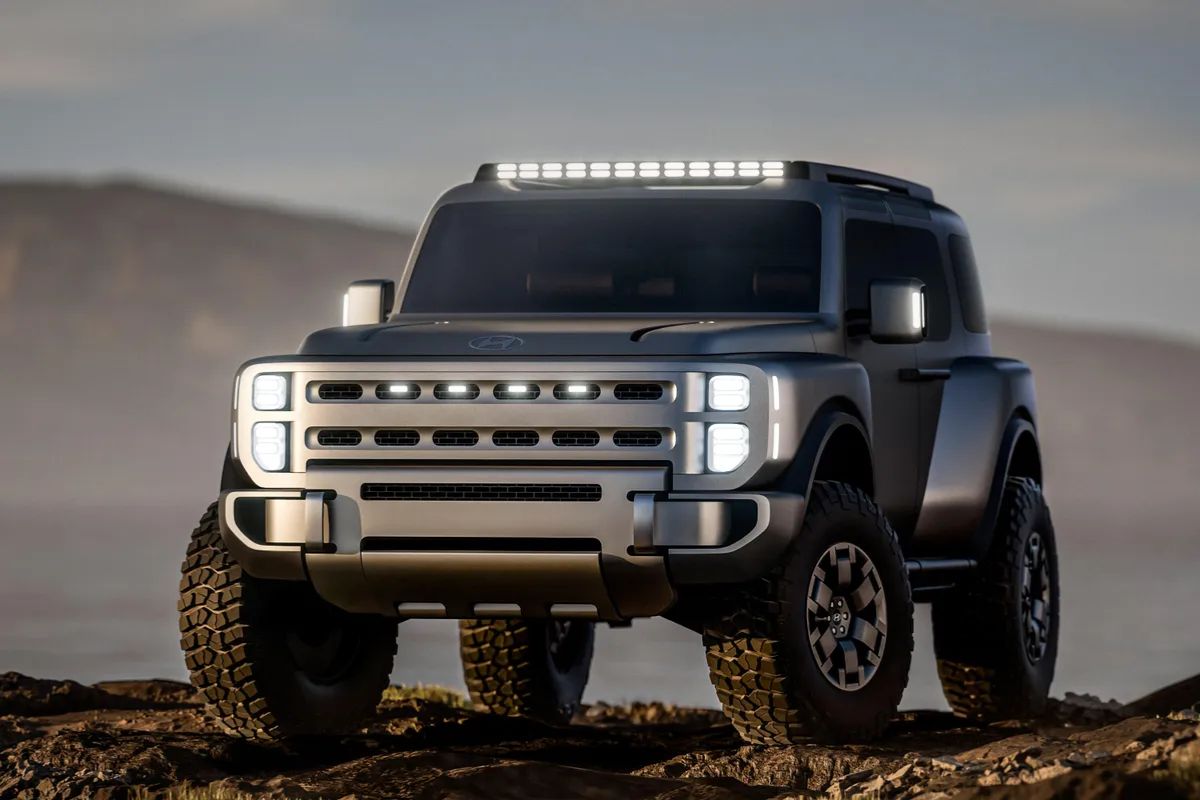
Hyundai has unveiled the Boulder, a square SUV with a body-on-frame design, 37-inch mud tires, and carriage-style doors that seems to be made to take on the Ford Bronco and the Scout Traveller in the United States.
-
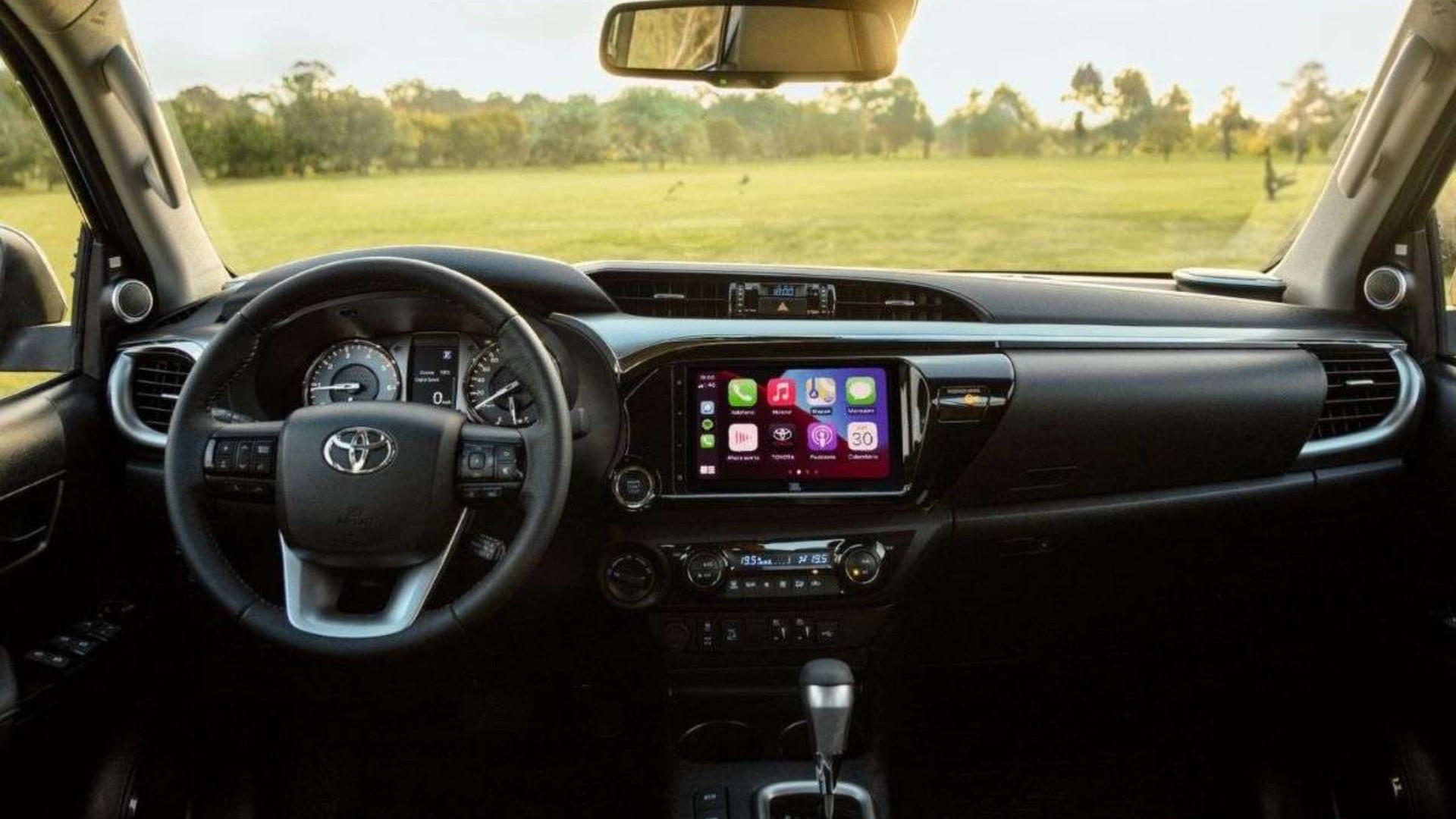
The Toyota Hilux is R$ 75.5 thousand cheaper and bets on the 2.8 turbodiesel engine with up to 204 hp and 50.9 kgfm to catch up with the VW Saveiro, which leads with 4,472 sales.
-
The new Renault Koleos has a screen exclusively for the passenger that is invisible to the driver, heated rear seats, and 29 assistance systems, but its Chinese competitors cost R$ 40,000 less and deliver more power.
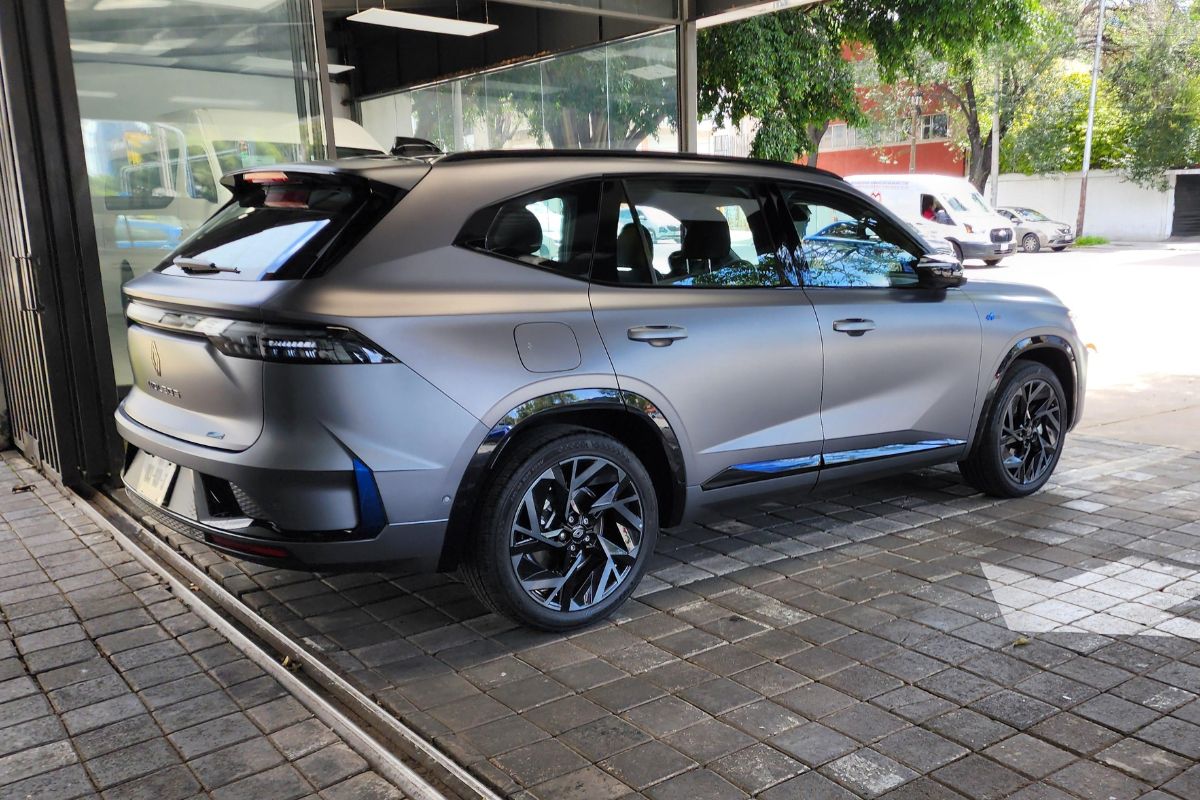

In Europe, the SUV is marketed as the BYD Atto 2 DM-i and has already had official data released, including an electric range of up to 90 km and a total range close to 1,000 km in the WLTP cycle.
The configuration of interest to the Brazilian market is the Boost, which is more powerful.

According to information released in Europe and replicated by the Brazilian automotive press, the set combines a 1.5-liter naturally aspirated gasoline engine with 98 hp and an electric motor with 197 hp, resulting in a total of 212 hp and 30.6 kgfm of maximum combined torque.
In Brazil, BYD has already announced heavy investments in flex plug-in hybrid technology at the Camaçari (BA) factory, where the flex Song Pro DM-i was showcased with a 1.5-liter engine adapted for gasoline and ethanol in any proportion.
The sector’s expectation is that the Yuan Pro DM-i will follow the same path and begin assembly there starting from the second half of 2026, already with a flex combustion engine integrated into the DM-i system.
If this is confirmed, the model could take the title of the first flex plug-in compact SUV in the country, in a move aligned with BYD’s global strategy to expand the offering of PHEVs in markets where total electrification is progressing more slowly.
External Design and Dimensions of the SUV
From the outside, the differences from the electric Yuan Pro are subtle.
BYD practically maintains the same set of LED headlights and front grille, changing only the bumper, which becomes more open and with horizontal elements to favor the cooling of the combustion engine.

The rear retains the connected taillight set, with a design similar to the Dolphin, and adds the DM-i badge to identify the hybrid version.
In profile, it retains the stance of a compact SUV, measuring 4.33 m in length, 1.83 m in width, 1.68 m in height, and 2.62 m in wheelbase.
Interior of the Yuan Pro DM-i and Ergonomic Changes
The cabin is where BYD promotes the most noticeable changes compared to the national electric Yuan Pro.
The joystick gear lever in the center console gives way to a control on the steering column, freeing up space between the front seats and bringing the layout closer to what is already seen in other recent models from the brand.
The dashboard adopts a more minimalist approach, with few physical buttons.
The multimedia system now has 12.8 inches, maintains wireless mirroring for Apple CarPlay and Android Auto, and concentrates most of the controls.
The instrument panel remains digital, at 8.8 inches, and the induction charger is repositioned, making room for a dedicated cell phone slot.
The doors use rigid plastic over a large part of the area, offset by soft surfaces on the dashboard.

The seats feature upholstery that mimics leather, with a finish superior to that observed in many direct competitors.
Motors, Versions, and Performance of the Yuan Pro Hybrid
The Yuan Pro DM-i lineup in Europe includes the Active and Boost versions.
Both use the same basic setup but differ in battery and power delivery.
For the Active, the total power is 166 hp, with a battery of 7.8 kWh and an electric range of around 40 km.
In the Boost version, which is more targeted for Brazil, the Blade battery has 18.3 kWh, ensuring 212 hp and up to 90 km of electric range.
Even with a smaller battery than the electric Yuan Pro sold in Brazil, the hybrid setup of the Boost version is about 50 kg heavier, due to the addition of the combustion engine and the tank.
The performance stands out.
According to the brand, the Yuan Pro DM-i accelerates from 0 to 100 km/h in 7.5 seconds, outperforming sportier compact SUVs such as the Fiat Pulse Abarth and the Fastback Abarth.

The total combined range can reach 1,000 km, considering a full tank and battery.
Driving Impressions and Dynamic Behavior
The first international tests of the Atto 2 DM-i took place in controlled areas.
Nonetheless, reports indicate that the suspension, similar to that of the Brazilian electric Yuan Pro, favors comfort and absorbs irregularities well.
The brake pedal is more sensitive than in combustion models, a common characteristic in plug-in hybrids due to energy regeneration.
The model uses disc brakes on all four wheels.
Space, Comfort, and Limitations of the Trunk
The Yuan Pro DM-i offers good space for passengers, especially in the second row.
Although the wheelbase is 2.62 m, shorter than that of the Volkswagen T-Cross, the internal use is efficient and accommodates occupants up to 1.80 m tall comfortably.
The nearly flat rear floor improves comfort for those sitting in the center.

BYD added rear air conditioning vents, addressing a point criticized in previous versions.
The trunk remains modest, with 265 liters, a number lower than many compact hatches.
Standard Items and Assistance Technologies
The list of equipment follows BYD’s recent strategy to enhance onboard technology.
The SUV features adaptive cruise control (ACC), lane-keeping assist, autonomous emergency braking, and 360-degree cameras.
The package should also include digital air conditioning, a keyless entry system, an induction charger, full-LED headlights, and connected multimedia.


Estimated Price and Market Positioning in Brazil
In Europe, the Atto 2 DM-i starts at around 28,200 euros for the Active version and 31,200 euros for the Boost.
Experts project that the Yuan Pro DM-i will arrive in Brazil at around R$ 170 thousand, a range that could position it as the most accessible hybrid in the country, offering superior performance compared to many combustion SUVs.
The model could gain relevance in BYD’s rankings in Brazil, surpassing the still modest commercial performance of the current electric Yuan Pro.
When it finally reaches Brazilian dealerships, will the combination of competitive pricing, efficiency of the hybrid system, and a 7.5 s performance be enough for it to really “turn the game” among compact SUVs?







PESSOAL NAO SE EMPOLGUEM ANTES DE OLHAR O PREÇO DAS REVISOES ABSURDOOO
Brasileiro só acorda quando o sonho vira pesade, e as vezes briga para não acordar. Aiai.