





 Portuguese
  English
  Spanish
  5 min of reading
  0 comments


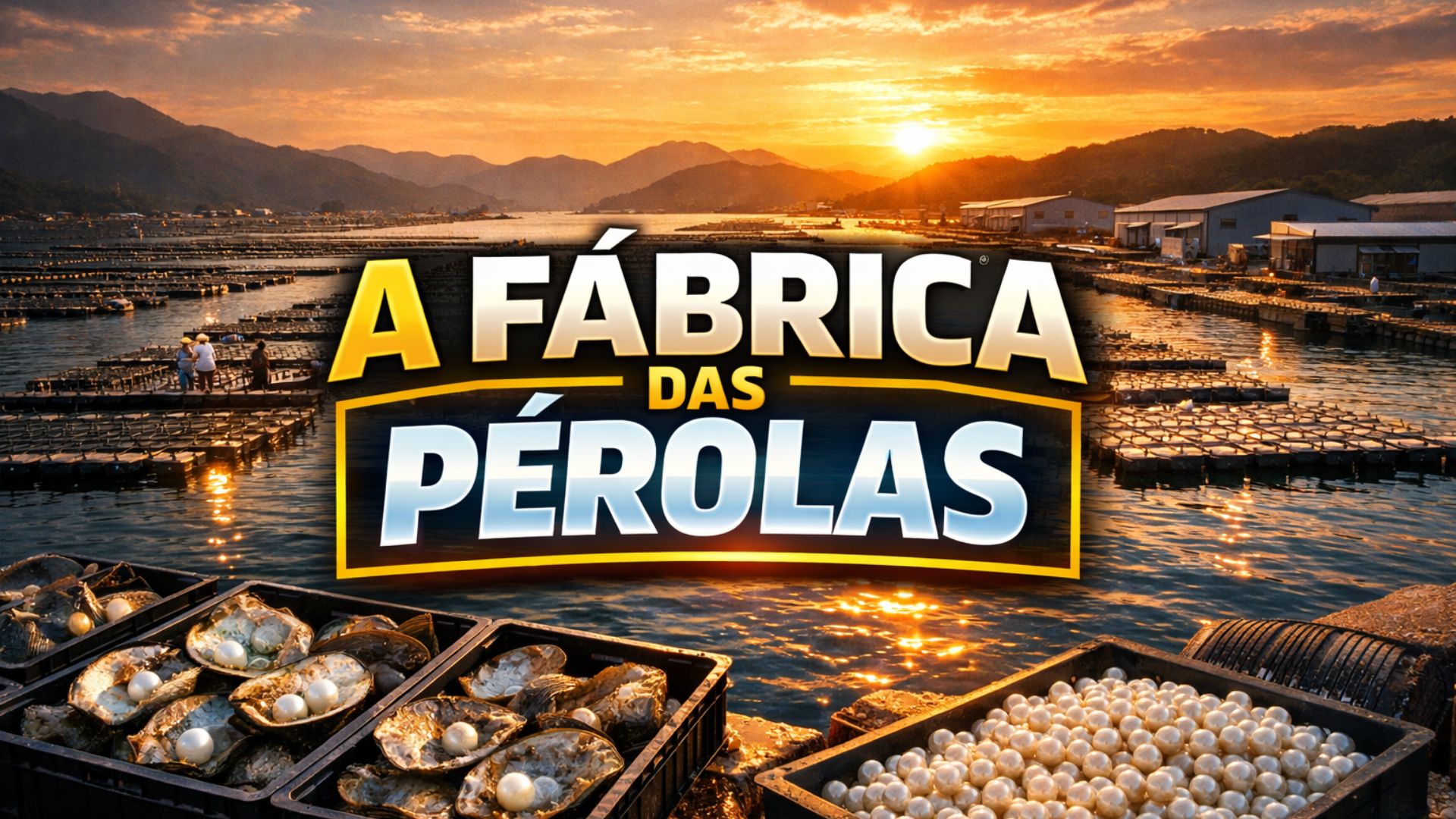
Chinese Sweetwater Pearl Cluster Concentrates Colossal Production, Integrates Cultivation and Commerce and Standardizes Steps from Mussels to Gems, with Impressive Numbers and Little-Known Industrial Insights Outside Asia.
Zhuji, a city in the Zhejiang province in eastern China, concentrated an estimated production of 600 tons of cultivated sweetwater pearls in 2024 and accounted for about 70% of global production of this type of gem, according to government data cited by the jewelry industry press.
In the same year, annual sales of pearls associated with the local cluster would have exceeded 50 billion yuan, a number that helps gauge the economic weight of a chain that, beyond the shine in retail, operates with standardized cultivation, sorting, and processing routines.
The transformation of the mussel into a “factory” for pearls occurs in a system that combines aquaculture and industry.
-
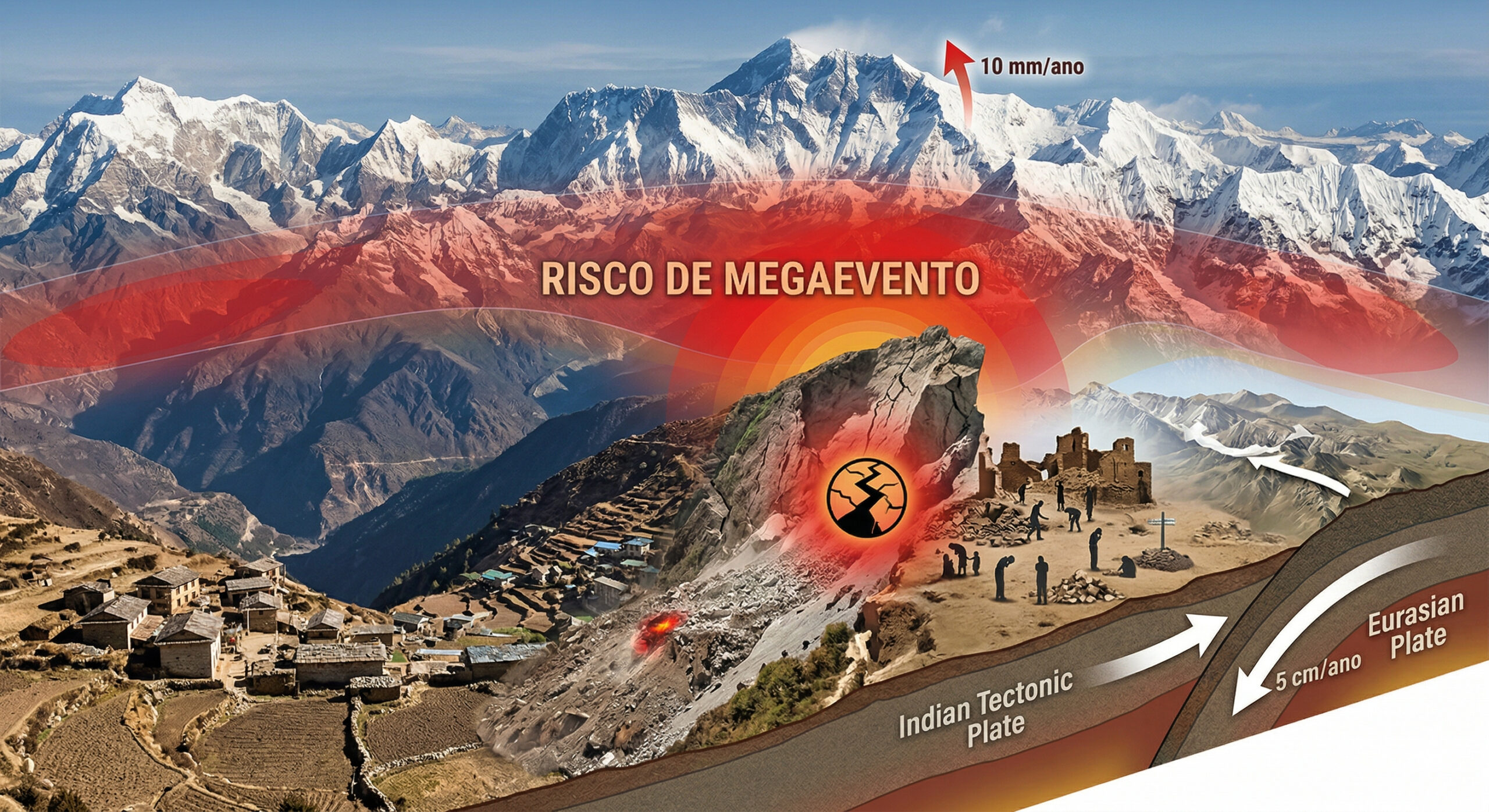
The Himalayas continue to grow to this day, with tectonic plates advancing 5 cm per year, mountains rising up to 10 mm annually, and the 2015 earthquake that killed 9,000 people may have increased the risk of an even larger seismic mega-event.
-
At an altitude of 400 km by astronauts from the International Space Station, Paris transforms at night into a golden mesh so precise that it reveals the outline of the Seine River, avenues, and entire neighborhoods like a luminous map drawn over the Earth.

-
iPhone 17 reaches historic low price with 256 GB, 120 Hz display, and drops to R$ 5,703 on Shopee, featuring A19 chip, dual 48 MP cameras, battery life of up to 30 hours, and advanced AI features.

-
Trip to Mars getting closer: Pulsar Fusion, from the UK, advances with plasma ignition in fusion engine and could drastically reduce space travel time, making crewed missions faster, safer, and economically viable.

In Zhuji, the trade and circulation hub of the product is often associated with Shanxiahu, an area mentioned in industry reports as a point of intense market activity, bringing together stages that range from cultivation in sweet water to processing, manufacturing, wholesale, research, development, and jewelry sales.
In practice, what arrives at the showcases as a luxury or fashion item goes through a chain of repeated operations at scale, with quality criteria that need to be uniform to sustain the volume.
How the Mussel Forms the Cultured Pearl
The material basis of this business is less intuitive for those who only see the finished jewel.
Pearls are formed by a mollusk through the deposition of nacre, and in the case of cultivated pearls, the process begins with human intervention: the intentional introduction of a “trigger” inside the animal to stimulate the formation of the pearl sac.
Encyclopedias and gemology institutions describe that this intervention can involve the insertion of a foreign body and, depending on the method and species, the use of mantle tissue from another mollusk, a procedure that requires technical skill and protocols to reduce mortality and contamination.
Cultivation Techniques and Large-Scale Standardization
In the case of cultivated sweetwater pearls produced in China, technical studies from the Gemological Institute of America describe a scenario where many gems are formed from nucleation by mantle tissue, and not necessarily by a rigid sphere implanted, which influences the final result and how the product is identified in examinations.
One of the species mentioned in studies on Chinese production is the mussel Hyriopsis cumingii, associated with advances in techniques that have allowed for increased size, regularity, and volume, compared to earlier phases of the industry.
The cultivation stage, although it varies according to the producer and commercial objective, usually follows a recognizable script.
The mollusks are raised in sweet water environments and managed to reach the appropriate size before the implantation procedure.
Generally speaking, workers open the shell just enough to access the inside without causing irreversible damage, perform the insertion of the material that will initiate the formation process, and return the animal to the cultivation environment.
From there, the “work” of the pearl is biological: the mollusk deposits layers of nacre over time until the gem reaches commercial characteristics.
Scale appears when this cycle stops being occasional and becomes repeated with standardization.
A cluster that claims to produce hundreds of tons per year needs to operate with a large number of mollusks, management and harvesting calendars, as well as routines to reduce losses.
The logic approaches intensive aquaculture: monitoring water environment, control of cleaning and biofouling, organization of batches, and predictability of harvesting, because subsequent processing depends on a constant flow of raw material.
From Harvest to Classification: Sorting, Shine, and Quality
After the harvest, the mussel’s journey to becoming a jewel enters another phase.
The pearls are removed, washed, and undergo successive sorting.
It is at this point that the “industrial” aspect becomes visible to those following the behind-the-scenes: classification involves attributes such as size, shape, color, shine, and surface quality, and can be performed with the aid of equipment designed for separation and preparation for jewelry use.
Industry reports mention the presence of automatic sorting and drilling machines, indicating that part of the scale gain is not only in cultivation but in the ability to standardize steps that were previously mostly manual.
Global Market and Impact on Jewelry Retail
The commercial circuit completes the picture.
Zhuji is described as an ecosystem that integrates cultivation, processing, and commerce, with markets and international buying and selling centers that concentrate operators, manufacturers, and distributors.
In 2024, industry news itself recorded a slowdown in the sector compared to the peak of the previous year, associating the movement with a more cautious economic environment, but without indicating a rupture in the model.
The productive structure and market base continued to be pointed out as factors that sustain the relevance of the cluster.
The global dimension of the business connects directly with consumption outside China.
The specialized press in the jewelry sector reported statements from representatives of the North American and European markets indicating greater competitiveness of Chinese sweetwater pearls, highlighting advances in quality and color diversity, as well as attractiveness in sales volume.
This type of comment is relevant because it positions the cluster not only as a large producer but as a supplier that influences trends, availability, and prices in consumer markets far from the cultivation site.
What Comes to Brazil and Why This Background Matters
In Brazilian retail, pearls appear in necklaces, earrings, and rings in different price ranges, from fashion accessories to high jewelry, and part of this universe is fed by global chains that start in Asian production hubs.
When a city concentrates a dominant share of global production of a raw material, it tends to become a reference of origin for buyers, distributors, and manufacturers that supply other countries.
In this context, understanding the “industrial life” behind the shine helps explain why certain pieces become popular, why there are waves of colors and shapes, and how distant centers can influence what reaches the showcases.
If most of the sweetwater pearls in the world pass through such an organized and repeatable system, how does this change the way one perceives a jewel that, in the imagination, is still treated as something rare and artisanal?







-

-

-

-

5 pessoas reagiram a isso.