





 Portuguese
  English
  Spanish
 5 min of reading
  0 comments


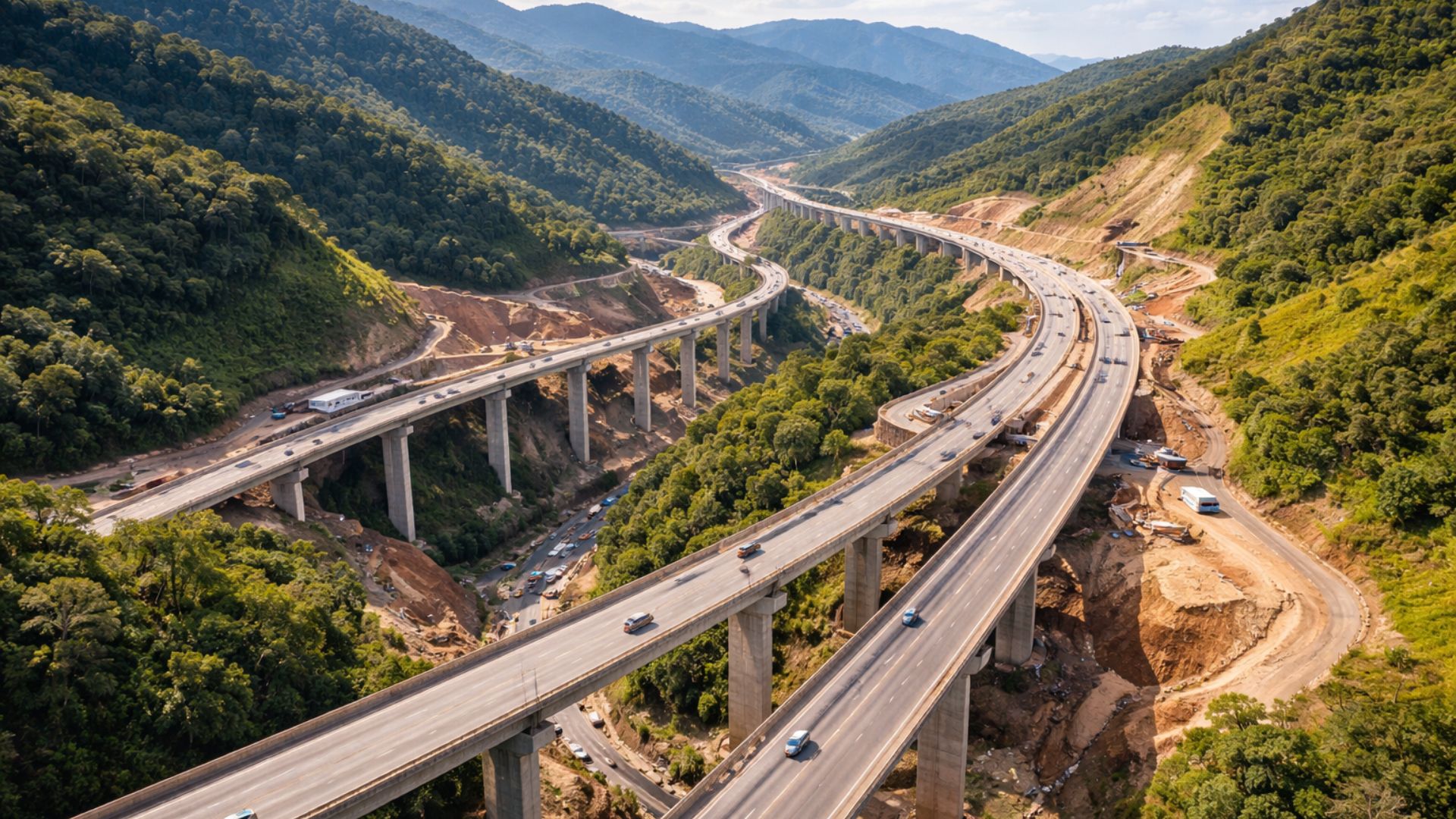
Investment Redefines Strategic Route of Via Dutra, with Capacity Expansion, Focus on Road Safety, and Promise to Reduce Historical Bottlenecks in the Link Between Rio de Janeiro and São Paulo, Affecting Logistics, Daily Movements, and Surrounding Communities.
The modernization of Serra das Araras, on the stretch of BR-116 (Via Dutra) between Piraí and Paracambi in the state of Rio de Janeiro, concentrates one of the largest road construction fronts underway in the corridor linking the metropolitan regions of Rio de Janeiro and São Paulo.
The project covers approximately 16 kilometers, includes 24 viaducts, widening of lanes and shoulders, and the implementation of two escape ramps, with an estimated investment of R$ 1.5 billion.
The declared objective is to increase the road’s capacity, reduce critical congestion points, and elevate road safety standards.
-
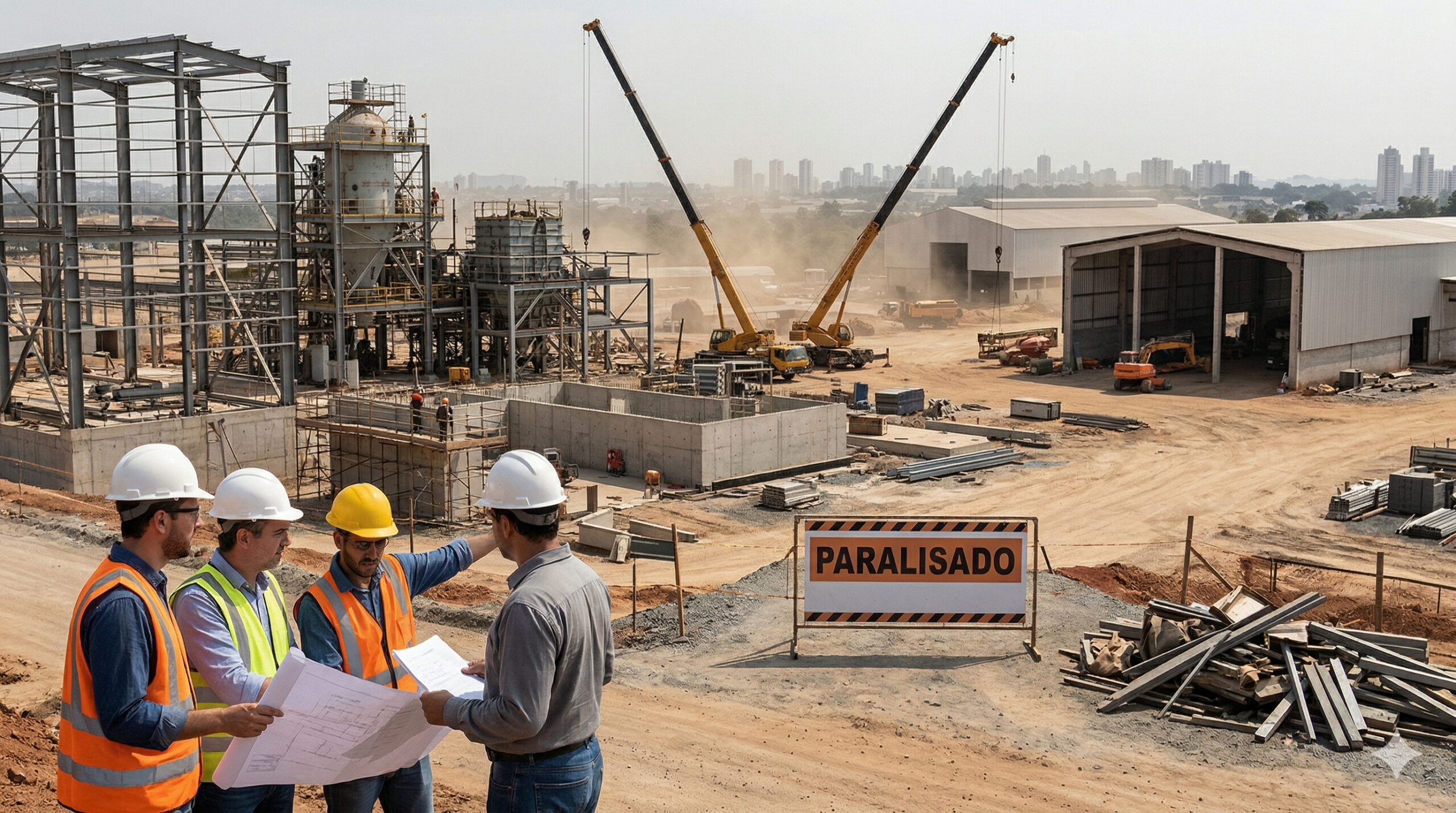
The lack of welders, electricians, and operators becomes a structural threat in 2025, with the construction industry and manufacturing already suffering from delays, cost pressures, and labor shortages in Brazil.
-
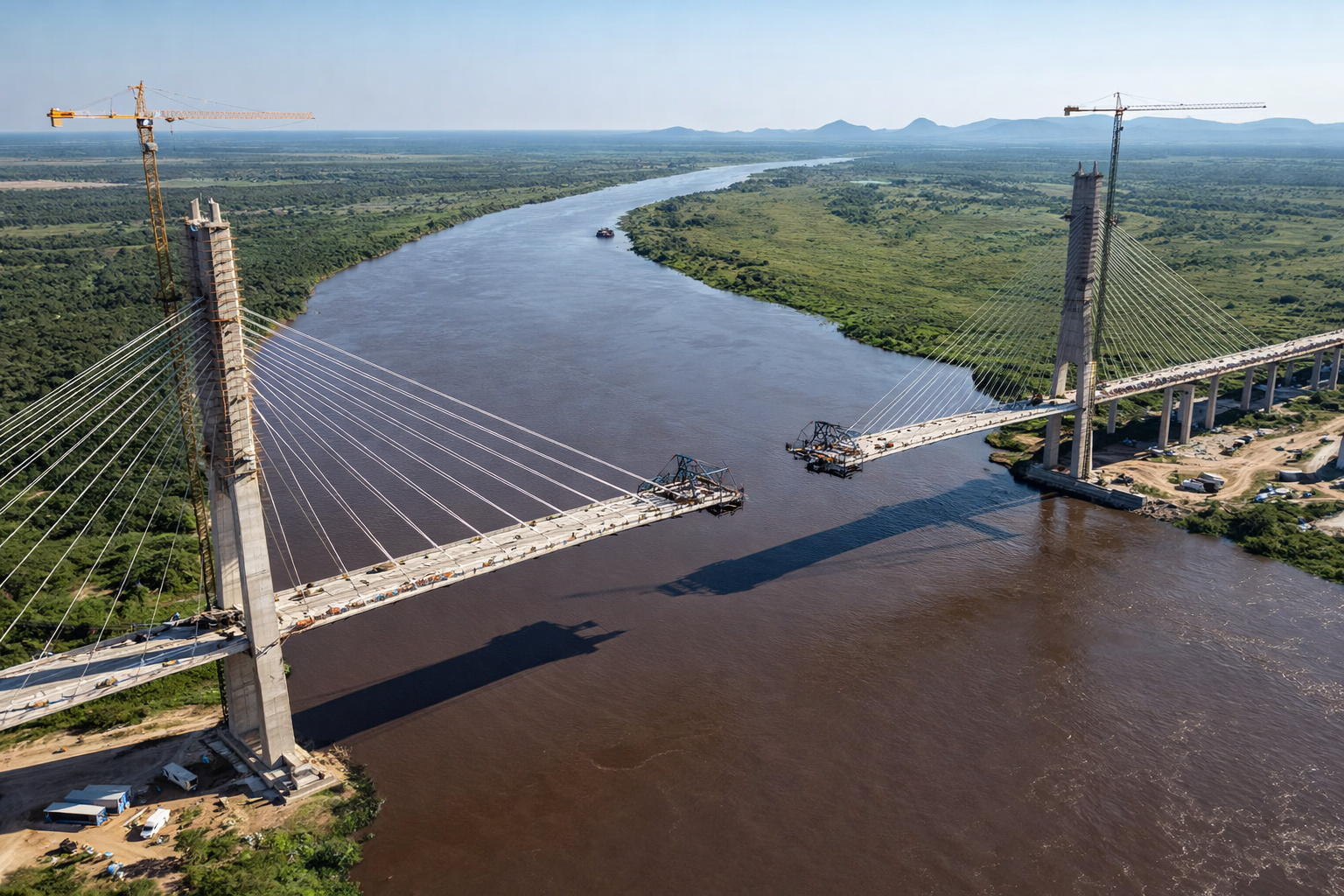
Brazil and Paraguay are just 46 meters away from a historic union on the bioceanic bridge that promises to revolutionize trade between the Atlantic and the Pacific.
-
With 55 km over the sea, a cost of US$ 20 billion, and enough steel to build 60 Eiffel Towers, China’s largest project has connected Hong Kong, Zhuhai, and Macau in a colossal bridge that defies the logic of engineering.

-
A trick with joint compound transforms a Styrofoam ceiling into a plaster-like ceiling: leveled panels, wires and mesh at the joints, sand, paint, and change the environment while spending little today.


According to data released by public agencies and the concessionaire responsible for Via Dutra, the reconfiguration of the stretch has the potential to significantly alter traffic dynamics in the mountains.
The official projection indicates an increase in the average speed from approximately 40 km/h to 80 km/h, with a reduction of travel time of up to 50% on the descent, towards Rio de Janeiro, and up to 25% on the ascent, towards São Paulo, specifically considering the mountain segment.
New Route of Serra das Araras on BR-116
The current route of Serra das Araras is marked by sharp curves and segments where speed decreases significantly.
This combination requires constant attention from drivers and imposes limitations on traffic flow.
With the construction, the design of the road will follow more recent parameters of road engineering, with multiple lanes in each direction, wider shoulders, and new road connections.
Along the stretch under construction, pedestrian overpasses and crosswalks are planned.
Also included are adjustments for access and return points.

The proposal aims to reorganize the entry and exit points of the highway, reducing direct interference with the main traffic and providing safer alternatives for those living in the adjacent areas.
Also included in the scope are interventions aimed at historically associated bottlenecks.
On long ascents, trucks tend to lose speed, forming queues.
On long descents, excessive use of brakes increases the risk of mechanical failures.
The widening of lanes and the review of slopes aim to mitigate these effects, as described in the project’s technical materials.
Application of the Investment of R$ 1.5 billion
The projected amount is not limited to paving.
A significant portion of the funds is directed towards earthworks, stabilization of slopes, and the implementation of drainage systems.
These stages are considered essential in a section with rugged terrain and subject to episodes of heavy rain.
Another central component is the so-called special structures.
The project includes 24 viaducts, which total over four kilometers in length, in addition to bridges and walkways.
These structures allow crossing valleys and watercourses and enable a more continuous alignment, with less need for sharp curves.
Operational items, such as horizontal and vertical signage, guardrails, and protective barriers, are also part of the investment package.
The project also includes lighting and camera monitoring systems.
These facilities are used to guide users and support traffic management in routine and emergency situations.
Road Safety as the Central Axis of the Work
Serra das Araras sees a high volume of daily traffic, with a significant participation of heavy vehicles.

In this context, safety emerges as one of the central guidelines of the project.
One of the planned elements is the implementation of two escape ramps, aimed at trucks that may lose braking efficiency on descents.
Additionally, the plan includes continuous and wider shoulders.
These structures allow for the removal of vehicles with mechanical failures without completely blocking the lanes.
According to traffic engineering specialists, this type of solution helps to reduce the impact of minor incidents on the highway’s flow.
The project also incorporates interventions for landslide containment and stabilization.
These measures aim to reduce the risk of landslides that can halt circulation.
Simultaneously, increased lighting and the use of electronic monitoring support enforcement and incident response.
This approach is considered particularly relevant at points classified as sensitive.
Timeline and Current Status of the Works
The project’s timeline provides for deliveries in phases.
There are distinct milestones for the uphill and downhill directions of the mountain.
Under the original contract, total completion is spread over the next few years.
The concessionaire, in turn, has indicated the possibility of accelerating the delivery of the set.
In this context, 2027 is mentioned as a target for completion, conditioned to the pace of the works and the necessary approvals.
Recent reports indicate significant progress in execution.
The activities are taking place simultaneously at different points along the stretch.
As the work continues, users of Via Dutra are experiencing operational adjustments.
These include temporary changes in signage and targeted traffic interventions.
These changes are adopted according to the needs of the works.
Impacts on Transportation and Surrounding Communities
Serra das Araras directly influences the transportation of goods and passengers between Rio de Janeiro and São Paulo.

With the expectation of reduced crossing time in the mountain segment, the project tends to impact the predictability of long-distance trips.
This aspect is considered significant by logistics operators and transportation companies.
For drivers of light vehicles, the change is associated with the reorganization of traffic flow.
It is also linked to a reduction in sections where the speed drops abruptly.
Industry technicians evaluate that the combination of the new route, additional lanes, and better signage contributes to decreasing conflicts between vehicles of different sizes.
In the surrounding area, residents of Piraí, Paracambi, and neighboring areas will benefit from new planned crossings and accesses.
The clearer separation between local traffic and long-distance traffic is noted in project documents as a measure to reduce irregular crossings.
The reorganization also affects the daily movements of the local population.
With the gradual delivery of the interventions, the stretch ceases to operate exclusively with the original configuration.
It will thus incorporate more recent road engineering standards.
The formal expectation is that the new Serra das Araras will reduce frequent interruptions caused by accidents and breakdowns.
The goal is to maintain greater regularity of flow at one of the most sensitive points on Via Dutra.
When all phases are completed and the new route is fully operational, how will the reconfiguration of Serra das Araras reflect in practice on the daily routine of those traversing the main highway axis between Rio de Janeiro and São Paulo?








-

-

-

-

-

21 pessoas reagiram a isso.