





 Portuguese
  English
  Spanish
 6 min of reading
  1 comment





Works on SP-284 Duplication Are Advancing at an Accelerated Pace in Western São Paulo and Promise to Change Logistics, Road Safety, and Regional Flow, with Investment Over R$ 476 Million and Delivery Scheduled for 2027.
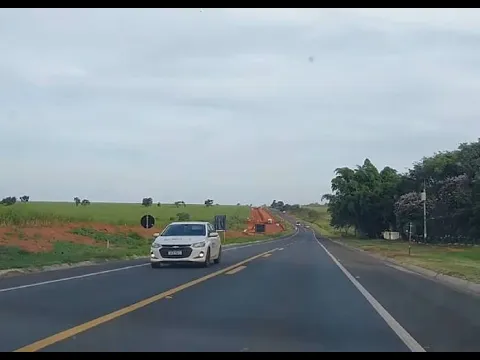
The Prefeito Homero Severo Lins Highway (SP-284), a corridor connecting cities in Western São Paulo and facilitating the movement of production towards Paraná and Mato Grosso do Sul, is undergoing one of the largest road interventions in progress in the interior of São Paulo.
The concessionaire Eixo SP, under the supervision of Artesp, is executing the duplication of approximately 59 kilometers of new lanes between Assis and Martinópolis, with an estimated investment of R$ 476 million and an expected completion in 2027.
The intervention aims to address a long-standing problem.
-
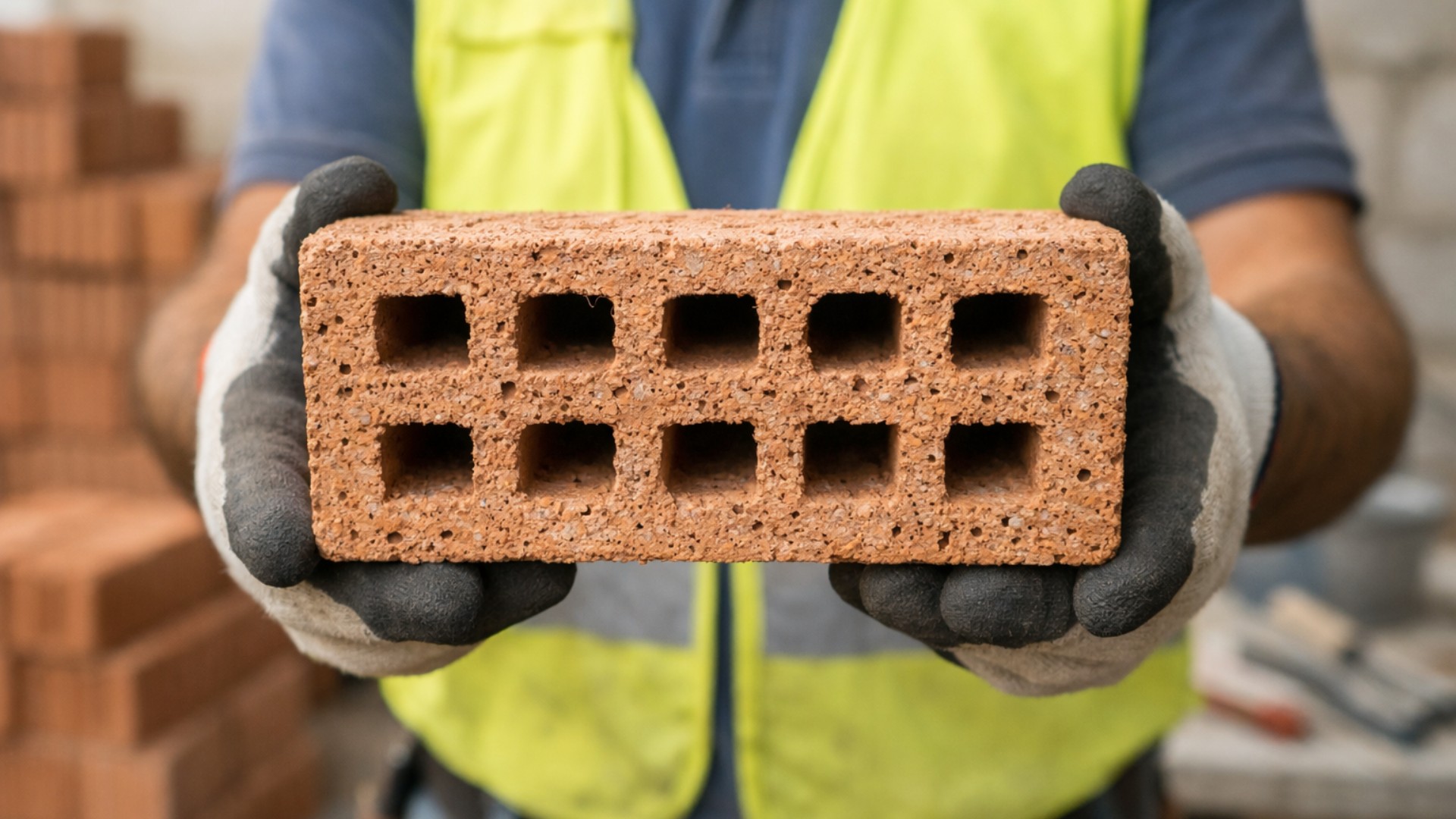
Scientists use sawdust mixed with clay to create a lighter brick, promising efficient thermal insulation and impressing by transforming waste into a solution for construction.
-
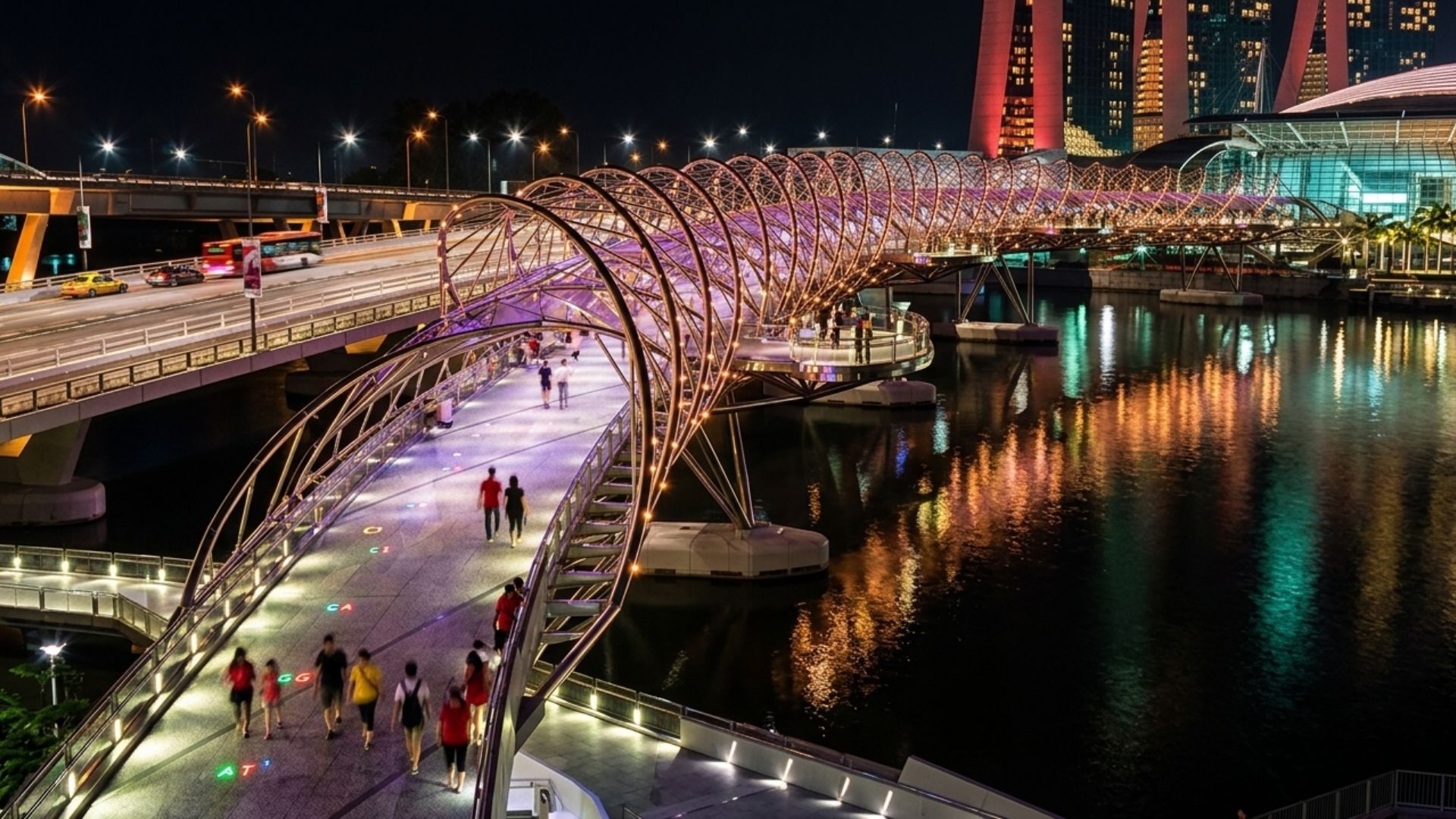
With a DNA shape, this bridge in Singapore draws attention in modern architecture and surprises tourists by transforming a simple crossing into an unforgettable visual experience in the urban heart.
-
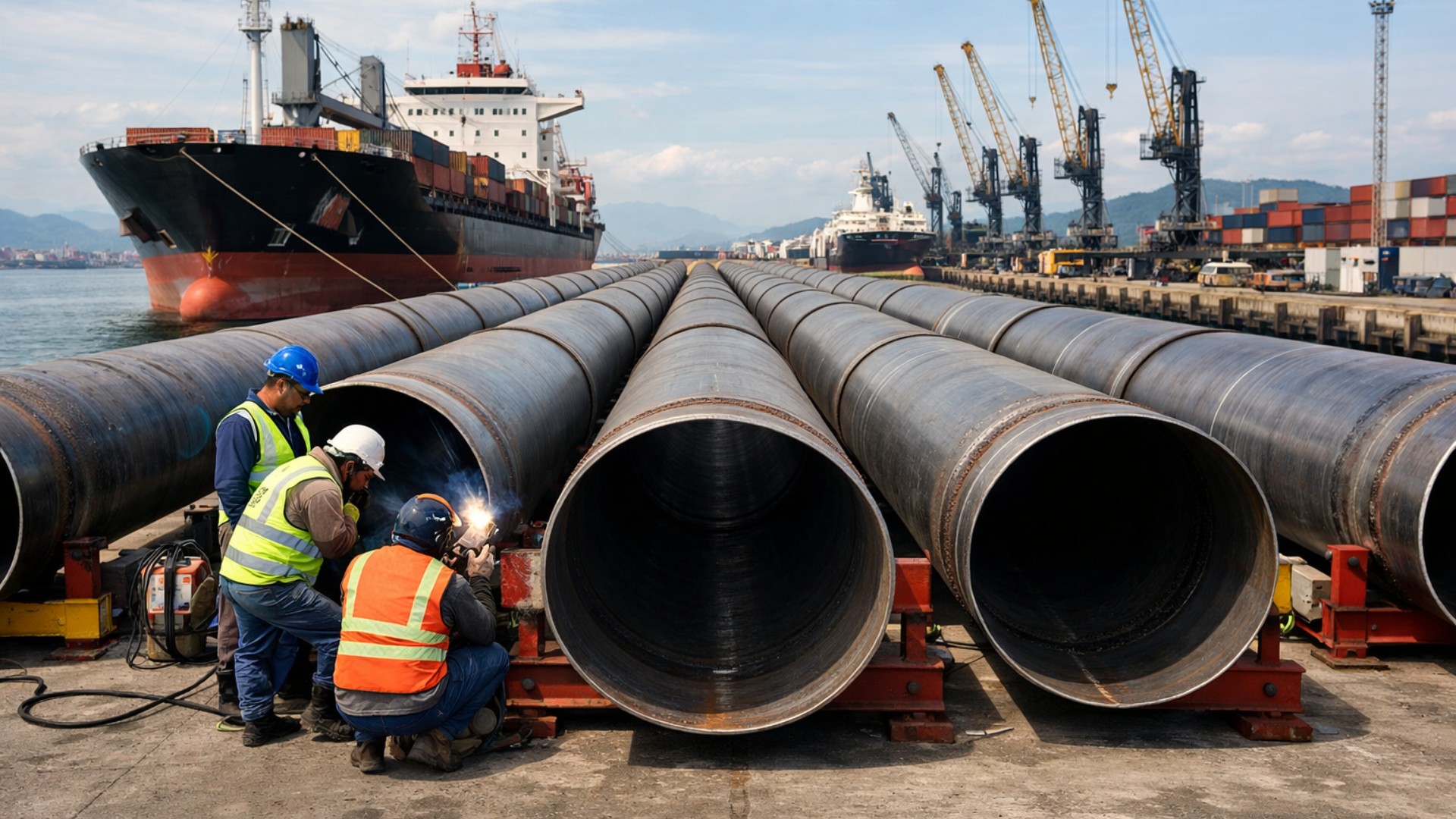
Giant underwater pipeline begins to take shape with a R$ 134.7 million project at the Port of Santos: the 1.7 km structure uses 12-meter and 700 mm pipes to supply water to 450,000 people in Guarujá.
-
A mason reveals a professional plastering technique that uses aligned guides and a 3-meter ruler to plaster an entire wall in up to 3 hours, without visible seams, with uniform thickness, perfect plumb, and a finish ready for painting without rework.


The combination of a single lane, heavy truck traffic, and intense daily light vehicle flow has turned the highway into a critical point for safety and regional mobility.
The expectation of the São Paulo government and municipalities is to reduce accidents, decrease travel times, and provide greater predictability for cargo and passenger transportation throughout the western axis of the state.
SP-284 Duplication and Structure of the Works
The ongoing duplication is concentrated in phase 1 of the project approved by state environmental agencies.
This phase encompasses two major stretches: approximately 28 km between Assis and Paraguaçu Paulista and about 31 km between Rancharia and Martinópolis, totaling nearly 59 km of new lanes.
Work began in 2023, with the establishment of work sites, topography services, and earthworks.
Throughout 2024 and 2025, work fronts progressed with earth movement, deep drainage, beam launching for special structures, and the execution of access devices.
This has required stop-and-go operations and temporary detours in urban stretches, especially in Paraguaçu Paulista and Martinópolis.
The full concession plan provides for, in two phases, the duplication of approximately 104 km of SP-284, including a future third stretch between Paraguaçu Paulista and Rancharia, scheduled for after 2040.
The phase currently underway is considered the most urgent, as it handles the highest traffic volume and crosses urban areas with a high accident record.
Environmental Licensing and Mandatory Conditions

Before the start of the duplication, the project underwent an Environmental Impact Study and Environmental Impact Report (EIA/RIMA), conducted under the coordination of CETESB.
Public hearings took place in 2022, in Paraguaçu Paulista, Assis, and Rancharia, and supported the technical analysis of the project.
In April 2023, the State Council for the Environment (CONSEMA) approved, through Deliberation No. 05/2023, the technical opinion of CETESB that concluded the environmental viability of the duplication between kilometers 447+257 and 550+530.
The deliberation conditions the project on the execution of environmental programs for erosion control, wildlife and flora monitoring, social communication, and traffic management during the works.
The study identified 33 potential environmental impacts, distributed across physical, biotic, and socioeconomic aspects, and defined 14 environmental programs to be fulfilled.
Among the measures planned are compensatory planting, adjustment of drainage for wildlife passage, rescue of flora and fauna, and monitoring of water quality, as well as control of noise, dust, and interference with neighboring communities.
Engineering and Road Safety Solutions
<pDuplicating an existing operational highway requires minimal interference with the existing lane.
On SP-284, the project provides for duplicated lanes with a grass median in rural areas, concrete barriers to reduce head-on collisions, and grade-separated devices to separate flows and enhance safety during turns.
In urban passages, such as in Paraguaçu Paulista and Rancharia, the design includes service roads, sidewalk requalification, elevated crossings, and lanes separated by New Jersey-type barriers.
The concessionaire also plans three new metal walkways, two in Paraguaçu Paulista and one in Rancharia, all with accessible ramps in accordance with current standards.
The existing pavement will be recycled with the addition of cement.

The new lanes will receive layers of graded gravel and hot-mixed asphalt concrete, a standard used for high traffic of goods.
Lighting will be modernized with LED fixtures, increasing nighttime visibility and reducing energy consumption.
Horizontal and vertical signage will also be redone with more durable materials.
Drainage solutions include the expansion of ditches, channels, gutters, and longitudinal drains.
Existing structures will be adapted to reduce erosion and allow the passage of wildlife under the highway.
The bridges over water bodies in the region will receive structural reinforcements and hydraulic adjustments, ensuring the continuity of the road and controlling siltation.
Costs of Duplication and Comparison with Other Highways
With an investment of R$ 476 million over approximately 59 km, the average cost of the SP-284 duplication is R$ 8 million per kilometer.
This figure is in line with roadworks of intermediate to high standards in the country.
In other strategic corridors, such as the BR-116 between Guaíba and Pelotas, the figures follow a similar proportion, with unit costs in the single-digit millions per kilometer.
In grade sections, the cost rises significantly.
In the metropolitan area of Belo Horizonte, DNIT estimates over R$ 900 million for just over 31 km of BR-381/MG, due to the complex geology and engineering solutions required.
These comparisons help to gauge the scale of SP-284.
The investment amount would be sufficient, depending on the adopted standard, to build regional hospitals, finance thousands of affordable housing, or fund university scholarships.
Nonetheless, governments highlight that a duplicated highway generates direct impacts on logistics, travel times, safety, and the attraction of new ventures.

Mobility and Regional Development in Western São Paulo
In practice, SP-284 serves as a structuring axis of mobility in Western São Paulo.
It connects hubs such as Assis, Paraguaçu Paulista, Quatá, João Ramalho, Rancharia, and Martinópolis, providing access to agricultural areas, mills, and consumer goods industries.
The single lane, pressured by the increase in grain and raw material transportation, has turned entire stretches into bottlenecks of fluidity and recurring points of head-on accidents.
With the duplication and new access devices, the expectation is to reduce grade crossings, improve crop flow, and facilitate the transport of patients and health supplies.
It should also shorten the daily commute for those who rely on the highway for work or study.
City halls and business entities see the work as essential for expanding the establishment of companies and distribution centers along the corridor, increasing employment and revenue.
During the construction phase, the worksite boosts the local economy, with the hiring of workers, purchase of supplies, and demand for accommodation, food, and transportation services.
In the medium and long term, the gain in accessibility is expected to benefit everything from the circulation of goods to regional tourism, bringing medium and small towns closer to the São Paulo network.
For the state government, the intervention also carries a political component.
It signals the intent to bring higher standard infrastructure to the deep interior, transforming an old bottleneck into a vector of regional development.
With works at an intense pace and temporary changes in urban traffic, the highway is undergoing a transitional phase until the configuration planned for 2027.




Gasta-se bilhões de Reais/Dólares em duplicações desnecessárias de rodovias ao invés de se investir em Ferrovias.
Um exemplo, deveria ser a recuperação/modernização da ferrovia que sai de S . Paulo, passando p/Campo Grande-Mato G. do Sul, ligando c/ a Bolívia e futuramente integrando com os portos do Chile.
Enquanto a China investe pesado em ferrovias e trens modernos, de altas velocidades, nós estamos andando a passos lentos de “PATINHOS FEIOS”, no sistema ferroviário, em um país rico em potencial, porém, pobre em pensamento, planejamento e execução.
Até quando vamos ser medíocres?