





 Portuguese
  English
  Spanish
  5 min of reading
  0 comments


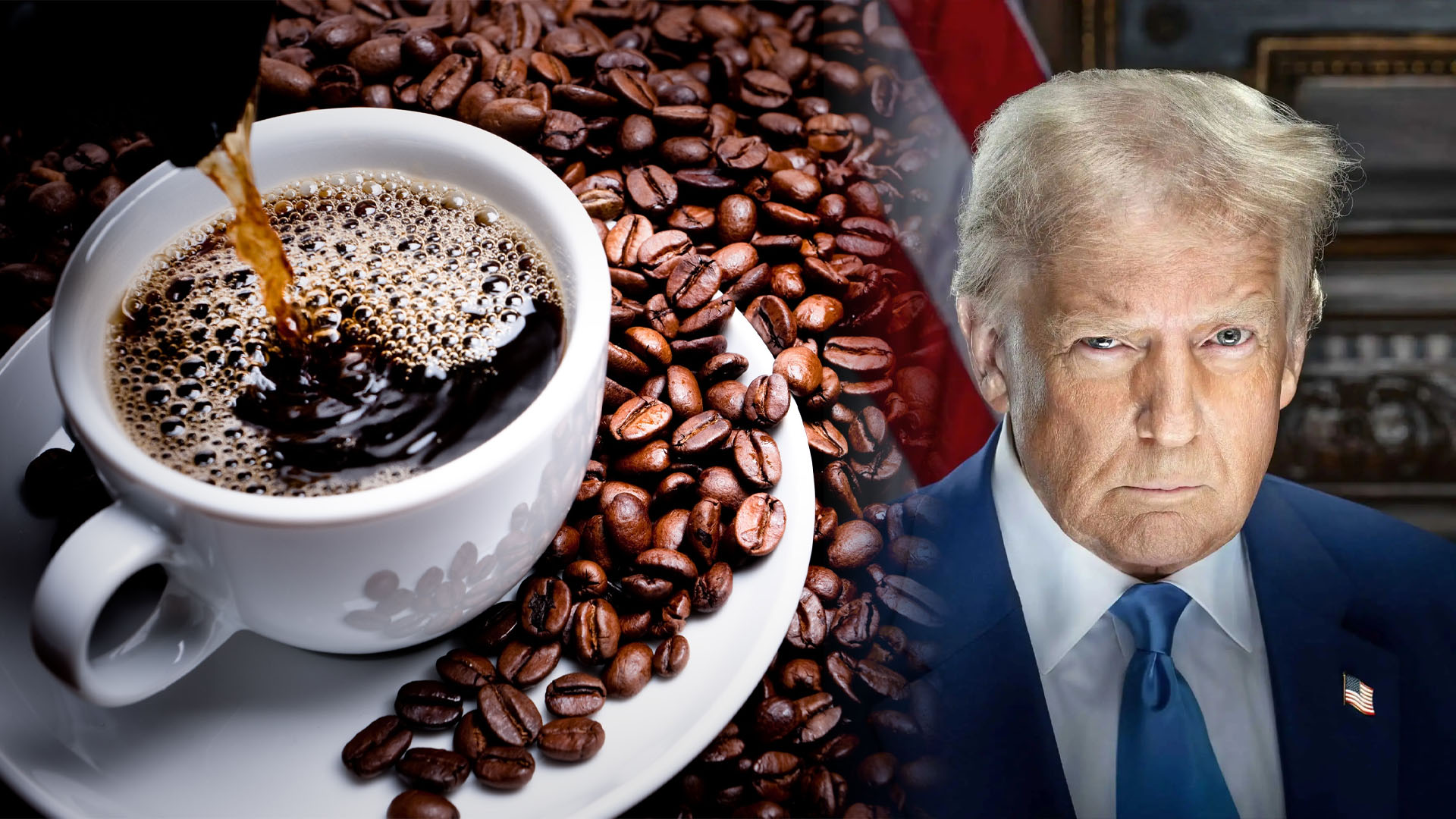
Trump Administration Decision to Eliminate the 40% Surcharge on Brazilian Coffee Affected the New York Stock Exchange and the Pockets of Producers. Futures Prices Fell at the Opening of the Session, While Exporters Calculate How Much They Can Earn in This New Phase of the Commercial Relationship with the United States.
The President of the United States Removed the 40% Surcharge on Brazilian Coffee Imports, Part of a Tariff Package Adopted Months Ago Amid Political Tensions with Brasília. In Practice, the Cost for American Importers Falls Significantly and Changes Market Sentiment.
According to specialized coffee outlets, the “C” contract for arabica at the New York Stock Exchange (ICE Futures US) Fell Approximately 4% to 5% Shortly After the Announcement. There Was Also a Drop in Contracts Linked to Robusta in London, Reflecting Expectations of a Greater Supply of Brazilian Coffee in the International Market. The Movement Confirms the Sensitivity of the Commodity to Changes in Tariffs and Trade Policy.
The Tariff Cut Occurs at a Time When the United States Is Trying to Curb the Rising Cost of Living. The White House Has Been Pressured by Consumers and Roasting Companies Complaining About the Rising Prices of Foods and Beverages, Including Coffee. The Reduction of Import Taxes Is Presented by the Government as a Quick Way to Ease Prices on Grocery Shelves.
-
The largest food company on the planet, JBS, has just opened a 4,000 square meter laboratory in Florianópolis to develop customized proteins that modulate muscle mass gain, immune response, and metabolic performance.

-
After nearly 30 bids and competition among industry giants, a Spanish company purchases one of the largest airports in Brazil for almost R$ 3 billion and takes over the management of Galeão in a concession that will last until 2039.

-
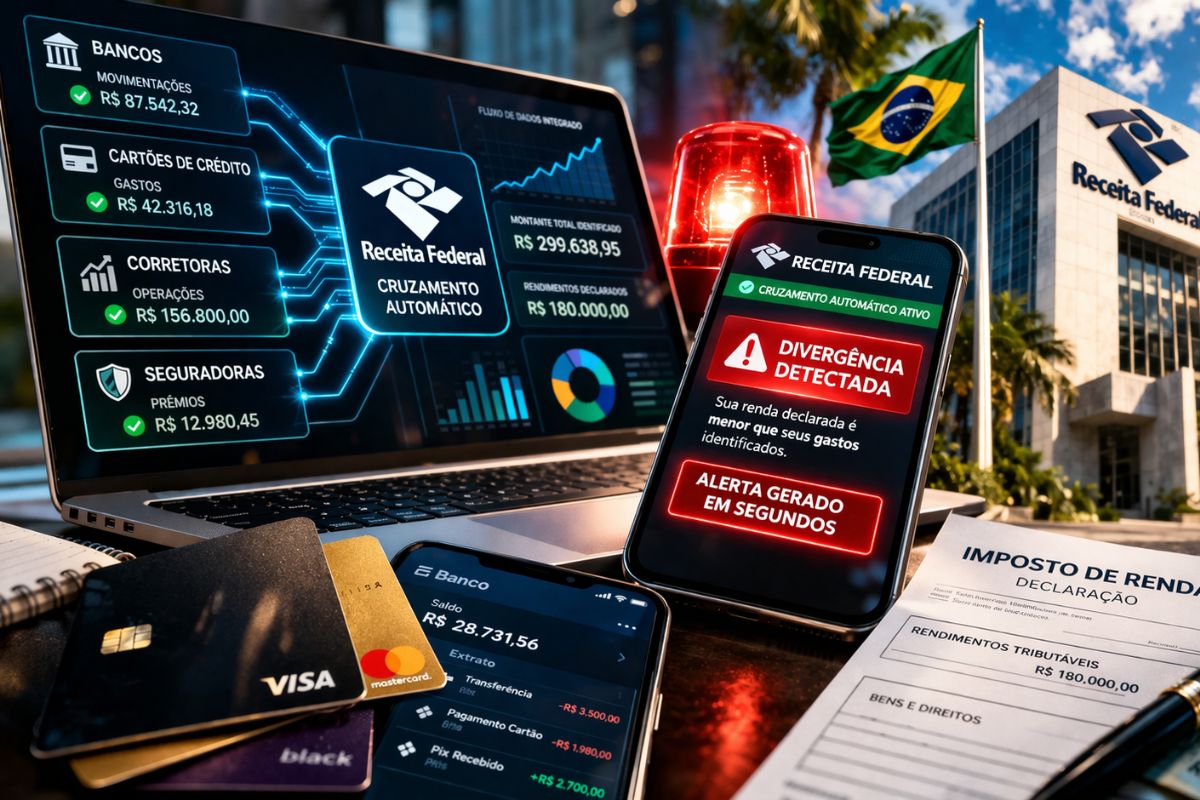
The Federal Revenue Service now automatically cross-references everything you declare with data from banks, credit cards, brokerage firms, and insurance companies, and any discrepancy between your income and your expenses triggers an alert in seconds.
-
Amid global tensions, Brazil blocks the United States’ proposal at the WTO and paves the way for a trade crisis and possible retaliations.
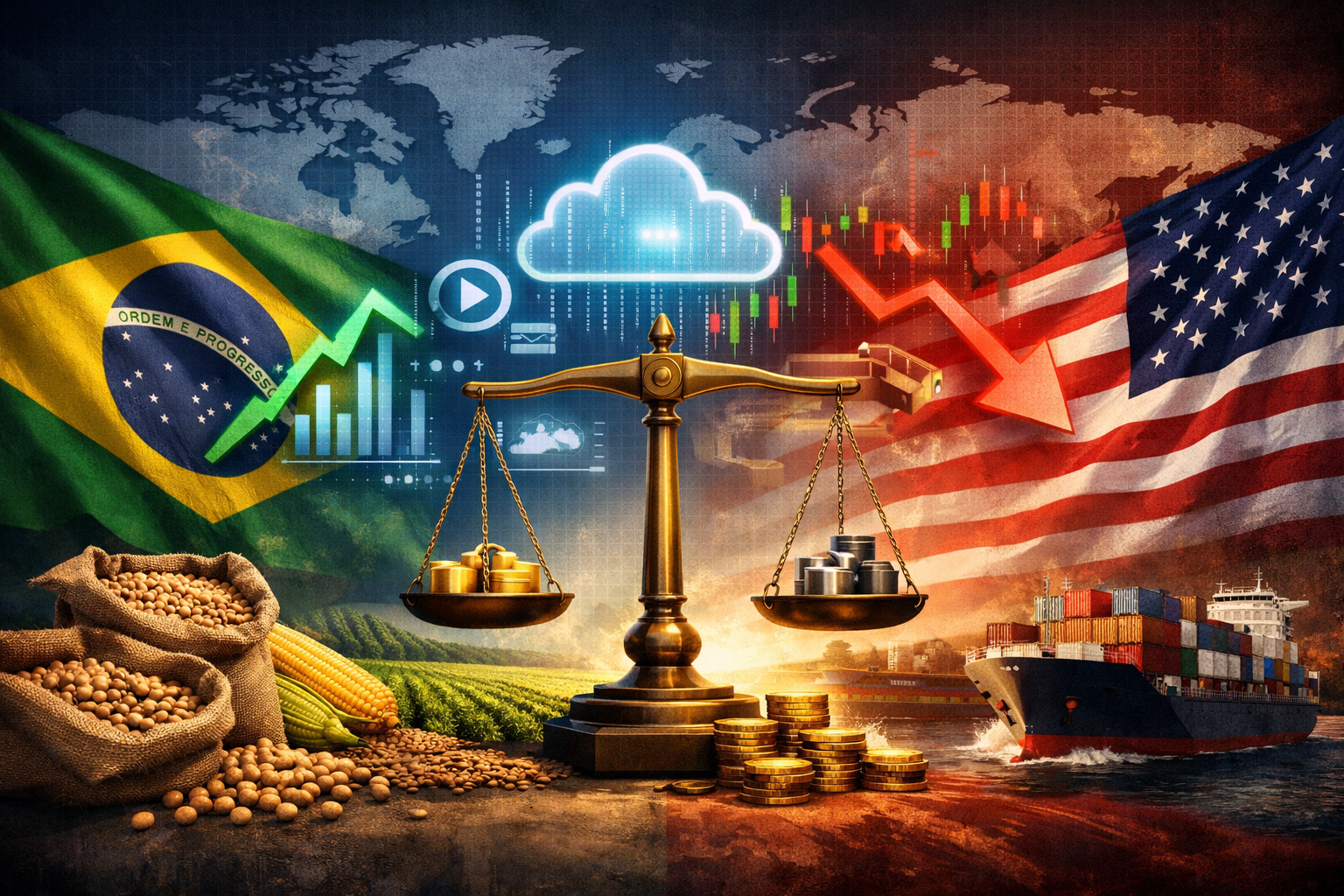

For Brazil, the World’s Largest Coffee Producer and Exporter, the Measure Has Strategic Weight. Studies Cited by Organizations Such as Solidaridad and International Trade Data Show That the Country Accounts for About 40% of Global Coffee Production and More Than 30% of World Exports. Any Change in Market Access Rules to the United States Is Likely to Ripple Through the Entire Chain, from Small Producers to Large Exporters.
How The Tariff Reduction Changes The Game in The International Coffee Market
The Removal of the 40% Surcharge on Brazilian Coffee Makes the Product More Competitive Against Other Suppliers. Importers in the United States Pay Less Tax to Bring the Beans from Brazil, Which Reduces the Final Price in Dollars and Improves Profit Margins in Roasting. This Tends to Shift Part of the Demand That Is Currently in Competing Countries, Such as Colombia, Vietnam, and Some African Producers.
Foreign Trade Experts Remind Us That Brazil Is Already One of the Main Suppliers of Coffee to the American Market. Recent Data Indicate That Between 16% and 20% of Brazilian Coffee Exports Are Destined for the United States, Generating Annual Revenue Between US$ 1.3 Billion and US$ 2 Billion. With The Tariff Cut, This Share May Grow, Further Reinforcing the Sector’s Dependence on the North American Consumer.
There Is Also a Direct Effect on International Quotations. With Cheaper Access to Brazilian Coffee, Large Buyers Anticipate Contracts and Adjust Positions on the Stock Exchange, Explaining the Immediate Drop in Futures Prices. Meanwhile, Other Exporting Countries May Have to Lower Their Prices or Offer More Aggressive Conditions to Avoid Losing Market Share in the U.S., Intensifying Global Competition.
What Changes for Brazilian Coffee Producers and Exporters
On the Brazilian Side, the Measure Is Seen as a Window of Opportunity to Recover Volumes Lost During the Period of Higher Tariffs. Associations Linked to the Coffee Sector Had Been Warning That Surcharges of Up to 50% on Exports to the United States Could Undermine Competitiveness and Push Buyers Toward Other Suppliers. With the Reduction of the Rate, There Is Room to Renegotiate Contracts and Reclaim Part of This Market.
Exporters Say That the Tariff Cut Tends to Stimulate New Investments in Logistics, Quality, and Certifications. With Slightly Better Margins, Companies Can Modernize Warehouses, Finance Sustainability Programs, and Provide Technical Assistance to Producers.
At the Same Time, the Sector Knows That the Advantage May Be Temporary, As Political Decisions in the United States Often Change with the Electoral Climate and Internal Disputes.
Risks, Uncertainties, and The Role of Sustainability in Brazilian Coffee
Despite the Initial Euphoria Over the Tariff Drop, There Are Doubts About the Stability of International Coffee Prices. If Demand for Brazilian Beans Rises Too Quickly, There Is a Risk of Logistical Bottlenecks at Ports, Higher Freight Costs, and Even Shipping Delays. This Type of Problem Has Been Observed at Other Times of Strong Demand, Which May Limit Some of the Gains Expected by Exporters.
Another Sensitive Point Is Producer Income. An Improvement in Price in Dollars Doesn’t Always Translate to More Money in the Field, Especially When Exchange Rates Fluctuate or When Traders and Industries Capture Most of the Benefit.
Producer Organizations Advocate for Contracts to Be Structured More Transparently So That the Tariff Cut Actually Results in Better Compensation for Those Who Produce Coffee.
There Is Also a Growing Debate About Working Conditions and Socio-Environmental Impacts in the Coffee Supply Chain. Recent Reports by Human Rights Organizations Have Documented Cases of Conditions Similar to Slavery on Brazilian Farms, Raising Alarm Among Importers and Consumers in the United States and Europe. If Brazil Increases Exports Without Addressing These Issues, It May Face Non-Tariff Barriers Such as Boycotts and Stricter Traceability Requirements.
The Pressure for Sustainable Agricultural Practices Is Also Likely to Increase with The New Scenario. Reports from International Organizations Remind Us That The Spread of Coffee into Sensitive Areas, Combined with Extreme Weather Events, Threatens Long-Term Productivity. Investments in Proper Land Management, Shading, and Deforestation Reduction Will Be Crucial for The Country to Maintain Competitiveness Without Destroying Its Productive Base.
In This Context, The Reduction of Tariffs May Serve as Both an Incentive and a Test. If The Sector Uses The Tax Relief Merely to Increase Volume Without Enhancing Social and Environmental Standards, It Is Likely to Face Criticism and Possible New Restrictions in The Future. On The Other Hand, If It Converts Gains into Quality, Sustainability, and Value Added, Brazilian Coffee May Emerge from This Episode Even Stronger in The Global Market.
Will Brazilian Consumers Notice The Difference in Coffee Prices?
The Question Many Are Asking Is Whether The Tariff Cut in The United States Will Lower Coffee Prices in Brazil. Economists Remind Us That The Price to Consumers Here Depends on Various Factors, Such as Exchange Rates, Crop Harvests, Internal Costs, and Industry Margins, Not Just on American Demand.
In Some Cases, Higher External Demand May Even Keep Internal Prices Steady or High If There Is Competition for The Same Bean.
In The End, Trump’s Decision Opens a Discussion That Goes Far Beyond The New York Stock Exchange: Should Brazil Bet Even More on The American Market After Such A Recent Tariff War? Do You Think The Country Is Benefiting or Simply Becoming More Dependent on A Single Buyer?
Leave Your Opinion in The Comments and Join The Debate on Whether This Tariff Cut Is A Necessary Boost for Agribusiness or A Risk to The Economic Sovereignty of Brazilian Coffee.







Seja o primeiro a reagir!