





 Portuguese
  English
  Spanish
  5 min of reading
  0 comments


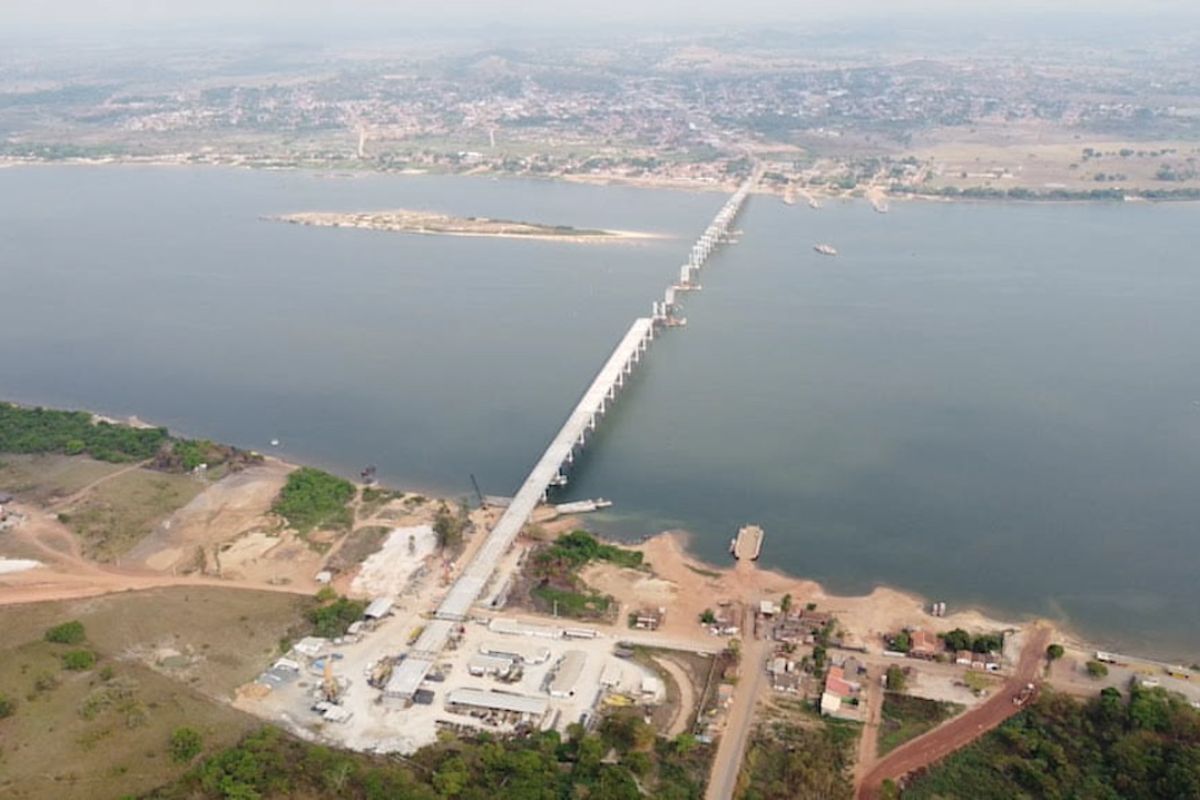
New Bridge of Xambioá on BR 153 Shortens the Crossing Over the Araguaia River, Replaces Ferries, Integrates Tocantins and Pará, Strengthens Agriculture, Links Highway, Railway and Waterway, Increases Road Safety and Places Regional Logistics at a Strategic Level for Agricultural Freight, Tourism, Commerce, Local Jobs, and Integration.
With a length of 1,724 meters and an investment of R$ 250 million, the Bridge of Xambioá was inaugurated connecting Tocantins and Pará in a quick crossing over the Araguaia River, reducing travel time and leaving behind decades of dependence on ferries. The new structure, installed on BR 153, becomes a decisive point of the Brazilian road network.
More than just an isolated work, the Bridge of Xambioá connects to strategic rail and waterway systems, such as the North-South and Tocantins-Araguaia, expanding the capacity for grain, inputs, and goods transportation. The practical result is faster, more predictable, and cheaper logistics, with direct effects on agriculture, commerce, and the development of surrounding cities.
Bridge of Xambioá Changes the Logistics Map Between Tocantins and Pará

Before the construction, the route between the two states relied on ferry crossings, subject to long lines, river level variations, and extended waiting times. With the Bridge of Xambioá, the crossing over the Araguaia River now takes about five minutes, compared to around 30 minutes by ferry, according to official estimates.
-
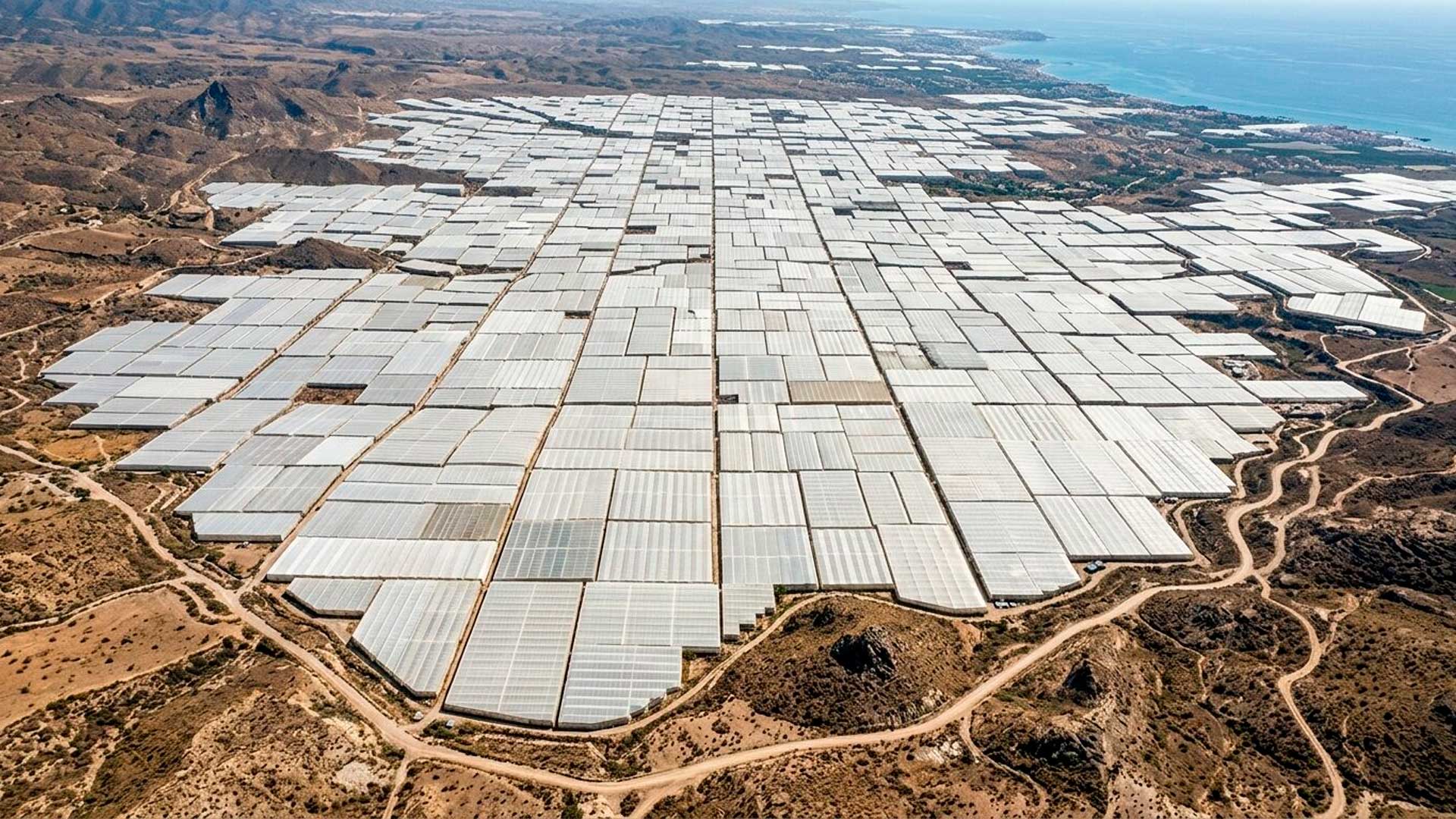
Neither the Pyramids nor the Great Wall of China, this gigantic construction in Spain is the human mark on planet Earth that intrigues the most when seen in images from space.
-
Surrounded by cliffs, mist, and chilling stories, the ancient Hotel del Salto has been reborn as a museum while still unable to shake off its reputation as a haunted place.

-
This star-shaped fortified construction, hidden near the border of Spain, may be the largest fortress on the planet.

-
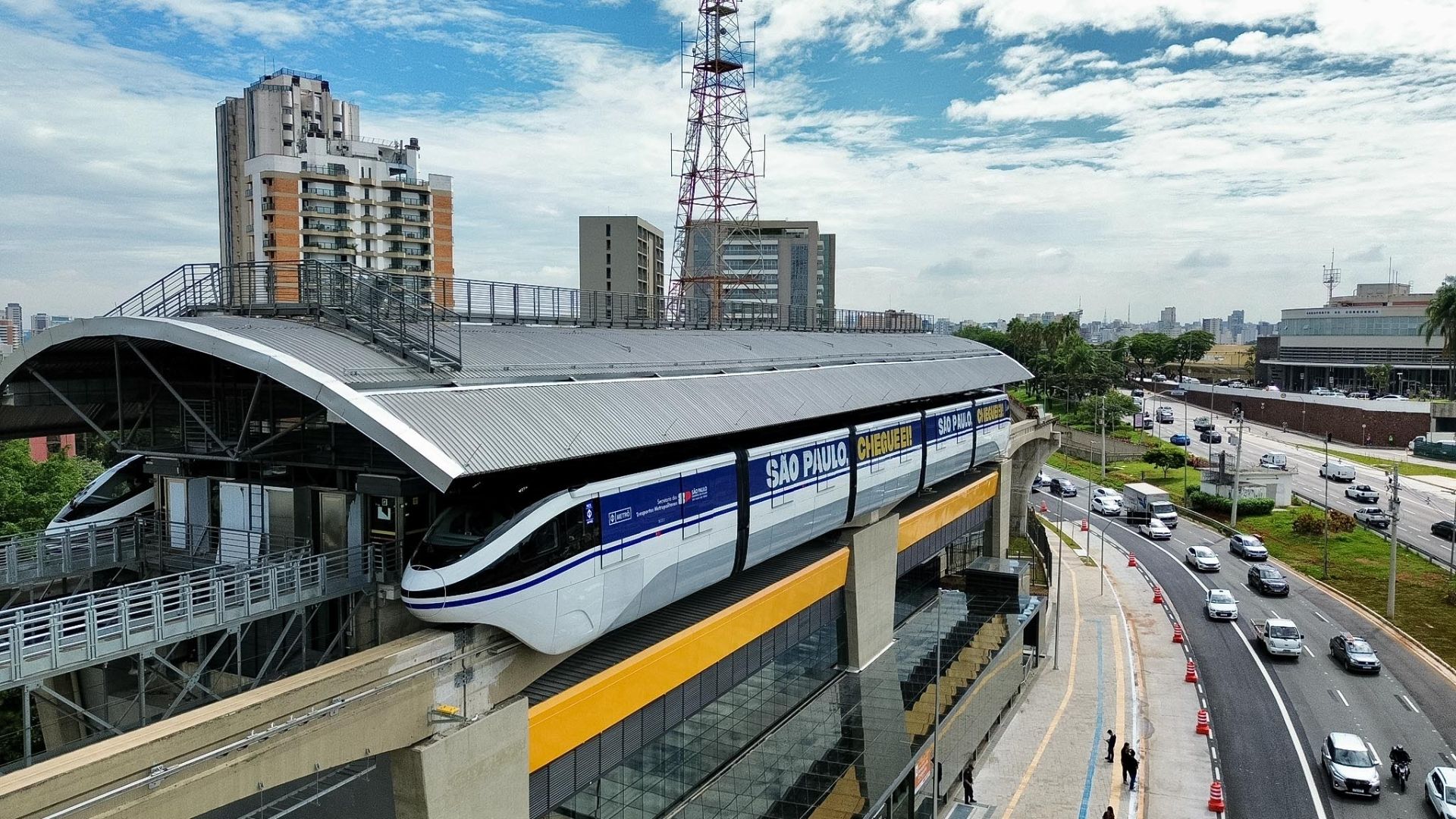
Congonhas receives the monorail promised for the 2014 World Cup after more than a decade of delays and becomes the first airport in Brazil with integrated subway.

In addition to saving time, the new bridge ensures more comfort and predictability for truck drivers and motorists in general, reducing forced stops and delays in deliveries. On a route that concentrates agricultural freight and various products, this difference in minutes accumulated throughout the year represents a real productivity gain for the entire logistics chain.
Direct Economic Impact on Agriculture and Regional Commerce
The economic impacts of the Bridge of Xambioá begin with agriculture. With easier access between Tocantins and Pará, the transportation of agricultural production gains a fixed, safe, and continuous route. Trucks that once spent more time waiting for ferries now cross the bridge in a constant flow, improving the competitiveness of local producers.
At the same time, commerce of goods and services is strengthened, as the flow of people and goods is expected to increase in the municipalities near the bridge accesses.
Gas stations, restaurants, workshops, and other roadside services benefit from this movement, creating a positive cycle of income generation and jobs around the new connection.
Connection with Highway, Railway, and Waterway Strengthens the National Network
One of the most strategic points of the Bridge of Xambioá is how it integrates with other modes of transport.
The link on BR 153 shortens the distance to the North-South railway and the Tocantins-Araguaia waterway, creating a corridor of integration between highway, railway, and inland navigation.
This combination allows heavy freight and long distances to use the most efficient mode for each section, reducing total logistics costs.
The bridge ceases to be just a crossing point over the river and operates as a connection hub in a multimodal system that serves not only the two states but several regions of the country.
End of Ferry Crossing and More Safety on the Road
For many years, the crossing of the Araguaia River in the Xambioá region depended on ferries, exposing drivers to long lines, time restrictions, and weather conditions.
With the Bridge of Xambioá, this historical bottleneck is eliminated, bringing fluidity to traffic and reducing risks associated with loading and unloading vehicles.
The bridge’s own design contributes to a safer traffic, with adequate lanes, signage, and a structure designed to support over 1,500 vehicles per day, according to published estimates.
In practice, this means heavy trucks, buses, and cars circulating in a more controlled environment, with a lower likelihood of incidents related to the river crossing.
40-Year Dream Realized Through Infrastructure Focus
The Bridge of Xambioá also carries a strong political and social symbolism. The work is regarded as the realization of a dream of about 40 years for communities and regional leaders, who have long pushed for a definitive solution to the crossing over the Araguaia River.
This project only moved forward after gaining priority within the national logistical infrastructure agenda, with support from the Federal Government and the DNIT’s role in managing the constructions and road access. For those living and working in the area, seeing the bridge completed represents the concrete feeling that an old promise has finally come to fruition.
Daily Traffic and Routine of Those Who Use the Bridge
With the inauguration, it is expected that the Bridge of Xambioá will receive over 1,500 vehicles per day, primarily serving freight transport, but also buses, passenger vehicles, and tourism.
The reduced crossing time changes route planning, allowing for shorter and more predictable journeys.
For those dependent on the road, the bridge represents less waiting, less uncertainty, and more time enjoyed at the destination, whether for work, business, or visiting family.
For transport and logistics companies, each trip completed more quickly contributes to a more efficient and competitive operation.
In addition to economic gains, the Bridge of Xambioá facilitates access to public and private services.
Residents of the region now have more ease of reaching urban centers with hospitals, universities, commerce, and specialized services, shortening distances that previously felt longer due to the ferry.
With the increased traffic flow, new businesses are likely to arise around the accesses, such as hotels, inns, restaurants, and truck driver support points, generating business and job opportunities for the local population.
The bridge thus becomes a vector for social development, not just an engineering work over the river.
Given all of this, do you think the Bridge of Xambioá delivers the impact that a 40-year wait promised for Tocantins, Pará, and the entire logistics of the North region?










-

Uma pessoa reagiu a isso.