





 Portuguese
  English
  Spanish
  4 min of reading
  0 comments


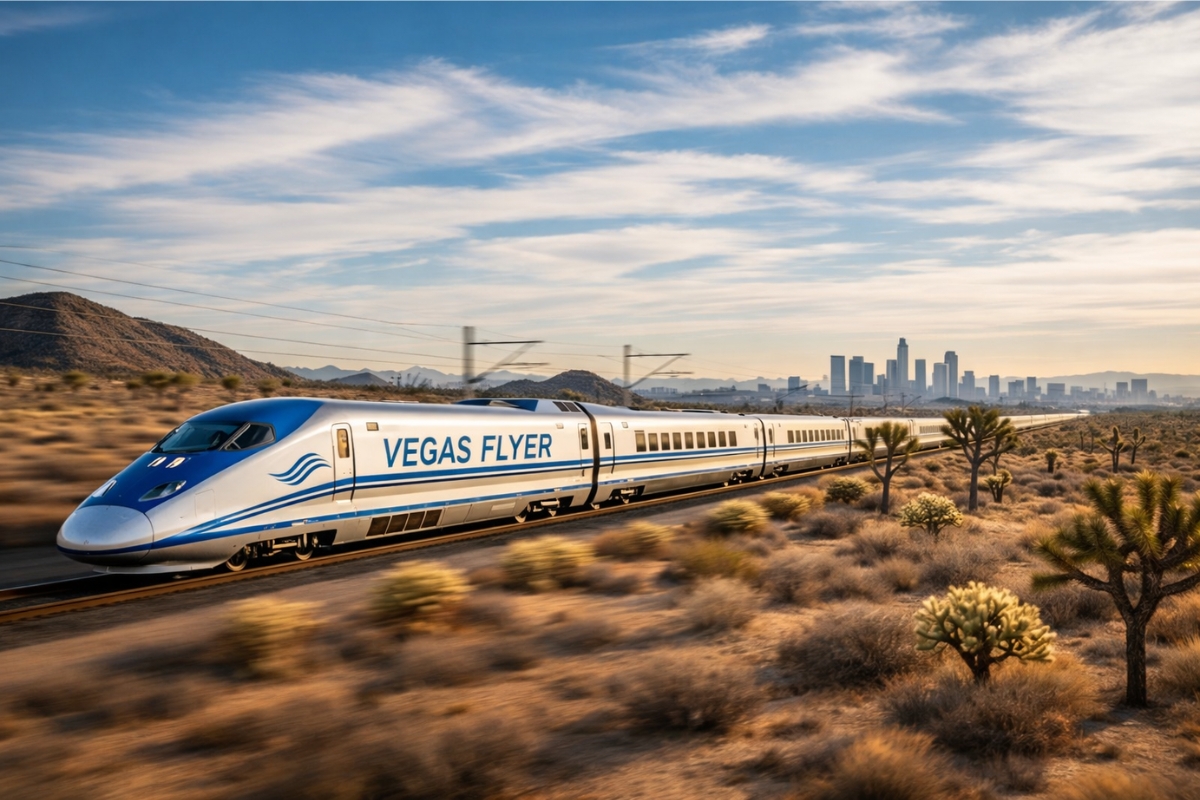
Brightline West Will Connect Las Vegas to Rancho Cucamonga in 350 Km, with Operations Expected by 2029 to Reduce Traffic, Emissions, and Travel Time.
The United States is approaching a significant change in passenger transport between Las Vegas and Southern California. The Brightline West project is designed to operate as the country’s first electric high-speed train, with speeds of up to 320 km/h and an opening expected by the end of 2029.
The proposal targets one of the most pressured routes in the American West. Today, travel along I 15 can take extra hours on weekends, holidays, and vacation periods, while the new line promises to shorten this trip to just 2 hours.
350 Km Line Will Depart from Las Vegas and Arrive in Rancho Cucamonga
The planned route will span 350 km and connect Las Vegas and Rancho Cucamonga, with stops in Apple Valley and Hesperia. From Rancho Cucamonga, passengers will be able to continue to the greater Los Angeles area via the Metrolink network, expanding the practical reach of the new rail connection.
-
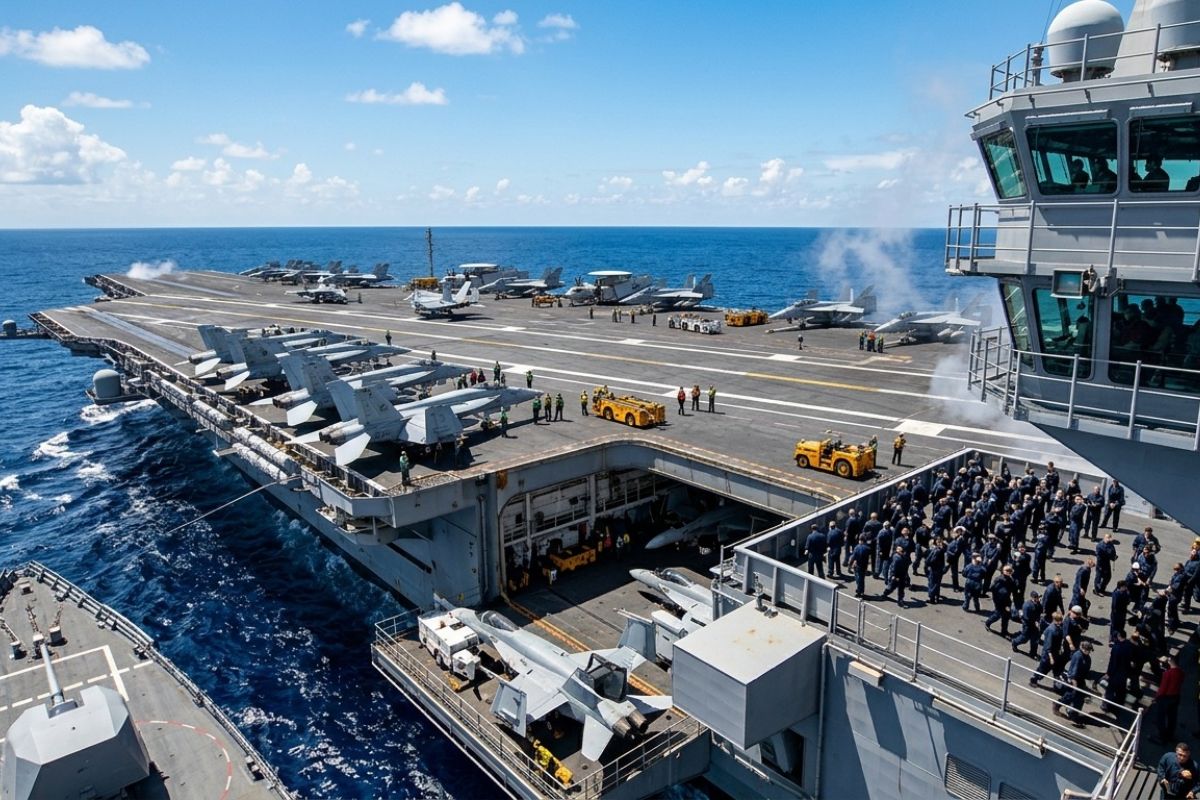
USS Gerald R. Ford: the floating city of $13 billion where 5,000 sailors serve 17,000 meals a day, sleep in stacked bunks, take 10-liter showers, and keep 75 fighter jets ready.
-
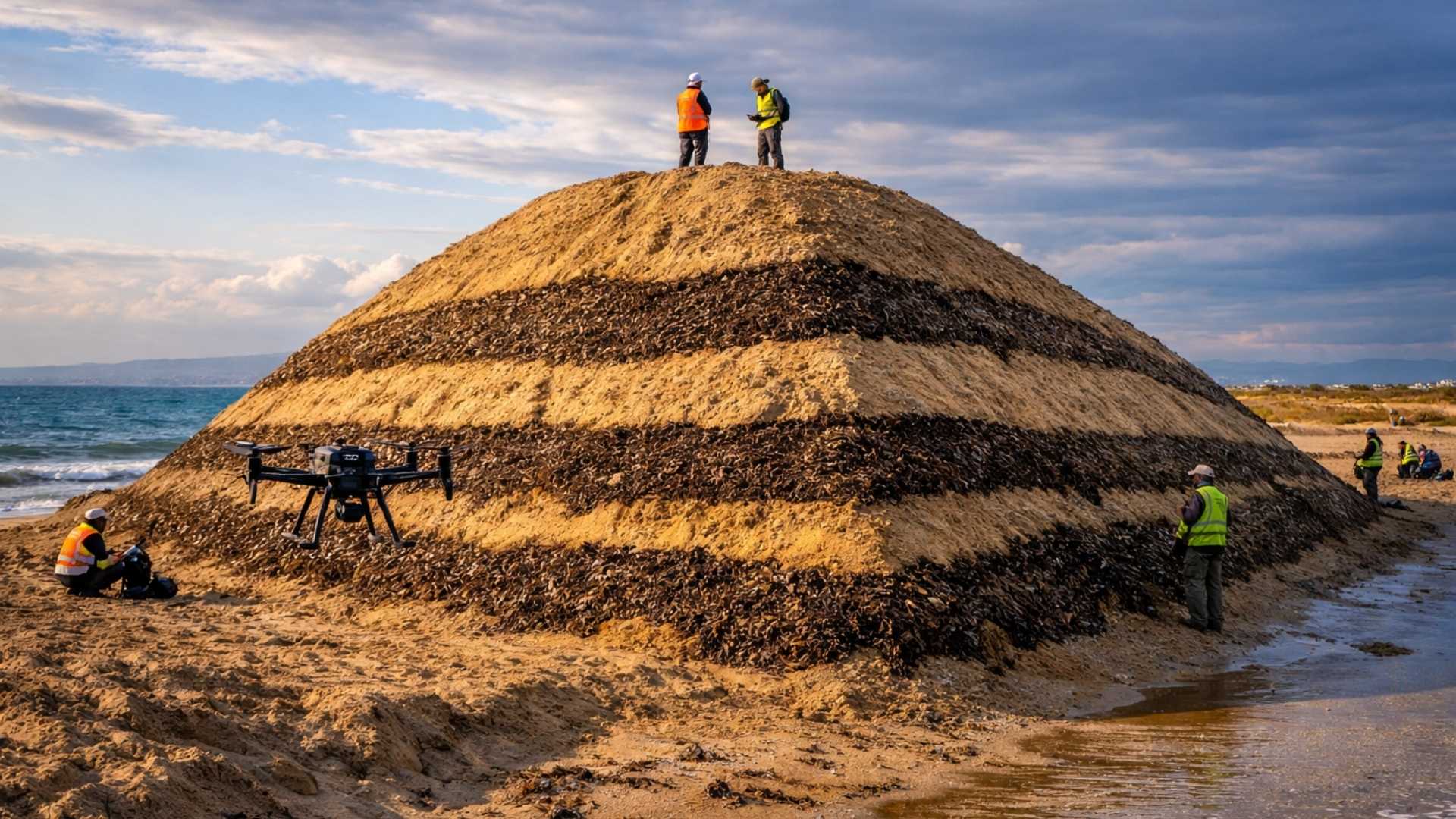
Spain surprises the world by erecting 62 artificial dunes, mixing sand with natural remains of posidonia, and causing the structure to lose only 1.4% of its volume in 1 year.
-
Meta and YouTube condemned for addiction to social media: ruling links the operation of the platforms to the worsening of anxiety and depression.

-
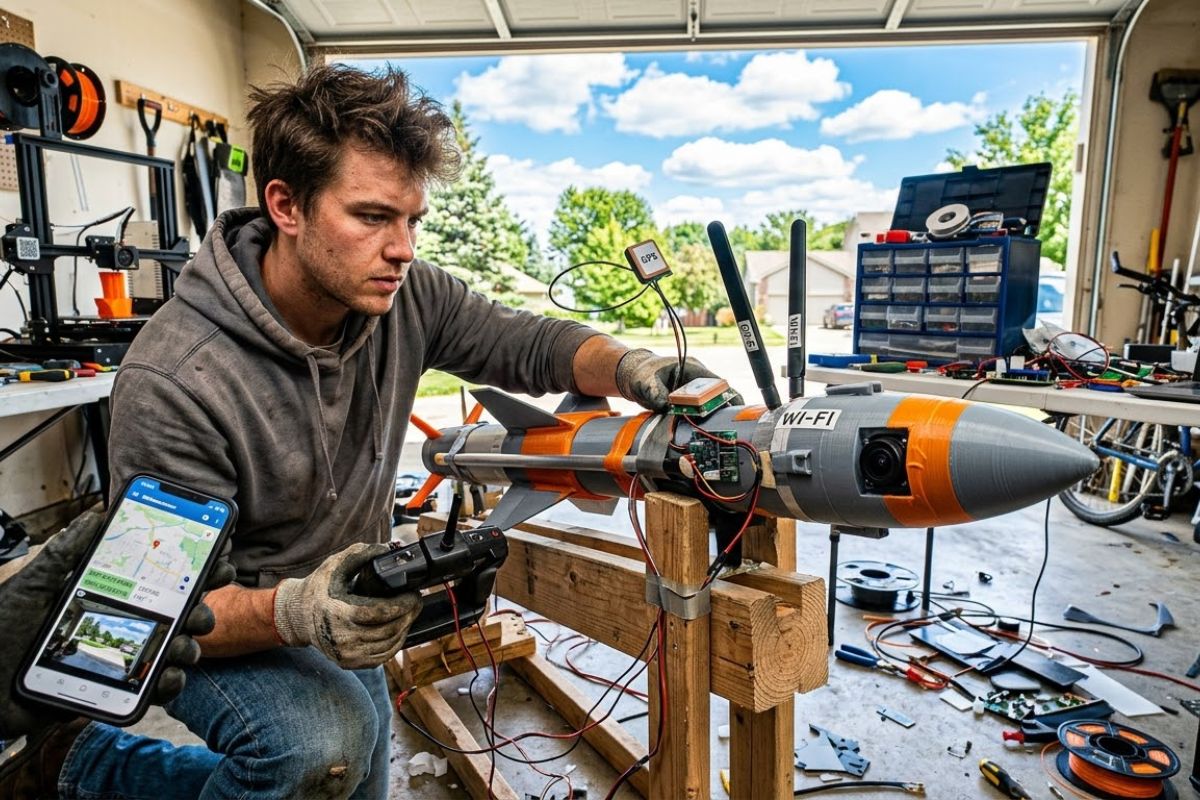
For just 96 dollars and with a 3D printer, an amateur created a prototype of a homemade guided missile with GPS, camera, and Wi-Fi tracking system, and this raised the debate about printed weapons to a frightening level.

This design transforms the project into something larger than a link between two tourist destinations. In practice, it integrates Nevada into the urban axis of Southern California, strengthening regional circulation, tourism, and commuting linked to work and services.
Speed of 320 Km Per Hour Enters the Center of the Dispute with Cars
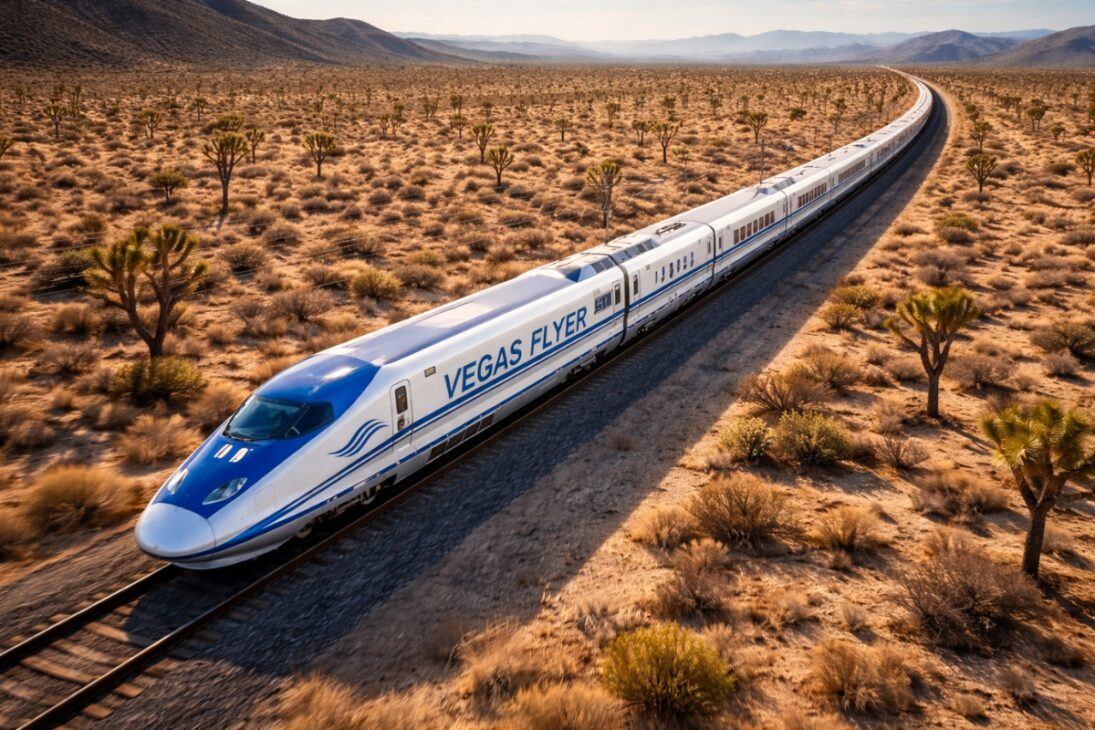
The planned operation with a peak speed of 320 km/h positions the train as a direct alternative to cars on one of the region’s most congested highways. The most visible gain is time, but the expected effect also includes more predictability for those traveling on critical dates.
The project has also been presented as a solution to reduce some of the pressure on the road network. By taking a portion of the traffic off the road and moving it to an electric system, the line is viewed as an infrastructure component with impacts on mobility, emissions, and regional planning.
Preliminary Works Are Already Advancing in the I 15 Corridor
Preliminary work began in early 2024, involving utility-related activities and corridor preparation. The Nevada Department of Transportation reports that when the main construction begins, the estimated timeline for building the line will be around 4 years.
In parallel, the company maintains public communications about the project and schedules awareness events in March 2026, where they present the current status of the works, upcoming milestones, and expected benefits for the region.
Financing Still Weighs on the 2029 Goal
Despite the progress on the ground, the project still faced a sensitive issue in early March 2026. According to Bond Buyer, an American site specialized in public finance and infrastructure, Brightline West was still awaiting a federal loan of US$ 6 billion, an amount considered central to sustain construction at the promised scale.
This point helps explain why the timeline remains under observation. The line remains active, with financial preparation and coordination ongoing, but the capital structure still was not fully secured, even with parallel searches for bank credit and private capital boosts.
Project Targets Over 11 Million Passengers Per Year
When it reaches full capacity, the announced expectation for the service is to transport more than 11 million per year. This volume corresponds with a route that handles tens of millions of travelers between Nevada and Southern California, especially for leisure trips, conventions, and professional commitments.
With this, the train stops being just a transportation project and begins to occupy a larger space on the regional board. The fast link between two important hubs could impact tourism, commerce, and the circulation pattern between areas that currently rely almost entirely on the road.
Station Structure and Regional Connection Strengthen System Reach
The proposal includes stations designed for quicker boarding, as well as onboard services, digital connectivity, baggage areas, and rest spaces. The intention is to make the experience more competitive against cars and also against short air travel.
As the line connects to Metrolink in Rancho Cucamonga, the reach of the system does not stop at the train terminal. This detail enhances the project’s potential and helps explain why the construction is considered an important test for the future of high-speed rail in the United States.
If the plan holds until 2029, Brightline West could become a landmark for intercity transportation in America. The combination of speed, regional connection, and reduced travel time places the project at the center of a new perspective on infrastructure in the western part of the country.
More than just shortening the path between Las Vegas and Los Angeles, the line repositions a strategic route that currently lives under constant pressure. If it materializes on the promised scale, the train will change regional mobility and reinforce the significance of new infrastructure that could influence other corridors in the United States.





Seja o primeiro a reagir!