





 Portuguese
  English
  Spanish
  3 min of reading
  22 comments


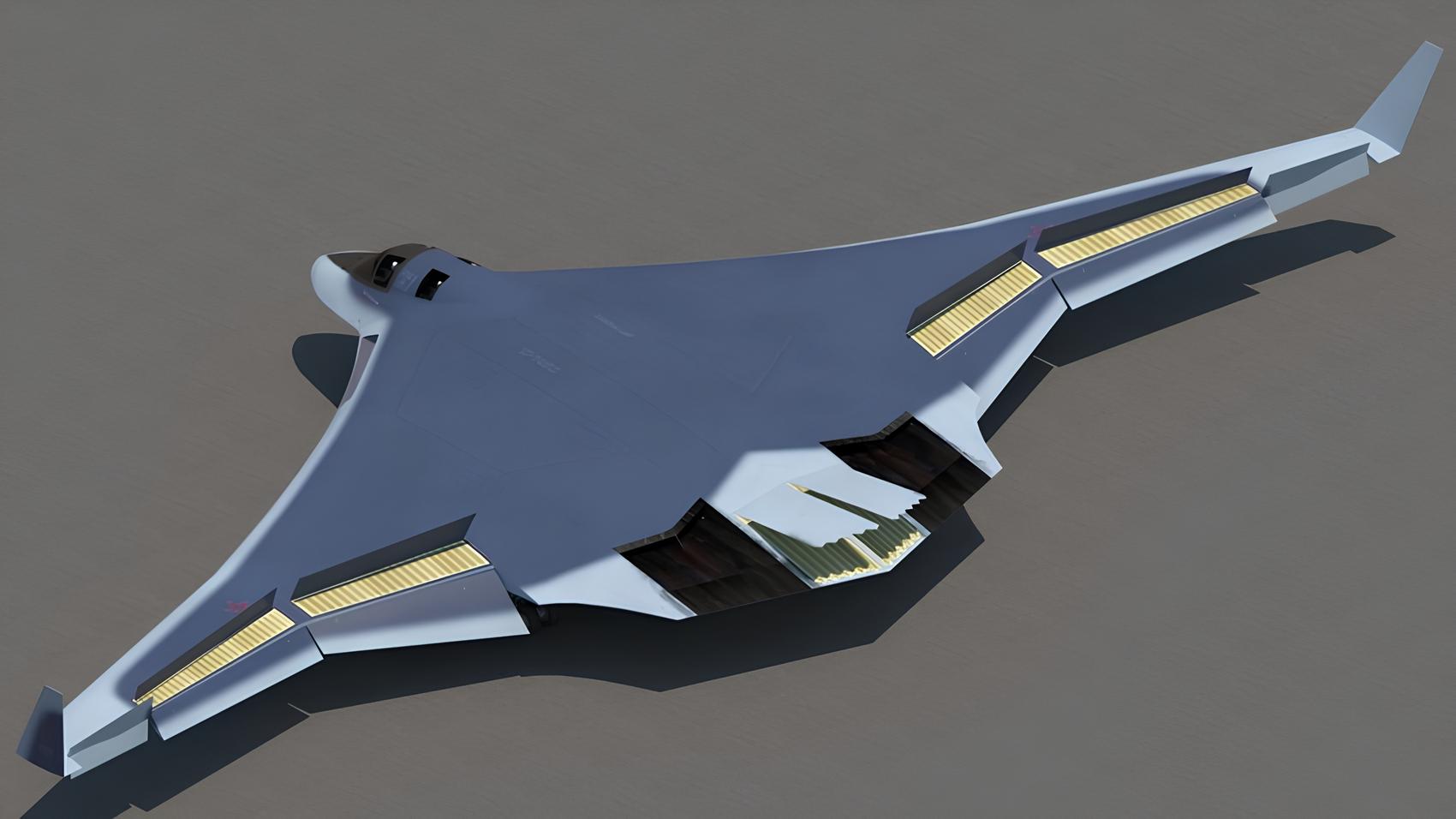


With Stealth Flight of 30 Hours, Range of Up to 15,000 Km and 40 Tons of Internal Armament, the PAK DA Bets on Extreme Autonomy for Russian Strategic Deterrence.
Russia bets on the PAK DA to make a conceptual leap in strategic aviation. Unlike the supersonic bombers of the past, the new design prioritizes stealth, intercontinental range, and persistence, combining a flying wing design with a large internal payload capacity. The goal is not maximum speed, but survivability in highly defended environments and the ability to be available for strategic missions for hours or days.
A Change in Philosophy: Less Speed, More Invisibility
The PAK DA has been conceived as a subsonic bomber. This choice, initially counterintuitive, aligns with modern air combat logic: reducing radar cross-section (RCS), operating with passive sensors, and exploring unpredictable routes.
The flying wing design reduces reflective surfaces and eliminates typical edges, while internal compartments avoid stealth penalties associated with external payloads.
-
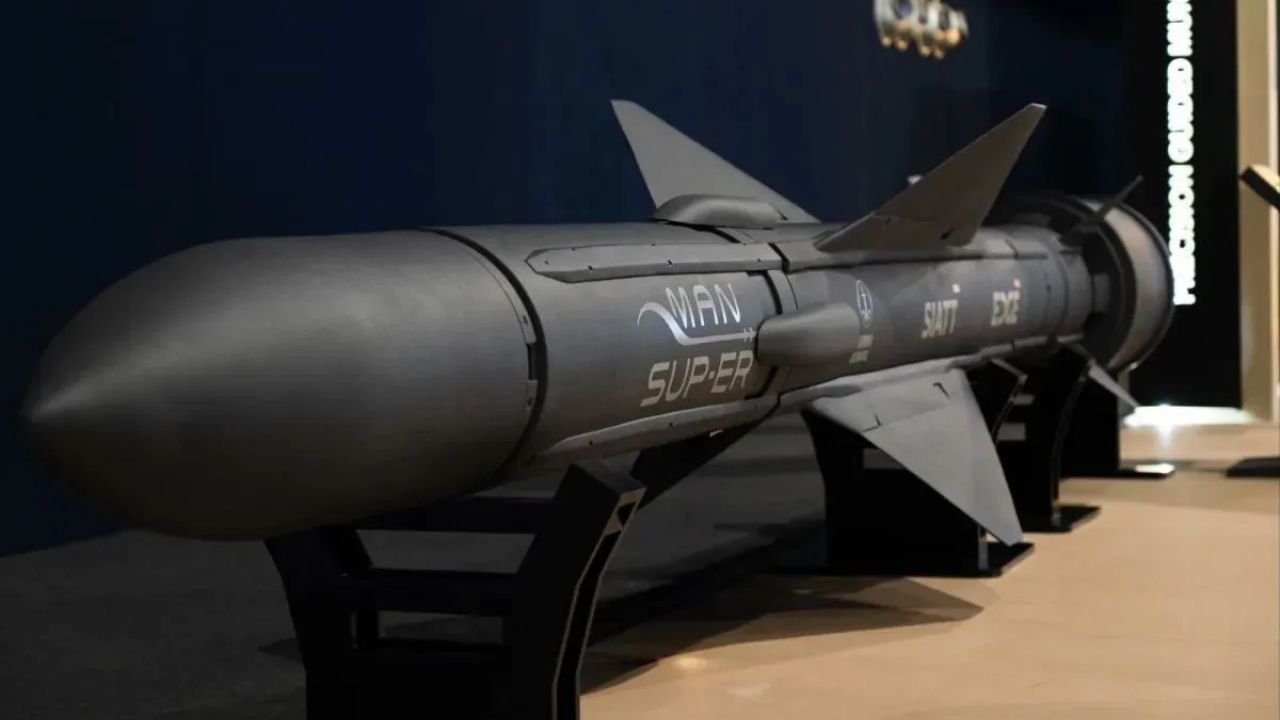
Brazil accelerates the evolution of the MANSUP missile, designing an air-surface version with a range exceeding 200 km, advanced guidance, and precision strike capability against land and naval targets, paving the way for a new generation of national armaments with global potential.
-
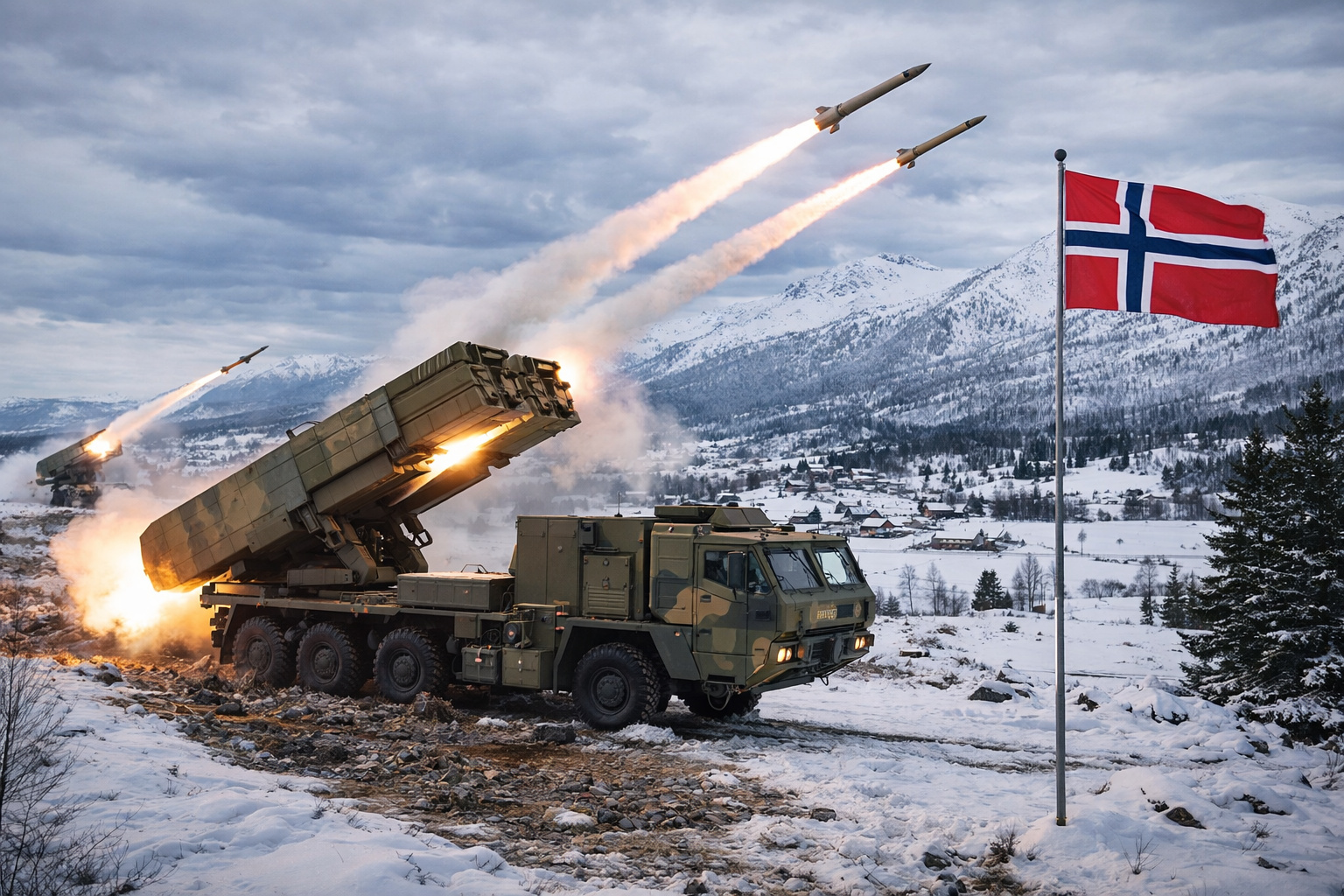
South Korea signs a $922 million deal with Norway, bringing Chunmoo launchers capable of firing guided missiles up to 290 km with an accuracy of 15 meters to Europe and turning the system into a key component of the new global race for precision artillery.
-
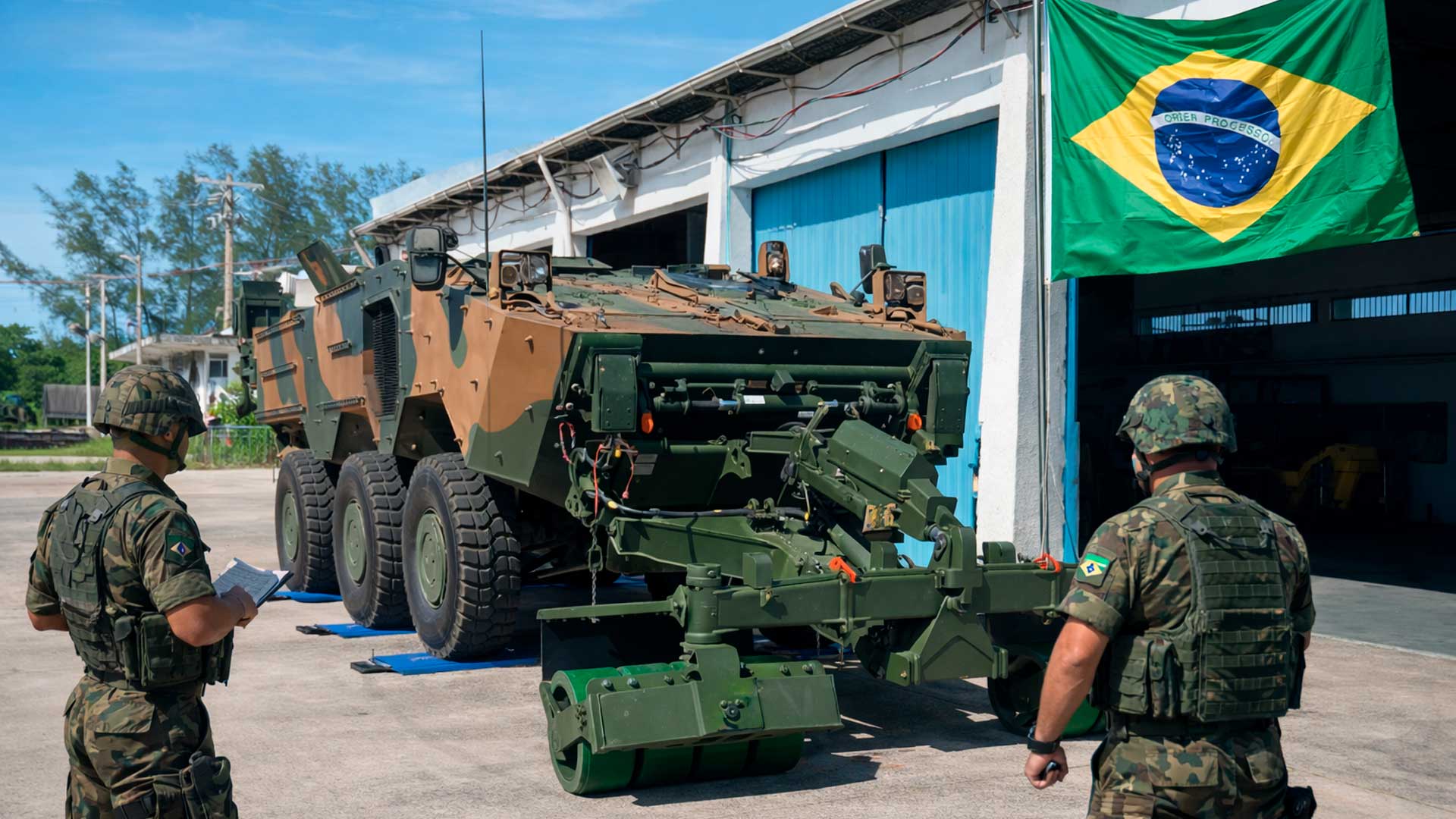
Brazil advances with decisive tests until June, the 6×6 Guarani armored vehicle with engineering equipment enters the most important phase and can enhance the operational capability of the Army.
-
Furnas Airport is handed over to the Navy and becomes a strategic base with complete military operations, attack drones, and international mobilization at Furnas Lake.



With an estimated range of between 12,000 and 15,000 km, the PAK DA can carry out intercontinental missions without refueling.
The endurance of over 30 hours enhances operational flexibility: the aircraft can orbit in safe areas, wait for windows of opportunity, and respond to changing scenarios without relying on vulnerable forward bases. Strategically, this reduces predictability and increases the cost of containment for adversaries.
Internal Cargo of Up to 40 Tons
Another pillar of the project is the internal payload capacity, estimated at between 30 and 40 tons. This volume allows for carrying long-range cruise missiles, precision conventional weapons, and, when applicable, nuclear armament, all while preserving stealth.
The modularity of the internal bay suggests compatibility with new generations of missiles, including options for greater range and advanced flight profiles.
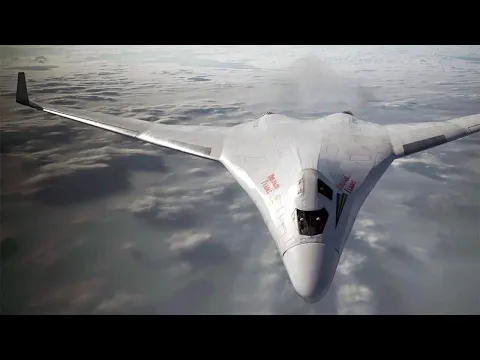
In addition to its stealthy shape, the PAK DA is expected to integrate electronic warfare, active protection, and advanced sensors. The aim is to operate in scenarios with dense air defenses, exploiting low observability + electronic intelligence to reduce the chance of detection and engagement. Instead of penetrating quickly like supersonic platforms, the PAK DA aims to go unnoticed.
Strategic Role and Fleet Replacement
The program aims for the gradual replacement of legacy bombers, offering a platform more aligned with current deterrence requirements.
By combining autonomy, stealth, and large internal payload, the PAK DA expands employment options: from continuous deterrence to long-range attacks with stand-off missiles, minimizing risks to the aircraft and crew.

In the global scenario, the PAK DA positions itself as Russia’s response to new generation stealth bombers.
The key difference lies in the balance between cost, range, and persistence, with an emphasis on prolonged missions and strategic flexibility. While supersonic platforms prioritize arrival time, the PAK DA prioritizes time in the air and low signature.
Timeline and Uncertainties
Like any highly classified program, many data remain estimates. Reports indicate prototype testing and first flight in the second half of the decade, with projected entry into service towards the end of the 2020s. The maturity of systems, the integration of armaments, and the industrial pace will be decisive in meeting these goals.
More than just a new aircraft, the PAK DA signals a paradigm shift: air deterrence based on stealth persistence, long range, and employment flexibility.
If it meets the announced parameters, the project reinforces the idea that, in the 21st century, winning is not about arriving faster, but about being seen last or not being seen.









Kkkk, até ele chegar nos EUA ,Trump já dominou Moscow,o país deles tá falido,deixam vazar essas coisas pra outros paises pensarem o contrário, já foi **** grande ,hoje em dia só mal consegue defender sua fronteira deles mesmos.
Pura fantasia.
Pais está falido.
Usando cavalos e motos na frente de batalha.
Garapa graúda essa história aí, RS!
Esse bombardeiro é fichinha perto das bombas brasileiras. Pesando entre 70 e 90 kg apenas, jogue de paraquedas, um político do paiol do Congresso Nacional e vc verá a destruição que ele fará com a economia de qualquer país 👍👍👍
Essa foi bem pensada! Pura verdade