





 Portuguese
  English
  Spanish
  3 min of reading
  0 comments


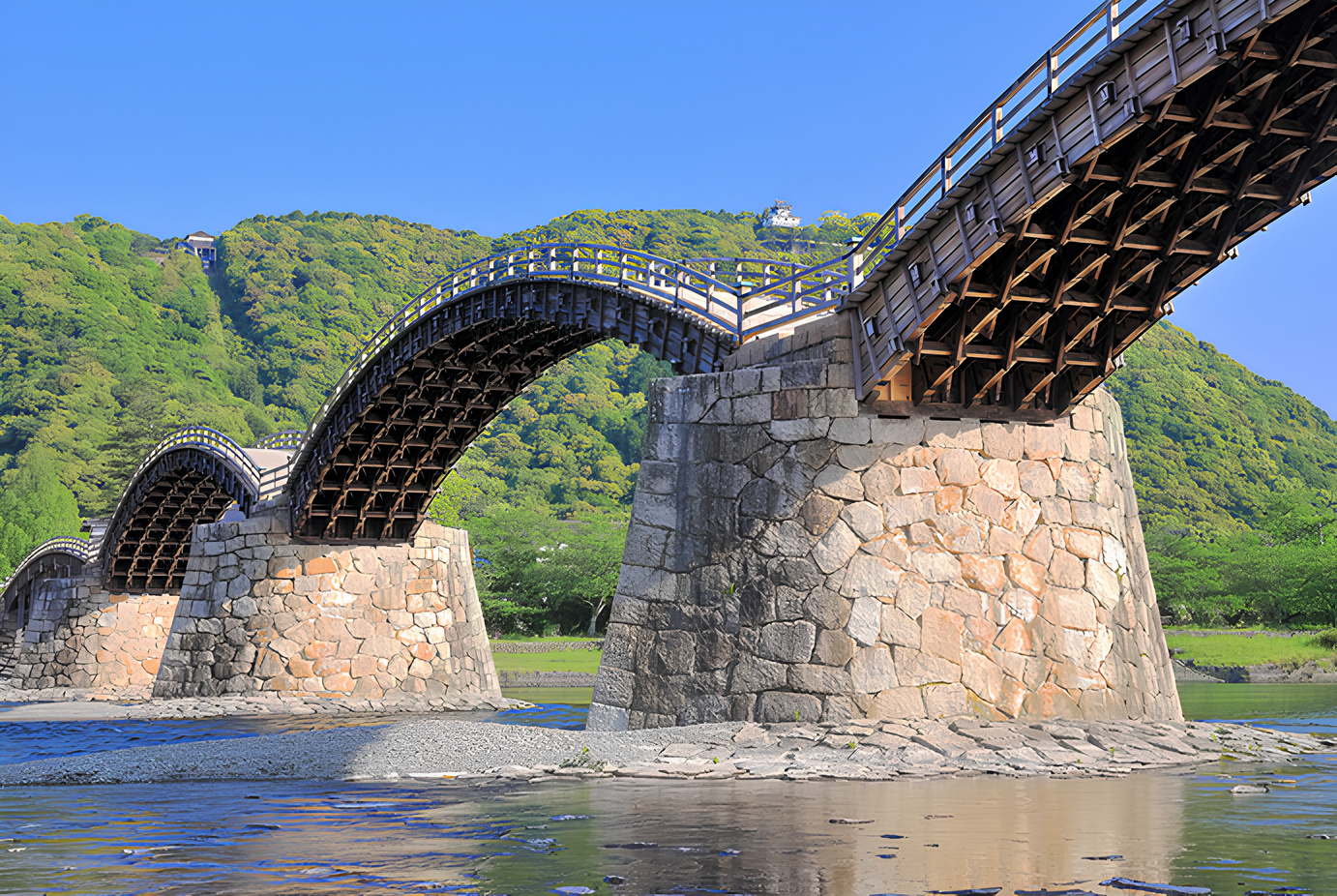
With 193 Meters and Five Interlocking Wooden Arches, the Kintaikyo Bridge Crosses a River in Japan Without Using Steel, Concrete, Nails, or Mortar.
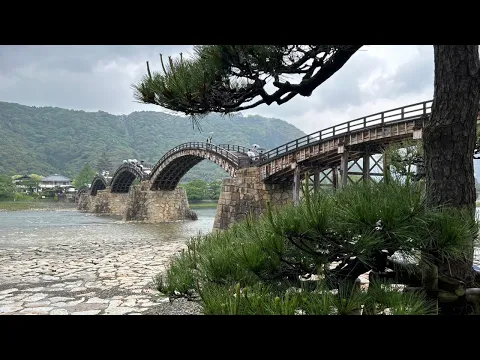
In contemporary civil engineering, bridges are synonymous with steel, reinforced concrete, post-tensioned cables, and massive foundations. However, in Japan, there is a bridge that crosses a wide river, supports a constant flow of pedestrians, and has remained functional for centuries without using any of these materials. No structural steel. No screws. No nails. Not a drop of concrete or mortar connecting its pieces. Still, it stands. The structure is the Kintaikyo Bridge, located in the city of Iwakuni, in the Yamaguchi prefecture, Japan. It crosses the Nishiki River and is considered one of the most sophisticated wooden bridges ever built.
Its characteristic shape — five large consecutive arches — is not aesthetic. It is a carefully thought-out structural solution to distribute loads and span the river with wood.
Almost 200 Meters in Length Supported by Joints
The Kintaikyo spans 193 meters in total length, distributed over five successive arches. The three central arches have larger spans, while the two ends transition to the banks.
-
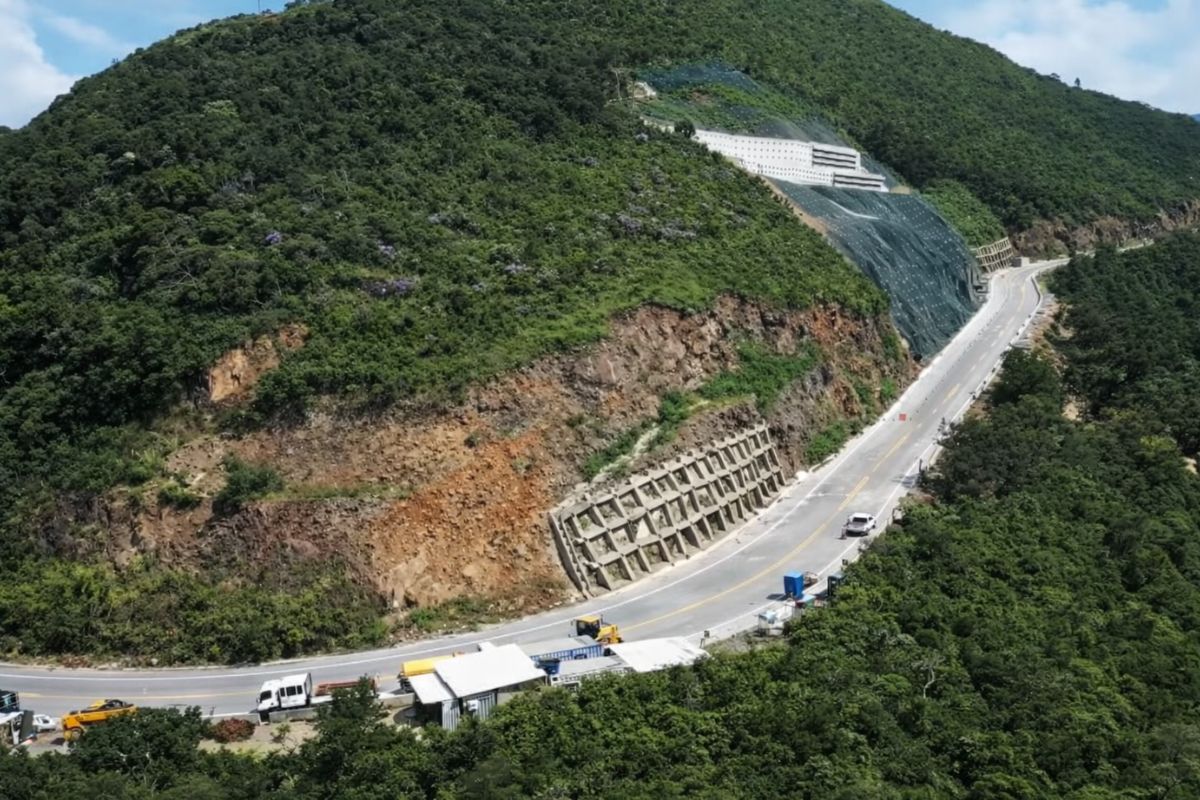
The section of Serra da Rocinha on BR-285 is now open in Timbé do Sul: 50 m tensioned curtains and top-down technique stabilize the slope, with a stairway duct controlling the water.
-
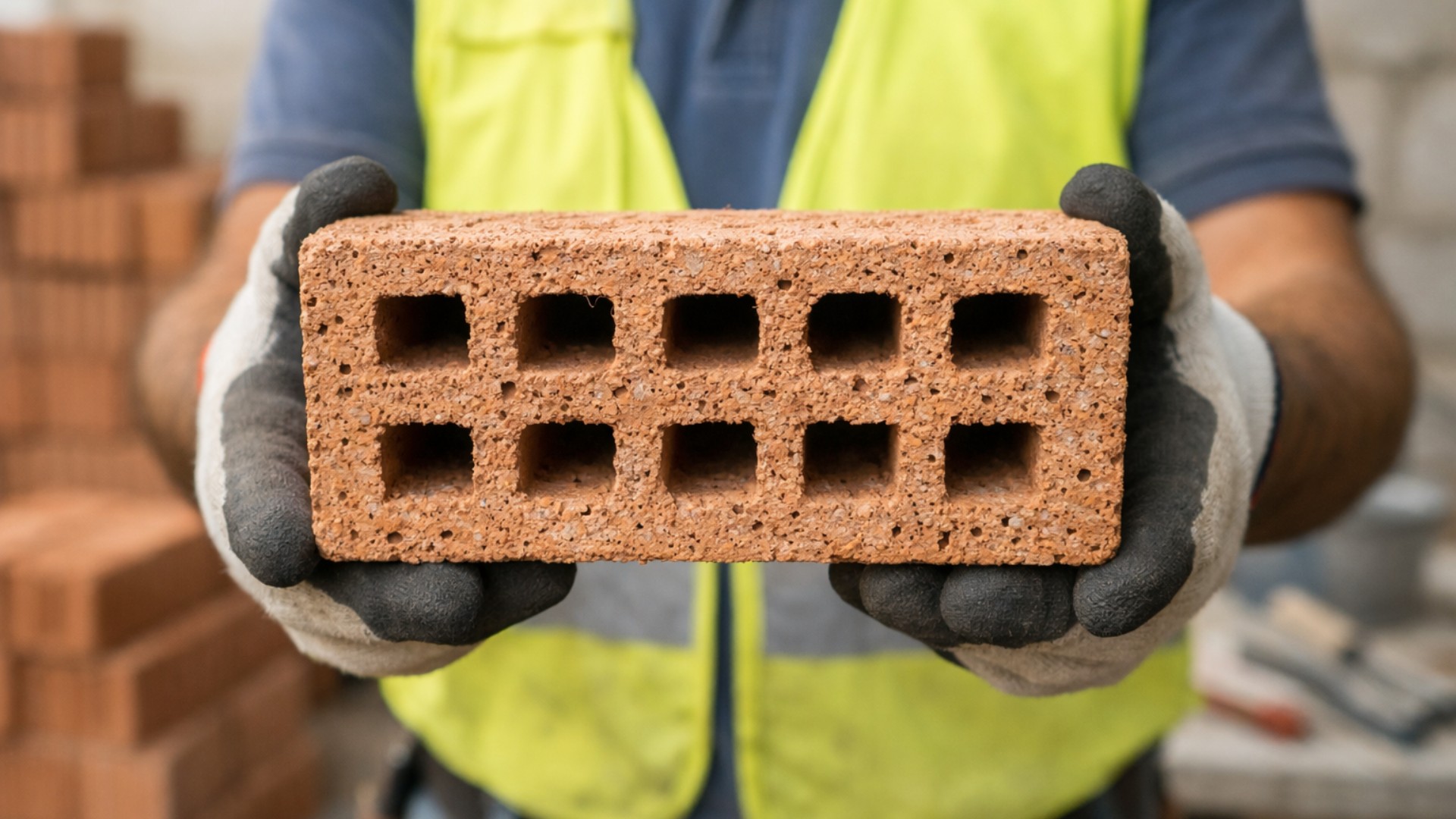
Scientists use sawdust mixed with clay to create a lighter brick, promising efficient thermal insulation and impressing by transforming waste into a solution for construction.
-
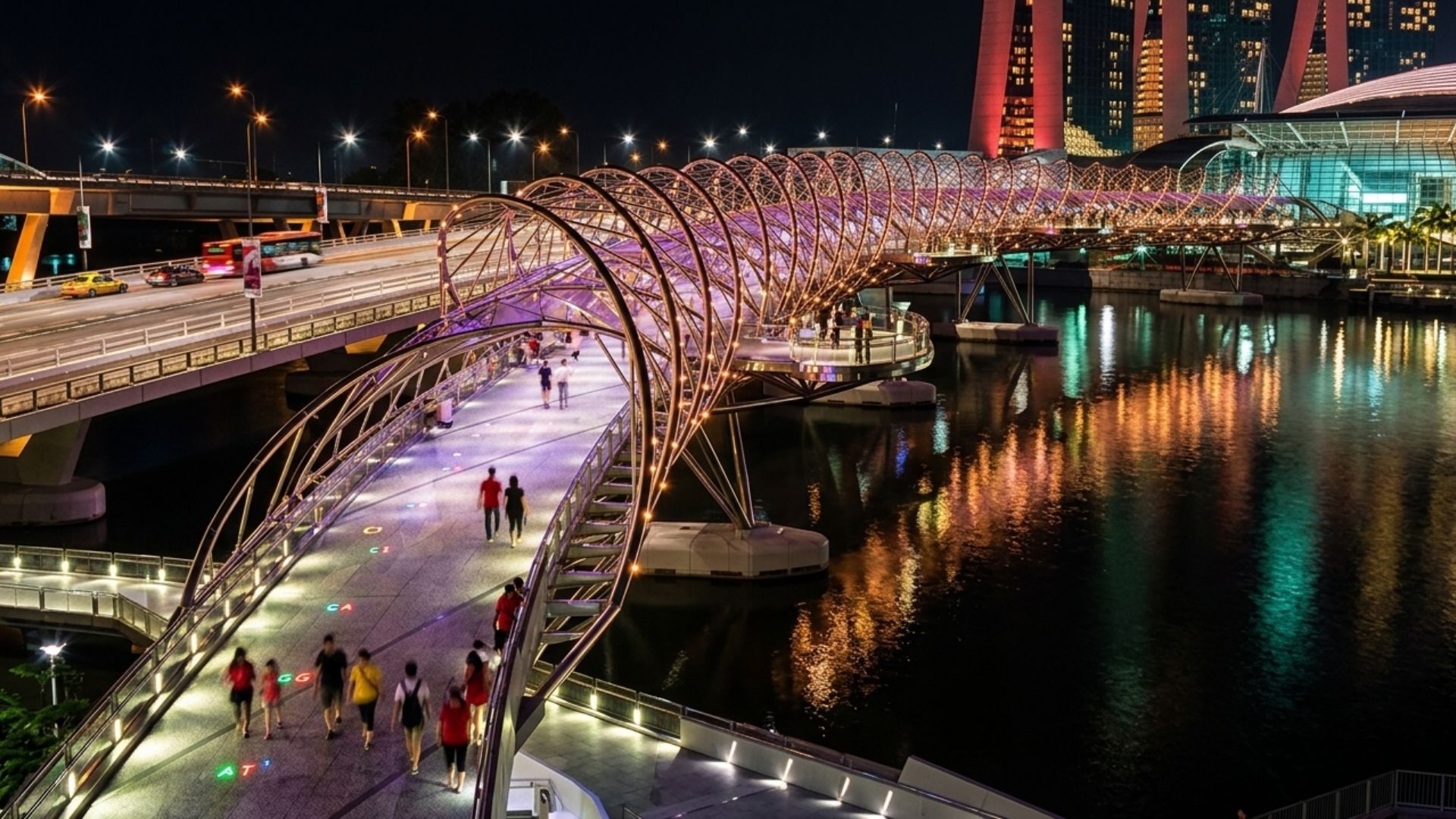
With a DNA shape, this bridge in Singapore draws attention in modern architecture and surprises tourists by transforming a simple crossing into an unforgettable visual experience in the urban heart.
-
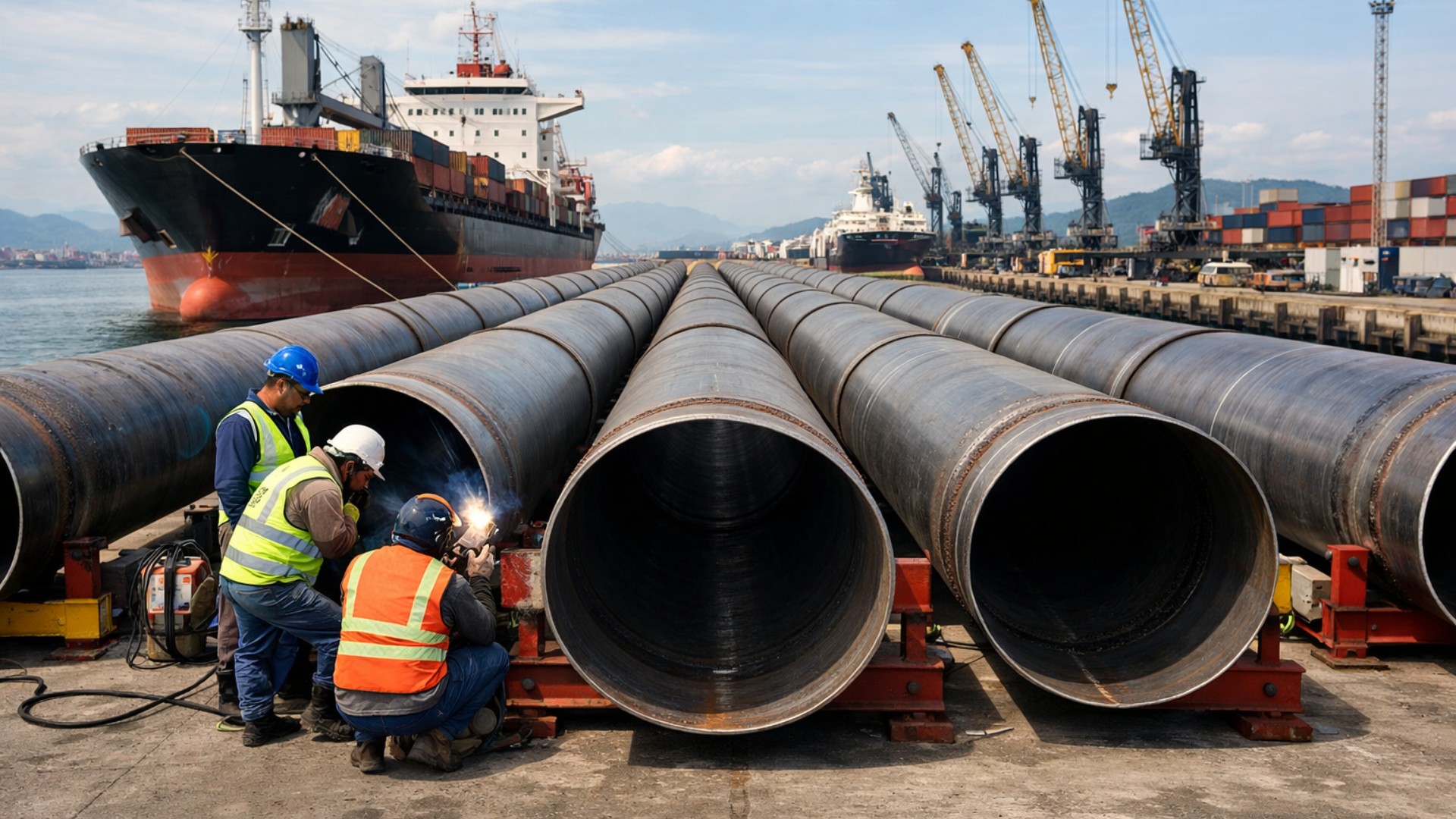
Giant underwater pipeline begins to take shape with a R$ 134.7 million project at the Port of Santos: the 1.7 km structure uses 12-meter and 700 mm pipes to supply water to 450,000 people in Guarujá.


This span, for an entirely wooden bridge, is extraordinary. The secret lies in the use of structural arches, which mainly work in compression, precisely the type of effort for which wood performs best.
Wood Instead of Steel: Technical Choice, Not Limitation
The bridge was built with high-strength Japanese woods, such as Japanese cypress, zelkova, and oak, selected for durability, dimensional stability, and resistance to moisture.
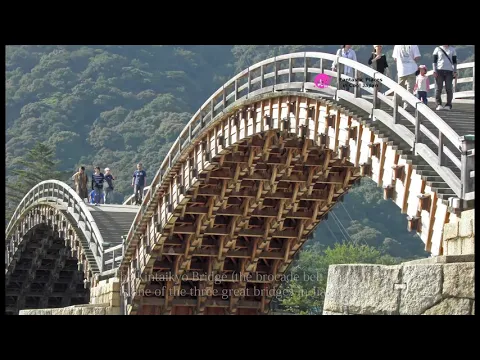
Each piece is cut, fitted, and positioned with millimeter precision. Instead of nails or screws, the structure uses traditional Japanese joinery, known as kigumi, combined with wooden dowels.
These joints allow forces to be transmitted from piece to piece without creating rigid rupture points.
Why Not Use Nails, Steel, or Mortar?
The absence of metallic materials is not a technological limitation but a strategic choice. Metal suffers from corrosion, especially in humid environments. Wooden joints allow for:
- slight structural movement without cracking,
- absorption of vibrations and dynamic loads,
- ease of replacing damaged parts.
Moreover, without mortar or concrete, the bridge can be partially disassembled for maintenance without compromising the structure.
The Stone Pillars: The Only Exception to Wood
Although the superstructure is entirely made of wood, the bridge rests on solid stone pillars driven into the riverbed. These pillars receive vertical loads and transfer the weight of the bridge to the ground stably.
The combination is precise: stone in vertical compression, wood in curved compression in the arches, and joints ensuring structural continuity.
A Bridge Rebuilt Several Times — Always the Same Way
The Kintaikyo Bridge was originally built in the 17th century and has needed to be rebuilt several times over the centuries, especially after severe floods.
The most impressive point is that, even after destructions, the reconstructions maintained the original technique, the traditional joints, and the structural logic of wood. There was no “structural modernization” with steel or concrete.
Each reconstruction served as a real test of the method’s efficiency.
How the Structure Remains Stable Without Modern Rigidity
Unlike rigid concrete bridges, the Kintaikyo has a controlled flexibility. This ability to absorb slight deformations prevents the accumulation of excessive stress at specific points.
The joints function as energy dissipation zones, reducing the risk of catastrophic failures. It is engineering based on structural behavior, not just brute strength.
The Kintaikyo is not just a functional bridge. It is a three-dimensional manual of structural engineering, demonstrating that great works can be accomplished without the materials we now consider indispensable.
Everything that supports the bridge is:
- correct geometry,
- smart load distribution,
- deep knowledge of the material used.
When Simplicity Prevails Over Complexity
In a world where engineering increasingly relies on complex systems, the Kintaikyo Bridge proves that seemingly simple solutions, when well executed, can traverse centuries.
It does not challenge modern engineering; it reminds us that engineering has always existed, even before steel, concrete, and heavy machinery.








-

-

-

-

-

-

32 pessoas reagiram a isso.