





 Portuguese
  English
  Spanish
  5 min of reading
  0 comments


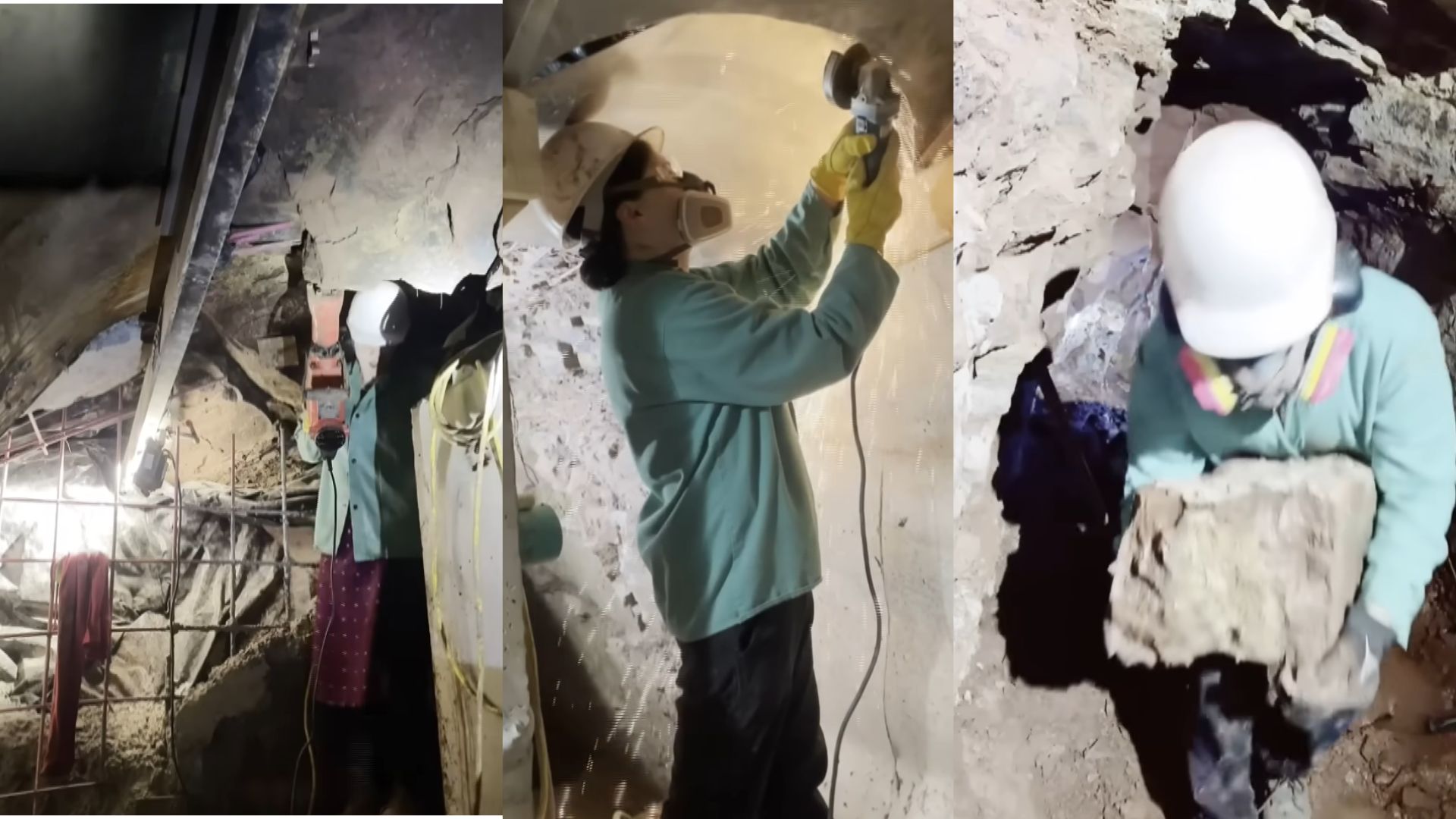
Viralization, Embargo, and Official Release Transform Subterranean Excavation into a Public Case in the USA, with Attention-Grabbing Numbers and a Project Documented Step by Step in Video, Amid Technical Requirements, Inspections, and Municipal Authorization for Continuity.
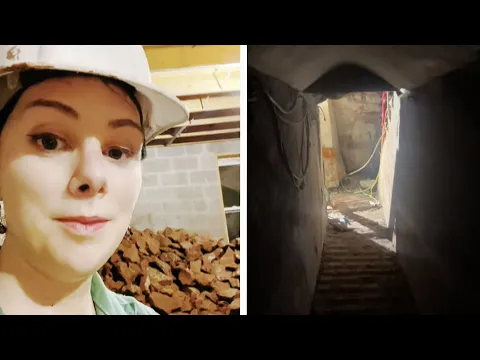
A resident of Herndon, Virginia, in the United States, became known on social media as “Tunnel Girl” after documenting the excavation of a subterranean structure beneath her own residence, featuring a set of tunnels and a space she described as a storm shelter.
According to reports published by the local American press, the excavation reached about 22 feet deep, equivalent to 6.7 meters, and included an entrance approximately 30 feet, or 9 meters.
The project, which had been halted following an inspection and order to stop, resumed after the city approved its continuation upon approval of plans and technical requirements.
-
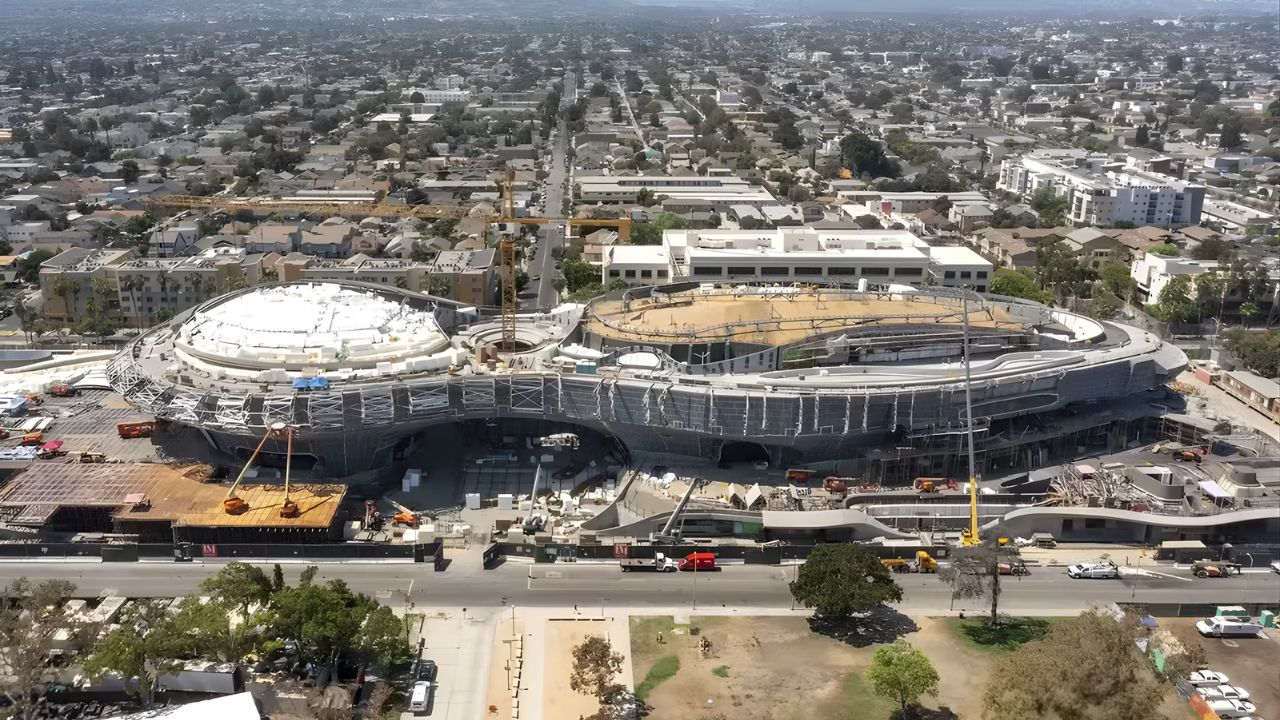
Created by George Lucas with over $1 billion, a futuristic museum in the shape of a spaceship with 1,500 curved panels is about to open in Los Angeles and will house one of the largest private collections of narrative art in the world.
-
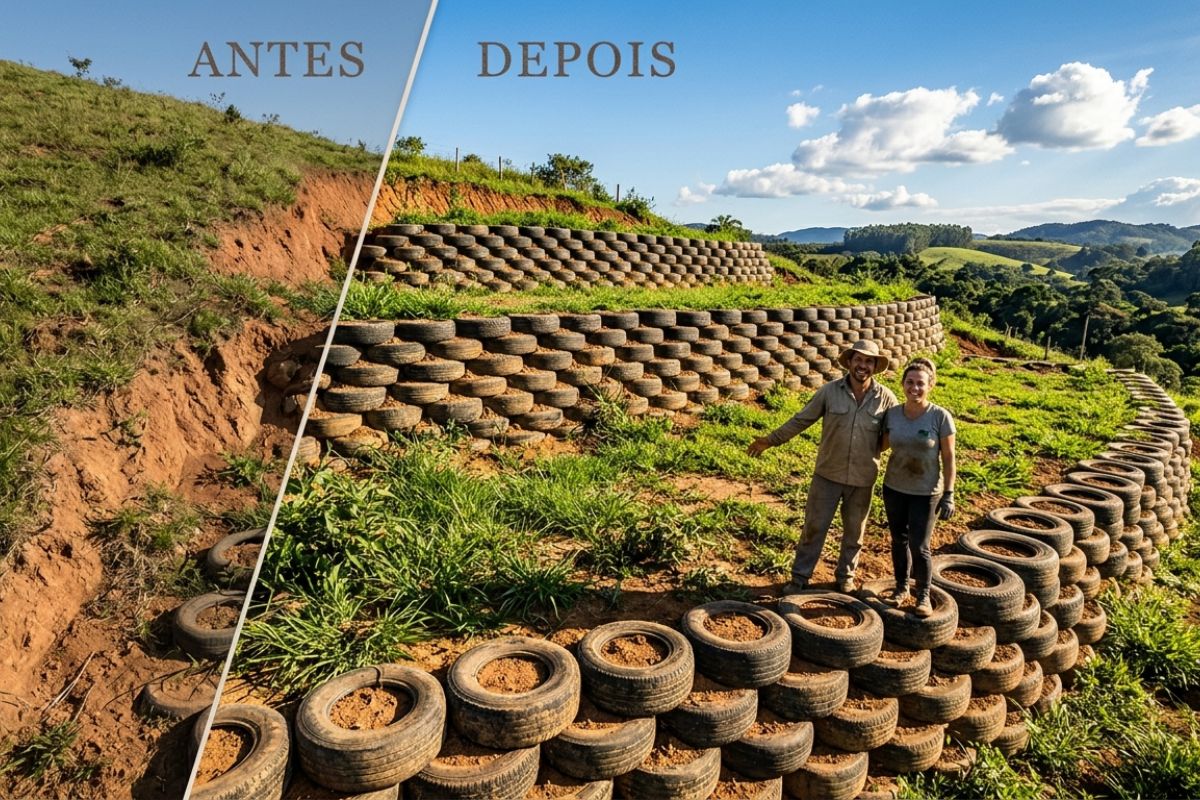
Couple shows how they built a retaining wall on their property using 400 old tires: sloped land turned into plateaus, tires are aligned, filled, and compacted with layers of soil, with grass helping in support and at almost zero cost.
-
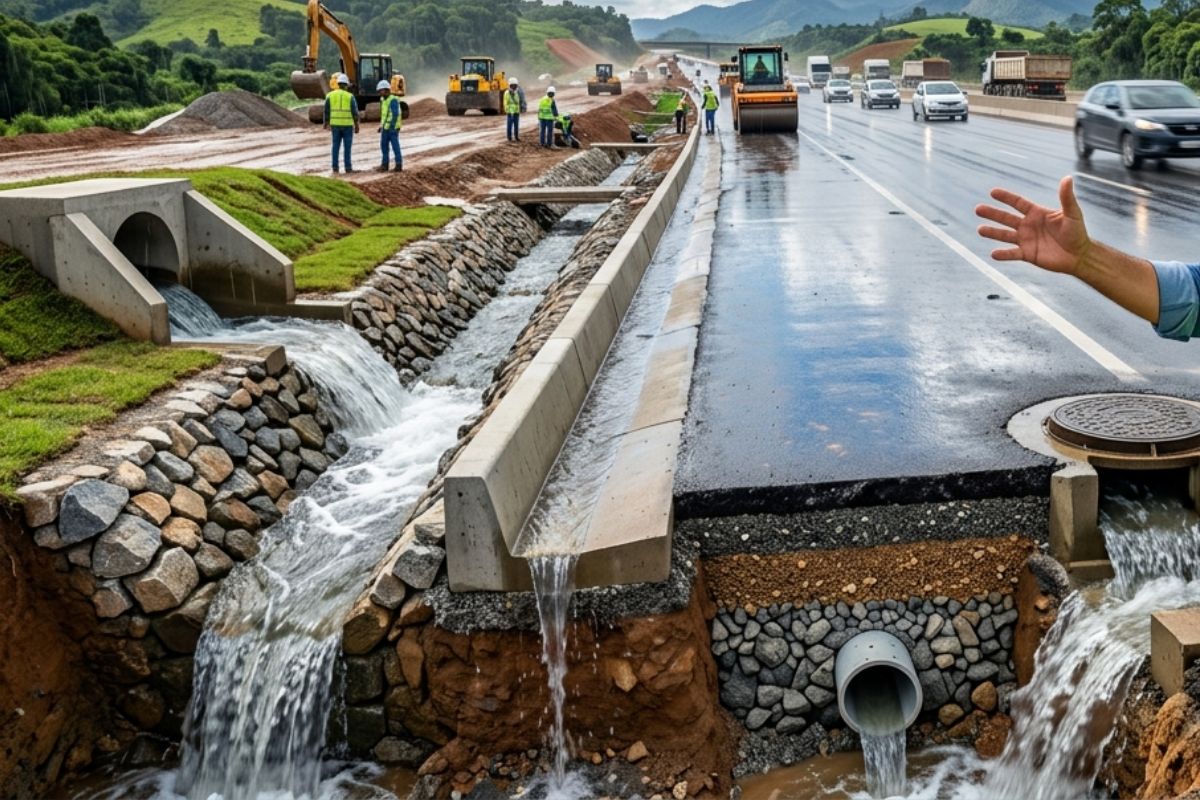
Engineer explains drainage during the rainy season: the difference between surface water and deep water, ditches, gutters, and water outlets on the road, as well as drains and drainage mattresses, to prevent erosion, aquaplaning, and flooding at the construction site today.
-
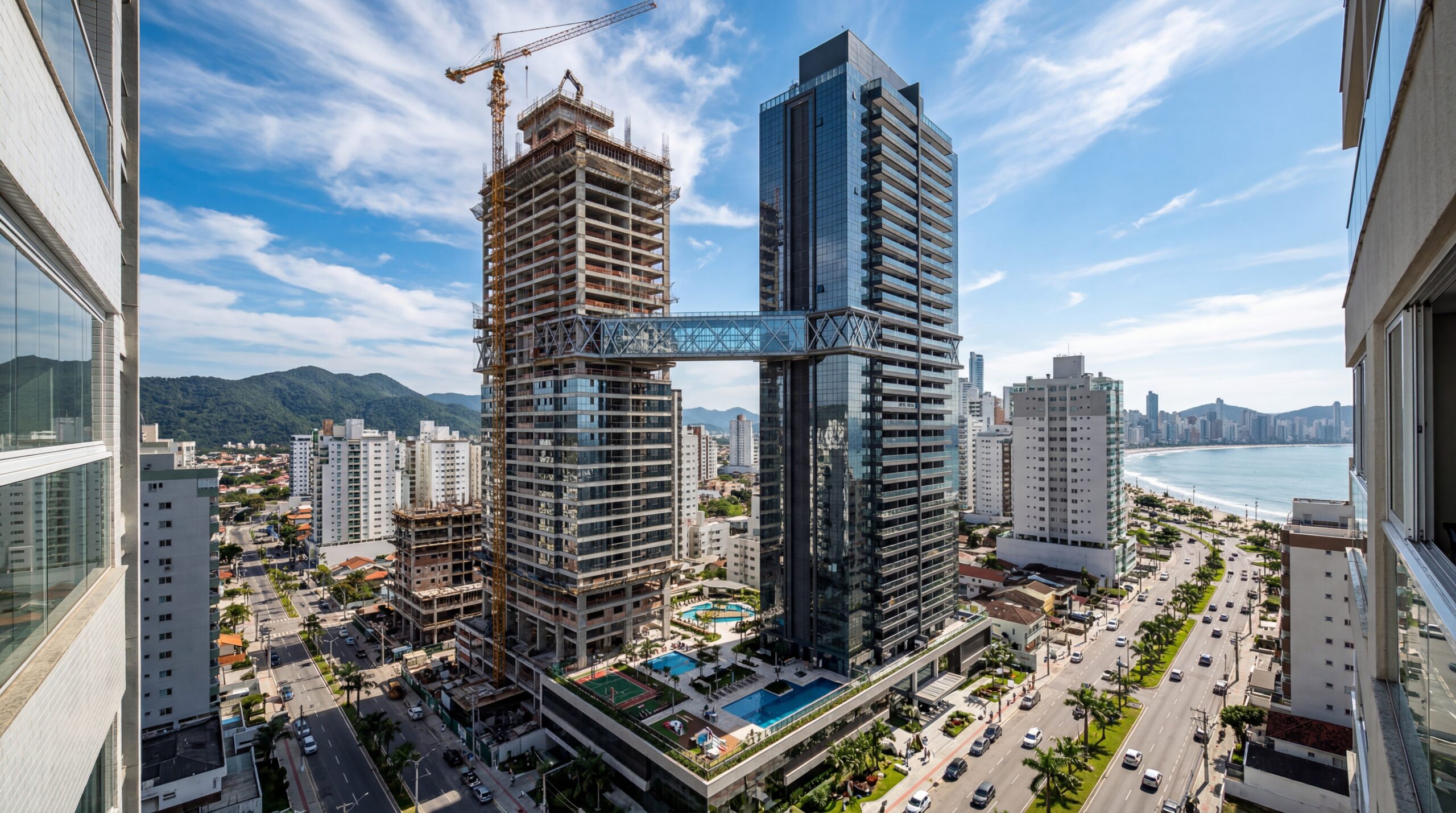
With 55 floors, 177 meters in height, a 15-meter walkway between the twin towers, ventilated facade, and 6,300 m² of leisure space, Ápice Towers already has one tower completed and another nearly at the top.

The release occurred following a series of inspections and adjustments required by the municipality.
In an interview aired by a local broadcaster in the Washington area, Kala, as the author publicly identifies herself, stated that she obtained authorization to proceed and said that her plans were approved after several back-and-forths in the document submission process.
She also stated that the structure is below her house and within her property, without extending into neighboring lands, a point that has concentrated some public concerns since the case gained prominence.
Subterranean Excavation Goes Viral in Videos
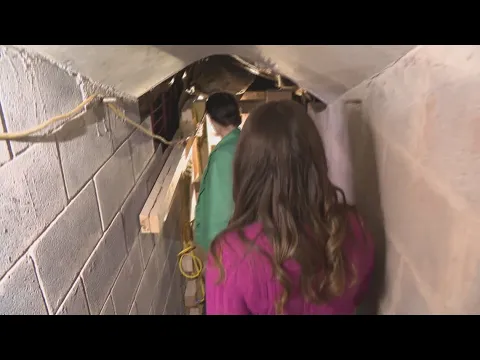

The story went viral because the project began and developed as a series of short videos, showcasing work stages to millions of people.
The excavation itself and the construction of access to the underground appeared as the “heart” of the content: soil removal, reinforcement with concrete and blocks, makeshift equipment to remove debris, and, over time, the emergence of an increasingly defined space.
In one of the reports about the case, she mentions the use of hundreds of concrete blocks in the construction of the entrance, while the main area would be about 22 feet below ground level.
Inspections and Order of Suspension from the City Hall
Before the city released the resumption, the situation underwent a formal halt phase.
A local report published in January 2024 stated that municipal authorities had already conducted an inspection in early December 2023 and, after that, issued a stop order.
The same coverage included a statement attributed to the Herndon city hall informing that the municipality received a notification of potentially non-compliant activity with the Uniform Statewide Building Code, Virginia’s state building code, and that, following protocol, representatives from the responsible inspection and zoning departments conducted a survey on December 7, 2023.

According to the text, the municipality stated it was working with the owner to correct any violations and ensure that the property was safe and compliant.
At the time of the halt, the author herself stated in a video that she received an order to stop the work and that an immediate evaluation by a professional engineer would be required.
In subsequent statements, during the phase leading to authorization to resume, she reported that she contracted technical evaluation and that the responsible engineer deemed the structure sufficient and stable, information mentioned in an interview reproduced by a local outlet when reporting the issuance of the authorization.
Permission, Structural Plans, and Technical Requirements
The case became an example of how the boundary between “personal project” and “licensed work” can be quickly crossed when the intervention involves excavation, subterranean structure, and possible impacts beyond the internal area of the house.
Even without the disclosure of the property address in the reports, neighbors interviewed by American broadcasters expressed surprise upon realizing that the project circulating on the internet was happening in the same neighborhood and said they were concerned about soil effects and on nearby properties.
The press coverage also noted requests for anonymity from residents or caution in statements, reflecting a theme that mixes public curiosity and safety debate.
From an administrative perspective, the discussion revolved around two axes: the existence of a subterranean work on a residential lot and the path to regularize a project that started without the complete process of permits.

In 2024, local reports stated that the city still had no record of licenses submitted up to that point.
By 2025, the authorization mentioned by the press came along with references to structural and flooring plans and construction specifications, plus the idea that it would be a storm shelter, a category that in some places may require its own parameters for resistance, ventilation, and integrity of the set.
Debate on Safety and Building Code
The popularity of the content helped keep the subject in circulation for months and amplified interest in technical details.
Part of the public focused on the physical feasibility of digging and supporting a subterranean space without compromising foundations; another part, on the legal requirements and the type of documentation necessary for a municipality to allow the continuation of a work of this scale.
Consequently, the narrative that began as “ambitious project in videos” started to include bureaucratic stages: inspections, requirements for professional evaluation, and submission of plans in successive versions.
The author herself, in a statement released by a local broadcaster when reporting the progress of the process, described receiving dozens of comments and requests for adjustments in each round of analysis and that the number of requirements decreased as responses were presented.
This dynamic reinforced an aspect that contributed to the repercussion: it was not only about digging and reinforcing the subsoil but about traversing a formal approval process, with documents, calculations, and technical responsibilities.
Although the American press reported the authorization for continuation and reproduced statements from the author about the approval, not all details of the licensing appear publicly in the available reports, such as the exact type of permit issued, the specific conditions, and which future stages would depend on new inspections.
Note: As far as could be confirmed from open sources, there is no full disclosure of the license document and its technical annexes in the consulted reports, nor a complete public description of all the requirements imposed by the city hall for the next phases.
With the release, the project returns to the center of the debate that made it famous: to what extent does the right to transform one’s own land extend when the intervention involves deep excavations and subterranean structures, and how to balance individual freedom, building codes, and collective safety.
If such a project emerged in your neighborhood, would you be more curious to see inside or more worried about what might happen beneath the ground?






-

-

3 pessoas reagiram a isso.