





 Portuguese
  English
  Spanish
  4 min of reading
  0 comments


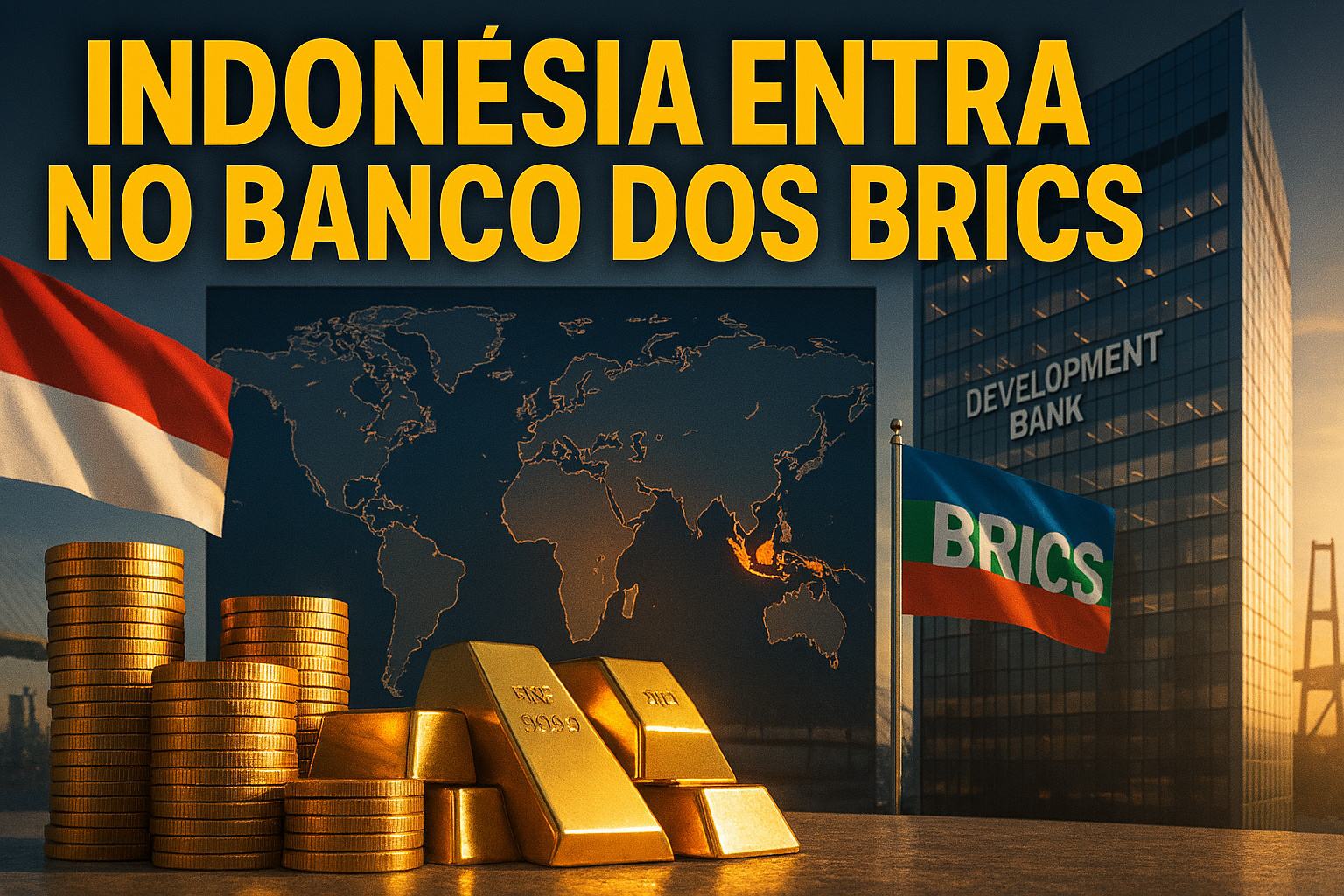
With An Investment of US$ 1 Billion, Indonesia Joins The BRICS Bank and Expands Its Geopolitical Power by Accessing New Financing for Infrastructure and Sustainable Development.
The entry of Indonesia into the New Development Bank (NDB), a financial institution globally known as the BRICS Bank, marks one of the most significant geopolitical movements of 2025 among emerging economies. The country officially consolidated its membership in the bloc on January 1, 2025, after its application was approved during the Russian presidency of BRICS in 2024. To accompany this new status and demonstrate commitment to strengthening the bank, the Indonesian government made its first investment: US$ 1 billion, equivalent to over R$ 5 billion — one of the largest contributions ever made by a new member since the institution’s creation.
The announcement was confirmed by Indonesia’s Coordinating Minister for Economic Affairs, Airlangga Hartarto, who classified the investment as a strategic step for both the country and the Global South. According to him, the move shows that Jakarta does not intend to occupy a symbolic role within the bloc, but rather actively participate in the development agenda, financing strategic projects and enhancing cooperation among emerging markets.
“Indonesia becomes a member and immediately starts to actively participate in the NDB’s activities,” said the minister, reinforcing the country’s alignment with the institution’s objectives.
-
Spain challenges the USA and closes its airspace for operations against Iran, raising global tension and provoking the threat of a trade rupture.

-
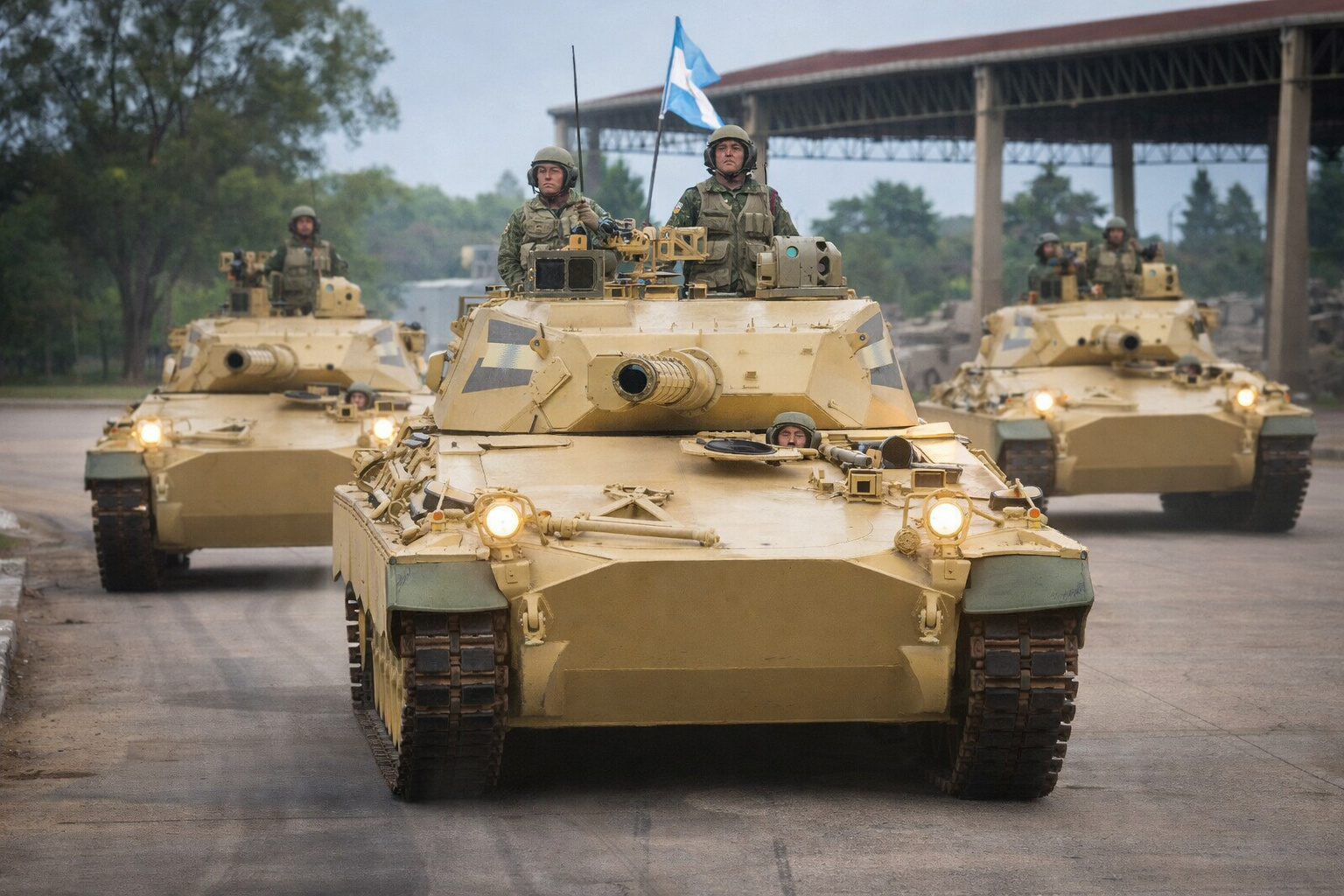
While no other country manufactures tanks in Latin America, Argentina activates the TAM 2C-A2 and raises a curiosity about the technological lag in the region.
-
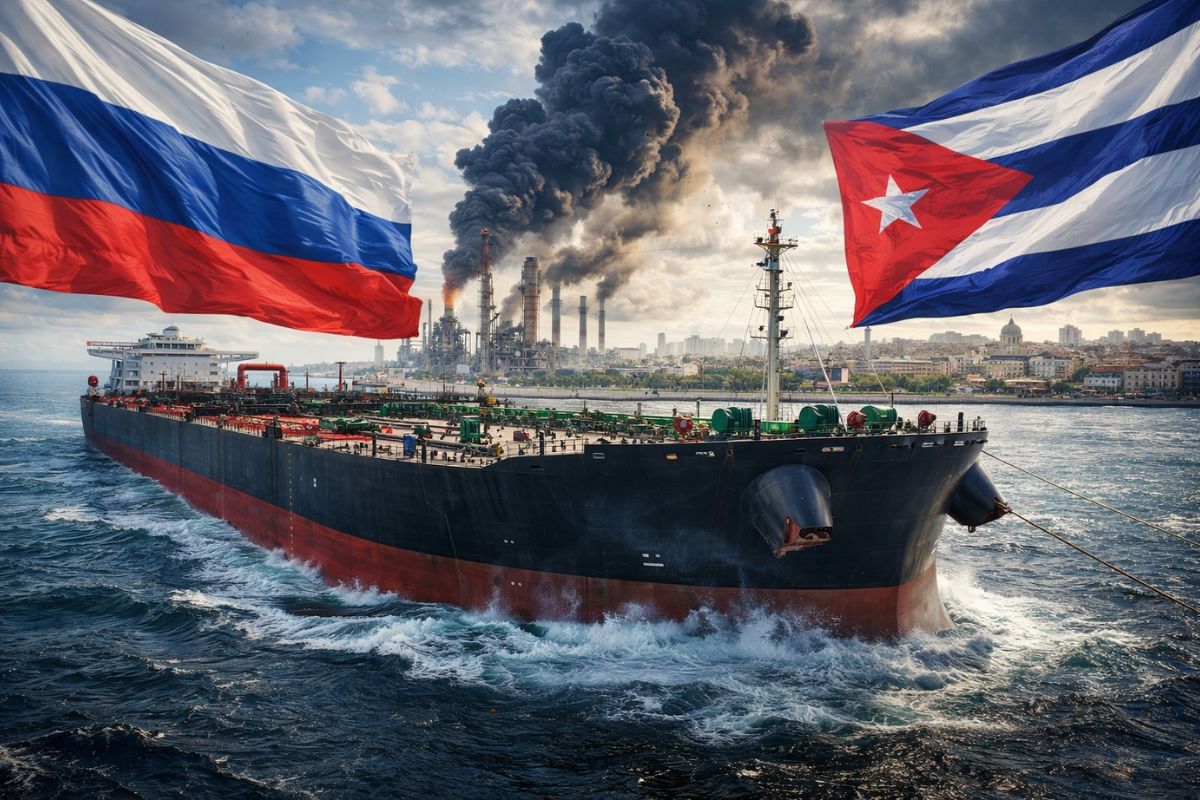
A Russian ship with 730,000 barrels of oil has just arrived in Cuba while Mexico negotiates fuel sales through private companies: the communist island is desperately seeking alternatives after losing its supply from Venezuela due to American military action.
-
Iranian drones and missiles destroyed a 270 million dollar American spy plane in Saudi Arabia, splitting the E-3 Sentry aircraft in half and injuring 12 military personnel in an attack that exposes the vulnerability of U.S. bases in the Persian Gulf.


Market Expansion and Integration with Major Emerging Economies
For the Indonesian government, joining the NDB represents a window of economic and diplomatic opportunities.
The country, which is already among the most dynamic economies in Southeast Asia, now joins a structure capable of financing large infrastructure, energy, logistics, connectivity, and urban development projects, sectors considered essential to sustain the archipelago’s accelerated growth.
Airlangga Hartarto emphasized that joining the bank will allow:
- expanded access to new financial markets;
- direct cooperation with China, India, Russia, Brazil, and South Africa, in addition to other invited countries;
- participation in large-scale projects, many of them directed towards energy transition and regional connectivity;
- greater diversification of funding sources for strategic works.
This move reinforces Indonesia’s position as a regional power and strengthens its economic diplomacy, especially in the context in which Southeast Asian countries compete for prominence in global production, infrastructure, and renewable energy chains.
NDB: History, Mission, and the Expansion of the Bank Created by BRICS
The New Development Bank was envisioned during the IV BRICS Summit, held in 2012, in New Delhi, India. Two years later, in 2014, during the group’s summit in Fortaleza (Brazil), the countries signed the Founding Agreement that officially created the institution.
Since then, the NDB has established itself as one of the most important alternatives to the traditional financial system, offering credit aimed exclusively at infrastructure development and promoting sustainable initiatives in emerging countries.
The arrival of Indonesia is part of a broader strategy of the bank for internationalization and diversification, allowing new members to strengthen the capital base and expand the reach of financed projects. The country offers the NDB not only financial investment but also a strategic role in one of the most dynamic regions of the world: the Asia-Pacific axis.
What It Means for Coming Years: More Projects, More Integration, and More Global Influence
Indonesia’s entry represents a significant leap in the evolution of BRICS as an expanded economic bloc. Starting in 2025, the NDB gains not only a new member but also:
- strengthens the geopolitical presence of the group in Southeast Asia;
- increases its capacity to grant credit for global mega-projects;
- expands financial dialogue among emerging countries;
- reinforces the search for alternatives to traditional dollar-based financing systems.
For Indonesia, this movement paves the way for large-scale projects in the areas of mobility, renewable energy, ports, airports, sanitation, and digital transformation — sectors where the country has significant deficits but great potential for expansion.
The entry of the archipelago also strengthens the view that the NDB has ceased to be a bank limited to the five original members and is consolidating itself as a financial hub for the Global South, capable of competing, in certain areas, with traditional institutions like the World Bank and the Asian Development Bank.
With the investment of US$ 1 billion, Indonesia sends a clear message to the world: BRICS has ceased to be a regionalized bloc and has become a vector of financial, diplomatic, and strategic transformation among emerging countries. And, for Jakarta, this is just the first step towards active participation in a global development network that promises to redefine the economic balance of the coming decades.










-

Uma pessoa reagiu a isso.