





 Portuguese
  English
  Spanish
  6 min of reading
  0 comments


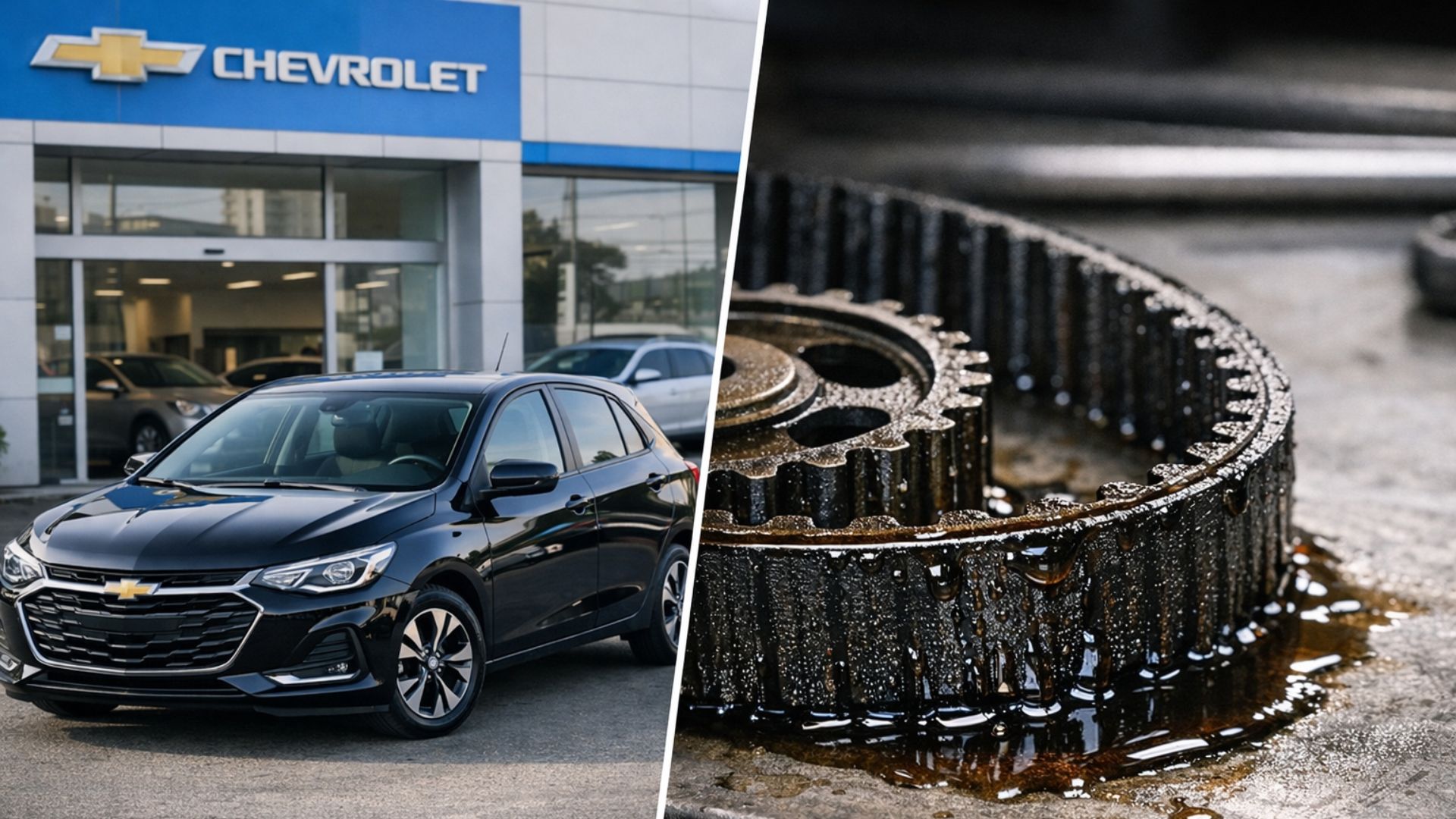
Onix Reaction Gains Strength with High Sales, Revised Timing Belt, Turbo Engine, and Automatic Versions Reaching the R$ 130 Thousand Range, Boosting Competitiveness in the Hatch Segment.
The Chevrolet Onix has regained momentum in the Brazilian market by totaling 9,524 units registered in November, the best monthly result of the year, and surpassing 71 thousand cars sold in 2025, in a movement associated with the revision of the oil-bathed timing belt, the extension of the warranty, and the offering of versions with 1.0 turbo engine and automatic transmission in the range of up to R$ 130 thousand.
Onix Sales in November
After a more discreet beginning of the year, the Chevrolet hatch has regained space among the best-selling passenger vehicles in the country.
The November registrations positioned the model again close to the main rivals in the segment, in a scenario where the Fiat Strada continues to lead overall by summing passenger and light commercial vehicles.
-
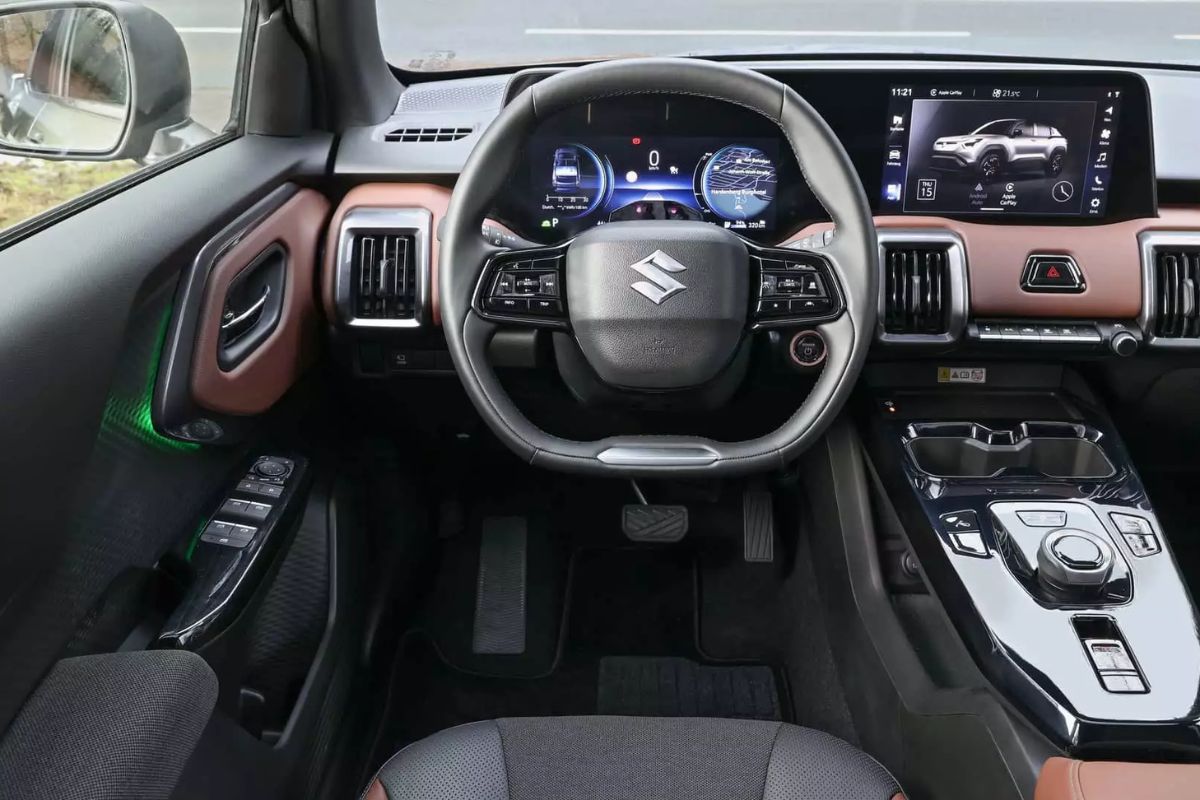
The 2026 electric Vitara arrives in Brazil and proves that Suzuki is not leaving: 4×4 traction, 184 hp, 61 kWh LFP battery, 293 km range, R$ 259,000, and a trunk capacity of 224 L.
-
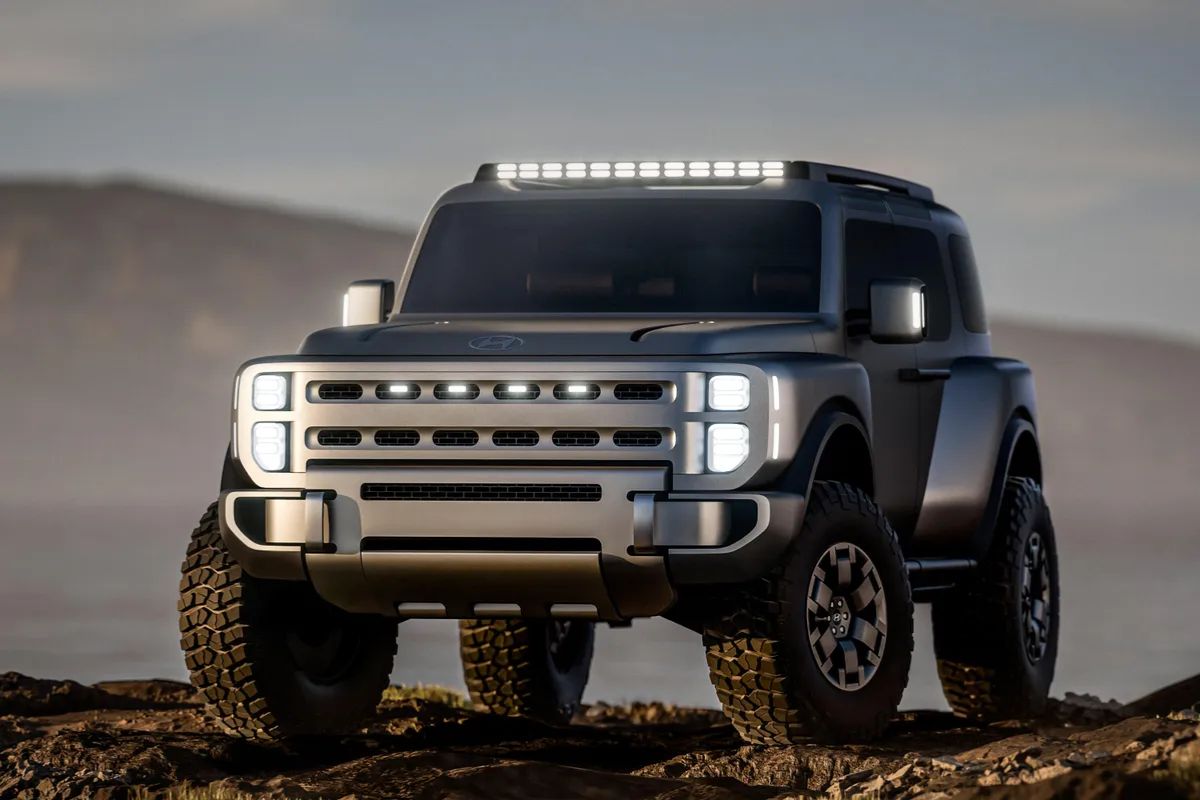
Hyundai has unveiled the Boulder, a square SUV with a body-on-frame design, 37-inch mud tires, and carriage-style doors that seems to be made to take on the Ford Bronco and the Scout Traveller in the United States.
-
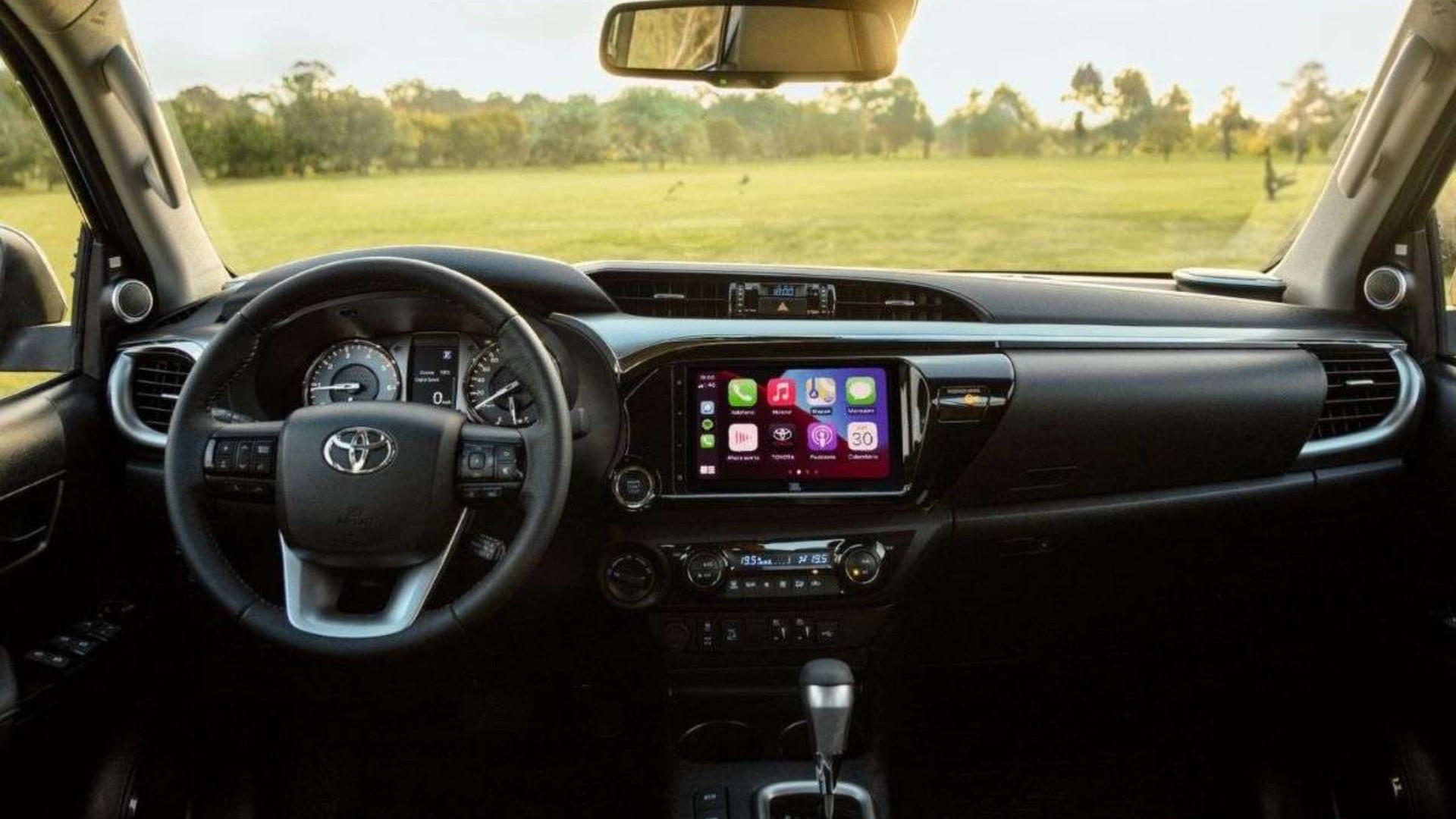
The Toyota Hilux is R$ 75.5 thousand cheaper and bets on the 2.8 turbodiesel engine with up to 204 hp and 50.9 kgfm to catch up with the VW Saveiro, which leads with 4,472 sales.
-
The new Renault Koleos has a screen exclusively for the passenger that is invisible to the driver, heated rear seats, and 29 assistance systems, but its Chinese competitors cost R$ 40,000 less and deliver more power.

This performance is not limited to a single month.
The accumulated total of 71,861 licensed units between January and November 2025 indicates a gradual recovery trajectory, distant from the peak when the Onix led the market for long periods, but enough to reposition it among the models with the highest presence in sales statistics and on the streets.

By reacting in the rankings, the hatch is once again competing directly for the top positions among passenger cars, in a more competitive environment marked by the rise of compact SUVs and price adjustments that pushed many compact models above R$ 100 thousand.
Accumulated Performance in 2025
In the 2025 balance, the volume above 71 thousand registrations helps explain the significance of the November result.
The line had been experiencing months with performance below potential, influenced by both the market environment and the negative repercussions of the oil-bathed timing belt in the three-cylinder engines.
Throughout the year, the combination of technical improvements, after-sales actions, and more direct communication with the public reduced the resistance of consumers and dealers.
This was gradually reflected in dealerships, with increased interest flow and a higher turnover in versions with automatic transmission, now the most sought-after among compact hatches.
While it hasn’t regained the absolute leadership that marked its trajectory in previous years, the Onix is back to being one of Chevrolet’s main products in the country, maintaining a significant share in a transforming segment.
Revised Oil-Bathed Timing Belt


One of the points that most affected the image of the Onix in recent years was the set of 1.0 and 1.0 turbo engines with oil-bathed timing belts.
Reports of premature wear, the need for early replacements, and high repair costs prompted complaints in workshops, social media, and consumer protection agencies, which pressured the automaker to revise its strategy.
In response, Chevrolet adopted a series of technical and commercial measures.
The belt is now supplied by Dayco, with a new rubber formulation and adjustments designed to increase durability, provided that the usage and maintenance conditions specified in the manual are respected.
At the same time, the brand extended and reactivated the warranty of up to 240 thousand kilometers for cars covered by the after-sales campaigns, covering units with 1.0 and 1.0 turbo engines produced in recent years.
The combination of revised components, extended warranty, and specific service programs helped reduce the perceived risk regarding the mechanical set.
For part of the public, the change eased concerns about facing high costs if the belt failed before expected, which contributed to the model being reconsidered in purchase quotes.
1.0 Engines and Automatic Transmission

While addressing the timing belt issue, Chevrolet maintained the strategy of positioning the Onix in two main engine fronts, both with three cylinders.
In the entry-level versions, the hatch continues to be equipped with a 1.0 flex aspirated engine, always paired with a six-speed manual transmission, aimed at those who prioritize low consumption and a lower initial price.
In the higher configurations, the line adopts the 1.0 turbo flex engine, which can be combined with both manual transmission and the six-speed automatic transmission, which expands its appeal for daily urban use and travel.
This automatic transmission offering in different trim levels is significant in a market where the preference for this type of transmission grows year after year.
In terms of safety, the model remains competitive by offering six airbags, traction and stability controls, and hill start assist in most versions.
This package positions the Onix in line with rival hatches that have also undergone recent updates and approach, in many cases, similar price levels to some entry-level SUVs.
Multimedia systems with an 8-inch screen and wireless connectivity for Android Auto and Apple CarPlay continue to be present in the mid-range and top configurations, with connected services that reinforce the focus on convenience and onboard connectivity.
Onix Versions and Prices
In commercial terms, the Onix range remains broad, with distinct combinations of engine, transmission, and equipment.
According to the reference table for December 2025, the line starts from the Onix LS 1.0 MT, positioned at R$ 99,990, aimed at buyers looking for a more accessible 1.0 compact, focused on acquisition cost.
Above it is the Onix LS 1.0 Turbo MT, priced at R$ 107,990, for those who want the turbo engine but still accept a manual transmission.

Those prioritizing the comfort of the automatic will find the Onix LS 1.0 Turbo AT, with a suggested price of R$ 112,990.
In the intermediate range, the Onix LT 1.0 Turbo AT is offered at R$ 118,990, adding convenience and connectivity items.
Next, the Onix LTZ 1.0 Turbo AT, priced at R$ 123,990, adds more finishing and embedded technology features.
At the top of the hatch range, the Onix Premier 1.0 Turbo AT is available for R$ 129,990, while the Onix RS 1.0 Turbo AT, with sporty appeal, reaches R$ 130,990.
This way, the line is entirely positioned in the range of around or above R$ 100 thousand for turbo versions with automatic transmission, aligning with the price movement observed among competing compact models.
This structure allows the model to cater to various profiles, from the driver seeking a simpler 1.0 hatch focused on economy to the consumer willing to invest in a well-equipped compact with distinctive styling and a larger technology package.
Onix and the Scenario of Compact Hatches
The recent good moment of the Onix occurs in an environment where compact hatches have lost ground to small SUVs and crossovers, which have started to concentrate a significant portion of consumer attention and budget.
Nonetheless, there is still demand for smaller models, especially among those seeking lower usage costs, ease of maneuverability in cities, and generally more accessible insurance.
With the updated oil-bathed timing belt, the extended warranty, the 1.0 aspirated and 1.0 turbo engines, and versions with automatic transmission and prices reaching R$ 130 thousand, the Onix reestablishes itself as a relevant option in this scenario.
In light of this context, for those choosing a car now, are the technical and commercial adjustments made by Chevrolet sufficient to leave the timing belt controversy as just a memory, or does the recent history still weigh on the purchasing decision?









-

Uma pessoa reagiu a isso.