





 Portuguese
  English
  Spanish
  4 min of reading
  0 comments



New Honor Firefly AI Brings Gesture Control, Integrated AI, and Giant Image at Competitive Price, Turning Any Wall into a Smart Cinema Room.
In January 2025, Honor officially announced its new line of home projectors in Asia and Europe, consolidating the diversification strategy the company has been adopting since it stopped focusing solely on the smartphone market. The highlight of the presentation was the Honor Firefly AI Projector, a model that combines high-performance projection, artificial intelligence system, and a rare feature in this segment: gesture control in the air, without the need for a remote control or physical contact with any surface.
The news was initially reported by portals like TudoCelular, Android Authority, and NotebookCheck, which immediately highlighted the experimental and innovative nature of the product — something uncommon in a category traditionally dominated by brands like Epson, Xiaomi, and LG.
The launch places Honor in a strategic space in the home entertainment market: compact, intelligent, relatively affordable equipment designed to transform any flat wall into a near-cinema experience.
-
With a cost per shot close to zero, the DragonFire laser could change naval warfare in 2027 and provide British ships with nearly unlimited defense against drones.

-
A British startup creates tires that generate electricity in electric vehicles when passing over potholes, speed bumps, and cracks.

-
Scientists have created robots made with living cells that have their own nervous system, swim on their own, explore the environment, and self-organize without any genetic engineering, and now they want to do the same with human cells.

-
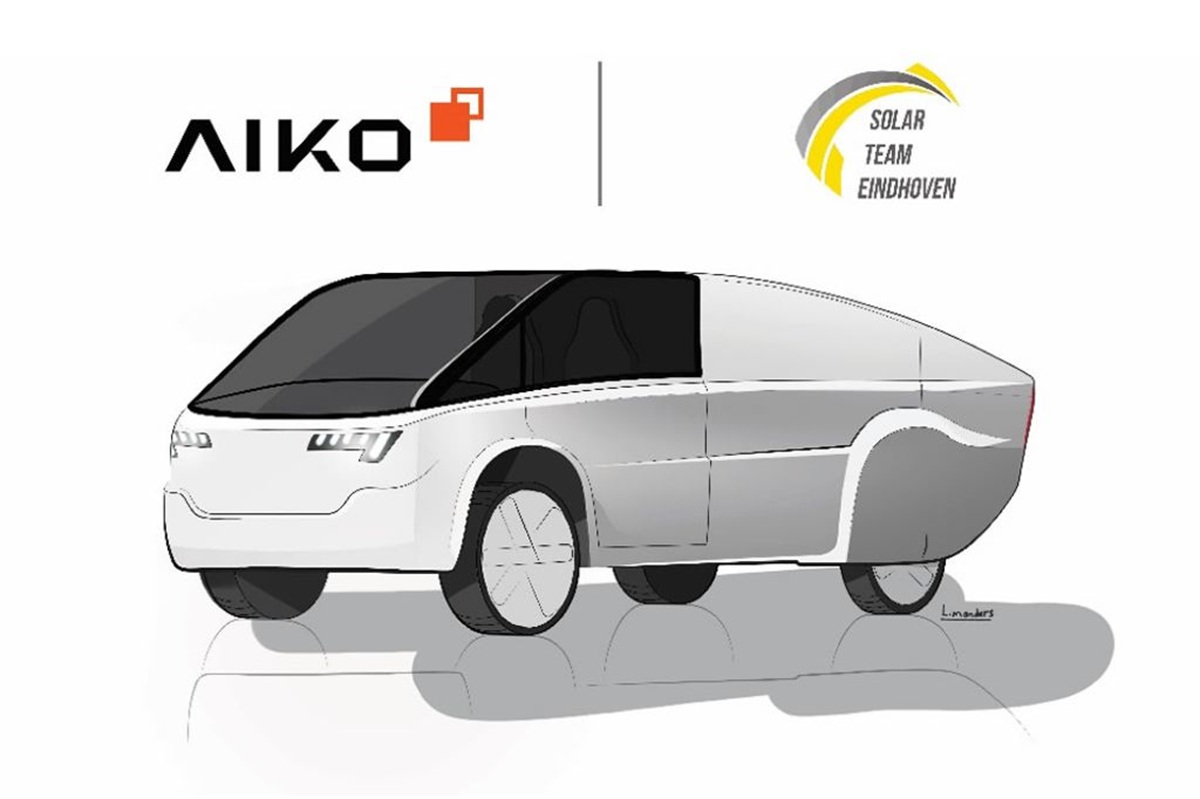
Students create a solar-powered ambulance that operates without a plug, without fuel, and still keeps medical equipment running in remote areas.

How Gesture Control in the Air Works
The most talked-about differentiator is the Firefly AI’s ability to interpret hand movements made in the air, without additional accessories. Thanks to built-in sensors on the front, the projector recognizes simple gestures to:
• adjust the volume
• pause and resume videos
• navigate between options
• switch apps
• fast forward or rewind content


This feature is designed for use in environments where the user may not always want to pick up their phone or search for the remote. Just raise your hand and make the corresponding movement.
The idea follows the line of “intuitive human control,” something that technology companies have been revisiting after initial, still limited attempts in the 2010s.
The Imaging System and Visual Experience
According to the specifications presented, the Firefly AI utilizes:
• Full HD (1080p) resolution
• LED lighting with standard CVIA brightness of 280 lumens, sufficient for controlled environments
• automatic focus adjustment technology and keystone correction
• projection size between 60 and 150 inches, depending on distance
The proposal is not to compete with professional cinema projectors, but to deliver a large, clear, and stable image in home environments, something that the young, connected consumer seeks when transforming their room or living room into a type of “minimalist home theater.”
The device also supports Wi-Fi 6, Bluetooth, HDMI, and USB ports, in addition to an integrated speaker with digital sound processing.
Artificial Intelligence as the Central Focus
Honor integrated an intelligent assistant into the Firefly AI capable of:
• recommending brightness adjustments based on ambient light
• detecting obstructions on the wall
• automatically repositioning the image
• suggesting content and apps
• optimizing audio in real-time
The AI also works on gesture detection, interpreting fast or slow movements, which reduces errors and makes usage more natural, especially during movies and games.
This feature reinforces the trend of transforming ordinary projectors into more complete devices — almost hybrids between entertainment gadgets and smart home assistants.
Competitive Price to Reach the Mass Market
One of the main points highlighted by the international press is the competitive price.
According to outlets that covered the launch, the Firefly AI enters the Chinese and European markets at lower prices than equivalent models from Xiaomi and Epson, positioning itself as an accessible alternative within the smart projector segment.
The goal is clear: to compete for consumers seeking a large screen, ease of use, and portable design — but who do not want to spend typical amounts for traditional home theaters.
A Strategic Step by Honor in the Pursuit of New Markets
Since it ceased to be a subsidiary of Huawei, Honor has been expanding its presence in products beyond smartphones. The Firefly AI is part of a larger movement that includes headphones, compact PCs, wearable devices, and now smart projectors.
Experts point to two strategies behind this launch:
Targeting an audience that consumes video on a large scale — young people and couples who use streaming services daily.
Creating proprietary ecosystems, where the brand’s cell phones, tablets, and projectors integrate seamlessly, encouraging brand loyalty.
If the gesture control feature becomes established, Honor could initiate a new trend within the sector.
By combining AI, high-definition projection, and touchless interaction, the Firefly AI suggests a path where the device becomes less “a projector” and more “an intelligent environment,” in which the user controls everything just by raising their hand.
This represents the transition from traditional projectors to a category that is more intuitive, integrated, and adapted to everyday life, something that has been lacking in the market and is now gaining traction with solutions like Honor’s.








Seja o primeiro a reagir!