





 Portuguese
  English
  Spanish
  7 min of reading
  0 comments


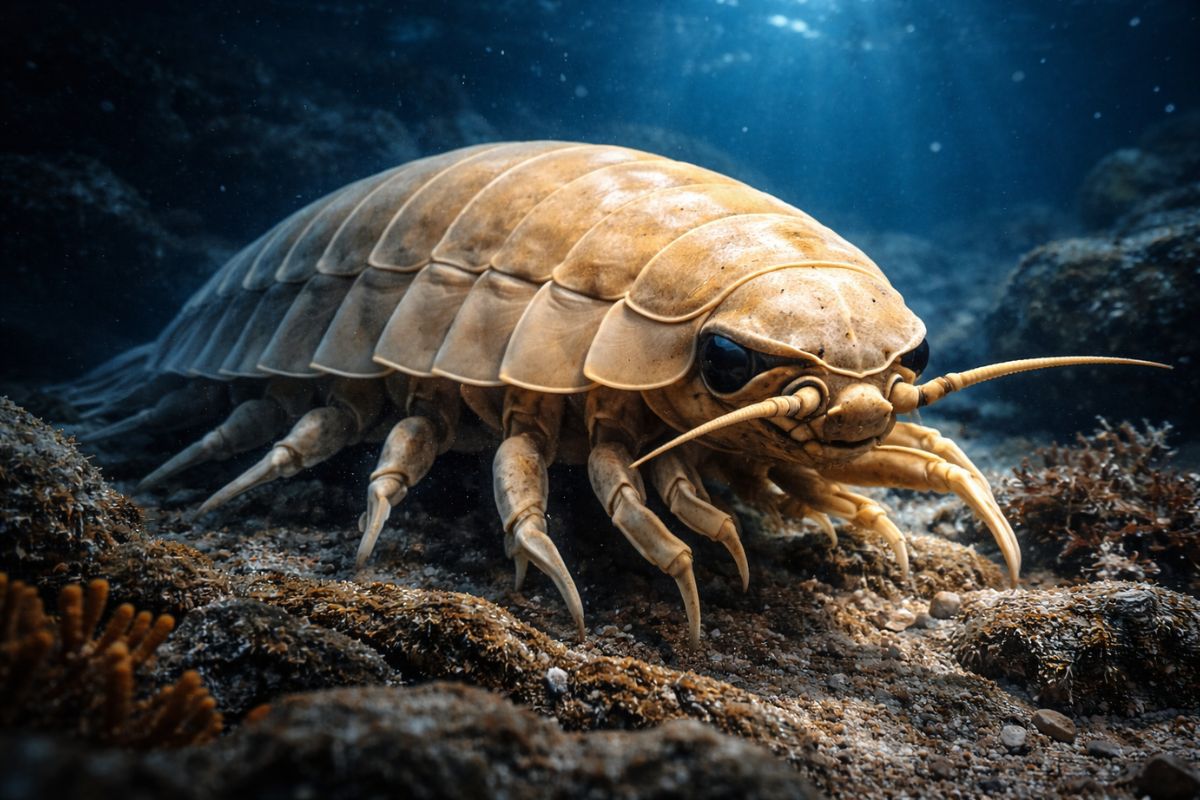
With Little Food And Zero Light, The Sea Floor Produces Giants That Seem Impossible, From 40 Cm Isopods To Colossal Squid And 7 M Sharks, That Now Reign In The Depths, But May Disappear With Global Warming.
In An Environment Of Permanent Darkness, Extreme Pressure, And Scarce Food, Logic Would Suggest That Animals Should Be Small, Discreet, Almost Invisible. Instead, Giants That Seem Impossible Emerge, Creatures That Grow Far Beyond The Size Of Their Relatives Living In Shallow Waters. Cat-Sized Isopods, Colossal Squid With Huge Eyes, Sharks Several Meters Long, And Sponges As Big As A Minivan Make The Sea Floor An Extreme Laboratory Of Evolution.
These Giants Do Not Exist By Chance. They Are The Result Of Rules Of Energy Efficiency, Low Temperatures, Abundant Oxygen In Cold Regions, And The Isolation Of Environments Nearly Free Of Predators. Being Large Down There Is A Survival Strategy. However, The Same Set Of Conditions Favoring These Giants Is Being Altered By Global Warming. If Ocean Temperatures Continue To Rise, Many Of These Giants That Seem Impossible May Be The First To Disappear.
What Are The Giants That Seem Impossible From The Sea Floor
Scientists Refer To The Deep-Sea Gigantism As The Pattern Where Animals Living At Great Depths Grow Much Larger Than Their Shallow-Water Relatives.
-
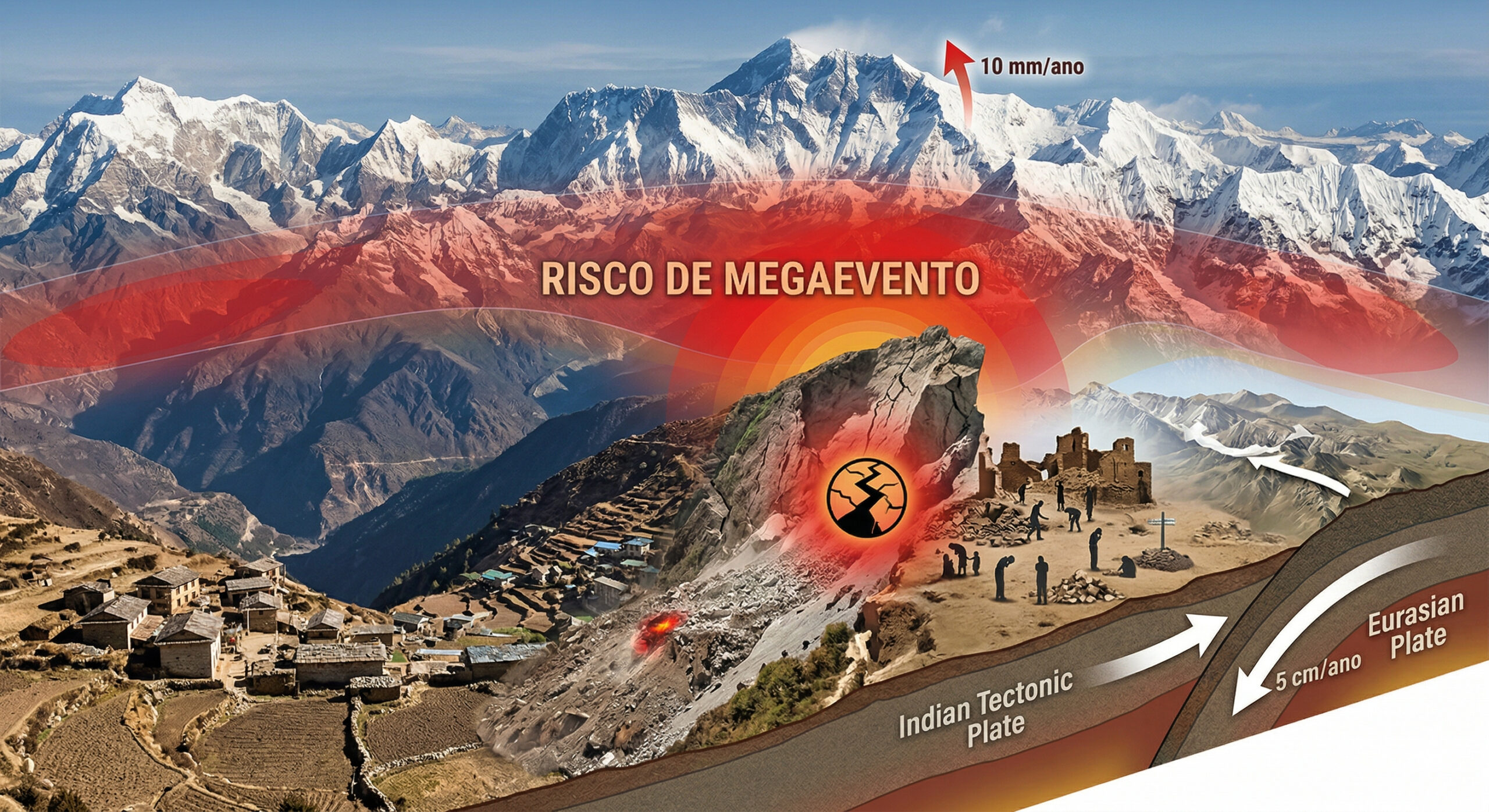
The Himalayas continue to grow to this day, with tectonic plates advancing 5 cm per year, mountains rising up to 10 mm annually, and the 2015 earthquake that killed 9,000 people may have increased the risk of an even larger seismic mega-event.
-
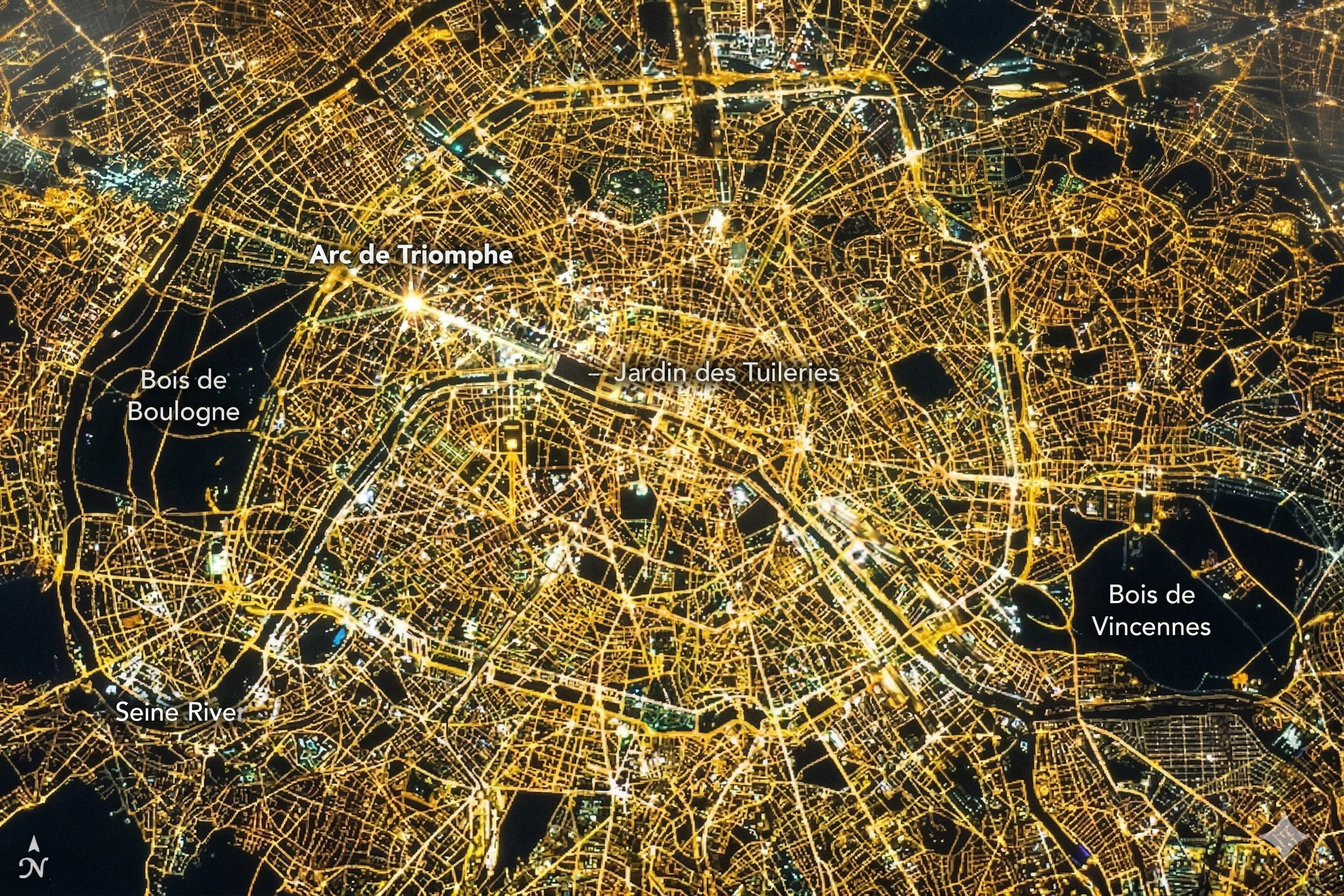
At an altitude of 400 km by astronauts from the International Space Station, Paris transforms at night into a golden mesh so precise that it reveals the outline of the Seine River, avenues, and entire neighborhoods like a luminous map drawn over the Earth.
-
iPhone 17 reaches historic low price with 256 GB, 120 Hz display, and drops to R$ 5,703 on Shopee, featuring A19 chip, dual 48 MP cameras, battery life of up to 30 hours, and advanced AI features.

-
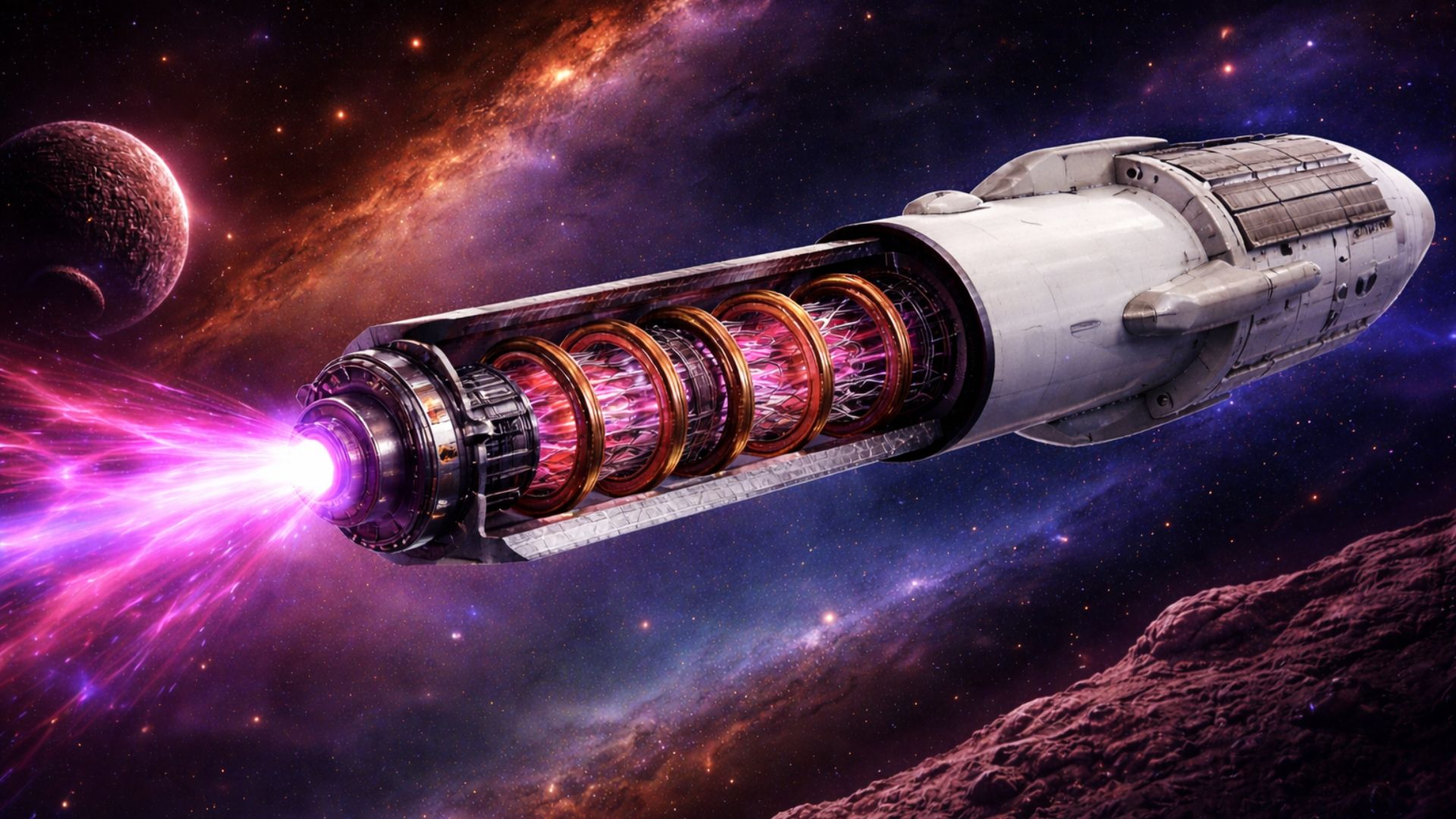
Trip to Mars getting closer: Pulsar Fusion, from the UK, advances with plasma ignition in fusion engine and could drastically reduce space travel time, making crewed missions faster, safer, and economically viable.

It’s As If The Same Group Of Animals Has Two Versions: One “Normal” Near The Surface And Another Giant Living In The Dark, Thousands Of Meters Deep.
This Is Especially True For Invertebrates, Such As Crustaceans And Mollusks. Deep-Sea Isopods, Amphipods, Squid, And Sponges Can Reach Sizes That Would Be Unthinkable In Brighter, Warmer Regions.

At First Glance, It Seems Counterintuitive: A Deep, Cold Ocean With Very Little Food Creating Giants That Seem Impossible.
Two Ideas Help Explain This Phenomenon. One Is Energy Efficiency: Larger Animals Can Use Energy More “Economically”, Which Is An Advantage In An Environment With Almost No Food.
The Other Is Related To Temperature And Oxygen: Cold Waters Tend To Be Rich In Oxygen And Slow Down Metabolism, Allowing Bodies To Grow Larger Without Collapsing.
Little Food, Much Efficiency: Why Growing Helps In Darkness
Below About 200 Meters Deep, Sunlight Disappears. Without Light, There Is No Photosynthesis. Plants, Algae, And Phytoplankton Produce Almost No Energy Down There.
The Entire Deep-Sea Ecosystem Relies On Debris That Falls From The Surface, A Slow And Steady Flow Of Organic Particles Called Marine Snow, Composed Of Pieces Of Dead Animals, Feces, And Other Debris.
In This Scenario, Actively Hunting All The Time Is A Poor Strategy. The Secret Is To Save As Much As Possible.
Large Animals Have An Advantage: The Bigger The Body, The Slower The Metabolism “Burns” Energy Per Kilo, Meaning A Giant Can Survive With Proportionally Less Food Than A Small Animal.
Moreover, A Larger Body Can Store More Reserves. Deep-Sea Giant Sharks, For Example, Can Fill Their Stomach In Rare Large Feasts And Then Spend Long Periods With Minimal Energy Expenditure.
Thus, The Giants That Seem Impossible From The Sea Floor Are Not Nature’s Exaggerations, But Precise Solutions To Survive In A Place Where Scarcity Is The Rule.
Examples Of Giants That Seem Impossible In The Depths
Giant Isopods And Super-Sized Amphipods
One Of The Most Striking Examples Is The Giant Isopod. Distant Relatives Of The Small “Garden Pill Bugs,” They Can Reach About 40 Centimeters In Length In The Deepest Parts Of The Ocean.
Slow And Heavy, They Live As The Cleaners Of The Abyss, Eating Almost Anything That Falls To The Bottom, From Dead Fish To Pieces Of Wood.
Amphipods, Another Group Of Crustaceans, Follow A Similar Path. While The Beach Versions Are Just A Few Millimeters Long, Species From The Ocean Trenches Can Reach Several Decimeters.
They Play The Role Of Large Scavengers Of The Depths, Recycling Organic Matter That Would Otherwise Accumulate In Layers On The Seabed.
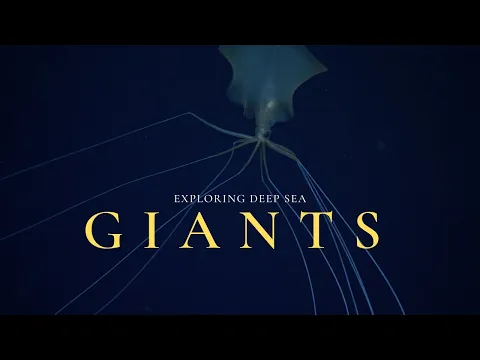
Colossal Squid And Squid With Endless Arms

Among Mollusks, The Most Famous Image Is Of The Colossal Squid, An Animal That Can Reach Tens Of Meters In Length And Weigh Hundreds Of Kilograms.
With Powerful Tentacles And Giant Eyes, It Is Probably One Of The Largest Invertebrates On The Planet. Despite This, It Is Rarely Seen Alive, Which Keeps Much Of Its Biology Enveloped In Mystery.
Other Deep-Squid Also Follow The Logic Of Giants That Seem Impossible. There Are Species With Long, Thin Arms That Extend Like Threads In Dark Water, Allowing Them To Capture Prey At A Distance While Their Bodies Remain Hidden. In An Environment Where Every Encounter With Food Is Valuable, Increasing Reach Is A Huge Advantage.
7 Meter Sharks That Live In Slow Motion

Not Only Invertebrates Live In Gigantism. Some Deep-Sea Sharks, Known As Sleeper Sharks, Can Reach Nearly 7 Meters In Length.
They Move Slowly, Almost In Slow Motion, And Rely On Both Large Fat Reserves And An Extremely Reduced Metabolism.
These Sharks Can Take Advantage Of Large Food Events, Such As The Fall Of A Whale Carcass, To Gorge Themselves.
By Stocking Food In A Huge Body, They Can Cover Large Distances Without Needing To Eat Again Quickly, A Perfect Strategy Where “Restaurants” Are Rare And Spread Far Apart.
Giant Sponges And Silent Cities On The Sea Floor

Gigantism Also Appears In Organisms That Do Not Move. Deep-Sea Sponges Can Reach Several Meters In Length And Height, Forming True Structures The Size Of A Car. These Sponges Continuously Filter The Surrounding Water, Capturing Microscopic Particles Of Marine Snow.
By Being Large, They Filter Enormous Volumes Of Water And Create Habitat For Other Animals, Such As Starfish, Cold Corals, And Feather Plumes.
In Cold, Stable Regions, With Little Disturbance From Waves And Few Specialized Predators, These Giant Sponges Can Live Long Periods, Growing Slowly Until They Become Symbols Of The Giants That Seem Impossible.
Cold, Oxygen, And Isolation: When Size Explodes At The Poles
A Similar Pattern Appears In The Cold Waters Of The Poles. In The Arctic And Antarctic Seas, Giant Starfish, Two-Meter Sponges, And Sea Spiders With Legs The Size Of Dinner Plates Show That Cold Can Be An Ally Of Gigantism.
The Explanation Involves Two Main Points. First, Cold Water Holds More Dissolved Oxygen Than Warm Water.
Second, Low Temperatures Slow The Metabolism, Reducing Oxygen Consumption. Together, These Factors Create A Situation Where The Body Can Grow Larger Without Hitting The Limit Of Available Oxygen.
Moreover, Many Of These Polar Environments Have Remained Isolated For Millions Of Years. Cold Currents And Temperature Barriers Function As Natural Walls, Preventing New Competitors And Predators From Arriving.
With Isolation, Stability, And Plenty Of Oxygen, The Result Is A Community Of Giants Reinforcing The Idea Of Giants That Seem Impossible In Extreme Scenarios.
Islands, Abyss, And The Size Rule In Evolution

To Better Understand These Patterns, Some Researchers Compare The Sea Floor To Isolated Islands.
On Islands, It Is Common For Small Animals To Become Larger When Predators Disappear, While Large Mammals Become Smaller When Food Is Limited. This Set Of Trends Is Known As The “Island Rule.”
The Sea Floor Functions As A “Liquid Island” On A Planetary Scale. It Is Isolated, Difficult To Reach, And Has Very Specific Resources.
After Major Extinction Events In The Past, Shallow-Water Creatures Migrated To Deeper Areas And, Over Millions Of Years, Evolved To Fill New Niches, Sometimes Becoming Tiny, Sometimes Transforming Into Colossi.
The Result Is A Mosaic Of Sizes, Where Certain Lineages Follow The Path Of Giants That Seem Impossible, Especially When Being Large Helps Store Energy, Travel Further, Or Escape From Predators Unable To Withstand Extreme Conditions.
Giants That Seem Impossible In An Ocean That Is Changing
If Up To This Point The Picture Seems Stable, The Problem Is That The Conditions Sustaining These Giants Are Changing Rapidly. Global Warming Is Causing Deep And Polar Waters To Get Warmer Over Time.
Warmer Water Holds Less Oxygen, And This Affects Precisely The Large-Bodied Animals That Depend On Ample Access To This Resource.
At The Same Time, Invasive Species Begin To Cross Barriers Previously Imposed By Extreme Temperatures.
In Polar Regions, For Example, Predatory Crustaceans That Could Not Live In Such Cold Water Are Now Able To Advance, Attacking Communities Of Giant Invertebrates That Never Needed To Defend Against Such Enemies.
In The Depths, Changes In Surface Productivity And The Amount Of Marine Snow Can Also Directly Affect The Giants That Seem Impossible, Which Depend On A Delicate Balance Between Energy, Oxygen, And Stability.
If This Balance Is Disrupted, The Giants, Who Now Seem So Well Adapted, May Become The Most Vulnerable.
On A Warming Planet, Size Stops Being Just An Advantage And Can Become An Evolutionary Trap.
What We Now See As Evidence Of Nature’s Creativity May Turn Into One Of The First Chapters Of A New Wave Of Silent Disappearances In The Oceans.
Considering This Scenario, Do You Think That The Giants That Seem Impossible Should Be A Priority In Ocean Protection Policies, Or Should Conservation Focus First On Coastal Ecosystems, Which Are Closer To Our Daily Reality?







-

-

7 pessoas reagiram a isso.