





 Portuguese
  English
  Spanish
  5 min of reading
  20 comments


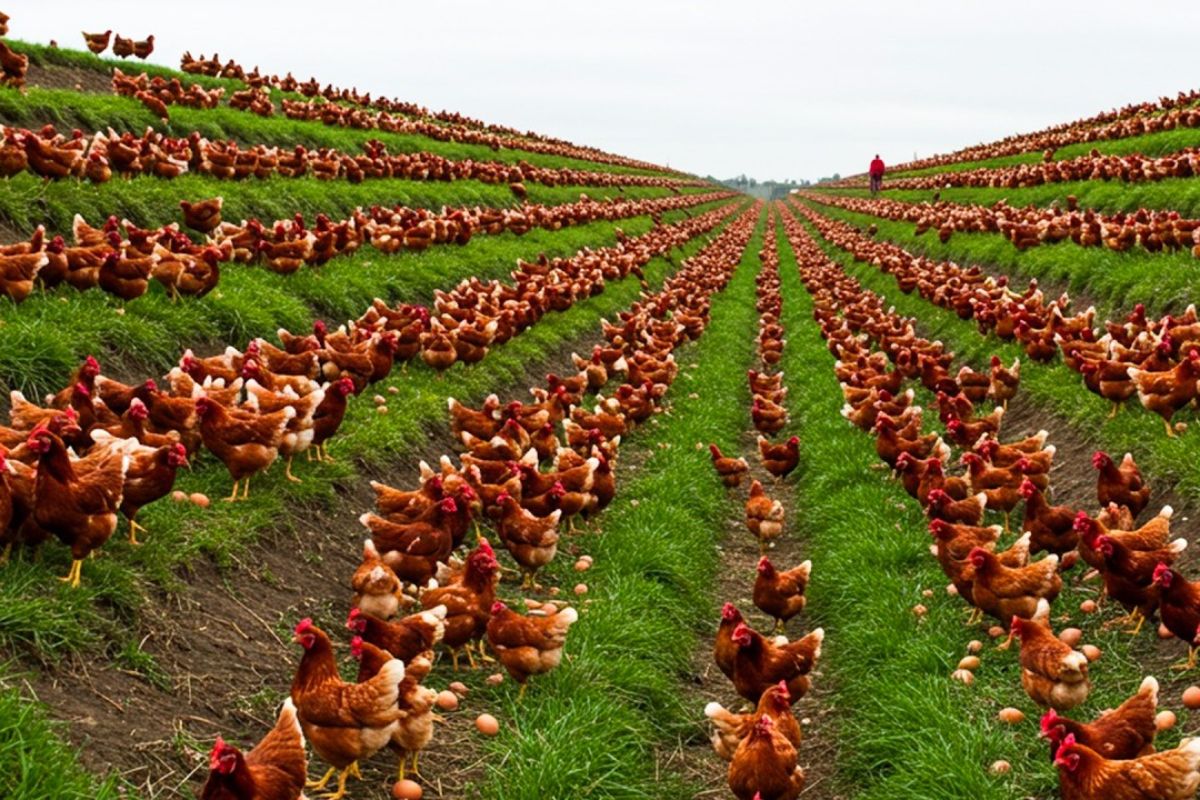


While There Are Still Crowded And Dark Barns, A New Model With Millions Of Free-Range Chickens Is Gaining Ground In The Field, Joining Animal Welfare, Selected Eggs, Automated Processing And Respect For Nature To Deliver Tender Meat, Distinct Flavor And Sustainable Production On A Large Scale For Small Towns And Large Retail Chains
In the new open-range farms, millions of free-range chickens roam in green areas, scratching for insects, seeds, and grass shoots while still going through strict hygiene controls, egg selection, and closed chicken meat processing. Instead of flocks crammed into small cages, the focus shifts to an environment closer to nature, with designed shelters, proper ventilation, and controlled natural light.
While the old model of cramped cages still exists in many farms, this modern system combines technology for incubation, automatic sorting, gentle washing of shells, and biosecurity measures to ensure clean eggs, high-quality chicken, and a routine designed for both productive efficiency and respect for the life cycle of the birds. The promise is simple and powerful: more flavor, more control, and less harm to the environment.
From The Cramped Cages To The Open Space Of The Open-Range Farms

For decades, the standard image of egg production has been that of chickens piled in cages, with little space to move.
-
The rise in oil prices in the Middle East is already affecting Brazilian sugar: mills in the Central-South are seeing their margins shrink just as ethanol gains strength.
-
Rain gains strength in April, potentially exceeding 150 mm, placing the North, Northeast, and the coasts of the South and Southeast at the center of the heaviest forecast of the week.

-
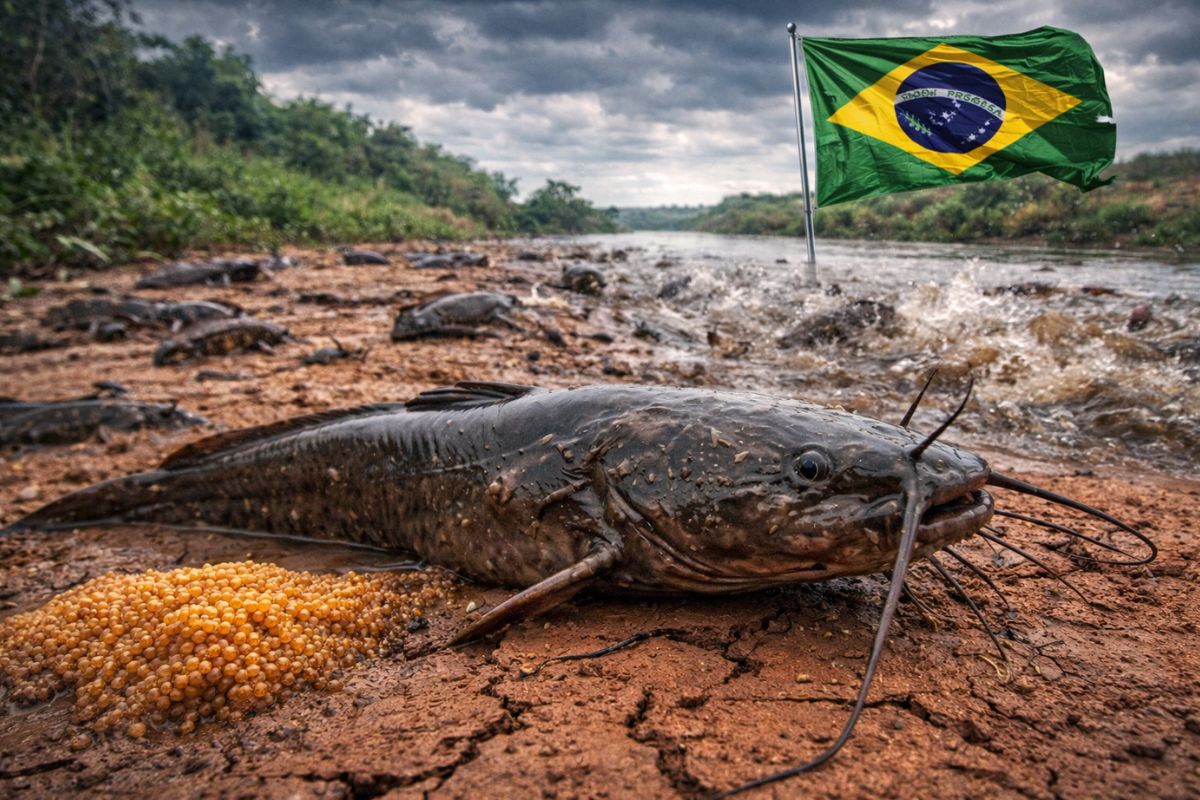
A fish that survives out of water, crawls on land until it finds another river, and whose female lays 80,000 eggs at once is infesting rivers and lakes in Brazil, and no one can stop this invasion.
-
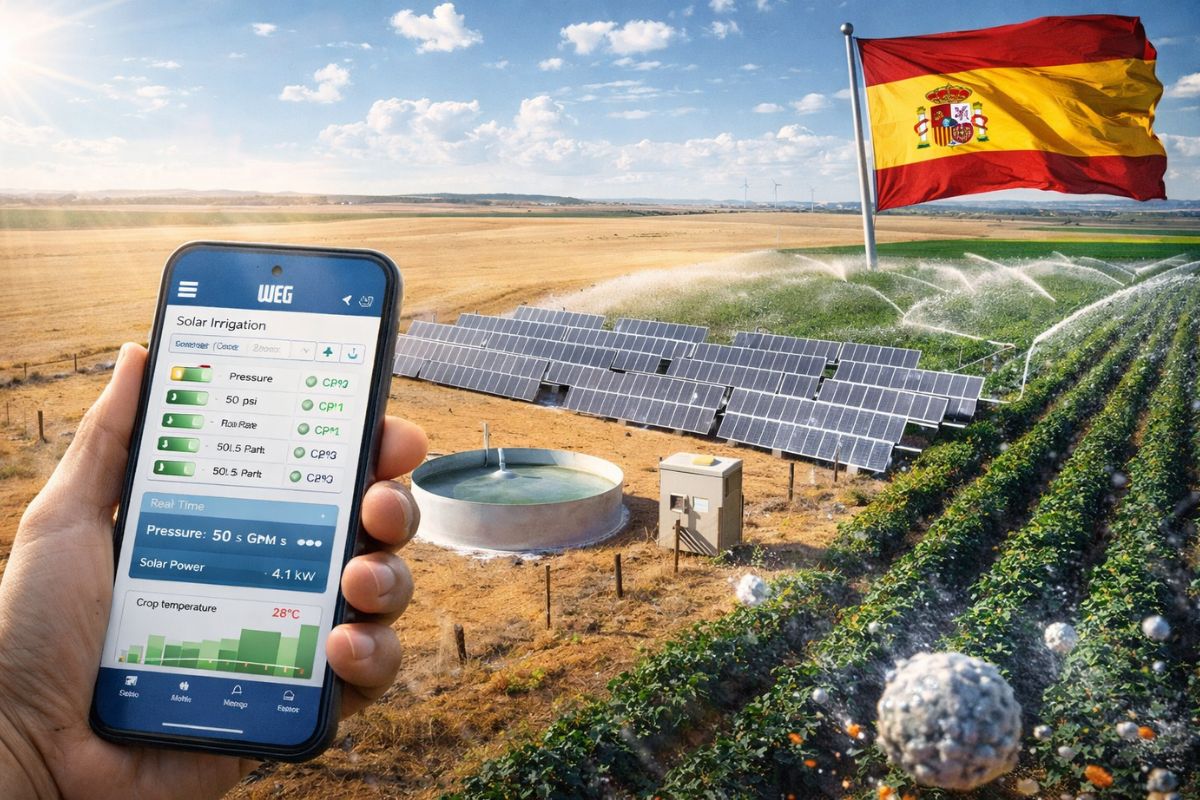
WEG took its technology to Spain to create a solar irrigation system that operates independently without needing an electrical grid, and now farmers control everything remotely via their mobile phones.

In modern open-range farms, the scene changes radically.
The animals have outdoor areas to walk, forage for natural food, and behave like real chickens.
These farms gather millions of free-range chickens in planned systems, with shelters designed to protect them from rain and strong sun, while still allowing air circulation.
Around the barns, the ground becomes a large living yard, where the flocks explore insects, fresh grass, and seeds, which directly reflects on the texture of the meat and the more distinct flavor compared to many traditional models.
Technology From The Egg To The Chick

It all starts with the egg.
The fertilized eggs are carefully selected, cleaned, and taken to an automatic sorting system, where a machine uses vacuum suction to lift each unit and precisely position it in the incubation trays.
The process is designed to prevent breakage, keep the shell intact, and ensure that only eggs in good condition proceed to the next stage.
After incubation and hatching, the chicks go through a sex separation process, carried out by professionals who observe the genitals or wing feathers.
Then, males and females are sent to suitable locations, always in clean, well-ventilated environments with stable temperatures.
This is where technology meets daily care, reducing losses and strengthening the health of the flock from day one.
Millions Of Free-Range Chickens, Biosecurity On High Alert
Having millions of free-range chickens in open areas is not just picturesque in photos.
It also brings real biosecurity challenges.
In contact with the environment, the birds can come into close proximity with wild birds and rodents that carry dangerous pathogens.
For this reason, the modern free-range model is not synonymous with improvisation, but rather with control.
There are fences, cleaning routines, careful management of accesses, and soil and shelter monitoring. The goal is to take advantage of the best of the external world without leaving gaps for diseases.
The combination of controlled freedom and constant vigilance makes it possible to keep millions of free-range chickens producing regularly and safely.
Billions Of Clean Eggs Per Year Thanks To Automation
After being collected from the laying area, the eggs go to an automatic washing system.
Modern machines gently clean the shells, removing dirt and bacteria without cracking the structure.
At this point, the image of rustic “free-range eggs” meets high-precision equipment capable of processing billions of units throughout the year while maintaining the same quality standards.
This step is crucial for differentiating production.
The consumer receives eggs that recall their farm origin but go through rigorous cleaning processes, maintaining a beautiful appearance, intact shells, and protected interiors.
Between the nest and the box that reaches the market, there is a sequence of conveyors, sensors, and controls that sustain the industrial scale of the modern free-range system.
Closed Processing, Total Hygiene, And Superior Flavor Chicken
When the focus shifts from eggs to meat, the logic of care continues.
In processing plants, the chickens are hung on automatic hooks and submerged in hot water to facilitate feather removal.
The entire flow occurs in a closed system designed to ensure high standards of hygiene and food safety.
Specific machines make the necessary cuts, remove internal organs, and precisely separate chicken parts, avoiding unnecessary damage.
The combination of outdoor management, more natural feeding, and strict processing within the industry results in chicken with a more pleasant texture and highlighted flavor compared to many traditional intensive methods.
From The Yard To The Plate: Nutrition, Flavor, And Respect For Nature
The eggs from free-range chickens become everyday dishes, such as boiled eggs, fried with runny yolk, or savory pies.
The difference lies in knowing that behind each recipe is a system that tries to balance nutrition, animal welfare, and sustainability.
The modern free-range model is not just nostalgia for the “childhood farm.”
It points to a shift in agriculture, where large volumes, like millions of free-range chickens and billions of clean eggs, coexist with the idea of respecting the natural life cycle of the birds and the pursuit of more sustainable farming.
It is an attempt to bring technology closer to a way of producing food that makes sense for those who plant, for those who consume, and for the environment that sustains all of this.
In light of this scenario, would you be willing to pay a little more to consume products from these open-range farms with millions of free-range chickens instead of traditional farms?






Gostaria de saber de onde vem esses ovos saudável.
Nascem em árvores, é só colher.
🤦
Certamente que sim;
A galinha que cisca,come broto de capim e anda livre solta, tem ovos e carne mais saudáveis!
Could this be from a farm setup in Brazil?? Interesting article.