





 Portuguese
  English
  Spanish
  4 min of reading
  27 comments


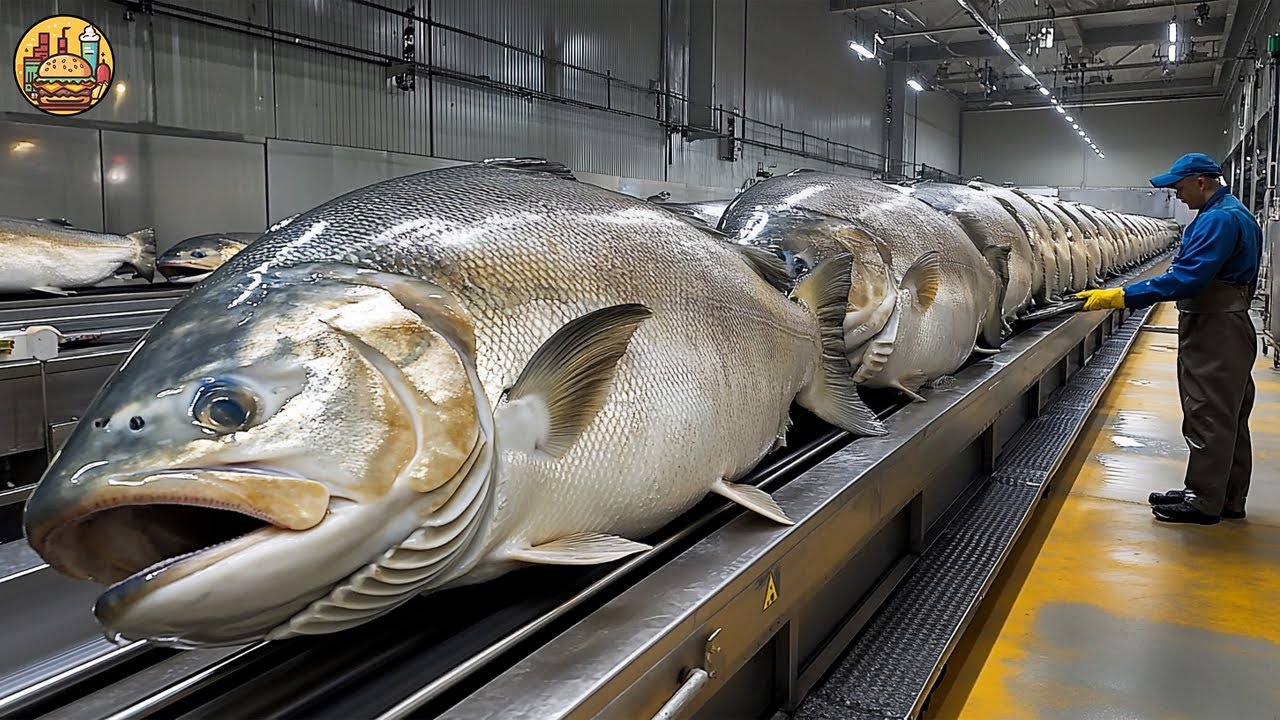


Norway Dominates More Than 50% of Farmed Salmon Worldwide With Mega Fish Farms, Cutting-Edge Technology, and Annual Production Exceeding 1.5 Million Tons.
The Norwegian dominance in global salmon production is not just statistical. It results from engineering, genetics, marine technology, and an economic ecosystem specifically shaped to transform cold waters into one of the world’s largest hubs of premium protein. The country leads the global market by a wide margin: over 1.5 million tons of farmed salmon per year, according to the Norwegian Seafood Council. This represents more than half of all global aquaculture salmon production, a performance so dominant that no other country comes close.
The consolidation of this blue empire is due to a combination of geography, technique, and continuous innovation. Norway has over 100,000 km of coastline, marked by deep, cold fjords that function as true natural laboratories. These environments maintain the ideal temperature for salmon growth, reduce thermal stress, and allow for higher population densities without compromising animal welfare—conditions that are difficult to replicate in other regions of the planet.
The Technological Advancements That Transformed the Country Into the “Salmon Empire”
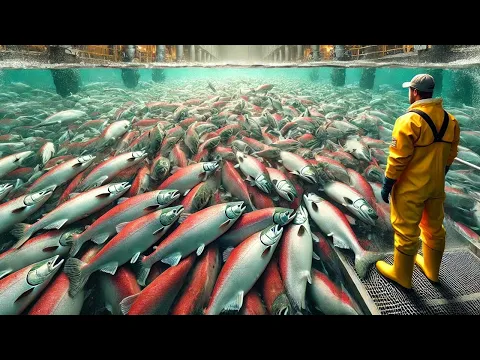
The Norwegian mega fish farms are structures that impress by their scale. Ocean platforms of up to 40 meters deep, circular nets with 100 to 200 meters in diameter, real-time sensors, and underwater robotic systems compose the landscape of the fjords.
-
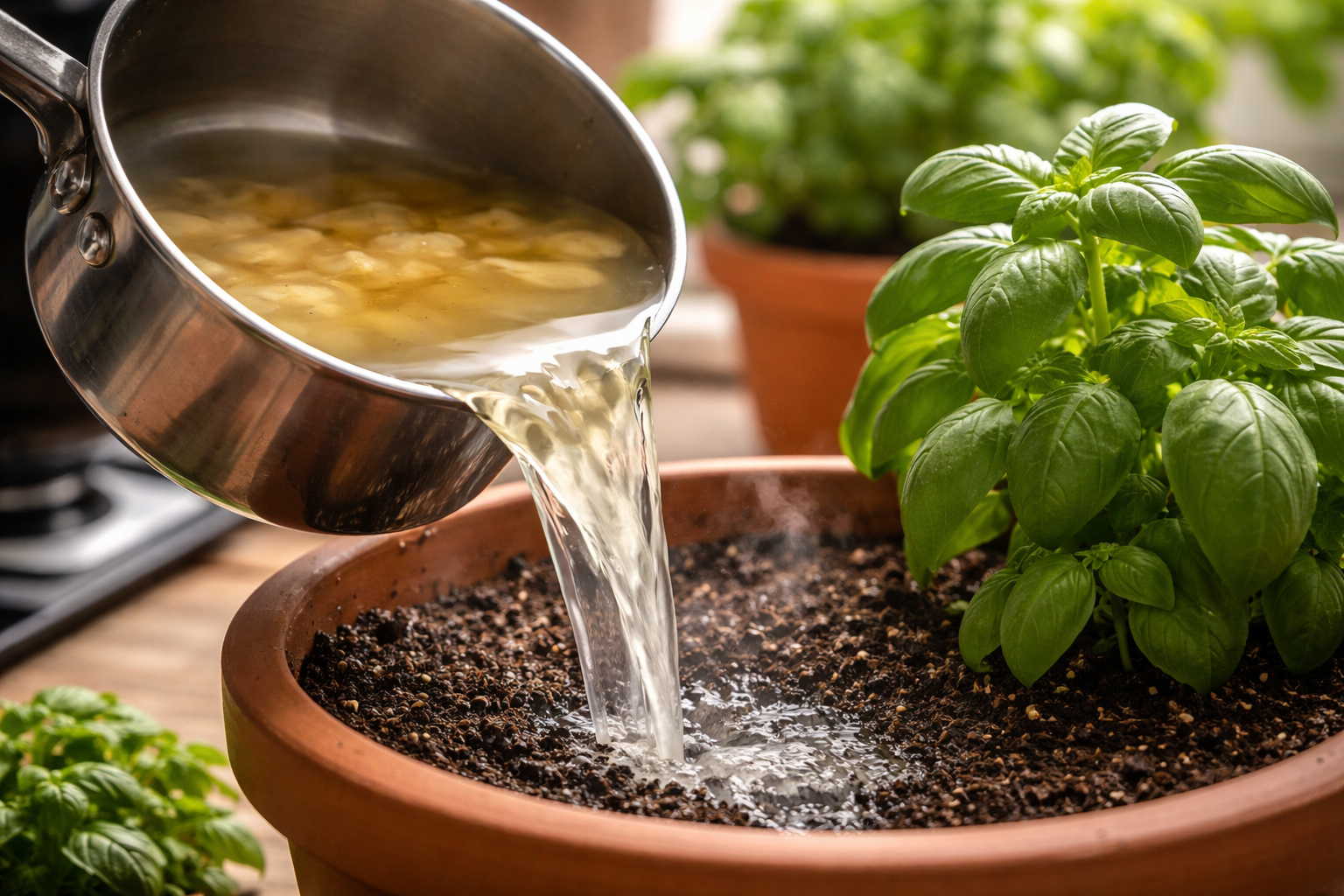
The water that almost everyone throws away after cooking potatoes carries nutrients released during the preparation and can be reused to help in the development of plants when used correctly at the base of gardens and pots, at no additional cost and without changing the routine.
-
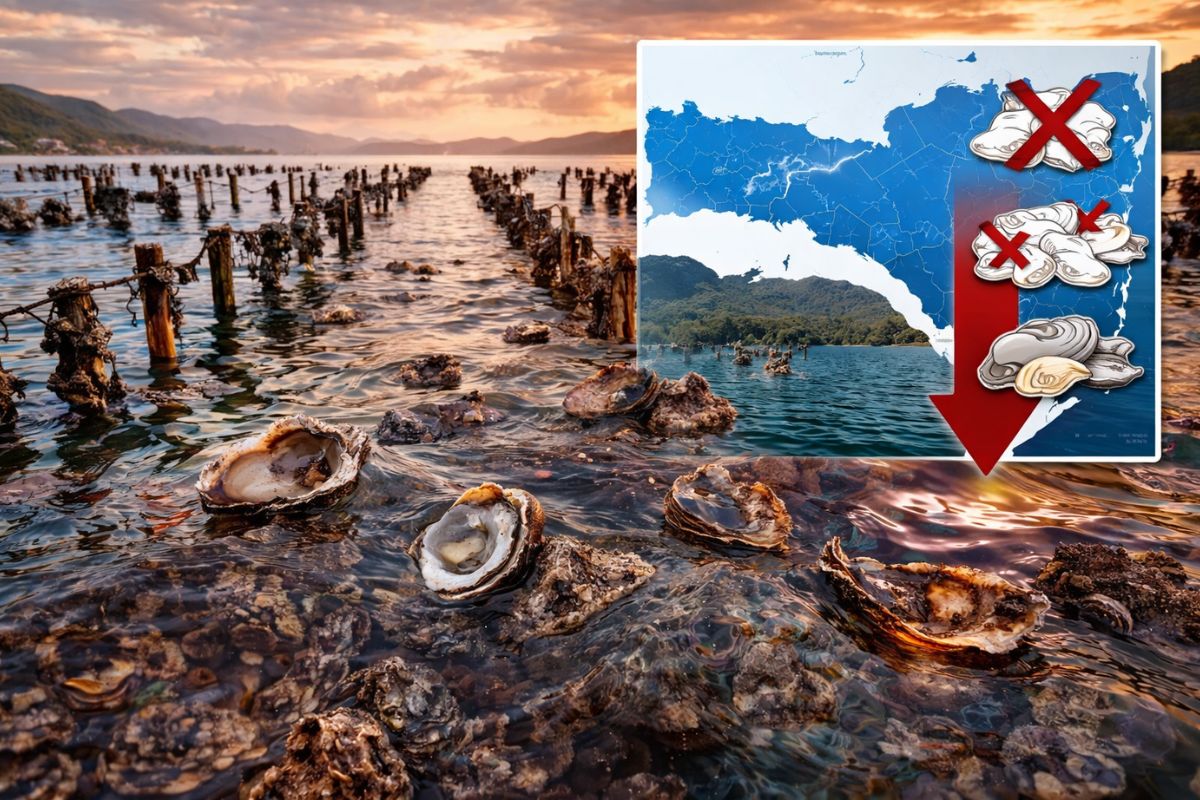
The sea water temperature rose from 28 to 34 degrees in Santa Catarina and killed up to 90% of the oysters: producers who planted over 1 million seeds lost practically everything and say that if it happens again, production is doomed to end.
-
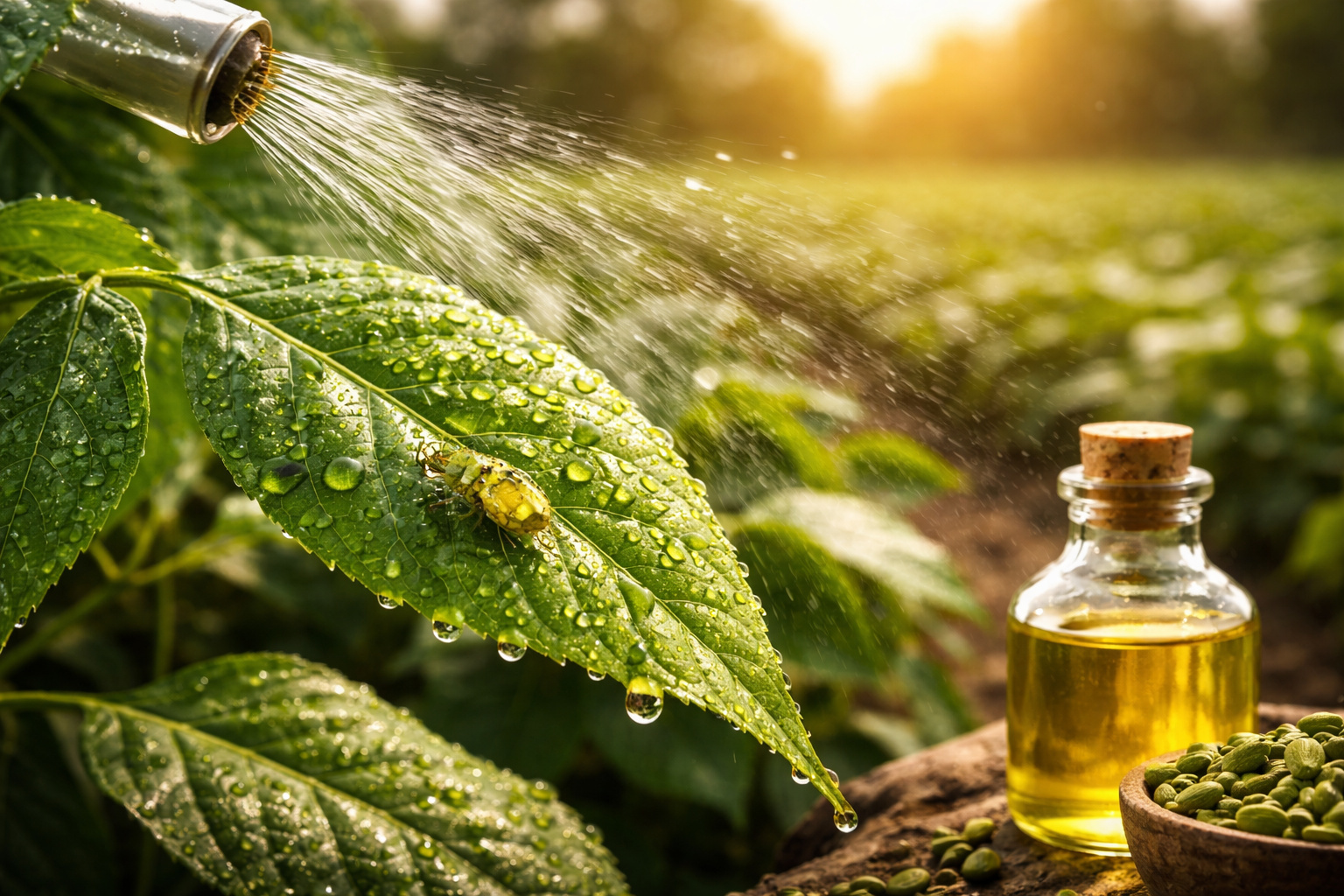
An Indian tree that grows in the Brazilian Northeast produces an oil capable of acting against more than 200 species of pests and interrupting the insect cycle, gaining ground as a natural alternative in soybean, cotton, and vegetable crops.
-
The rise in oil prices in the Middle East is already affecting Brazilian sugar: mills in the Central-South are seeing their margins shrink just as ethanol gains strength.

Submersible cameras monitor each school of fish 24 hours a day, adjusting oxygenation, feeding, and density.
The artificial intelligence installed in these nurseries can predict disease outbreaks, correct management failures, and even estimate the growth of each batch with millimeter precision.

These marine farms not only raise fish—they operate as high-complexity industries floating on the ocean. The country also leads advanced genetic research, developing more resilient salmon strains with better feed conversion and lower antibiotic use.
The result is a high-value product, exported to over 150 countries, positioning the sector as one of the pillars of the national economy.
The Economic Impact of a Protein That Became a National Heritage
The salmon production chain generates more than NOK 122 billion per year (about R$ 60 billion), becoming the second largest export sector in Norway, behind only oil and gas. There are thousands of direct and indirect jobs in support vessels, laboratories, feed factories, industrial processing, and global logistics.
To understand the importance of this sector, it suffices to observe that a single refrigerated freighter leaving Bergen can transport more than 2,000 tons of fresh salmon, supplying markets such as the European Union, Asia, and North America in record time due to extremely synchronized logistical operations.
The Challenges Behind the Hegemony
However, this dominance faces pressures. The expansion of marine farms raises debates about environmental impact, fish welfare, and the need for new solutions to control marine parasites such as sea lice.
The Norwegian government itself has begun to limit expansion in some regions, adopting an environmental traffic light system that restricts or allows growth according to its impact on local ecosystems.
Even so, Norway remains at the forefront, now investing in offshore farms fully exposed in the open sea, where waves can exceed 10 meters—massive structures reminiscent of oil platforms adapted for aquaculture.
Why No Other Country Can Compete With Norway?
The Norwegian model combines factors that are extremely difficult to replicate:
• Cold and Deep Waters
• Naturally Protected Fjords
• State-of-the-Art Marine Technology
• Rigorous Yet Innovation-Friendly Regulation
• Decades of Genetic and Health Research
• Globally Structured Logistics Since the 1980s
From an economic standpoint, it’s as if the country has transformed its geography into a natural factory for sustainable, scalable, and highly profitable protein.
A Supremacy That Shapes the Future of Global Protein
While other countries advance in tilapia, pangasius, shrimp, and carp, salmon remains the “crown jewel” of global aquaculture. And Norway, with its icy fjords and technological mega fish farms, continues to be the epicenter of this billion-dollar market.
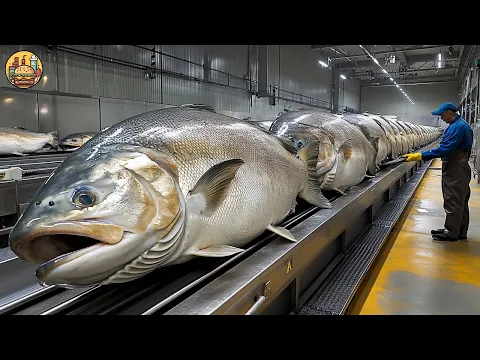
Every year, it’s as if the country puts in the sea a “army” of millions of fish monitored by sensors, drones, and algorithms, a model that unites nature, engineering, and economy on a scale that the whole world observes and attempts to imitate.
If you want to learn more about mega fish farms, intensive aquaculture, genetically selected giant salmons, futuristic offshore systems, or emerging countries in fish production, just follow the site!







Não obstante, o salmão de criadouro passou a ser considerado venenoso. Enquanto não resolverem a questão da cor, atualmente obtida de forma nociva, não sei se isso tem solução.
E o problema ambiental também, que faz das criações de peixe uma não opção (eqto forem predatórias e ecossistemicamente irresponsáveis).
Salmão de criação é, praticamente, um ultraprocessado (obtido através de remédios, aditivos e corantes). Portanto, não faz bem.
O salmão que comemos aqui no Brasil é o legítimo?
Não
O valores 100 mil km de litoral está correto se contar com as ilhas. Sem elas fica em 25 mil.