





 Portuguese
  English
  Spanish
 5 min of reading
  1 comment


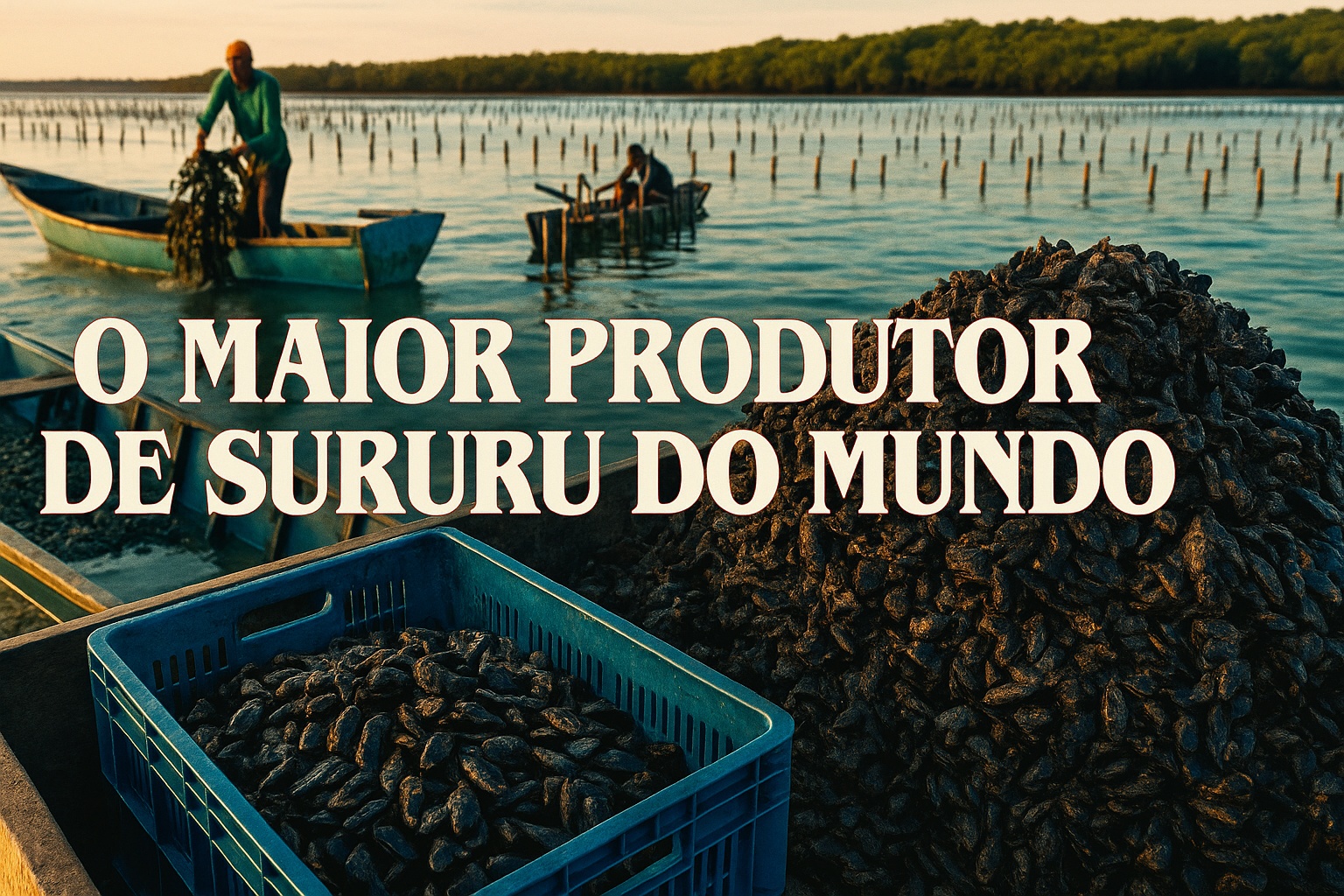


With More Than 15 Thousand Tons Per Year, Alagoas Puts Brazil at the Forefront of Sururu Production and Transforms the Mollusk into a National Protein Powerhouse.
The sururu, for decades associated only with local traditions in the Northeast, now occupies a place that few imagined: that of one of the most important natural proteins in the Brazilian economy. In a scenario seeking sustainable, low-cost alternative food sources with a significant social impact, the mollusk stands out not only for the culture it carries but for the production scale that places Brazil — especially Alagoas at the top of global production.
Extraction exceeds 15 thousand tons per year, a number that far surpasses any other country. There is no other place on the planet with a collection system as regular, organized, and deeply integrated into the daily lives of communities as that which operates in Alagoas. It is this intensity that turns the sururu into a silent powerhouse, responsible for sustaining families, supplying markets, and keeping restaurants that have depended on this protein for decades running.
The Sururu Production Chain Functions Like a Living High-Intensity Gear
While other proteins require industrial tanks, aerators, automatic feeders, and complex logistical chains, the sururu relies on something that Brazil dominates like no other country: the accumulated human knowledge about the mangrove, tides, salinity, temperature, and the natural behavior of the mollusk.
-
Brazil Ignores Trump’s threats to BRICS, Buys 42 tons of gold and reduces the Dollar’s share by 6.45% in international reserves.

-
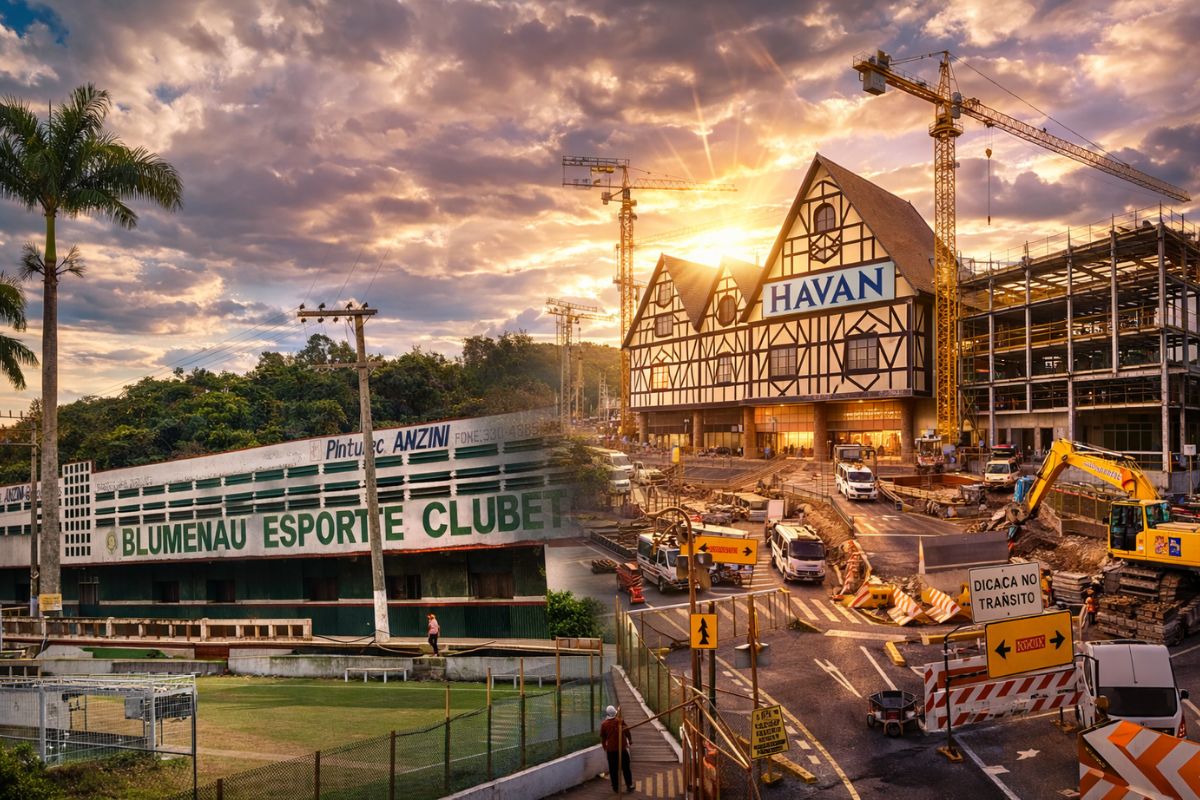
Havan buys historic football land in Blumenau for a million-dollar amount protected by a confidentiality clause and is already planning to change even the layout of streets to build a megastore in half-timbered style costing 80 million reais.
-
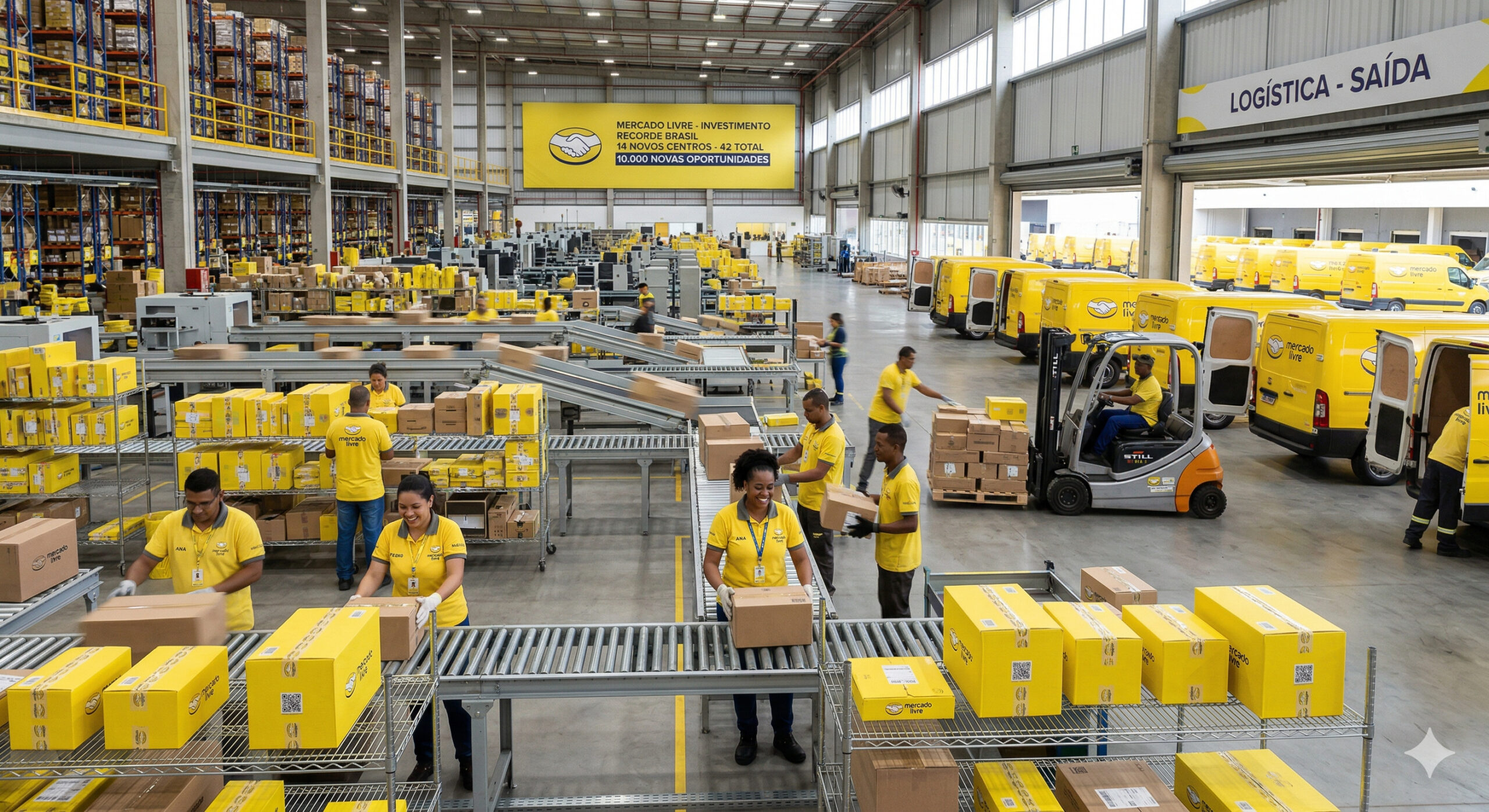
Mercado Livre “opens the vault” and announces a record investment of R$ 57 billion in Brazil in 2026, a value 50% higher than the previous year, with an expansion plan that includes 14 new logistics centers, totaling 42 units in the country and hiring an additional 10,000 employees.
-
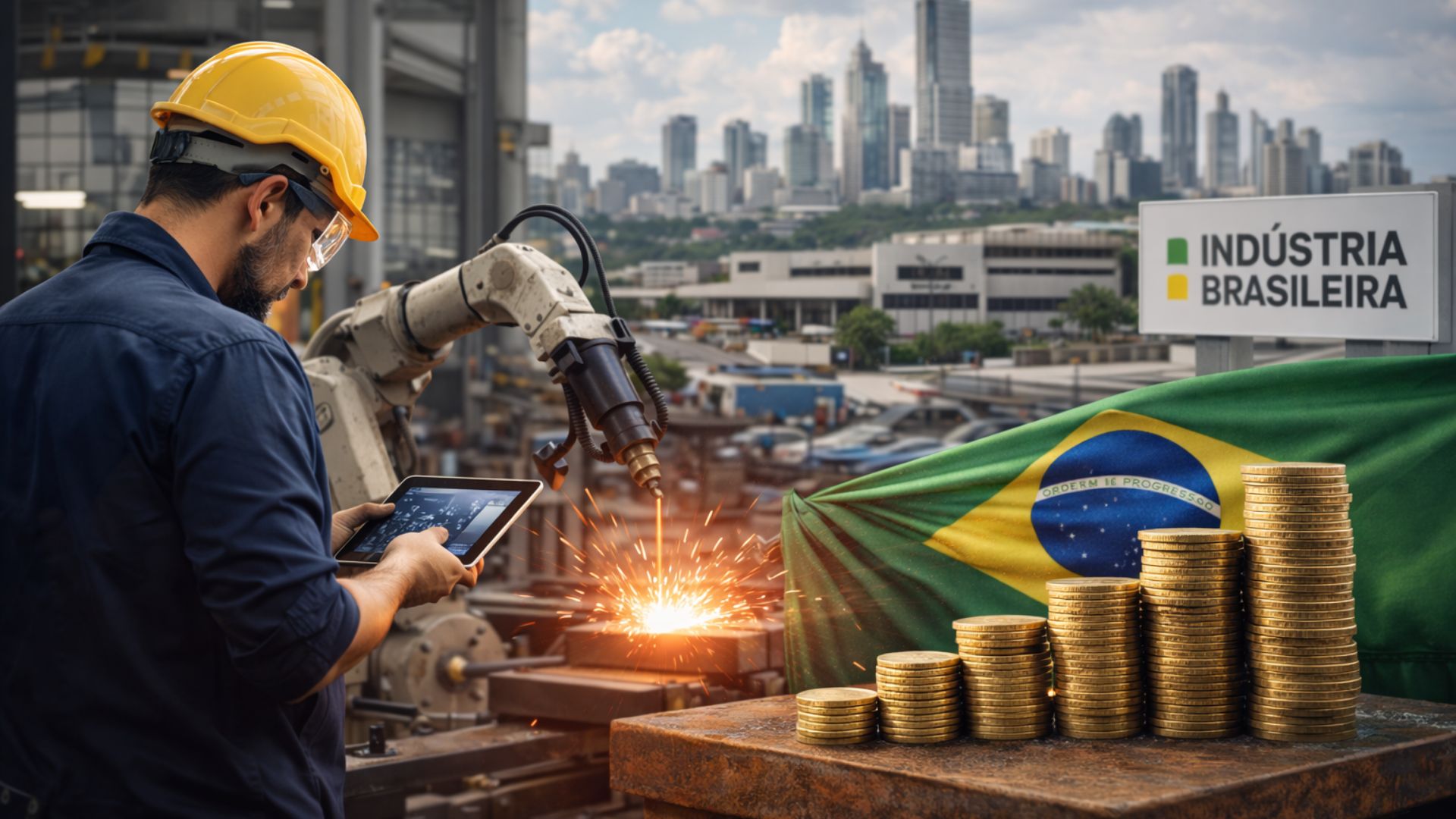
How investment in technology can revolutionize the national economy and enhance industrial gains, according to a study that highlights the direct impact on productivity, innovation, and wealth retention within Brazil.

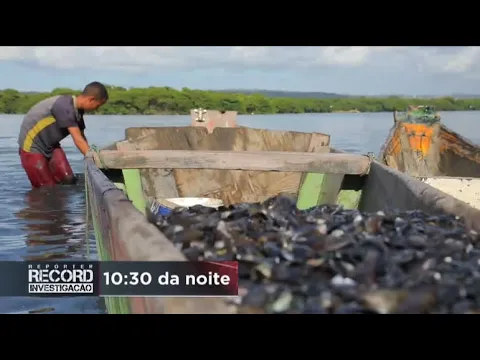
The process begins even before dawn. Wooden boats cut through the darkness, guided by gatherers and fishermen who know every tide variation as if they were reading an invisible map. Productivity depends on this precision. A tide that is too low sinks the boats; a tide that is too high makes collection difficult. The balance is found in the eyes of those who have been repeating the same movements for decades.


When the work begins, the routine resembles the dynamics of an assembly line: a continuous, rapid, synchronized rhythm. The gatherers position themselves, plunge their hands into the sediment, and retrieve the sururu in calculated movements.
They know exactly which areas are “loaded,” which are in a renewal phase, and which need environmental rest. This empirical knowledge, passed down through generations — is one of the reasons that make the Brazilian model unique.
Collection becomes collective work. The shells accumulate in boxes, which are then transported to processing houses, where another stage of the gear kicks in. Women, youth, and the elderly take on the processing: washing, boiling, separating, cleaning, discarding excess, preparing the meat, and organizing the lots.
Nothing is improvised; there is rhythm, speed, and technique. The sound of shells clashing against pots and the constant steam form the soundtrack of an industry without machines, yet with the precision of a professional operation.
Why Brazil Dominates the World in Sururu Production
There are three factors that explain Brazil’s leadership:
Natural Production Scale — The environment favors constant growth: brackish waters, nutrient-rich ecosystem, and continuous renewal of natural banks.
Technical Tradition — The skills of the gatherers function as a live environmental management system, choosing productive areas while preserving those that need rest.
Strong Culinary Culture — Local demand is stable, solid, and historically valued, keeping the economy active year-round.
Moreover, the sururu is a very low-cost protein for consumers and has a high nutritional return, which makes it an important alternative in a country facing food inequality.
No other country simultaneously brings together these three factors. There are similar mollusks elsewhere, but no location has developed a real production chain, continuous and with comparable volume. Therefore, the title of largest world producer is not symbolic — it is technical and undeniable.
Sururu as a Strategic Protein and Food Security Resource
The growth of sururu occurs at a time when Brazil seeks to diversify its food matrix. The mollusk embodies characteristics that make it highly strategic:
- Low Production Cost
- High Protein Content
- High Concentration of Minerals
- Fast Renewal Cycle
- Low Environmental Footprint
- Strong Demand in Local Gastronomy
- Ability to Generate Direct and Indirect Jobs
- Strong Social Impact on Riparian Communities
While proteins like fish, poultry, and shellfish rely on large industrial structures, the sururu supports a model that is environmentally efficient by nature.
As a filter feeder, the mollusk helps improve water quality, reduces turbidity, and participates in the ecological balance of estuaries. The extraction itself, when done with proper management, favors the renewal of the banks.
In other words: Brazil leads the world precisely because the sururu chain is sustainably fruitful, socially relevant, and technically efficient.
Alagoas Transforms Sururu into Economy, Culture, and Identity
Nothing that the sururu represents today can be explained without Alagoas. The state has taken this mollusk from a traditional food to a structured economic asset, capable of creating jobs, generating income, supplying markets, and sustaining entire sectors of gastronomy.
The sururu has moved from local markets to connect with new opportunities, reaching renowned restaurants, food chains, and tourism ventures that use the mollusk as a regional symbol. Production involves fishermen, gatherers, merchants, cooks, distributors, and artisanal micro-industries. It is a social ecosystem that feeds thousands of families and keeps the state in a position of national and international prominence.
The cultural force is also unmatched. The sururu is present in cuisine, in popular festivals, in family traditions, and in the visual identity of the state. Few foods in Brazil carry so much economic and symbolic significance at the same time.
The Future of Sururu Points to Expansion, Appreciation, and National Recognition
The trend is growth. Demand is rising, new establishments are expanding the use of the mollusk, and discussions about designation of origin are starting to emerge. Recognition as cultural heritage strengthens public policies and encourages sustainable management practices.
Brazil, which already dominates the world in production, is now preparing to transform the sururu into a higher added-value product while maintaining the artisanal essence that sustains the chain.







Até o Mestre Martinho da Vila, se rendeu ao sururu alagoano e o homenageou atrás de um samba famoso “vai ter sururu, vai ter sururu, o maré fica na beira da Lagoa de Mundaú”!