





 Portuguese
  English
  Spanish
  4 min of reading
  1 comment


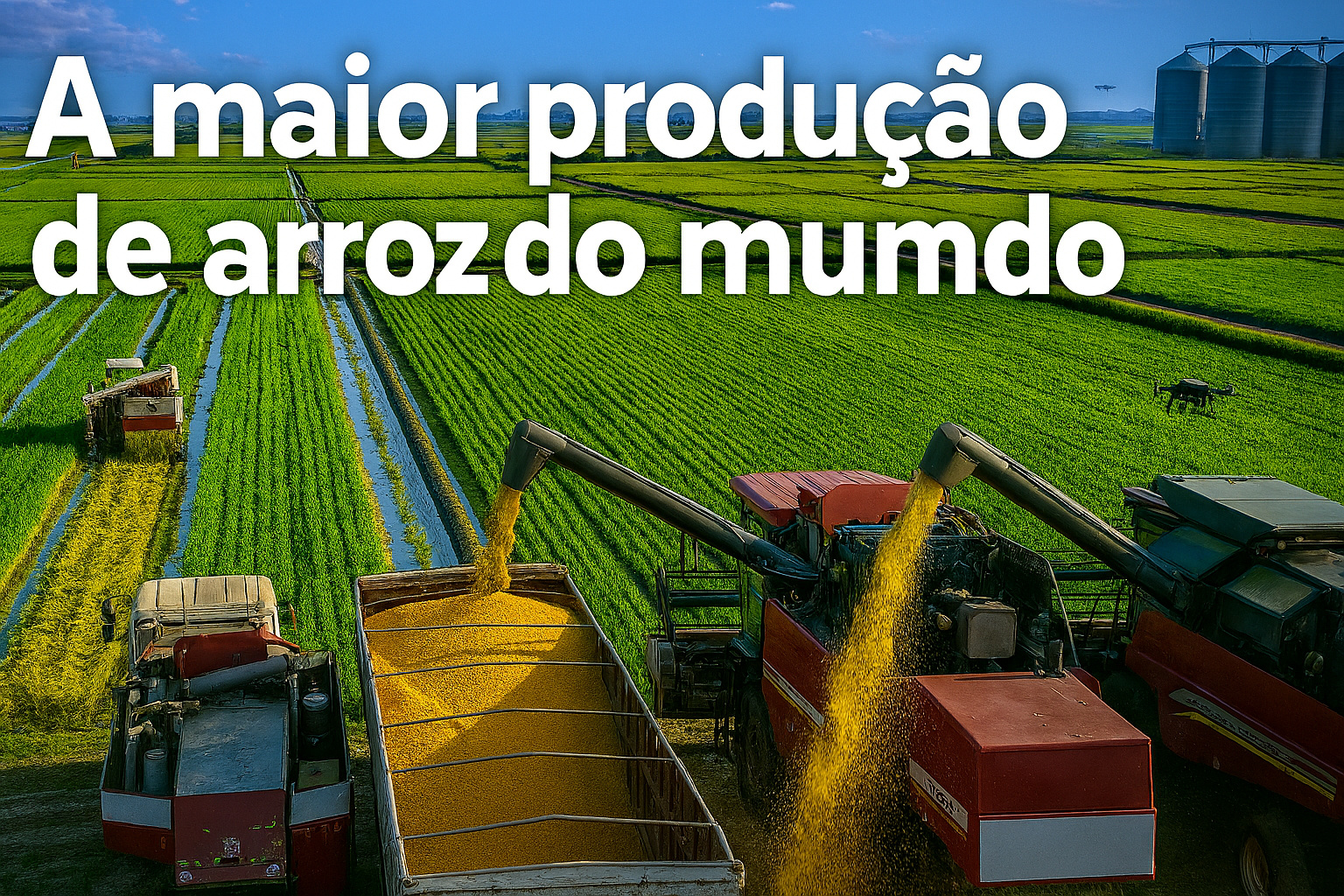


China Produces Over 212 Million Tons of Rice Per Year and Leads the Global Market with Mega Rice Belts, High Technology, and Global Impact.
Rice production in China is a phenomenon that defies any conventional scale. In a single year, the Asian country harvests over 212 million tons, comfortably surpassing giants like India, Bangladesh, Indonesia, and Vietnam. The impact is so great that China alone accounts for about 28% of all rice produced on the planet, sustaining one of the largest agricultural chains in modern history and ensuring daily food for over 1 billion inhabitants.
Behind these gigantic numbers lies a highly technical agricultural system, controlled centimeter by centimeter, driven by millennia-old hydraulic engineering enhanced with cutting-edge technology. Rice is not just a food in China. It is the cultural, economic, and social foundation that shapes cities, villages, trade routes, and even national policies.
The Strength of China’s Mega Rice Belts: Where Are the 212 Million Tons
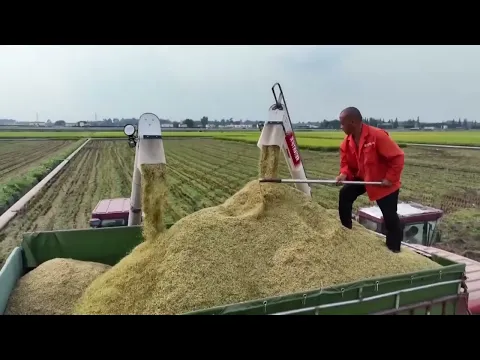

The agricultural geography of China allows the existence of three mega rice belts, responsible for the colossal volume that supplies the country and influences global markets:
-
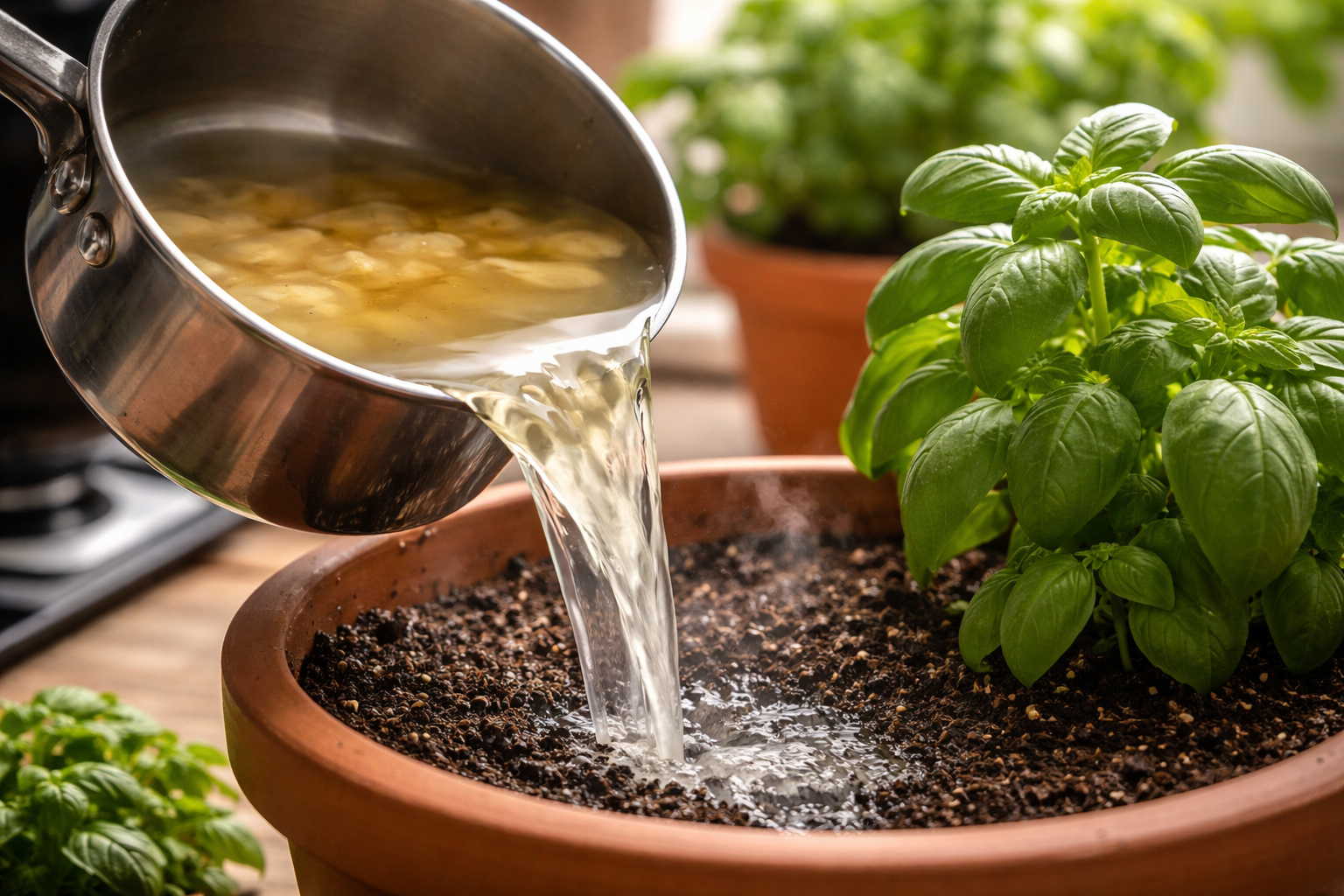
The water that almost everyone throws away after cooking potatoes carries nutrients released during the preparation and can be reused to help in the development of plants when used correctly at the base of gardens and pots, at no additional cost and without changing the routine.
-
The sea water temperature rose from 28 to 34 degrees in Santa Catarina and killed up to 90% of the oysters: producers who planted over 1 million seeds lost practically everything and say that if it happens again, production is doomed to end.

-
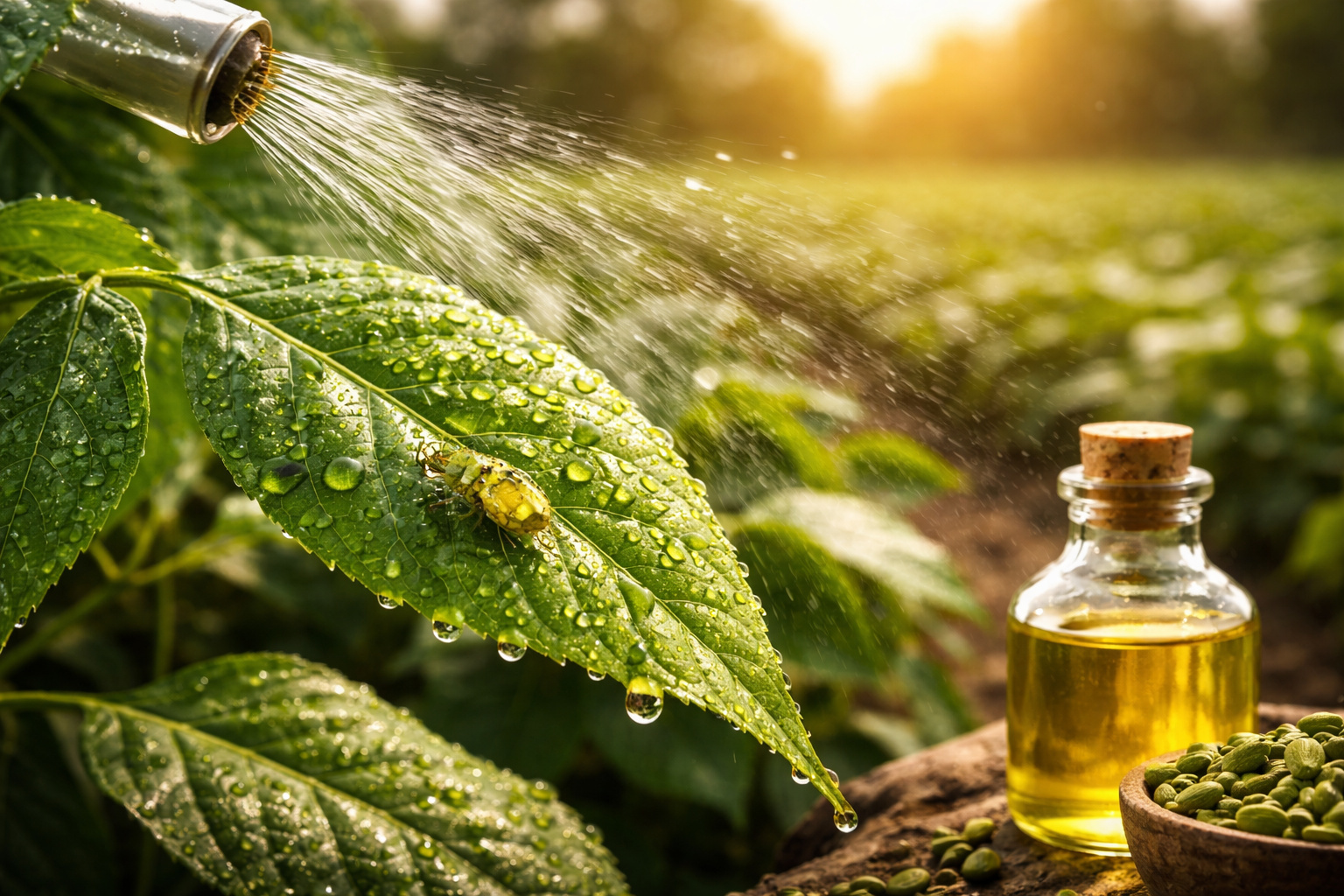
An Indian tree that grows in the Brazilian Northeast produces an oil capable of acting against more than 200 species of pests and interrupting the insect cycle, gaining ground as a natural alternative in soybean, cotton, and vegetable crops.
-
The rise in oil prices in the Middle East is already affecting Brazilian sugar: mills in the Central-South are seeing their margins shrink just as ethanol gains strength.

Southern and Southeastern Region (Hunan, Jiangxi, Guangdong, Guangxi):
It is the heart of Chinese rice. Only the province of Hunan produces more rice than many entire countries in Asia. The warm, humid climate allows for two and even three harvests per year, something unimaginable in almost the entire West.
Yangtze Valley (Hubei, Anhui, Zhejiang):
The region of Asia’s largest river concentrates rice fields irrigated by centuries-old dams and gigantic canals, some operating for over a thousand years, but now integrated into digital water control systems.
Northeast (Heilongjiang):
On the opposite end lies the world’s largest cold-climate rice hub, famous for producing “premium rice from China,” valued for its long grain and delicate aroma.
Each of these zones has technological autonomy, but all connect in a rigidly controlled national chain to ensure stock, supply, and price stability for a gigantic population.
Precision Agricultural Engineering: How China Manages to Produce So Much
China’s dominance in rice is not a matter of chance. It is the result of an industrialized agricultural model that combines:
Highly Complex Irrigation
Rice depends on water, and China masters this engineering like few others. Dams, sluices, and millennia-old canals have been modernized with volume sensors, drones, AI, and weather prediction.
Accelerated Harvest Calendar
In several regions, the cycle is so efficient that the country harvests up to three crops per year, multiplying yields without expanding territory.
High-Yield Hybrid Seeds
Thanks to the legacy of agronomist Yuan Longping — responsible for creating “super high-yield hybrid rice” — China has increased yields by up to 30% per hectare in some areas.
Heavy Mechanization in the Field
Automated tractors, GPS-connected harvesters, and agricultural robots are already in experimental fields. The country is a global leader in spraying and irrigating drones.
Digital Agriculture with AI
National systems coordinate yield forecasts, detect pests, control stocks, and calculate how much rice needs to be planted to ensure food security.
The result is an average national yield of over 7 tons per hectare, one of the highest among major producers in the world.
Rice as a Strategic Pillar: Giant Economic and Social Impact
The production of rice drives an economy that includes:
• over 170 million tons of industrial processing;
• millions of farmers and small producers;
• strategic exports to African and Asian markets;
• strong integration with food security policies;
• thousands of industries that transform rice into flour, beverages, feed, and industrial byproducts.
Rice is so strategic that the Chinese government maintains a specific national reserve, with enough stocks for months of internal supply in case of climatic or geopolitical emergencies.
Moreover, entire provinces depend on rice to sustain jobs, family income, and economic stability. In rural areas, rice defines not only work but also the rhythm of life, festivals, and traditions.
The Future Challenge: How to Sustain Production Above 200 Million Tons Per Year?
Even with colossal numbers, China faces challenges:
• scarcity of arable land near urban areas;
• climate change altering rainfall patterns;
• need for modernization of old irrigation systems;
• reduction of labor in the field.
To overcome these obstacles, the country invests in:
• salt-resistant rice, capable of growing in previously unproductive soil;
• experimental vertical farming;
• expansion of smart rice fields, monitored by satellite;
• autonomous robots for planting and harvesting.
It is a move to maintain global dominance and avoid any risk of internal supply shortages — something deemed strategic by the central government.
A Global Power Feeding Over 1 Billion People
Rice is, above all, a matter of national sovereignty for China. The country cannot rely on foreign sources to feed its population, and therefore operates one of the most intense, precise, and gigantic agriculture systems in the world.
By producing over 212 million tons per year, China:
• guarantees food security for more than 1 billion people;
• defines international prices;
• influences export markets;
• maintains a strong domestic agricultural policy;
• reinforces its role as the largest global agro-food power.
It is a dominance built over centuries and perfected with cutting-edge technology — an example of how tradition, science, and strategy can shape the future of an entire country.









Gostaria de ler numa próxima reportagem a respeito das maiores produtividades de arroz no mundo, em especial o recordista mundial reconhecido pelo Guiness Book (que é catarinense).
Aliás, em se falando em altas produtividades do arroz na China, a produtividade média do arroz em Santa Catarina é maior do que as 7 ton/há dos chineses.