





 Portuguese
  English
  Spanish
  4 min of reading
  22 comments


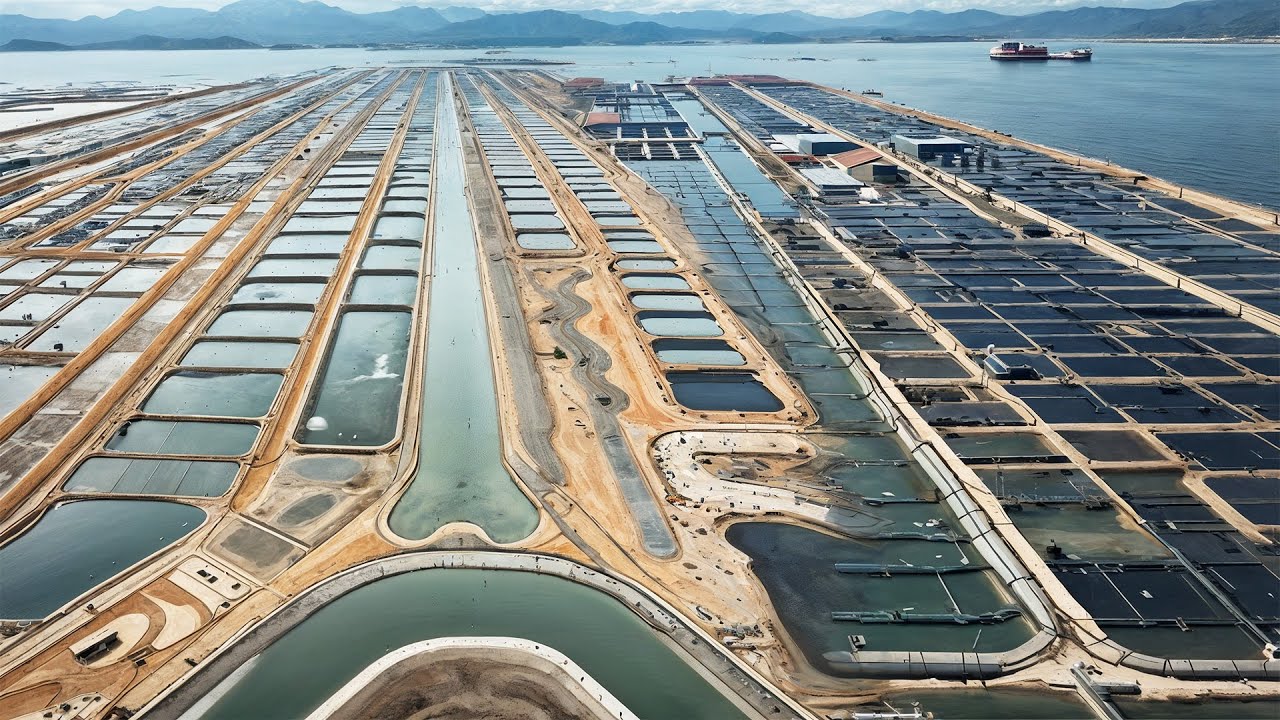


China Dominates 51% Of Global Aquaculture And Produces 66 Million Tons Of Fish Per Year In Megafarms That Surpass Entire Continents.
For a long time, the world believed that fishing would be the only path to supply growing populations. But in the last two decades, a silent, industrial, and immense transformation has completely changed the origin of global aquatic protein. The driving force behind this shift was not just a country with ancient traditions, but a true logistical and productive giant: China.
According to the official report The State Of World Fisheries And Aquaculture 2024 by FAO (UN), China has reached the impressive mark of 66.1 million tons of farmed fish per year, accounting for no less than 51.4% of all global aquaculture. In other words, half of all the fish farmed on the planet comes from a single country. The scale is so monumental that no other producer, whether Brazil, India, Vietnam, Chile, or the United States, comes even close.
This leadership, however, was not born from momentary hegemony: it was strategically built on infrastructure, science, culture, and an industrial operation that makes any other seem artisanal. China doesn’t operate farms. It operates entire productive ecosystems.
-
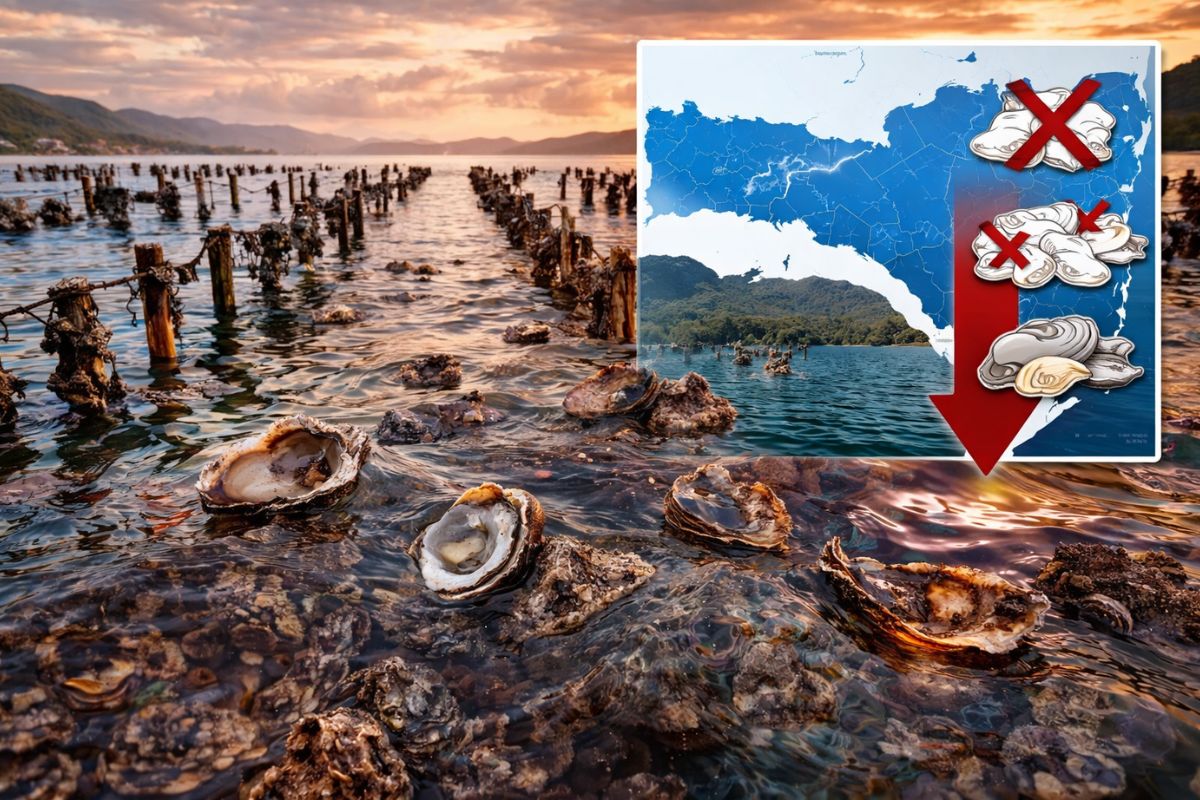
The sea water temperature rose from 28 to 34 degrees in Santa Catarina and killed up to 90% of the oysters: producers who planted over 1 million seeds lost practically everything and say that if it happens again, production is doomed to end.
-
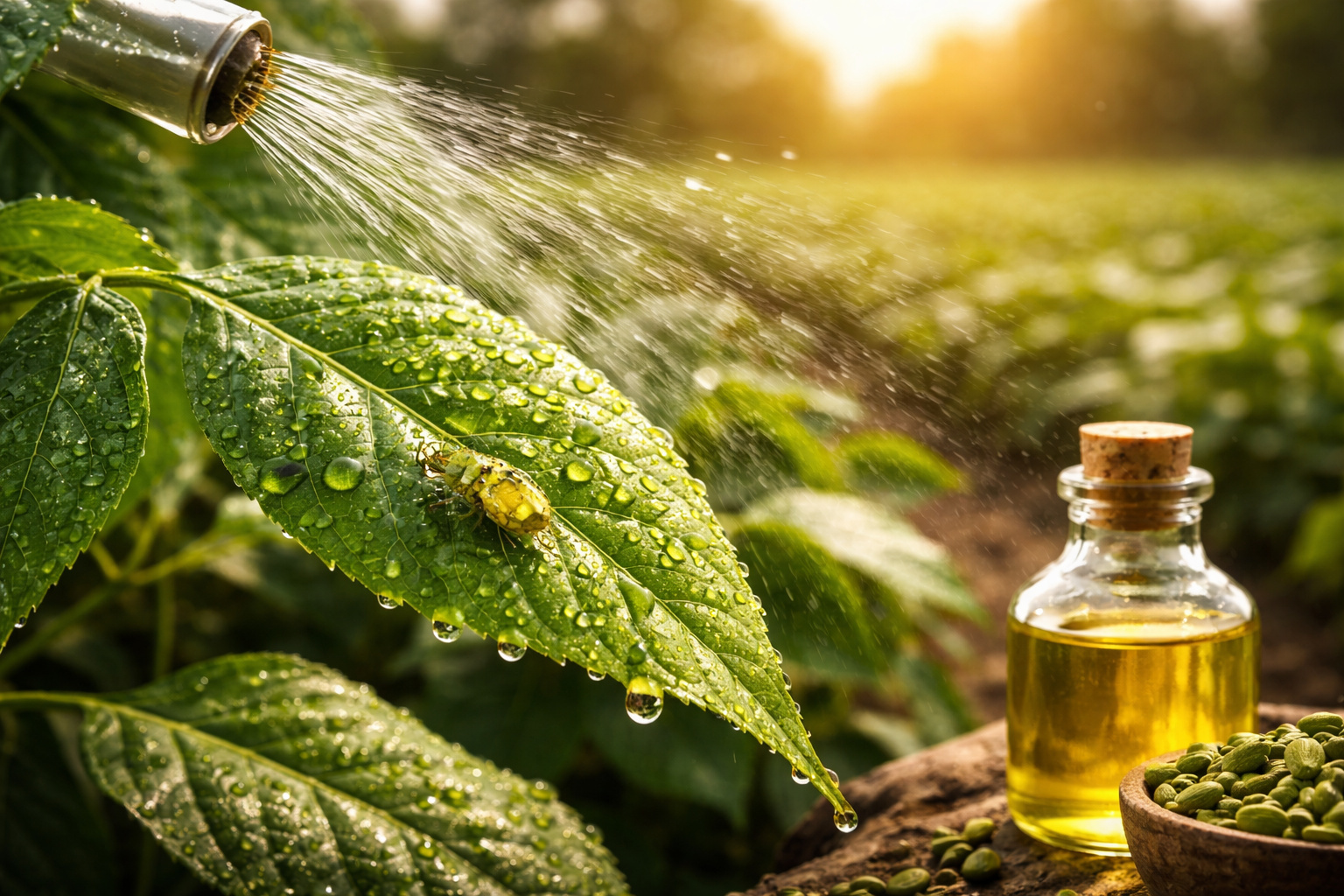
An Indian tree that grows in the Brazilian Northeast produces an oil capable of acting against more than 200 species of pests and interrupting the insect cycle, gaining ground as a natural alternative in soybean, cotton, and vegetable crops.
-
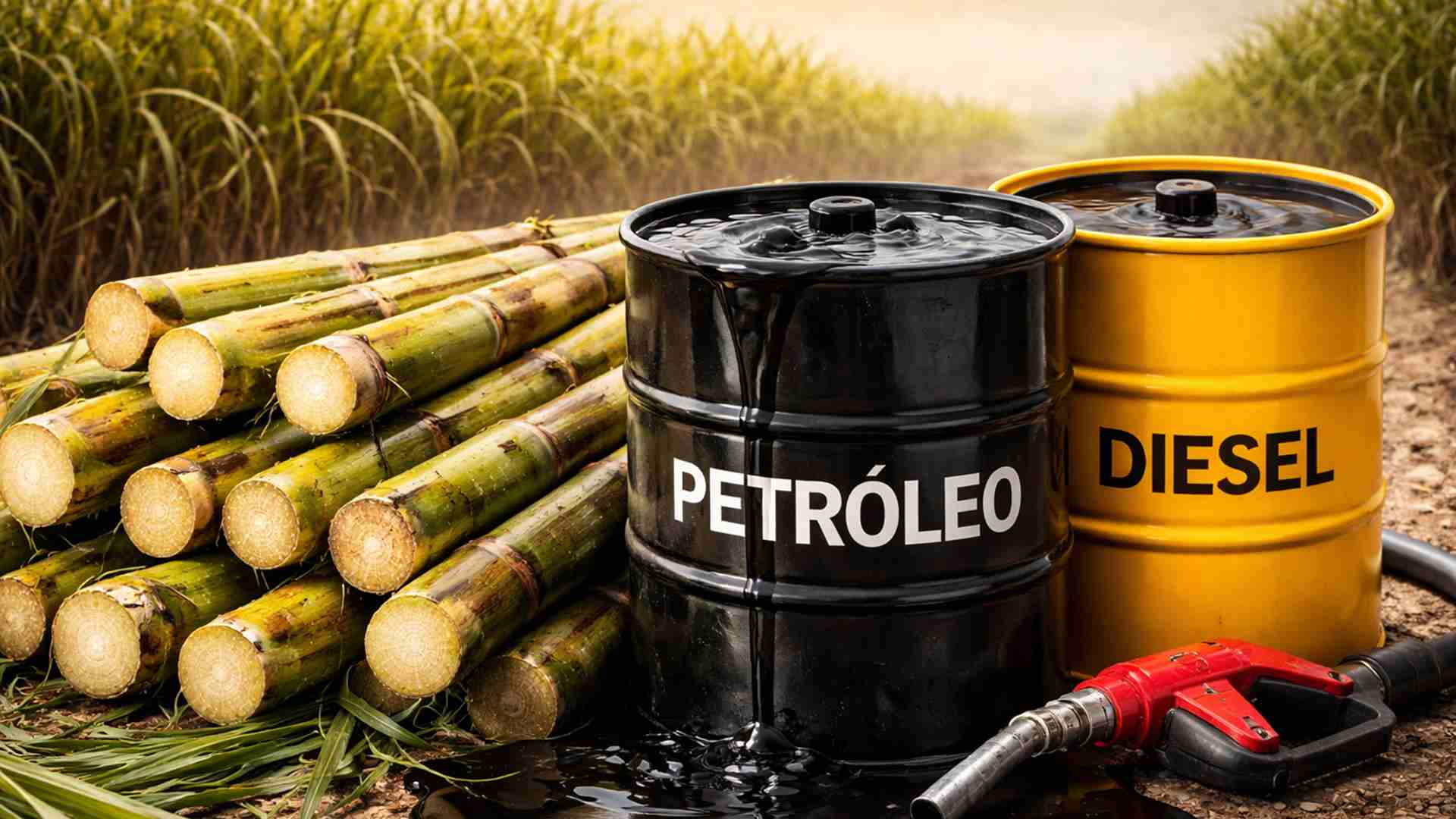
The rise in oil prices in the Middle East is already affecting Brazilian sugar: mills in the Central-South are seeing their margins shrink just as ethanol gains strength.
-
Rain gains strength in April, potentially exceeding 150 mm, placing the North, Northeast, and the coasts of the South and Southeast at the center of the heaviest forecast of the week.


Where 66 Million Tons Per Year Come From: Megafarms That Look Like Protein Cities
To understand the magnitude of this leadership, one must visualize the real scenario: thousands of hectares connected by artificial channels, excavated tanks stretching for miles, complete water recirculation structures, and aquaculture parks so large they resemble industrial complexes viewed from above.
In regions like Guangdong, Hubei, Jiangsu, Guangxi, and Sichuan, aquaculture has replaced rural landscapes with a continuous mosaic of tanks.
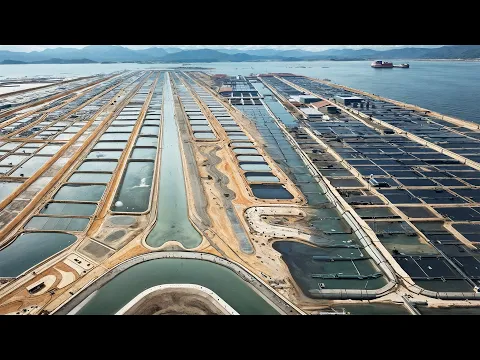

These are areas where there is no pause. Cultivation operates in synchronized cycles, with teams working day and night, feeding, monitoring, and renewing batches of fish without interruption. The water is continuously treated and recirculated.
Oxygenation is automated. pH, ammonia, nitrate, and temperature sensors send real-time alerts. Mechanical systems pull constant aeration for tanks that hold thousands of tons of live fish.
It is aquatic life converted into industry — organized, replicable, and gigantic.
And this is how the country leads species like common carp, silver carp, grass carp, tilapia, pangasius, freshwater shrimp, macroalgae, and mollusks, many of which have volumes so large that they exceed the annual production of entire continents.
Why No Other Country Reaches This Scale?
The answer lies not only in labor but in the perfect combination of geography, public incentives, cultural tradition, and applied technology as state policy.
Infrastructure Designed To Produce Protein

China has entire regions dedicated to intensive farming. These are productive corridors that connect rural areas, processing centers, slaughterhouses, feed factories, and specialized ports. In some hubs, the same road that brings the feed truck also takes back the truck of frozen fillets ready for export. The cycle is closed, efficient, and designed for scale.
Millennia-Old Tradition Transformed Into Modern Biotechnology
While the West has been producing tilapia for only a few decades, the Chinese have been cultivating carp for thousands of years. Today, this cultural heritage blends with laboratories that develop more resistant strains, improve feed conversion, and reduce mortality.
The result is not just productivity, but predictability — something that no other country can replicate with such precision.
State And Industry Walking Together
FAO points out that part of China’s growth is supported by direct incentives:
– funding for modernization,
– technical support,
– genetic research,
– investment in RAS (recirculating systems in urban environments),
– subsidies for innovation.
It is the model of “industrialization with population scale”.
A Logistical Network That No Competitor Possesses
China combines railways, waterways, refrigerated ports, and a massive fleet of trucks with cold storage. This allows tons of fish raised in inland regions to arrive fresh at coastal areas for export.
The Direct Impact On The Global Fish Market
This capacity allows the country to influence global prices. When China increases its tilapia production, the international market reacts.
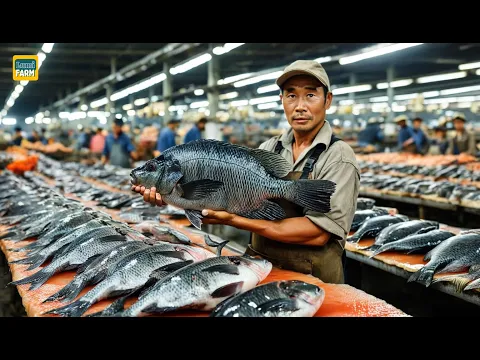
When it reduces pangasius exports, European slaughterhouses adjust their chains. It’s a power that goes far beyond protein: it’s geoeconomic influence.
For objective comparison:
- China – 66.1 Million Tons
- India – 14 Million
- Indonesia – ~5 Million
- Vietnam – ~5 Million
- Brazil – 887 Thousand Tons (MAPA 2023)
None of them even surpass 25% of Chinese production.
And The Future Indicates That Leadership Will Grow Even More
FAO describes China as “the gravitational center of global aquaculture” and this condition is likely to deepen. The country is already investing in ocean megafarms, deep-sea marine parks, high-density urban RAS, and expansion of noble species cultivation.
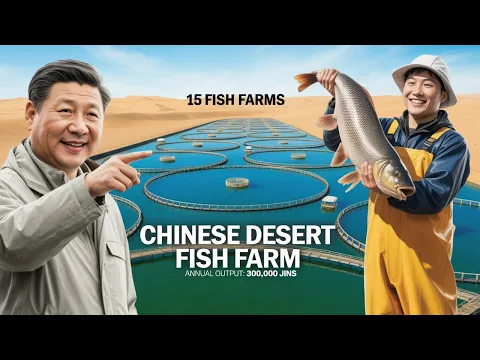
These technologies could push Chinese production to the mark of 70 million tons before 2030, a number that seems like science fiction when compared to the reality of any other country.
What Does This Reveal About The Future Of Protein On The Planet?
The answer is simple: if global food production needs to grow, it is almost certain that China will continue to be the structural axis of aquatic protein.
Global demand is increasing, but only the highly integrated, automated, and gigantic model of Chinese aquaculture can respond to this leap with speed and volume.
The question that remains is: will any country ever achieve this scale, or are we looking at an absolute and irreversible dominance?







A China será o rolo compressor do milênio.
A China será o rolo compressor do milênio.
Francisco vc está certo, esses órgão foram criados pra faturar nao pra resolver se fosse esses mananciais nao teriam as famosas favelas financiadas por partidos. Um atraso para o pais e bolsos cheios pra políticos que nao estão nem ai com o pais.