





 Portuguese
  English
  Spanish
  4 min of reading
  10 comments


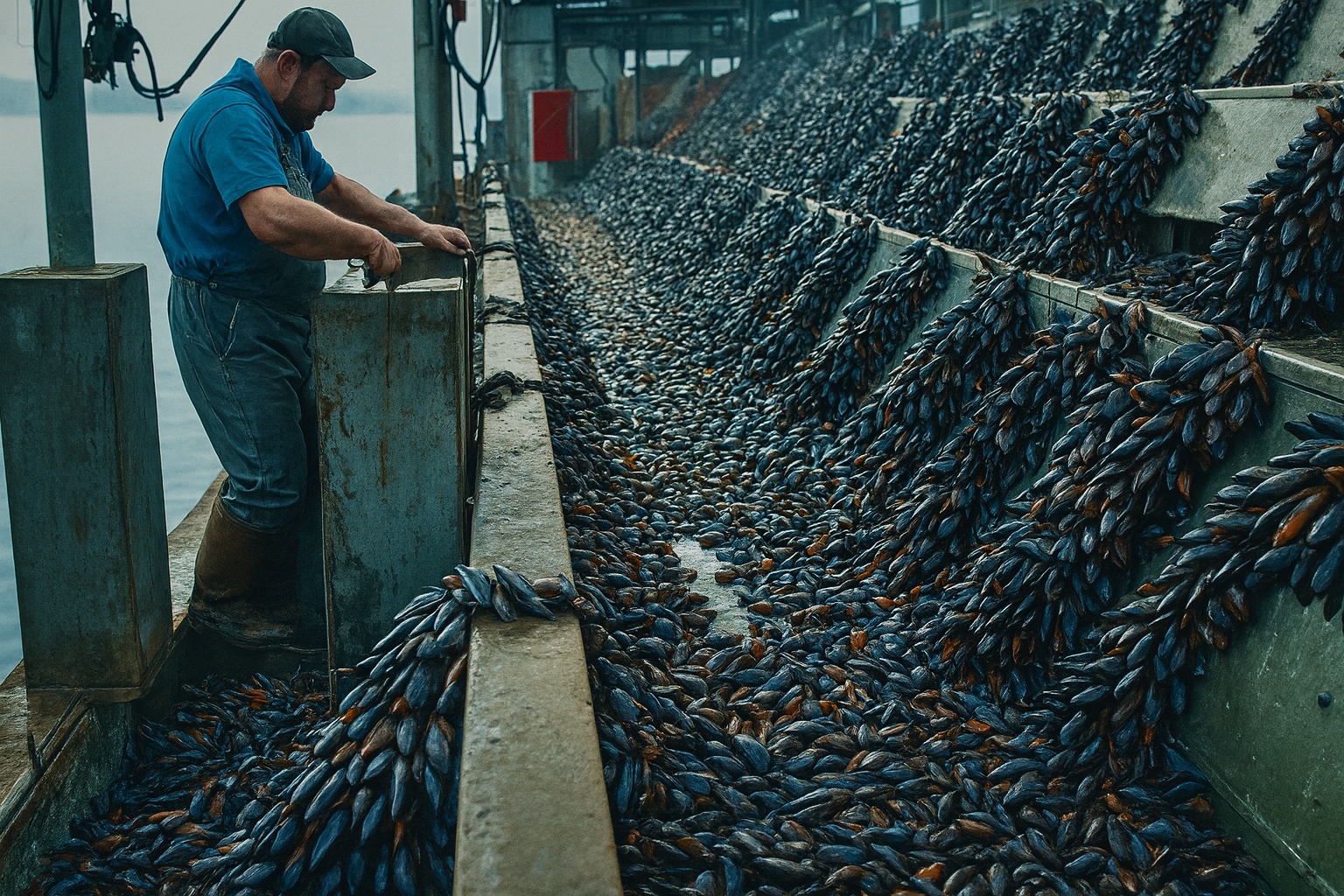


China Produces Over 800 Thousand Tons of Mussels Per Year and Leads 60% of Global Aquaculture with Industrial-Scale Marine Mega-Farms.
In 2024, the latest data from FAO (Food and Agriculture Organization of the United Nations) confirmed what fishing and mariculture experts had already observed for decades: China operates the largest and most advanced shellfish cultivation system in the world, comfortably leading global mussel production. It amounts to over 800 thousand tons per year, a volume that easily surpasses the total annual production of Europe and Latin America combined.
This dominance is not circumstantial but the result of an expansion model that began in the 1980s, when the Chinese government started funding the modernization of marine aquaculture, promoting cooperatives, and providing credit for cultivation platforms. Today, China’s east coast hosts the largest concentration of floating structures for mariculture on the planet, transforming entire areas of the sea into true oceanic factories of protein. What impresses experts is the scale: the country alone produces over 60% of all mussels consumed in the world, according to data consolidated in the report The State of World Fisheries and Aquaculture 2024. It’s a magnitude that no other country approaches—Chile and Spain, which hold prominent positions in Europe and South America, produce between 200 and 250 thousand tons, less than a third of the Chinese volume.
China, however, does not only dominate in quantity: it also excels in technological intensity. Suspended nurseries, long submerged lines, fattening platforms, and automated ocean monitoring systems have transformed cultivation into a continuous industrial operation, where thousands of workers operate daily in management, processing, and transportation logistics.
-
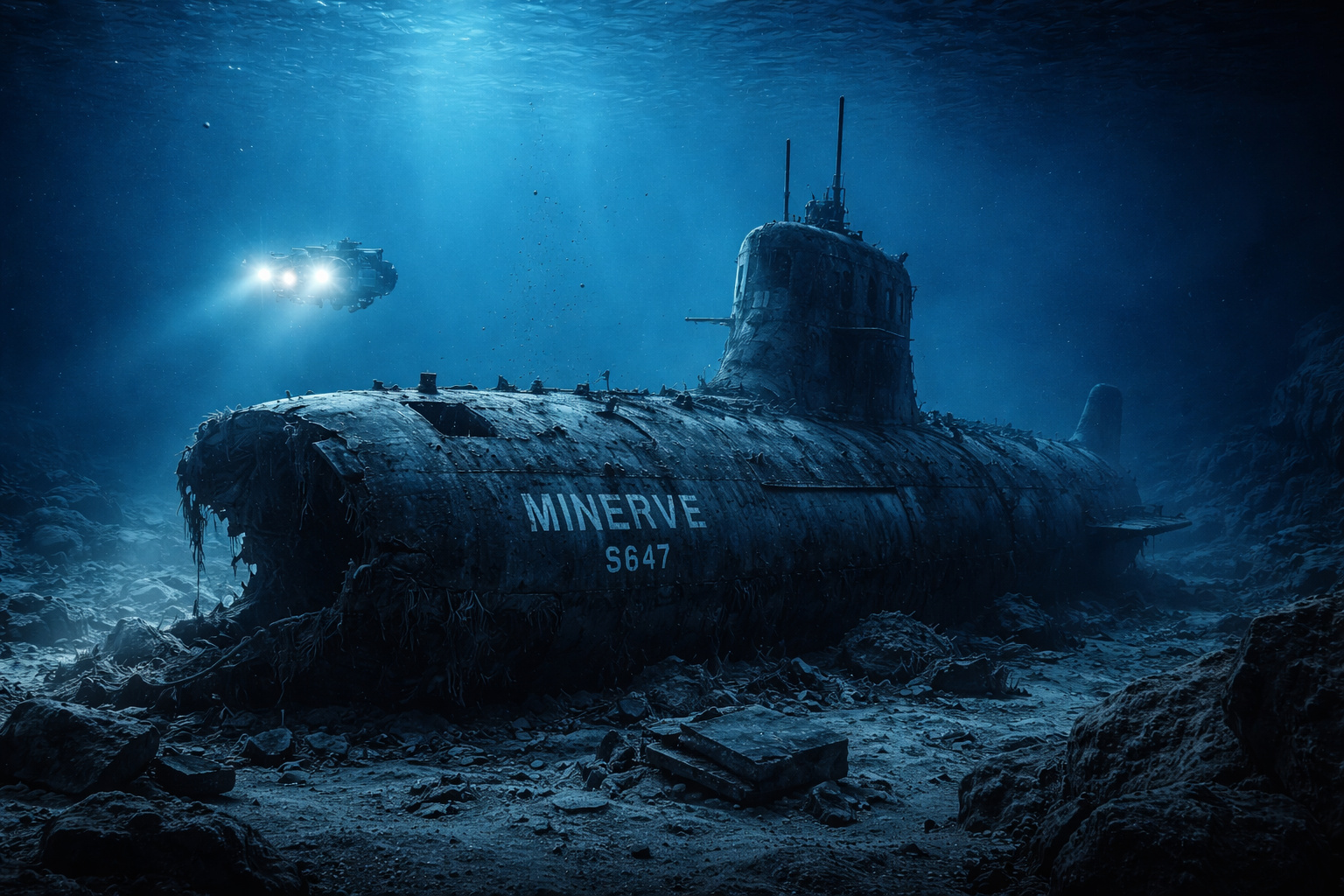
Few remember, but the submarine that disappeared in 1968 with 52 crew members was found after 51 years at the bottom of the sea at more than 2,000 meters, intriguing the entire world.
-
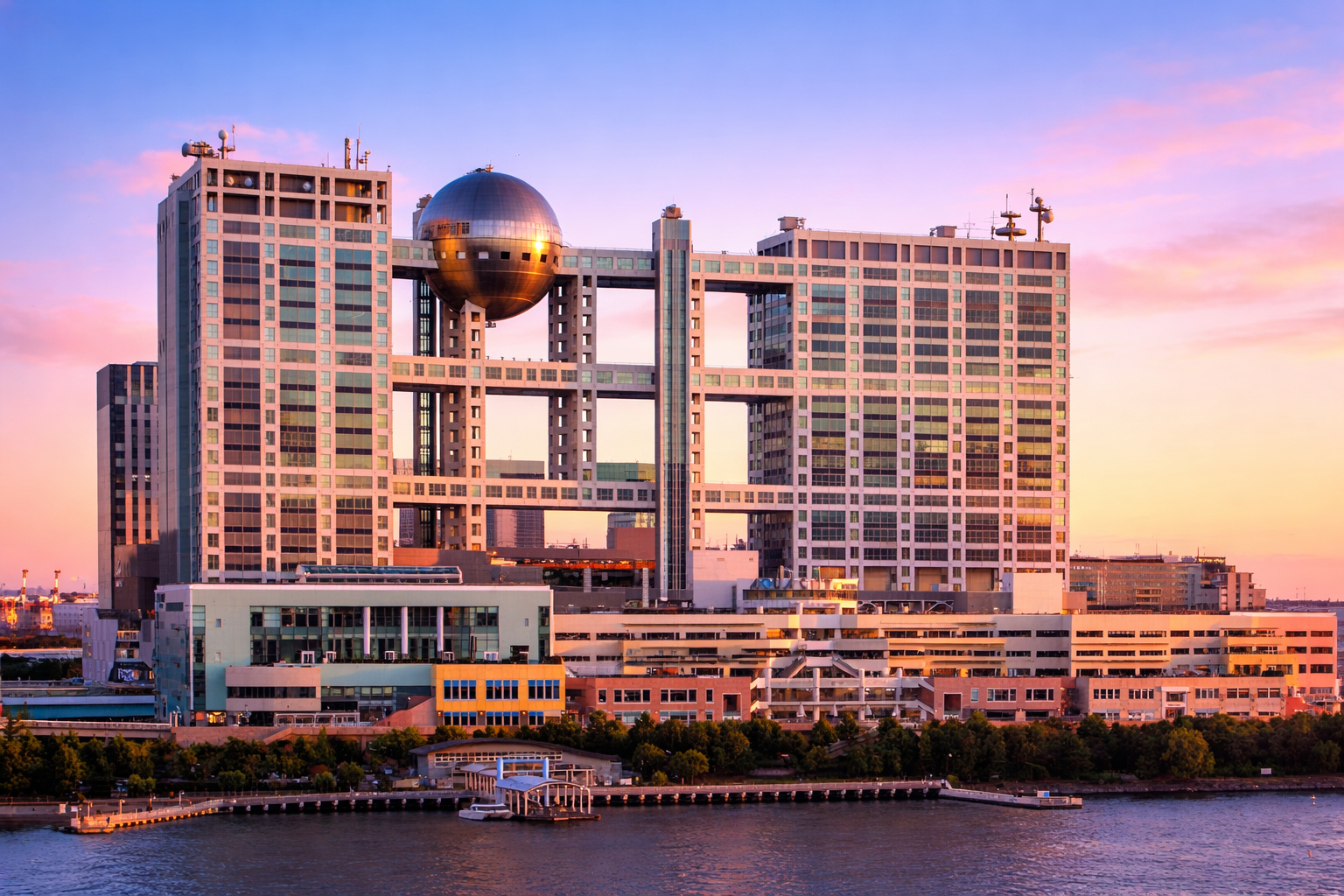
With 1,200 tons suspended, the Japan mega-structure in a grid shape with a floating sphere from Fuji TV features two 25-story towers connected by elevated walkways, titanium panels, and impresses the world with its ability to reduce wind impact.
-
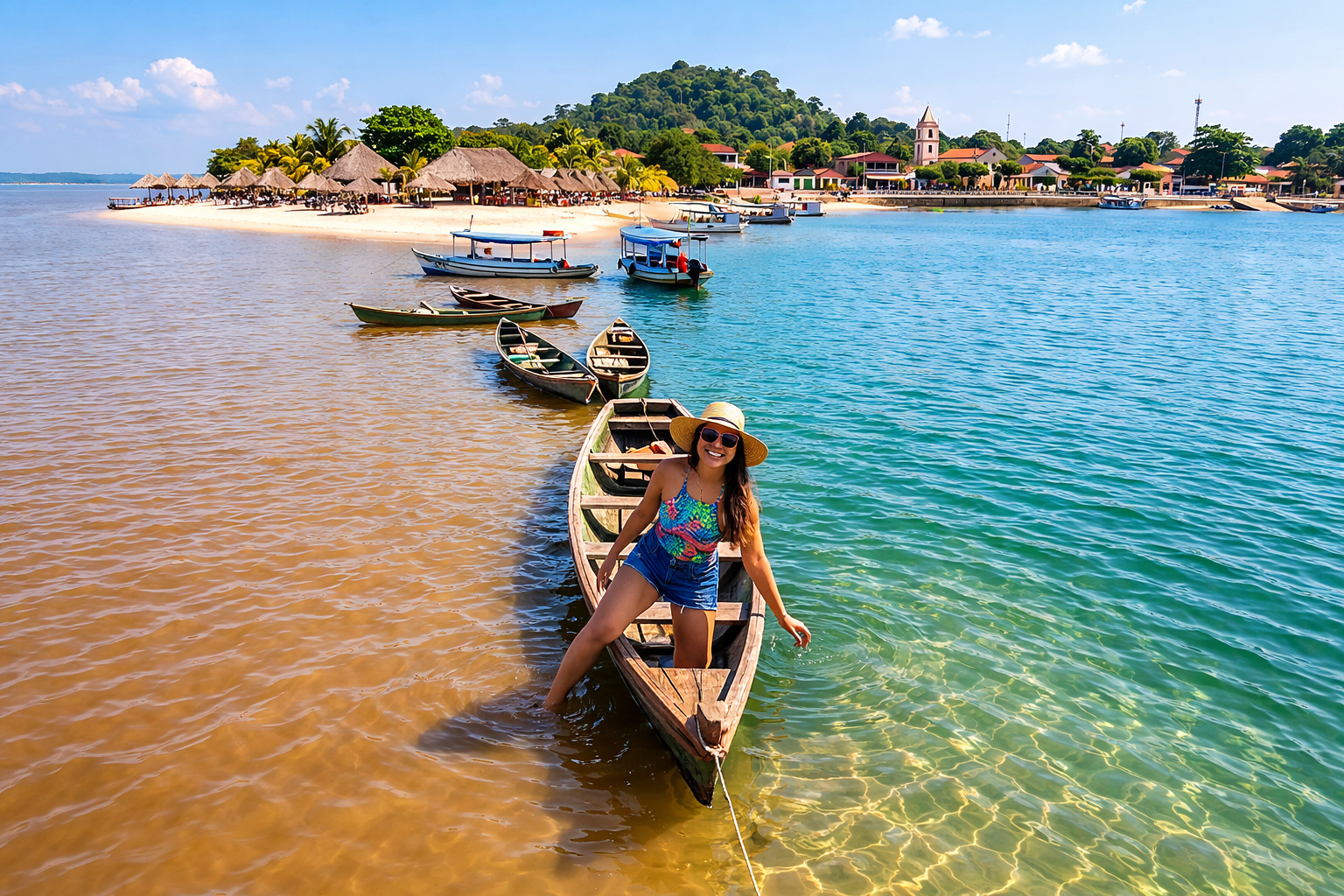
The village where two rivers run side by side without mixing in Santarém and Alter do Chão reveals some of the most beautiful freshwater beaches on the planet.
-
Brazil’s nuclear submarine with a speed 5 times greater than normal advances after nearly 50 years and R$ 40 billion spent.

How Marine Mega-Farms Supplying the Global Market Operate
The Chinese marine mega-farms are a logistical and technological spectacle. In regions such as Shandong, Liaoning, and Fujian, entire kilometers of coastline are occupied by lines of buoys and support structures marking the locations where mussels grow attached to submerged ropes. These areas have become dense cultivation corridors, with productivity multiplied by management techniques that reduce loss, accelerate growth, and allow for staggered harvests throughout the year.
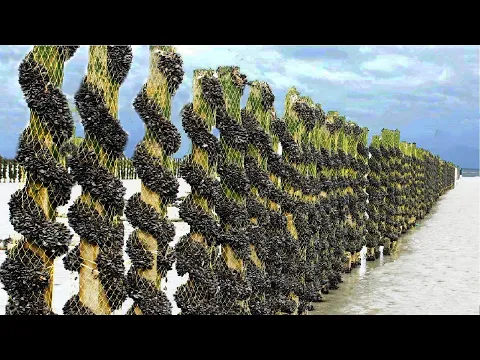

The most commonly used system is long-lines, cables hundreds of meters long anchored to the seabed and supported by buoys, where fattening ropes are attached. These lines can accommodate tens of thousands of mussels per segment, allowing for extremely high density without compromising water quality or the natural filtering cycle of the mollusk.
Furthermore, a growing share of cultivation uses ocean sensors that provide data on temperature, salinity, dissolved oxygen, and marine currents. This information helps producers decide the ideal timing for management, harvesting, and even repositioning structures, avoiding losses due to sudden environmental changes. This level of monitoring reinforces what experts call mariculture 4.0, where the ocean is controlled in real-time like a digitized farm.
The processing is equally impressive. At factories near cultivation areas, tons of mussels arrive daily in refrigerated trucks or medium-sized boats. The product undergoes washing, purification, inspection, cooking—when destined for the international market—and packaging. Everything is done on industrial lines with strict sanitary standards, as a significant portion of the production is exported to the European Union, Russia, Africa, and the Middle East.
The Economic Impact of the Largest Mussel Industry in the World
The shellfish sector in China is so large that it has become a fundamental part of the coastal economy. The producing regions generate billion dollars per year, considering the entire chain that involves:
- cultivation platforms,
- marine labor,
- handling boats,
- industrial processing,
- internal transportation,
- export,
- and distribution networks that supply international restaurants and supermarkets.
The mussel market alone represents a substantial share of the Chinese fishing economy, with annual exports exceeding hundreds of millions of dollars, according to trade data consolidated in 2023.
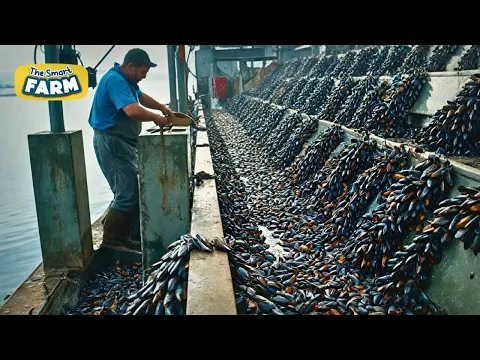
But the social impact is even deeper. It is estimated that millions of workers depend directly or indirectly on marine mega-farms, from fishermen operating small boats to technicians monitoring water quality and specialized logistics teams.
For many coastal villages, mariculture is not just a job: it is the main driver of local development.
Experts say that the Chinese model combines three pillars that explain its global supremacy:
- enormous industrial scale,
- accessible and replicable technology,
- continuous production year-round.
This allows for uninterrupted supply to distant markets at highly competitive prices.
Challenges, Innovations, and the Future of Mussel Production in the Country
Despite its global leadership, China faces significant challenges such as coastal pollution, climate variability, and environmental pressures on some intensive cultivation areas.

To respond, the country has invested in new modalities of offshore mariculture, moving structures to deeper waters, away from the coast, and with more intense ocean circulation.
There is also a growing movement for environmental certification for exports, especially to Europe and Australia, which has promoted practices such as:
- wider spacing between ropes,
- marine debris cleaning programs,
- stricter sanitary control,
- complete traceability from cultivation to the consumer.
Experts believe that in the coming years, China will continue to expand its production capacity, consolidating not only as the absolute leader in mussels but also as the biggest mariculture hub on the planet, dominating mollusks, farmed fish, and various species of high commercial value.
For international researchers, the Chinese model represents a profound transformation in how the world produces marine protein and should serve as a reference for countries looking to expand their aquaculture with scale and efficiency.






Sem fiscalização qualquer um produz o que bem entender. Quero **** vermelha bem longe daqui. Essa tal china só apoia o que não presta no mundo. Que o digam os ditadores iranianos e outros.
A China tem que viver a produzir em tempo integral caso ao contrário a população não sobrevive, caso os EUA, Brasil suspenda as exportações a população praticamente será dizimada.
Interessante, porém acredito que o impacto é muito mais regional, uma vez que proporcionalmente o Brasil está a frente no tocante a agricultura, pecuária, pesca e etc. Somos o celeiro do mundo, com tecnologias absurdamente avançadas. Alimentamos 10% da população mundial, e sinceramente “eu nunca comi mexilhão”.