





 Portuguese
  English
  Spanish
  6 min of reading
  0 comments


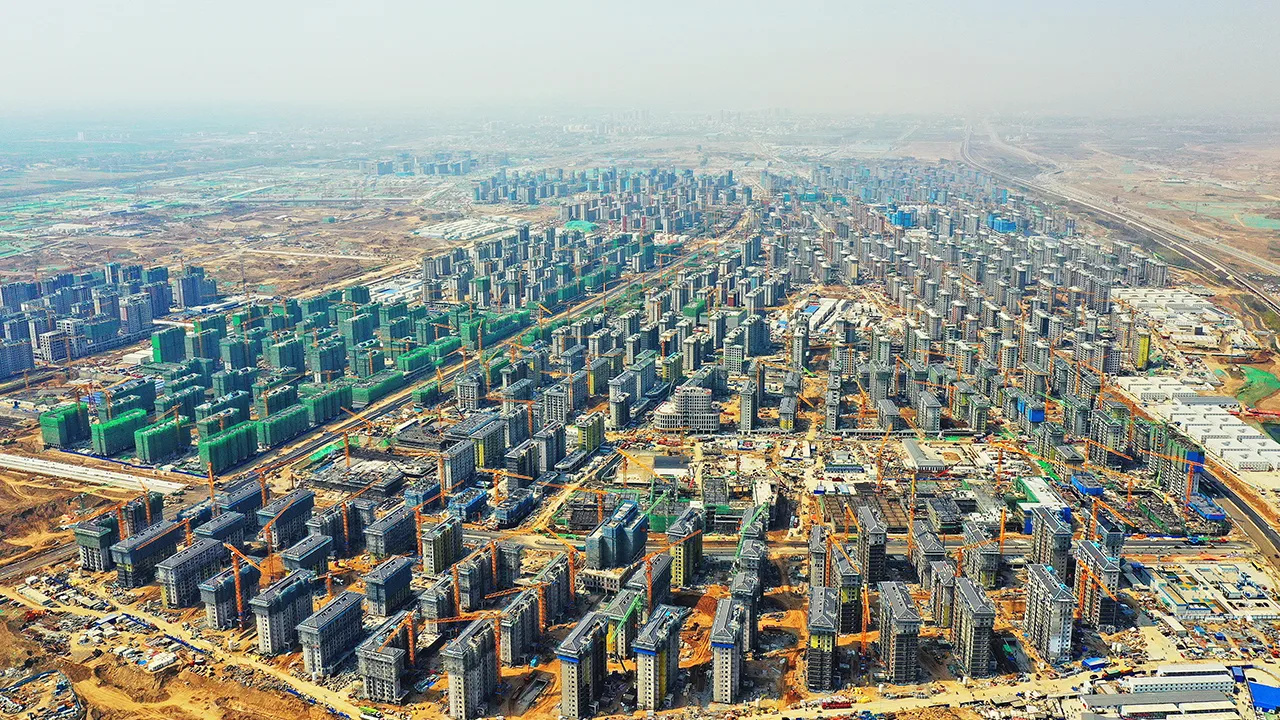
With Over US$ 115 Billion Invested, Xiong’an Was Launched by China as a City of the Future, but Faces Empty Buildings, Slowdown, and Uncertain Economic Return.
The Xiong’an New Area was officially announced on April 1, 2017, by the State Council of the People’s Republic of China, as a national strategic project located in the Hebei Province, about 100 kilometers south of Beijing, encompassing the municipalities of Xiongxian, Rongcheng, and Anxin. The initiative was personally presented by President Xi Jinping as one of the most important decisions of his government, aimed at creating a model city capable of alleviating urban, administrative, and environmental pressure on the Chinese capital. Since then, the project has started to receive direct investments from the Chinese state, public banks, and state infrastructure companies, accumulating figures exceeding US$ 100 billion by the mid-2020s, according to data released by Chinese government agencies, reports from Reuters, and analyses from the Brookings Institution.
From the beginning, Xiong’an was conceived not as a common city, but as a long-term political, economic, and urban experiment. Unlike special economic zones aimed at the market, such as Shenzhen in the 1980s, Xiong’an was born with strong state control, centralized planning, and an unusual emphasis on underground infrastructure, smart cities, and administrative redistribution.
The project aimed to transfer universities, research centers, state-owned enterprises, hospitals, and even government departments currently concentrated in Beijing to the new area, reducing congestion, pollution, and the social cost of the megacity.
-
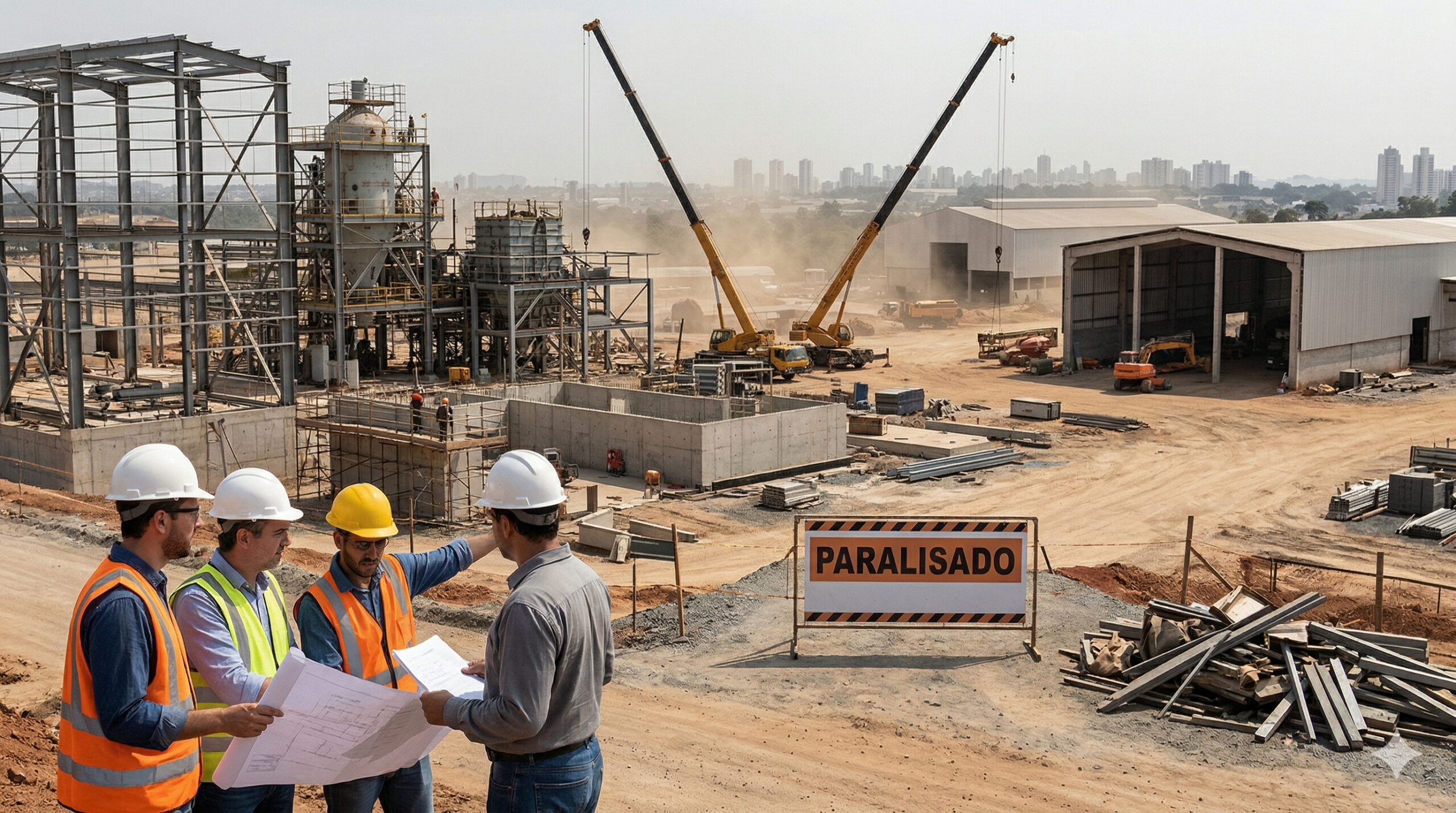
The lack of welders, electricians, and operators becomes a structural threat in 2025, with the construction industry and manufacturing already suffering from delays, cost pressures, and labor shortages in Brazil.
-
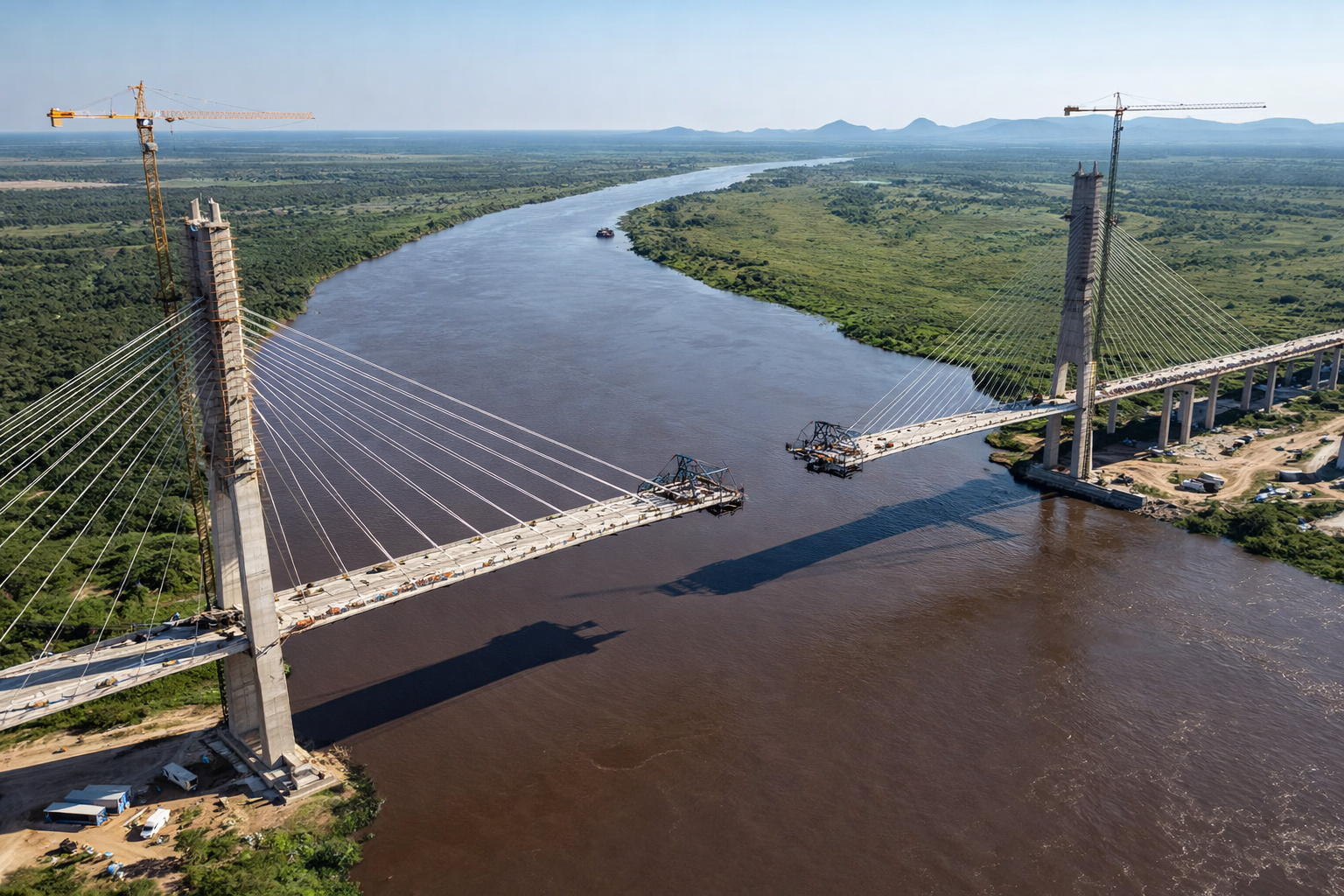
Brazil and Paraguay are just 46 meters away from a historic union on the bioceanic bridge that promises to revolutionize trade between the Atlantic and the Pacific.
-
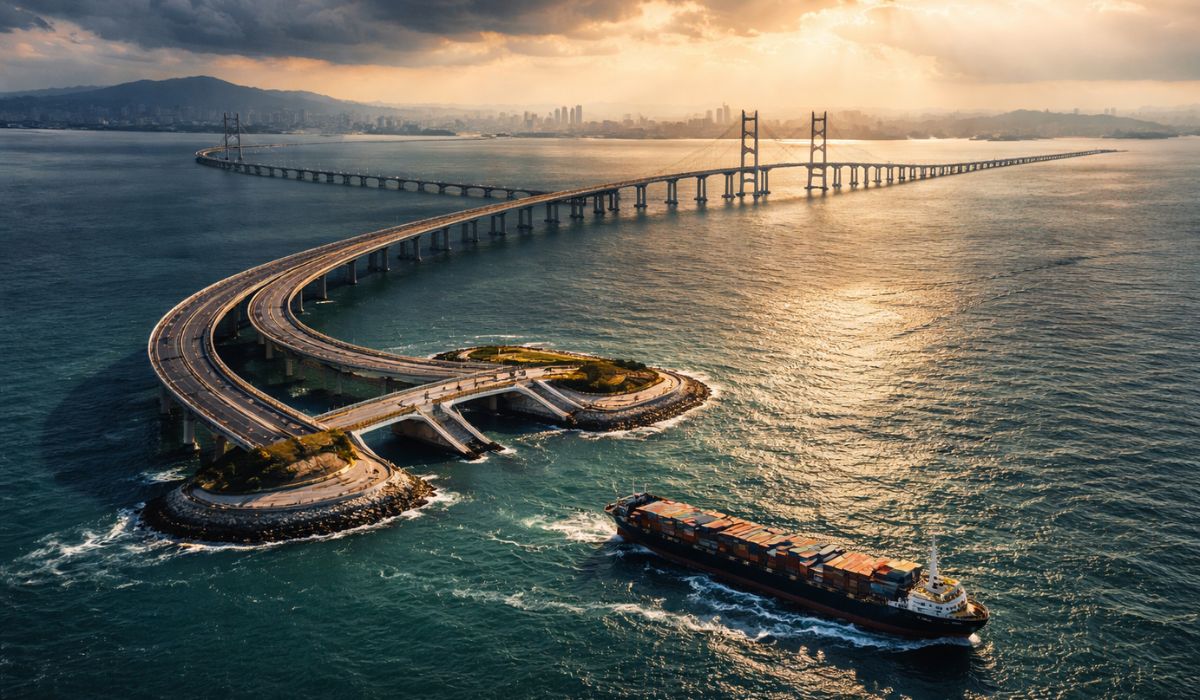
With 55 km over the sea, a cost of US$ 20 billion, and enough steel to build 60 Eiffel Towers, China’s largest project has connected Hong Kong, Zhuhai, and Macau in a colossal bridge that defies the logic of engineering.
-
A trick with joint compound transforms a Styrofoam ceiling into a plaster-like ceiling: leveled panels, wires and mesh at the joints, sand, paint, and change the environment while spending little today.


Where It All Began: The Territory Chosen for the Chinese City of the Future
The region chosen for Xiong’an was not random. Located in the northern plains of China, near Baiyangdian Lake, the area was historically composed of small cities, agricultural villages, and wetlands. Before 2017, Xiongxian and Rongcheng had modest economies, primarily based on light manufacturing, agriculture, and small local services.
The decision to transform this area into a national-scale urban hub required extensive expropriations, population resettlement, and a complete reconstruction of the urban landscape.


Thousands of residents were relocated in the early years of the project, with compensation and new housing planned by the provincial government of Hebei.
Meanwhile, Baiyangdian Lake underwent a comprehensive environmental recovery program, including pollution control, dredging, and industrial restrictions, as the body of water was incorporated into the urban concept as a central element of the new city’s ecosystem.
Underground Infrastructure: The Invisible City Beneath Xiong’an
One of the most ambitious and least visible aspects of Xiong’an is its underground infrastructure. Technical reports released by Chinese authorities and covered by outlets such as Reuters indicate that the city was designed with hundreds of kilometers of tunnels intended to house energy, water, telecommunications, urban heating, sewage, and logistics networks.
The goal is to eliminate the need for frequent surface works, reduce service failures, and create a cleaner and more efficient city.
This concept, known in China as “integrated smart sponge city,” combines advanced drainage, water reuse, digital sensors, and multifunctional underground corridors.
In some central areas, virtually all heavy infrastructure was buried even before the construction of the buildings on the surface, drastically raising initial costs but promising lower maintenance over decades.
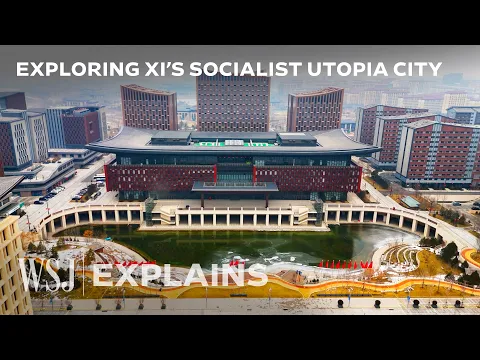
Moreover, Xiong’an was designed to operate with integrated digital systems, including real-time monitoring of traffic, energy consumption, and environmental management, aligning with the Chinese strategy for smart cities under state control.
The Volume of Investments and the Role of the Chinese State
Since 2017, funding for Xiong’an has predominantly occurred through state banks, such as the China Development Bank, local governments, and public infrastructure and construction companies.
Estimates consolidated by international analysts indicate that direct and indirect investments have already exceeded US$ 115 billion, considering transportation, housing, sanitation, public buildings, and underground infrastructure projects.
Unlike projects oriented towards private capital, Xiong’an did not initially depend on spontaneous demand from the real estate market.
The government imposed strict controls on the buying and selling of properties, restricting speculation and preventing private investors from inflating prices before the city’s consolidation. This approach reinforced the political character of the project, but also limited economic dynamism in the early years.
Transfer of Functions from Beijing: An Unfinished Promise
One of the central pillars of the project was the gradual transfer of “non-essential” functions from Beijing to Xiong’an. Among them were universities, research centers, referral hospitals, state-owned enterprises, and part of the administrative bureaucracy.
In practice, by the mid-2020s, this transfer occurred more slowly than initially announced.
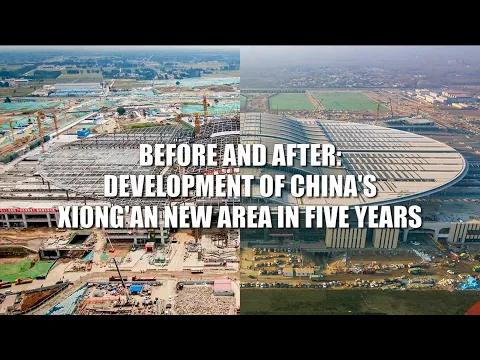
Some educational institutions and state-owned enterprises opened branches or secondary headquarters in the new area, but large ministries and central agencies mostly remained in Beijing.
Analysts from the Brookings Institution highlight that the reluctance to move strategic administrative structures reflects both political concerns and doubts about the actual attractiveness of the new city for highly qualified professionals.
Empty Buildings and Uncertain Economic Return
Satellite images and international reports published between 2022 and 2024 showed entire neighborhoods in Xiong’an with modern buildings, wide avenues, and complete infrastructure, but with low occupancy. Although Chinese authorities reject the label of “ghost city,” they acknowledge that the population occupancy is still well below the projected capacity.
The original plan anticipated that Xiong’an could house millions of inhabitants over the decades. However, the slowdown in the Chinese real estate sector, the crisis of large developers, and the central government’s shifting economic priorities have reduced the pace of new investments and delayed population targets.
Slowdown and Strategic Reevaluation
Starting in 2023, signs of slowdown became more evident. The Chinese government began to adopt a more cautious stance regarding megaprojects, prioritizing financial stability, technological innovation, and economic security.
Although Xiong’an continues to officially be a strategic project, the pace of construction has slowed, and the discourse has begun to emphasize gradual development, fiscal sustainability, and more efficient use of the infrastructure already built.
Reports from Reuters indicate that local authorities have been instructed to avoid excessive new debt and to focus on attracting economic activities compatible with the current reality of the country, rather than indefinitely expanding urban construction.
The Political Significance of Xiong’an under the Xi Jinping Administration
Even with economic challenges and slow occupation, Xiong’an maintains enormous symbolic importance. It is a project directly associated with Xi Jinping’s leadership, frequently cited in official speeches as an example of long-term planning and centralized governance.
Abandoning or drastically reducing the project would have significant political implications, making a complete cancellation unlikely.
Instead, experts point out that Xiong’an is likely to become a slow-paced urban laboratory, serving more as a technological, administrative, and environmental showcase than as a new economic hub comparable to Shenzhen or Shanghai.
An Urban Experiment Still Seeking Its Role
The Xiong’an New Area represents one of the most ambitious urban experiments of the 21st century. With billion-dollar investments, unprecedented underground infrastructure, and centralized planning, the city symbolizes China’s attempt to redesign its model of urbanization and governance.
At the same time, low occupancy, uncertain economic returns, and recent slowdowns expose the limits of state planning when dissociated from the real dynamics of people, businesses, and the labor market.
The future of Xiong’an remains open. It may, over the decades, consolidate itself as a stable administrative and technological center, or remain as an example of how even colossal projects face difficulties in fully materializing. What is already certain is that Xiong’an has become a landmark of engineering, urban politics, and the state’s power strategy in the 21st century.









-

-

4 pessoas reagiram a isso.