





 Portuguese
  English
  Spanish
 4 min of reading
  0 comments



Paraná Enacted Law Reducing IPVA to 1.9% Starting in 2026, the Lowest Rate in Brazil. The Change Was Supported by Fiscal Capacity Capag A+ and Spending Cuts.
Governor Ratinho Junior signed into law on September 23, 2025 Law 22.645/2025, which reduces the IPVA rate from 3.5% to 1.9% on the assessed value, effective in 2026. The government claims that about 3.4 million owners will benefit, resulting in a 45% reduction in the annual tax amount.
According to the Department of Finance, the measure positions Paraná with the lowest IPVA rate in the country. The initial announcement was made on August 20 and detailed impacts for different vehicle value ranges.
The law also increases the late fee from 10% to 20%, maintaining daily interest charges (0.33% per day) plus the Selic rate. The calculation follows the Fipe Table published at the end of each year.
-
The noise law will no longer be in effect at 10 PM starting in June with a new rule valid during the 2026 World Cup.

-
The Chamber opens a debate on driver’s licenses at 16 years old as part of a reform that includes around 270 proposals to change the Brazilian Traffic Code and may redesign rules for licensing, enforcement, and circulation in the country.

-
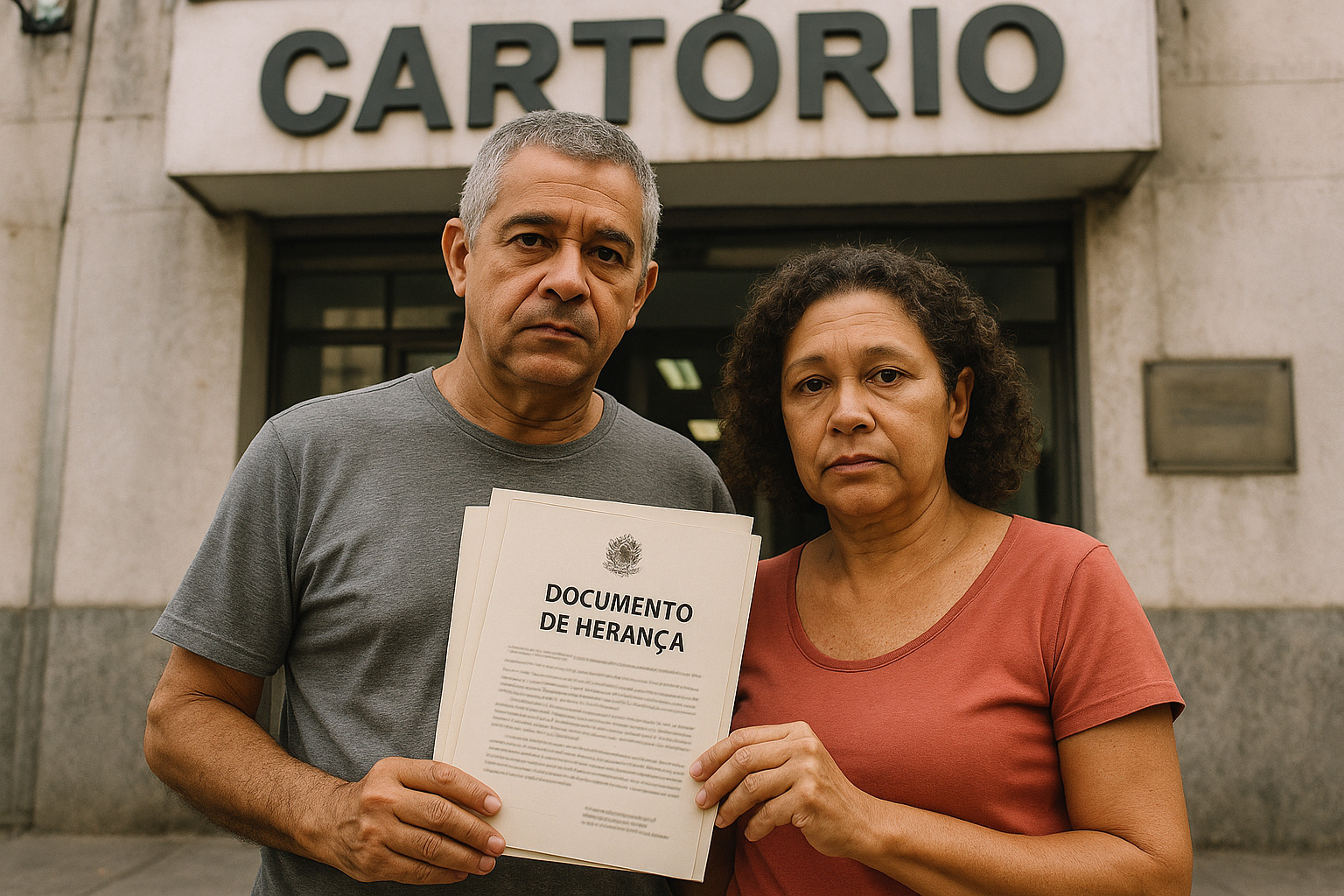
The new Civil Code could revolutionize marriages in Brazil with “express divorce” and changes that could exclude spouses from inheritance.
-
Banco do Brasil sues famous influencer for million-dollar debt and intensifies debate on delinquency, risks of seizure, and direct impact on Gkay’s credibility.


Vehicles with a differentiated rate remain at 1% (buses, trucks, rentals, CNG). The exemption for motorcycles up to 170 cc remains valid, according to recent state legislation.
Why the State Was Able to Cut the Rate
The cut was supported by fiscal solidity: Paraná achieved Capag A+ for the second consecutive year, as assessed by the National Treasury, which measures the payment capacity of subnational entities. The rating for 2024 was released in Technical Note SEI No. 3087/2025/MF; Capag is the official indicator used by the STN.
The government also cites financial investments yielding higher returns than the debt interest in 2024, and the Strategic Treasury program. In July 2025, the State Treasury Single Account (CUTE) was implemented along with a Withdrawal Limit to centralize funds and optimize returns. Goal: efficiency and predictability in financial flow.
There was a limitation and reprogramming of ODCs (other current expenditures). Decree 5.919/2024 limited the growth of ODCs to the variation of RCL, with an estimated savings of R$ 1.13 billion since May 2024. The Decree 10.255/2025 determined reprogramming of expenditures and limitation of commitments to maintain Capag A.
The Department of Finance projects that the cut in non-essential expenses and cash management will create room for the fall in IPVA without compromising services. The government states that this savings approaches R$ 2.8 billion that will not be collected due to the rate reduction.
Impact on Revenue and Municipalities
The Department of Finance points out that transfers to municipalities totaled R$ 10.2 billion from January to August 2025, 84% above the amount seen seven years earlier, and estimates a neutral impact on municipal coffers with the IPVA change. These are constitutional transfers of ICMS, IPVA, royalties, and others.
The government also expects a base effect: more vehicles registered in the state. In the 10 days after the announcement of the new rate, registrations increased by 11%, according to Detran-PR. However, projections depend on the market for vehicles, income, and credit.
Even with the reduction, revenue can be preserved if there is repatriation of plates and an increase in the taxable fleet. Fiscal support will require continuous execution of expenditure decrees and measures from the Strategic Treasury.
Experts remind that Capag is a credit risk signal and does not replace the monitoring of budget execution and spending quality. The STN methodology focuses on indebtedness, current savings, and liquidity.
How Much Each Driver Will Pay and Frequently Asked Questions
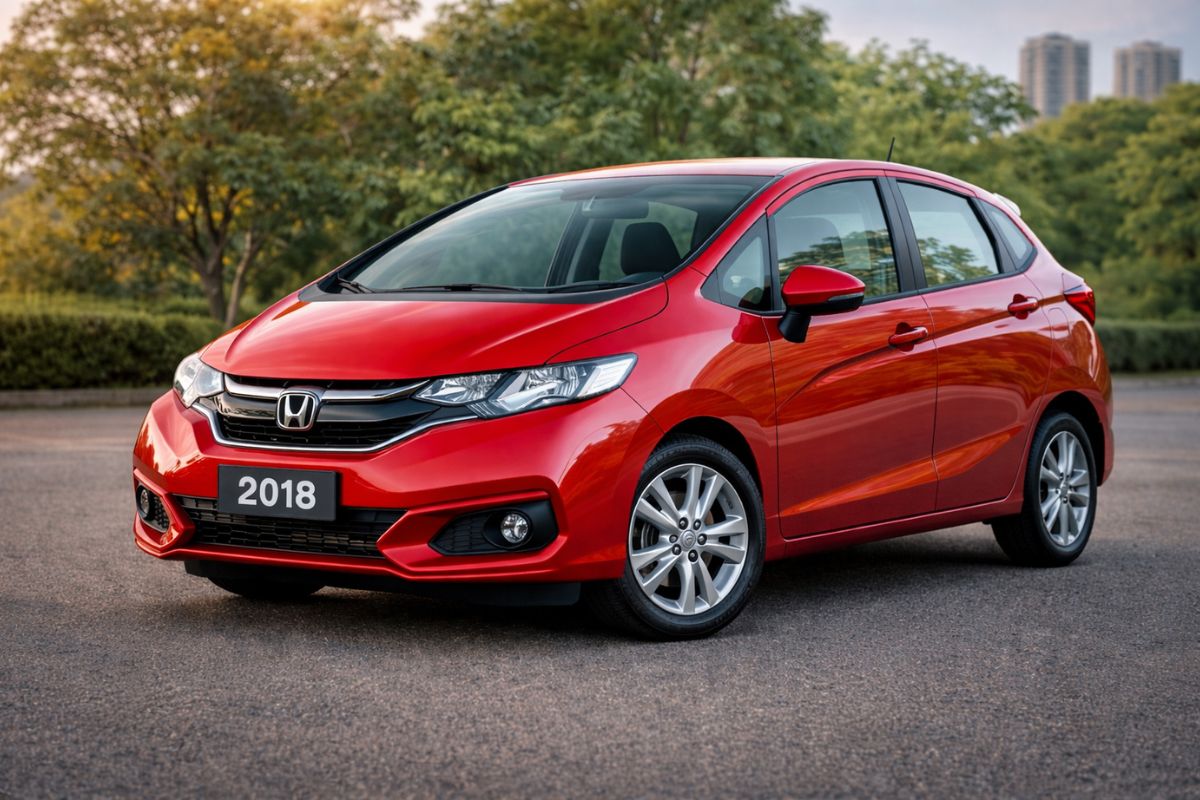
Example: a car worth R$ 50,000 will go from R$ 1,750 (3.5%) to R$ 950 (1.9%) in 2026. The Department of Finance published simulations by price ranges, useful for families’ financial planning.
The late fee will be 20% after 30 days, with daily default interest and Selic. Payment will continue to be based on the assessed value from Fipe. The calendar and guides are published at the end of the fiscal year.
Who Remains at 1%: buses, trucks, rental vehicles, and those powered by CNG. Motorcycles up to 170 cc remain exempt. For questions, the guidance is to consult the official channels of Detran-PR and Sefa-PR.
For municipalities, the reduction can be offset by greater formalization of local registrations, but the final picture will depend on the effectively taxable fleet and the assessed value determined in 2026.
And what do you think? Is the reduction of IPVA to 1.9% a tax justice that stimulates consumption and formalization, or does it risk straining public services if the base gain does not come? Leave your comment: would you change cars in 2026 because of the new IPVA or keep your current one?









Seja o primeiro a reagir!