





 Portuguese
  English
  Spanish
  6 min of reading
  10 comments


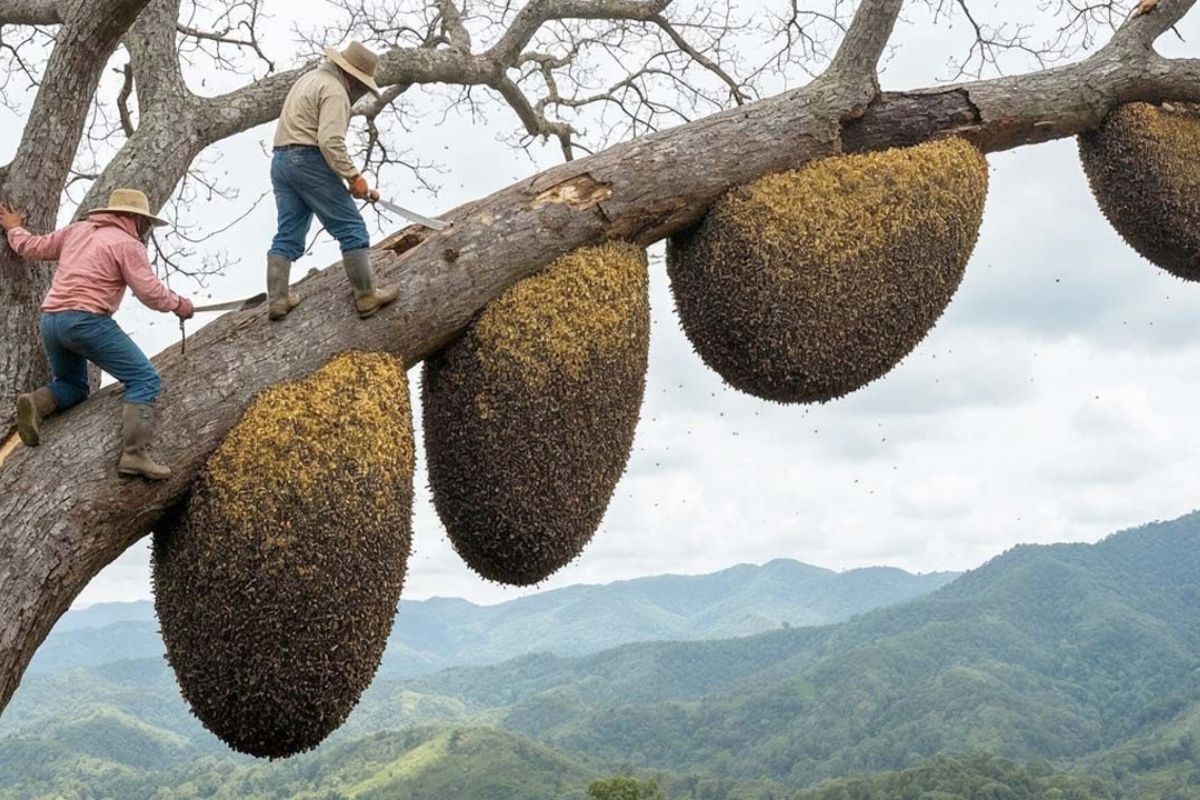


With Hives on Cliffs Up to 90 Meters, Production of 50 to 100 Thousand Kilos per Harvest and Varieties That Can Exceed R$ 8,800 per Kilo, the Universe of Wild Honey Blends Tradition, Extreme Risk and a Billion-Dollar Global Market That Depends on Hunters Hanging on Thin Ropes.
On steep cliffs in the middle of the forest, honey hunters hang suspended by ropes and improvised ladders, surrounded by thousands of angry bees. Each season, in a remote mountainous region, they manage to gather between 50,000 and 100,000 kilos of wild honey, risking falls, stings, and their very lives. There are no roads, no modern equipment, only traditional techniques, courage, and an ancient relationship with wild hives.
This wild honey is not just a beautiful food item on the shelf. It has become a product of high economic value. Depending on the flowers and the harvesting method, the wild honey can be sold for prices ranging from a few reais to dozens of reais per kilo, while rare varieties reach impressive figures. In some cases, the price exceeds R$ 8,800 per kilo, placing this honey among the most expensive in the world and pushing entire communities into a risky routine in exchange for income.
How the Journey of Wild Honey Begins in the Mountains
The wild honey harvesting season usually occurs twice a year, typically between March and May and then between September and November.
-
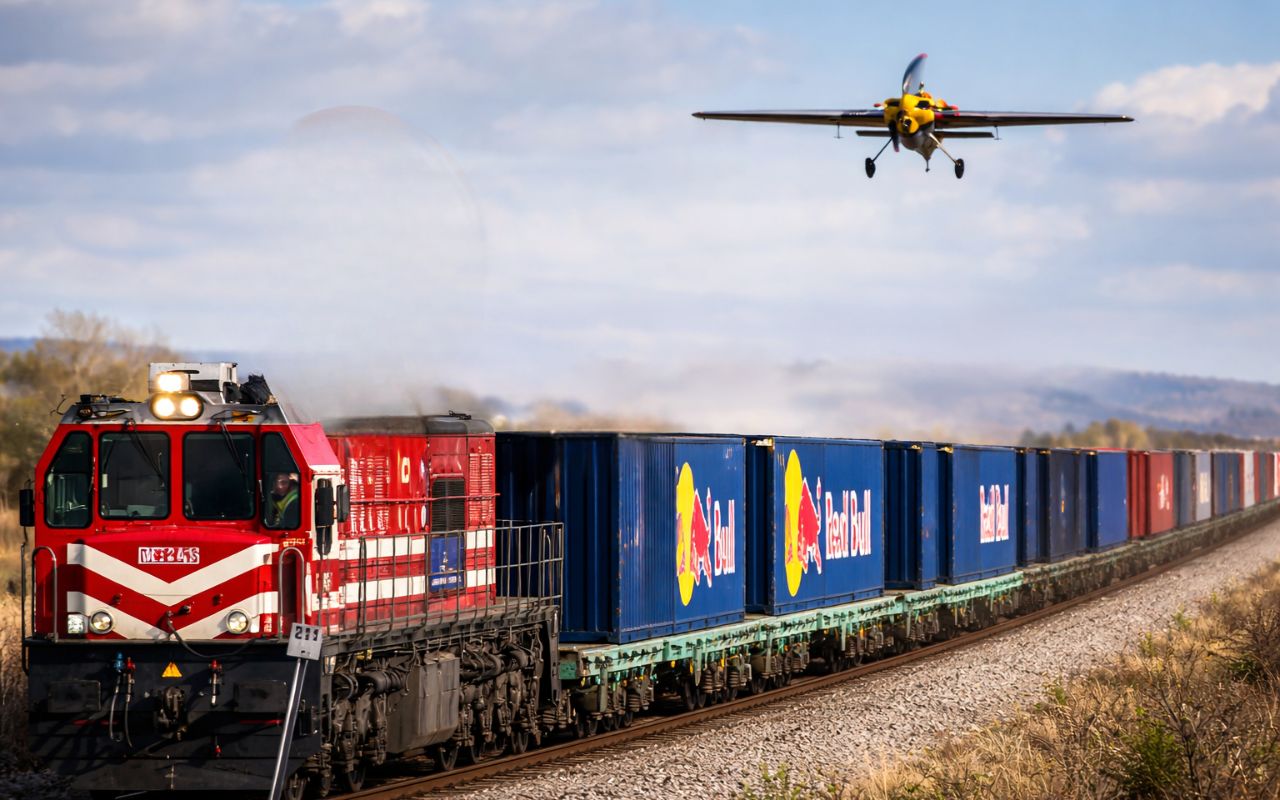
(Video): Italian pilot lands plane on moving train at 120 km/h and achieves unprecedented feat in aviation, even with a narrow runway and without direct visual contact.
-
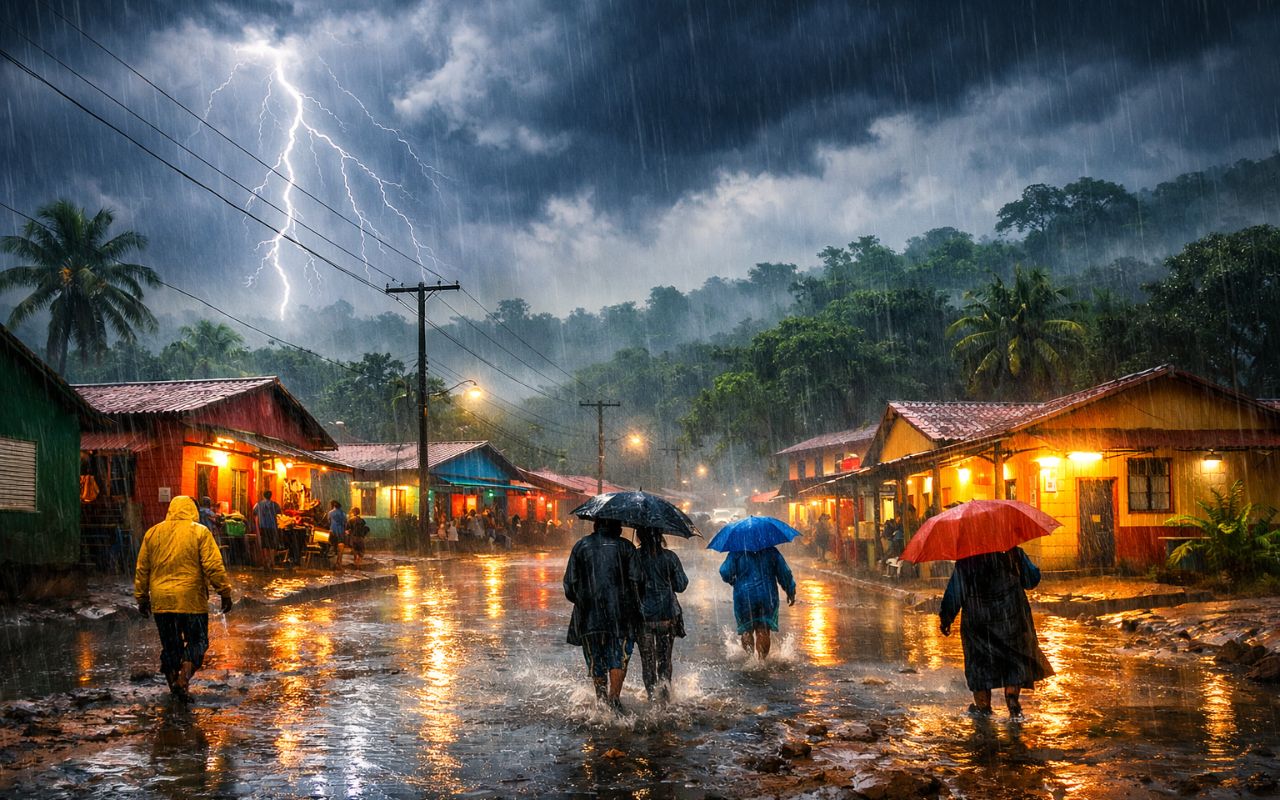
It seems to have come out of a science fiction movie: A Brazilian city where it rains almost every day, recording over 4,000 mm per year, driven by climatic factors — a direct result of its strategic location in the Amazon.
-
The water crisis that could change everything this year has already begun; it’s not just about the climate, it affects technology, raises product prices, and can halt entire companies without warning.

-
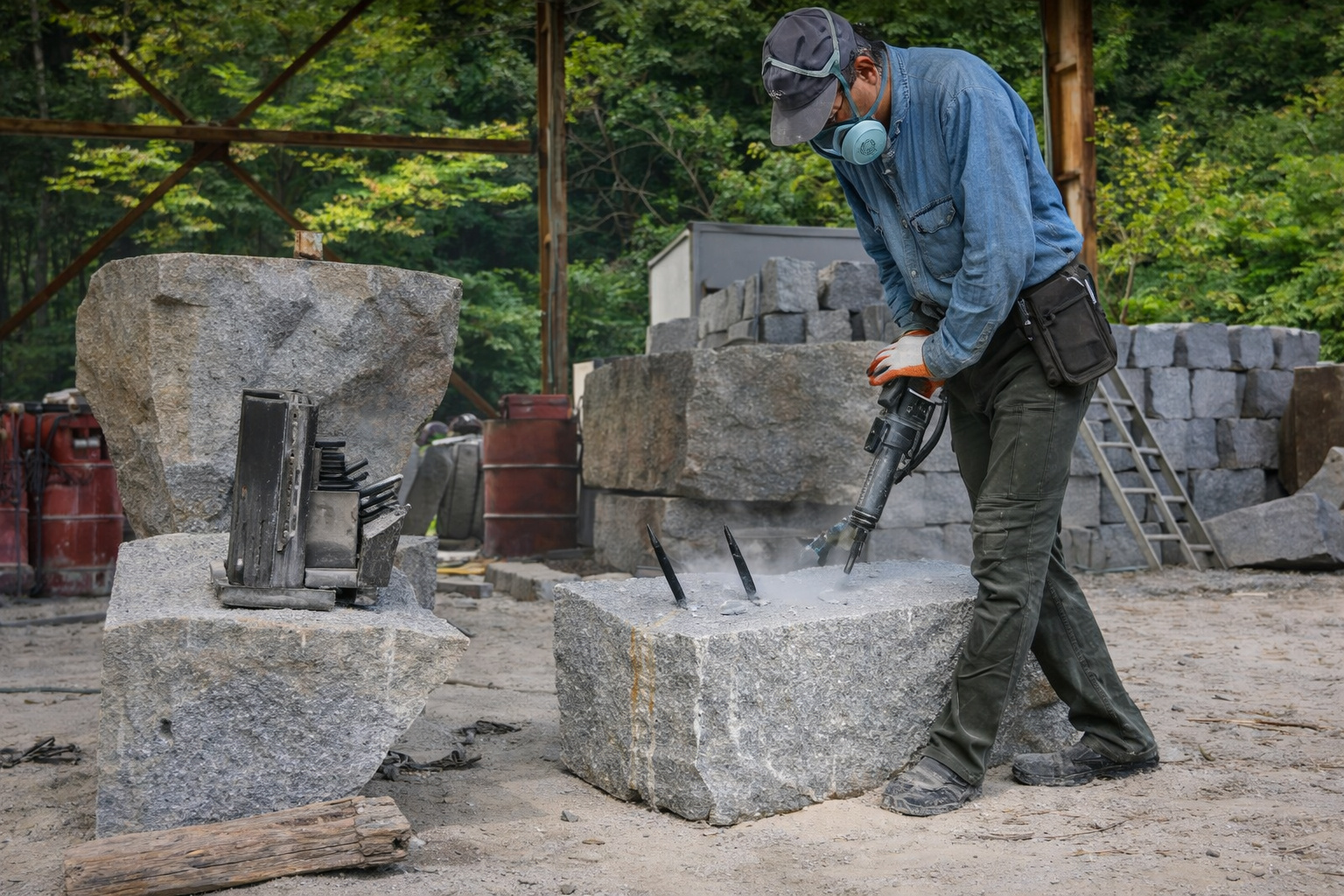
A Japanese mason transforms raw granite into small cups and handcrafted utensils, collects giant stones, cuts with precision, and impresses with detailed manufacturing and finishing.

Each expedition lasts from a few days to a week, always in hard-to-reach areas. Before departing, the hunters prepare everything they need for the journey, from safety equipment to gathering tools.

The essentials are strong ropes, long climbing ladders, and safety belts attached to solid anchor points. In many areas, the hives are located on cliffs 60 to 90 meters high or at the top of trees reaching 30 meters.
To step in these places, every knot of rope and every step needs to be calculated. There are no modern helmets or beekeeper suits like those found on industrial farms.
Everything depends on experience, balance, and perfectly synchronized teamwork.
Smoke, Bees, and Giant Honeycombs

To deal with aggressive swarms, honey hunters bring bundles of dry leaves, grass, and glowing embers.
The goal is to produce a dense smoke that confuses the bees, driving some of them away from the hive without completely destroying it. They also carry long bamboo sticks to reach and control the honeycombs from a distance.
When they are close enough, suspended in the void, the lead hunter uses a sickle attached to a long handle or a sharp knife to cut the large honeycombs.

Meanwhile, another team member stays below with a handmade bamboo or rattan basket, receiving the heavy honeycomb plates filled with honey.
Each combination of cutting, warning shout, and rope movement needs to be synchronized to avoid losing the material or putting anyone at risk.
From Raw Comb to Honey Ready for Sale

As soon as the honeycombs reach the ground, another entirely manual stage begins. The hunters crush the honeycombs with their hands or press the contents through a clean cloth to separate the honey from the wax.
The thick liquid that flows is the raw honey, full of wax residues, small pieces of comb, and bits of bees.
After that, the honey is strained to remove wax, wings, bee legs, and other impurities. Then, it is usually left to rest for 24 to 48 hours for heavier particles to settle.
Only then is the honey placed in sterilized glass or plastic bottles, ready for consumption or sale.
Each hive can weigh between 7 to 23 kilos, and the result is a dark, dense honey with a strong flavor marked by the flowers and vegetation of that specific region.
Valuable Honey, Massive Harvests, and Daily Risks
Despite being a traditional craft, the harvesting of wild honey moves impressive volumes in some countries. In mountainous regions, a single season can yield tens of thousands of kilos of honey taken directly from cliffs.
On cliffs connected to mountain ranges, the hives occupy entire walls, creating a scene as beautiful as it is dangerous.
The price reflects the risk. Wild honey is often worth much more than honey harvested in industrial hives, especially when it comes from remote areas and specific bee species. There are rare types of honey obtained in deep caves or in extreme conditions that reach very high values per kilo.
This combination of scarcity, human effort, and the aura of “pure forest product” means that the world’s most valuable wild honey is treated almost like liquid gold.
The Contrast Between Wild Honey and Modern Beekeeping Honey
While hunters face cliffs and slippery trails, the reality of honey in many parts of the world has migrated to a much more controlled environment.
In countries with developed beekeeping, millions of hives are installed in rows next to fields of flowers and forest edges, all organized to facilitate management, harvesting, and transportation.
When the harvest season arrives, beekeepers gently use smoke around the hives to calm the bees, reducing the risk of stings and safely opening the boxes.
Frames full of honey are removed, the wax covers are carefully scraped off, and the entire set goes into a centrifugal extractor, which spins and releases the honey without destroying the comb. Then, these frames return to the hive, where the bees continue working.
On large farms, machines do almost all the work, processing hundreds of frames per hour.
From Field to Bottle in Automated Honey Lines
In industrial operations, the path of honey from the hive to the jar is almost fully automated. After leaving the extractor, the honey undergoes finer filtering stages, which remove micro-residues, and proceeds to large storage tanks.
From there, automated systems fill and seal hundreds or thousands of glass or plastic bottles per hour, making everything ready for distribution on a national and international scale.
A single beekeeper with a reasonable structure can harvest hundreds of kilos of honey per season, without having to climb cliffs or walk dangerous trails.
On a national scale, this translates into millions of kilos of honey circulating in markets and being exported to other countries, helping to meet the demand where local production does not suffice.
Taste, Color, and Price: Why Wild Honey Is More Valuable
In the cup or on the spoon, the differences between cultivated honey and wild honey begin to appear. Conventional beekeeping honey tends to be lighter, more uniform in color and flavor.
This is the result of control over the hives, available flowers, and standardized extraction and filtering processes.
In contrast, wild honey tends to be darker, with a thick texture and a much more complex flavor. Each region, each flower, and each forest leaves its mark on the honey, creating variations in aroma and taste that do not repeat easily.
It is precisely this uniqueness, combined with the difficulty of access and the risk of harvesting, that makes pure wild honey sold for much higher values in the international market. For some consumers, it is seen almost as a traditional remedy or a luxury ingredient.
Between Tradition, Danger, and the Global Honey Market
Behind a simple jar of wild honey lies a chain that blends culture, economy, and survival.
In many communities, the harvesting of honey on cliffs is knowledge passed down through generations, handed down from parents to children along with stories of courage and tragedy.
In parallel, modern beekeeping and industrial honey ensure volume, availability, and more accessible prices for the majority of the population.
In the end, what arrives on the table can be a light and smooth honey from beekeeping or a dark and intense honey coming from distant cliffs. In both cases, there is a long journey between the flower and the jar.
The difference is how much risk, how much history, and how much exclusivity are concentrated within each bottle.
After learning about this reality, tell me in the comments: would you have the courage to face cliffs and swarms to gather wild honey, or would you prefer to stick with the store-bought jar?





Tantas informações mas , ao longo de todo o texto , não menciona a região onde ocorre essa coleta de mel silvestre.
Essas pessoas maravilhosas, lamentável é a ignorância dos Evangélicos. receberam o Dragão e a Onça e fizeram gritaria. Parabéns Chineses e povos Asiatcos Inteligentes Destemidos. A ignorância dos Evangélicos é que hoje Bolsonaro puxa 27 anos de ****. Copiam os EUA? Lá é a Bíblia em uma Mão e a Espada na outra
Interessante matéria, mas parece que a autora da reportagem nao quis mencionar onde ou qual pais isso acontece. Sacanagem.