





 Portuguese
  English
  Spanish
  6 min of reading
  0 comments


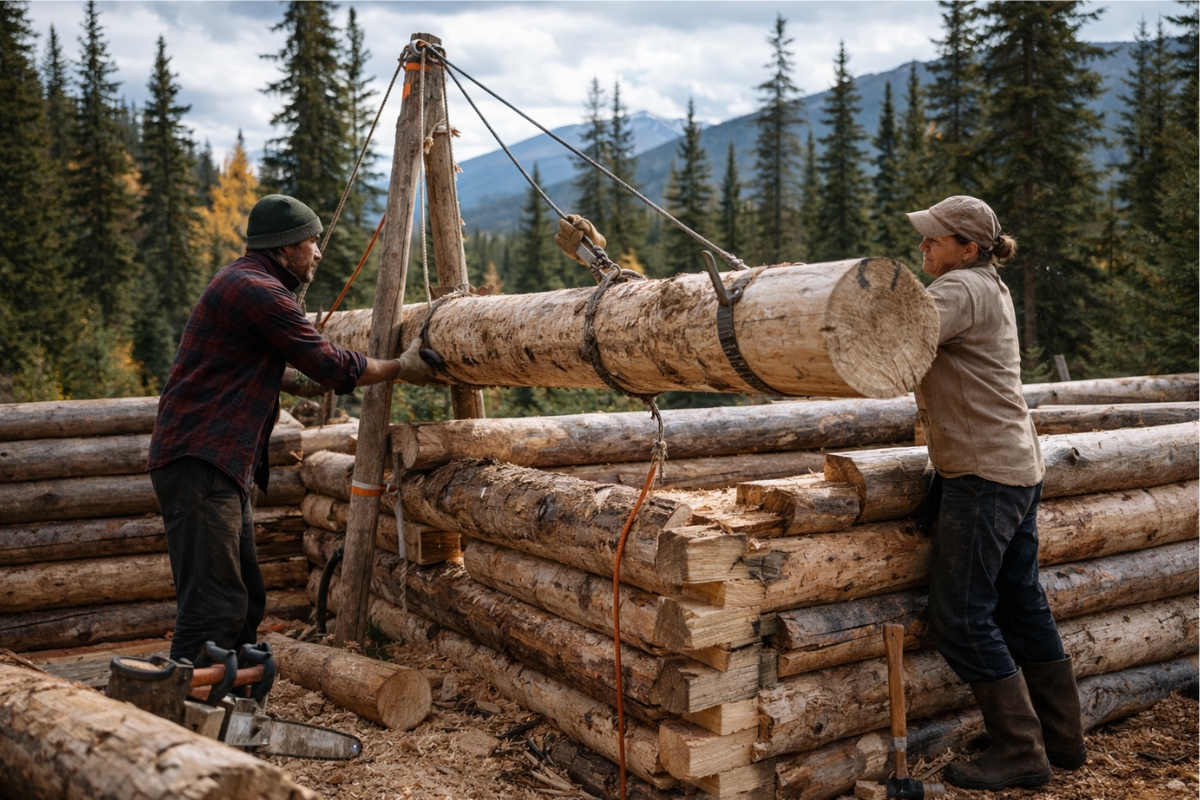
Off-Grid Living in Alaska Shows How Solar Energy, Hunting, and Planning Replace Cities, Supermarkets, and Conventional Infrastructure
A family decided to live in Alaska off the power grid, away from cities, roads, and conventional services, relying on solar energy, natural resources, and extreme planning. The choice was not made as a radical experiment but as a practical way to ensure food, autonomy, and quality of life in an isolated environment.
The location is about seven miles straight from the nearest neighborhood and approximately twenty miles from a year-round inhabited village. The isolation guarantees absolute silence, control over one’s own time, and direct access to the river, a central element for food and survival.
Life in this setting requires conscious decisions about housing, energy, transportation, and consumption. Each choice has a direct impact on daily routines, costs, and the ability to stay in the location throughout all seasons of the year.
-
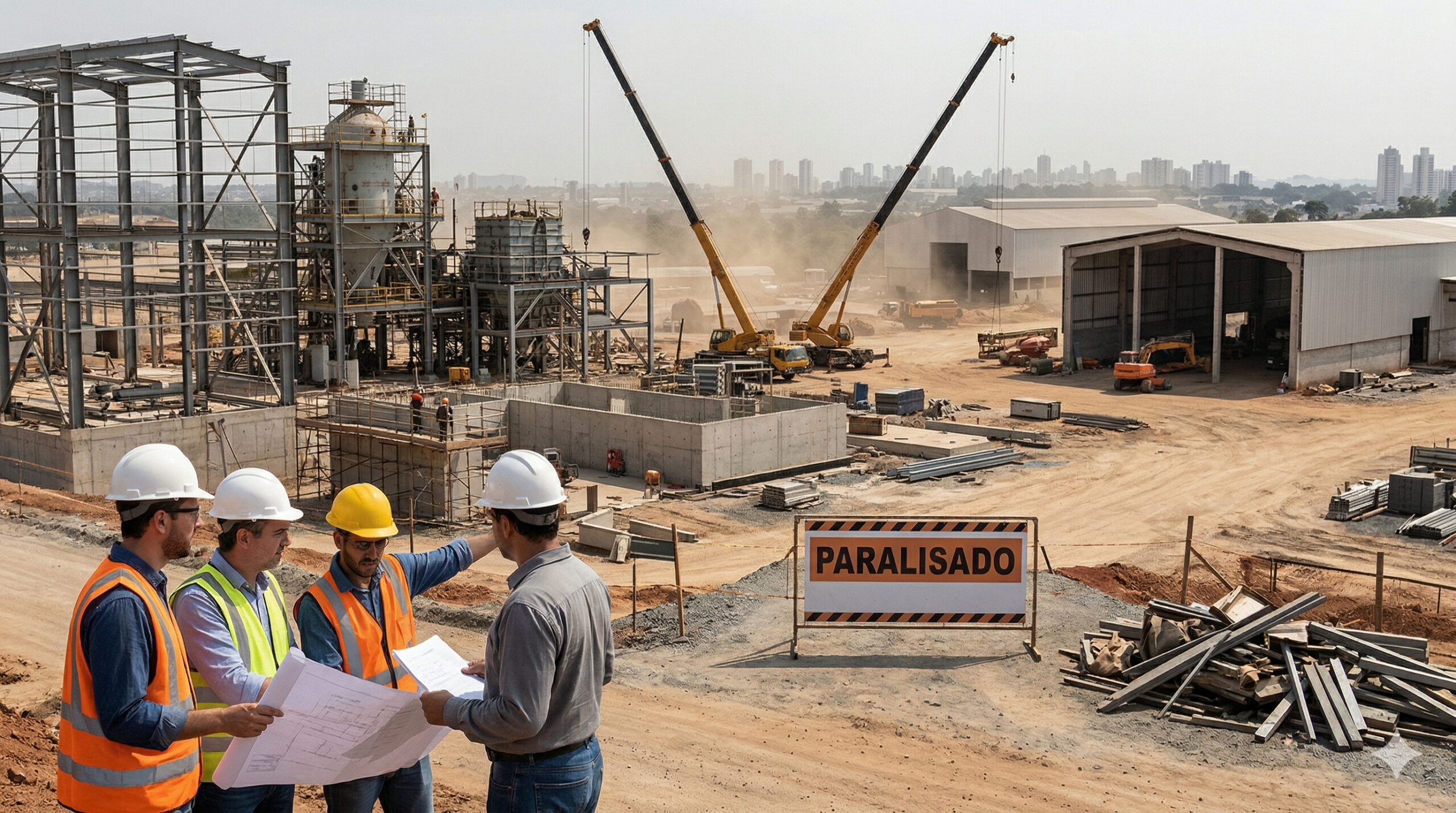
The lack of welders, electricians, and operators becomes a structural threat in 2025, with the construction industry and manufacturing already suffering from delays, cost pressures, and labor shortages in Brazil.
-
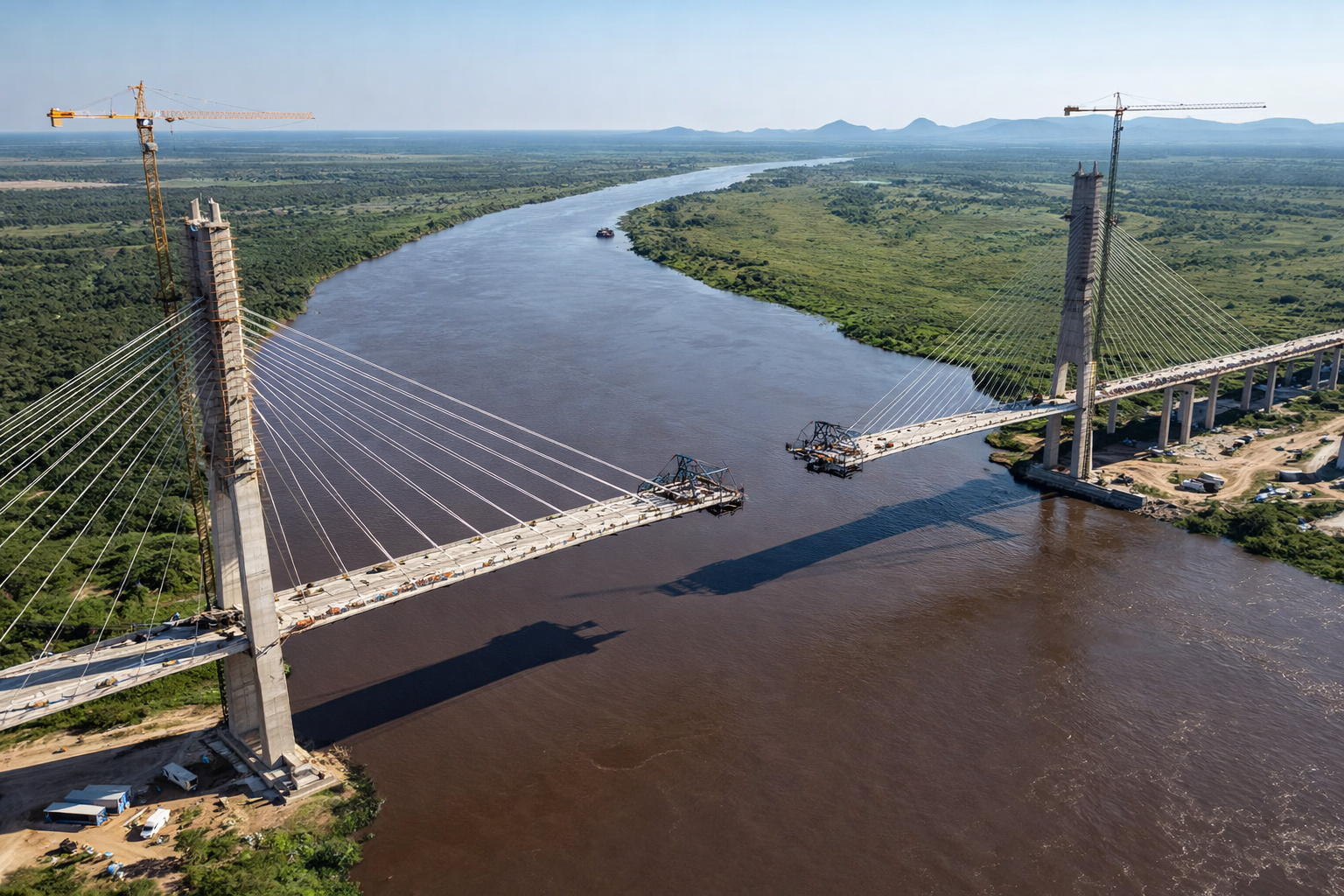
Brazil and Paraguay are just 46 meters away from a historic union on the bioceanic bridge that promises to revolutionize trade between the Atlantic and the Pacific.
-
With 55 km over the sea, a cost of US$ 20 billion, and enough steel to build 60 Eiffel Towers, China’s largest project has connected Hong Kong, Zhuhai, and Macau in a colossal bridge that defies the logic of engineering.

-
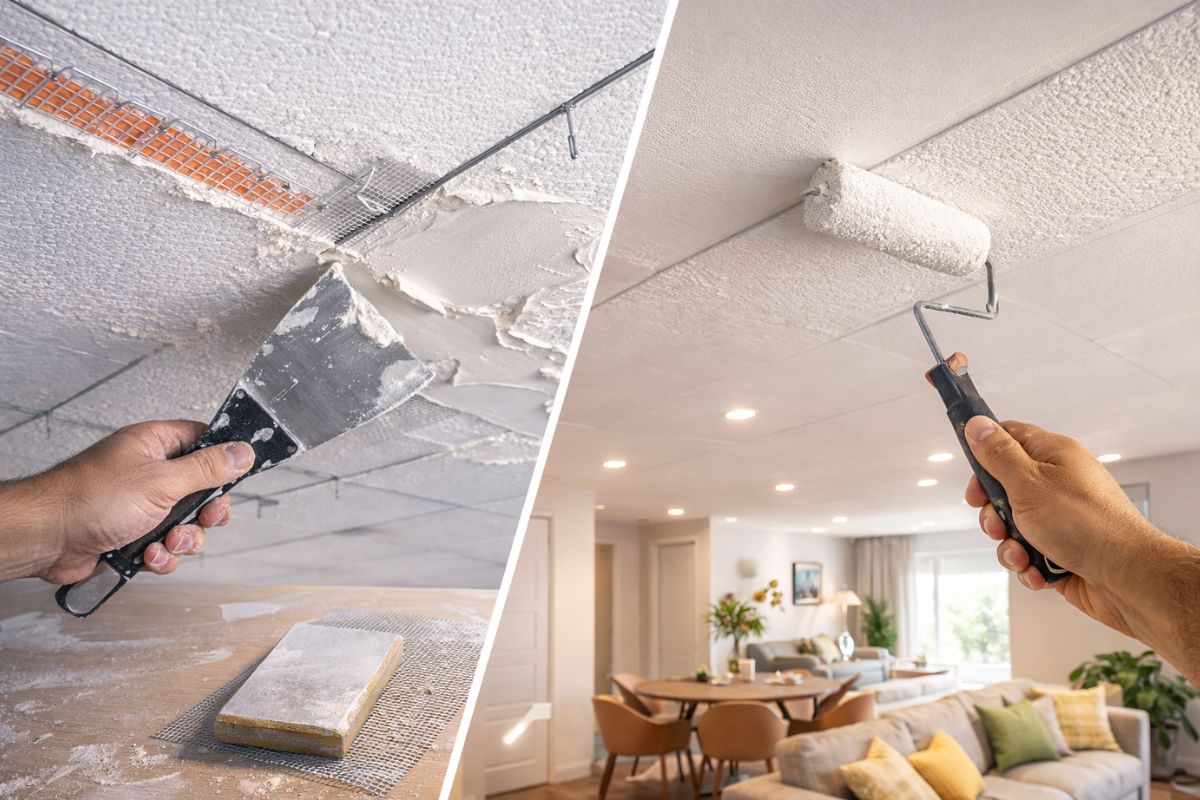
A trick with joint compound transforms a Styrofoam ceiling into a plaster-like ceiling: leveled panels, wires and mesh at the joints, sand, paint, and change the environment while spending little today.

Why Living Off the Power Grid Became a Viable Choice
The priority has always been to be close to natural food sources, especially salmon. Living along the banks of a large river reduced the dependence on long travels and ensured food security throughout the year.
The absence of connections to public energy, water, and sewage networks led to the creation of simple and efficient solutions. The logic adopted was to use only what was necessary, avoiding large equipment and excessive consumption.
This model allowed for keeping costs low, reducing maintenance, and creating a more predictable routine even in one of the most extreme environments on the planet.
How the Simple Cabin Used in Daily Life Works

The first cabin was built with a focus on simplicity and functionality. The space includes a handmade wood stove, basic wood storage, and a reduced solar energy system.
The batteries serve only for lighting and charging small devices. There are no large appliances, eliminating constant noise and mechanical failures common in more complex systems.
The interior includes a practical kitchen, a reading and game area, and minimal utensils per person. This limitation facilitates organization and reinforces a more conscious and quiet routine.
Construction with Local Materials Kept Costs Low

The entire structure was made with materials sourced from a radius of one mile from the cabin. The wood was sawn on-site, stones came from the river, and the plaster was prepared manually.
The initial construction cost was around one thousand dollars, with small additional investments over time. For years, the floor was made of spruce branches, ensuring adequate thermal insulation.
The cabin served as the primary residence, later hosting friends, and now functions as accommodation in the winter, demonstrating the durability of simple solutions when well executed.
From Tent to First Permanent Residence in the Middle of the Forest
When the land was acquired, there was no infrastructure. Life began in a tent, with daily fishing and constant learning about the territory and climate.
The first permanent structure emerged at Fish Camp, and over more than a decade, all the constructions were built by the family themselves. The scarcity of ideal logs led to the creation of an alternative project using spruce posts and excavation into the ground.
The cabin was partially buried, with the back wall reaching about six feet below ground level, taking advantage of the natural heat of the earth to maintain a more stable temperature.
Larger Cabin Required Extreme Planning and Years of Work
With the decision to start a family, the need for a larger house arose. The new cabin took about three years to build and measures twenty feet by twenty feet, with two full stories.
The square design allowed for the use of logs of the same length, facilitating planning and reducing waste. Each log required several hours of work, from fitting to insulation.
In total, the structure uses about seventy to eighty logs, including the roof, all manually adjusted to ensure sealing and stability.
Joinery Technique Ensures Insulation and Low Maintenance

The construction followed the complete joinery method, where each log is carved to fit perfectly onto the one below. This creates a natural seal and eliminates the need for frequent maintenance.
Logs with more twisted fibers were positioned in strategic locations, avoiding doors and windows, allowing them to adjust naturally over time.
The result is a well-insulated house, low maintenance, and suitable for facing long and harsh winters.

Routine Defined by the Seasons and Daylight
In winter, the region has only about four hours of light per day, which limits outdoor activities. In spring and summer, the pace speeds up with planting, harvesting, and preparation for the cold months.
The garden includes cold-resistant vegetables such as carrots, beets, turnips, kale, cabbage, and broccoli, as well as garlic, herbs, and fruits adapted to the climate.
Foraging for wild foods depends on short windows of time, often defined by frosts and the arrival of snow.
Hunting, Preservation, and Food Autonomy
Food varies throughout the year. Moose hunting is a significant achievement, but when it doesn’t occur, other options come into play, such as beavers, hares, birds, and longer trips in search of caribou.
Food preservation is essential and involves drying, freezing, canning, and storing in a root cellar. This ensures supplies throughout the year, even without access to markets.
This flexibility reduces travel, saves fuel, and strengthens self-sufficiency.
Root Cellar Replaces Conventional Refrigerator
The root cellar is located below the cabin and maintains a constant temperature. It allows for the storage of food for long periods, including potatoes that last over one year, grains, preserves, and root vegetables.
External ventilation controls the temperature without the use of electricity. In practice, it functions as a large natural refrigerator, essential for those living off the power grid.
The system reduces packaging, waste, and reliance on frequent purchases.
Solar Energy Ensures Lighting and Basic Functions

The energy system consists of eight solar panels of three hundred and twenty watts, mounted on an adjustable structure to track the sun’s variation between summer and winter.
The energy serves lighting, charging devices, and small daily needs. Water is collected from the river and transported as per the season.
Recently, the installation of an internal reservoir allowed for running water in the sink, a significant advancement in daily routine.
Self-Production Reduces Waste and External Dependence
Since everything that goes in needs to come out, consumption is carefully planned. The use of plastic and packaging has been minimized as much as possible.
Utensils, furniture, sleds, snowshoes, and structures have been handmade. In addition to saving money, this makes repairs easier and increases autonomy.
Before purchasing anything new, the evaluation goes through three points: whether it can be made, found used, or borrowed.
Dogs Replace Vehicles in Winter
The family keeps eleven dogs, used for transportation in winter. They allow access to areas where vehicles cannot reach and are more efficient than machines on uneven terrain.
The dog-pulled sleds ensure mobility, water collection, and safe travel even on off-route trails.
This form of transportation reduces costs, fuel consumption, and environmental impact.
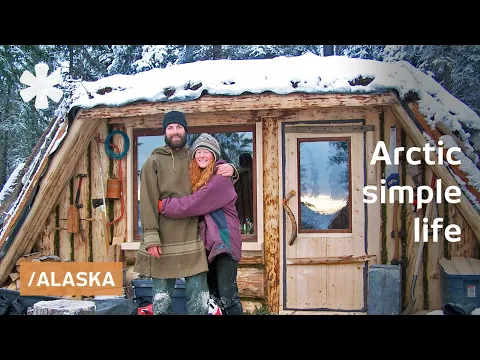

With the structure completed, an offering of winter experiences for small groups emerged. The proposal includes cabin accommodation, locally prepared food, and activities such as dog sledding, ice fishing, and snow walks.
The groups are usually two people at a time, ensuring a personalized experience and low environmental impact.
Life off the power grid shows that autonomy, planning, and intelligent resource use can replace traditional systems, even in extreme environments. It is an ancient model, adapted to current conditions, that continues to function efficiently and sustainably.









Seja o primeiro a reagir!