





 Portuguese
  English
  Spanish
  5 min of reading
  0 comments


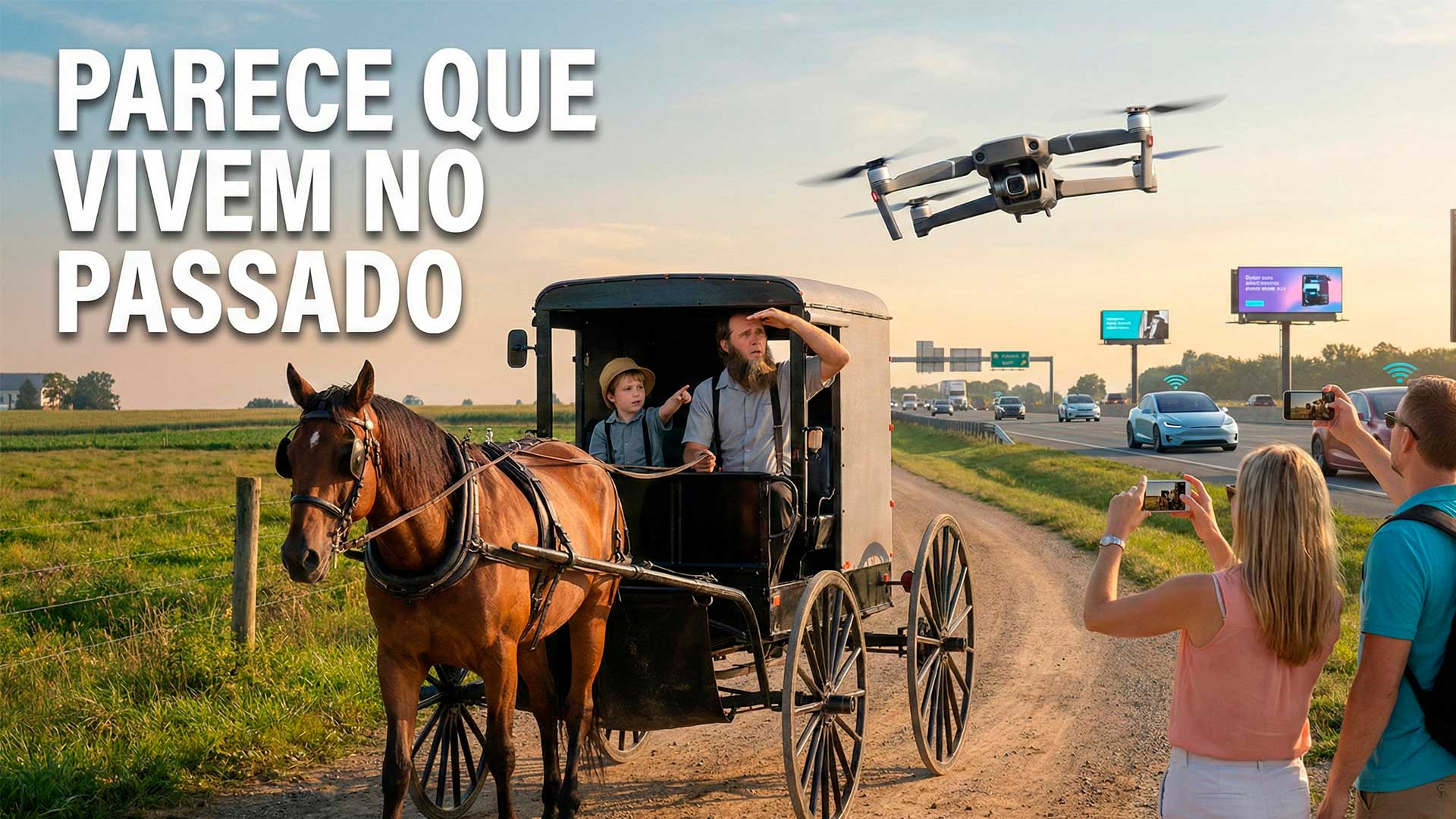
Amid The Digital Hustle Of The United States, Amish Communities Maintain A Simple Life Without Cars, Internet, Or Social Media.
Entering an Amish village in Pennsylvania or Ohio is like crossing an invisible portal on the map. The streets lose the sound of engines and gain the rhythmic sound of buggies. Cell phones disappear from the scene. Bright signs give way to barns and cultivated fields.
These Christian communities choose a lifestyle that rejects much of modern technology. The choice is not born from ignorance or backwardness.
It is a conscious decision guided by strict religious rules and a strong ideal of simplicity.
-
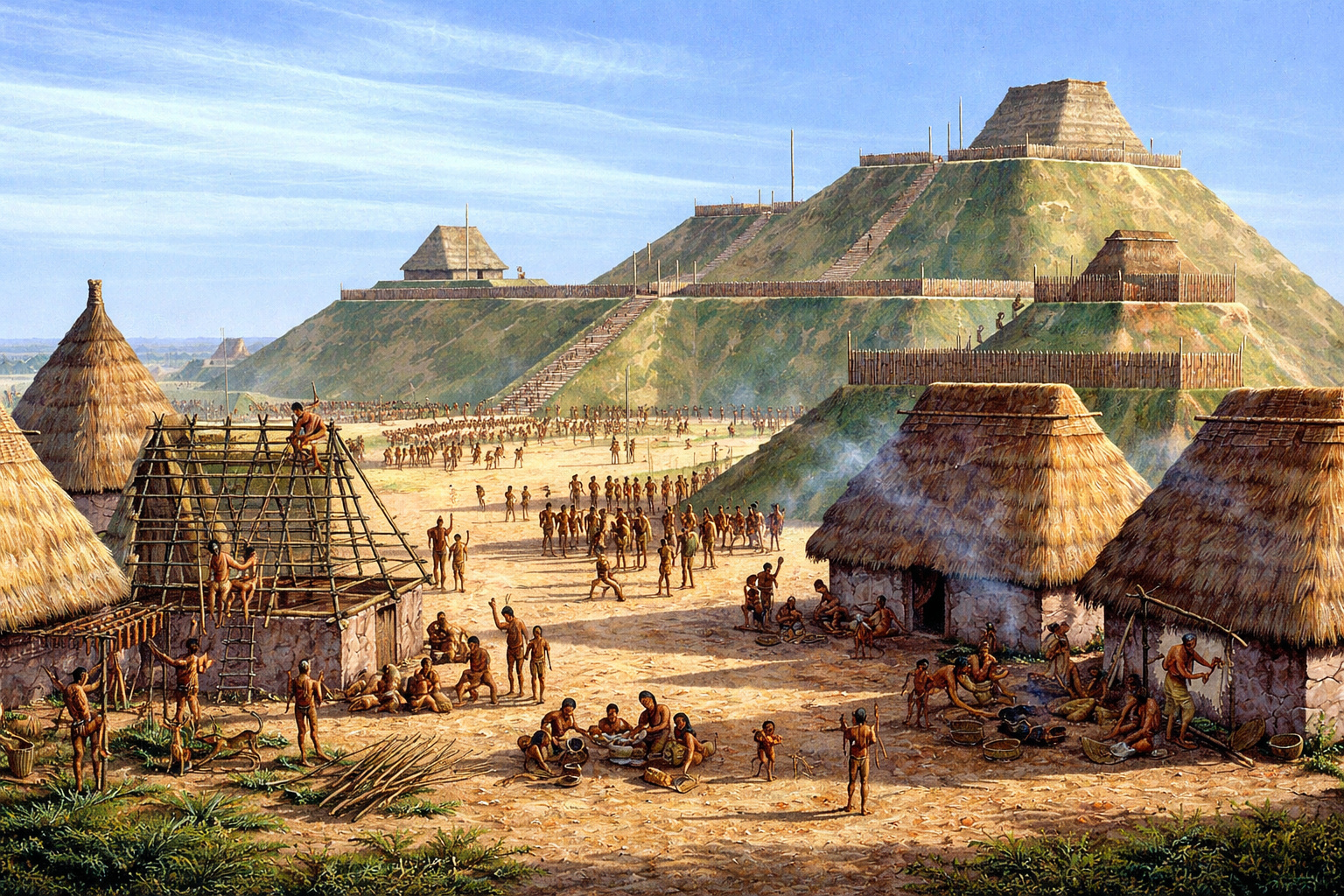
With over 14 million baskets of earth moved, an ancient North American metropolis built a monumental pyramid of 30 meters and established a city with 20,000 inhabitants nearly a thousand years ago.
-
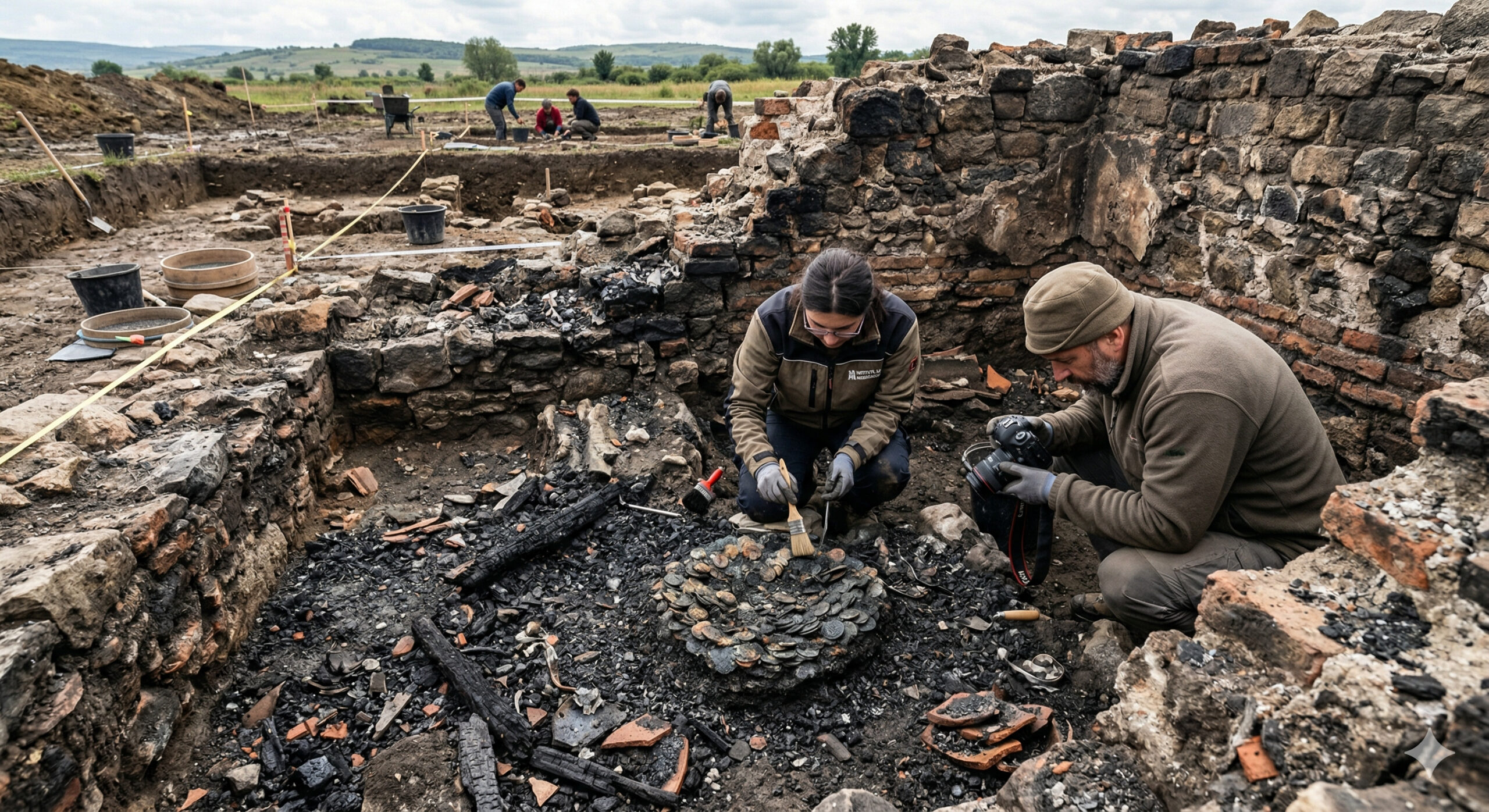
A 1,900-year-old treasure emerges from a Roman house destroyed by fire and sealed since antiquity in Romania, with coins and metals fused among the ashes.
-
The Brazilian colonial city that stopped in time and shares territory with a rocket launch base.

-
79-year-old woman challenges limits, visits 193 countries in the world after 56 years of planning and reveals the behind-the-scenes of a global journey that few have managed to accomplish.


Right in the heart of the land of big tech, self-driving cars, and the fastest internet, the Amish continue to farm, sew, and trade traditionally. Time seems to move at a different pace. Visitors often feel as if they have traveled decades into the past.
At the same time, this way of life raises uncomfortable questions for those who are constantly connected.
Does the technology that facilitates so much also come at the cost of anxiety, loneliness, and the breakdown of community ties?
Who Are The Amish And Where Do They Live Today


The Amish are descendants of a Christian movement that arose in Europe in the seventeenth century. The group migrated to North America in search of religious freedom and found refuge primarily in Pennsylvania.
According to the Encyclopaedia Britannica, the branch known as Old Order Amish is the most traditional and the best known to the public.
Today, it is estimated that about three hundred ninety-five thousand Amish people live in the United States. They are concentrated in rural areas of states like Pennsylvania, Ohio, and Indiana, where large tracts of land have been organized into agricultural communities. According to a recent report from the Washington Post, this population continues to grow thanks to large families.
Although they may seem isolated, the Amish do not live completely cut off from the outside world. Many sell cheese, furniture, crafts, and sweets to visitors and tourists.
Regions like the so-called Amish Country in Pennsylvania and Ohio are now popular destinations for those wishing to experience this way of life up close.
Why Does This Community Reject Cars, Cell Phones, And Internet
Contrary to what many believe, the Amish do not reject technology out of pure suffering or a desire to fall behind.
According to researchers from the Amish Studies project, linked to Elizabethtown College, the general rule is to avoid any innovation that weakens the community, encourages individualism, or increases dependence on the outside world.
For this reason, public electricity, private cars, television, and computers are viewed with great suspicion.
The logic is simple. If every young person can buy a car, they move away from neighbors and family. If the house is filled with screens, communal time around the table disappears. Cell phones and social media are considered direct threats to the control of information within the community.
Manual Labor, Large Family, And Faith As The Center Of Life
In practice, Amish life revolves around three pillars: intense manual labor, large families, and religion present in all decisions. According to the Encyclopaedia Britannica, many live on dairy farms, cornfields, and small workshops, where everything is designed to ensure self-sufficiency.
Men typically work in agriculture, construction, and woodworking. Women dedicate themselves to the home, gardens, and sewing simple, dark clothing, always without flashy patterns. Children start helping early with daily tasks. The idea is that everyone has a clear role for the good of the community.
School also follows this logic of simplicity. Most Amish children study in one-room schools, with only a few years of formal education.
According to the public broadcaster PBS, many communities end schooling around the eighth grade, believing that basic knowledge is sufficient for life in the countryside and for the Christian faith they profess.
Religion is at the center of the rules regarding clothing, marriage, and behavior. Baptisms, worship services, and important decisions always involve local religious leaders.
Young people go through a period of choice called rumspringa, when some have wider contact with the outside world before deciding whether to be baptized and remain in the community.
Despite the rigid aspect, this lifestyle also leads to curious health outcomes. Research cited by the Washington Post shows that Amish children have much lower rates of allergies and asthma than the average in the United States. Scientists associate this data with intense contact with rural environments filled with microorganisms from birth.
Tourism, Cultural Shocks, And Criticisms Of Amish Life
The contrast between Amish life and that of skyscraper America has become a tourist attraction for decades. Today, buses full of visitors travel rural roads observing horse-drawn buggies, simple clothing, and the absence of electrical wires in homes. Official tourism websites sell the experience as a time travel, complete with homemade meals and farm tours.
This exposure, however, raises various criticisms. Some view mass tourism as a kind of human zoo, turning a religious community into a photographic backdrop. There are also reports that the rigidity of the rules may conceal cases of sexism, extreme control over women and youth, and difficulty reporting abuses. Part of these issues rarely appears in tourist brochures.
For the Brazilian public, accustomed to living with technology even in rural areas, the Amish lifestyle evokes mixed feelings.
On one hand, the idea of a simple life, with less consumption and more family time, is appealing. On the other hand, it is strange to see children without access to the internet, higher education, or freedom to choose their own futures outside the community.
And for you, is this way of life a sign of backwardness or of courage in defending one’s own values? Do you think Brazil should rethink its relationship with cell phones, social media, and excessive consumption in light of the Amish example? Leave your opinion in the comments and tell us if you could, or could not, live in a community with almost no technology.







-

-

7 pessoas reagiram a isso.