





 Portuguese
  English
  Spanish
  5 min of reading
  0 comments


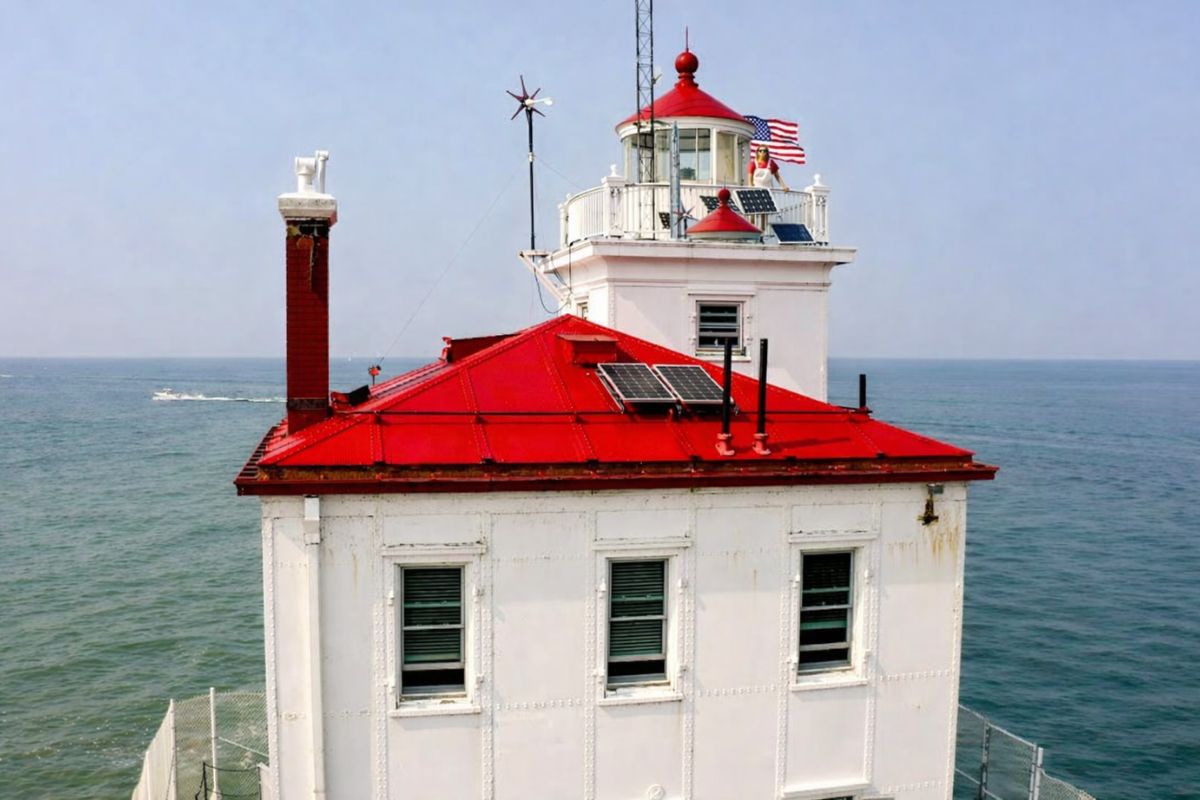
On the Shores of Ohio, a Lighthouse Was Acquired by 65-Year-Old Sheila Consaul for US$ 71,000, Required Over US$ 300,000 in Renovations and Imposed a Harsh Routine: Carrying Water, Food, and Gasoline on Foot, Maintaining a Self-Sufficient and Historically Preserved Life in a Unique Coastal Property.
The lighthouse of Fairport Harbor West, on the shores of Lake Erie in Fairport Harbor, Ohio, moved from being a forgotten property to becoming a summer residence for 65-year-old Sheila Consaul. The purchase was made at a federal auction for US$ 71,000, with a clear proposal: to unite seasonal living and historical preservation.
However, the decision brought a complete package of practical renunciations. Without car access to the door, no conventional water and sewage connection, and no traditional electrical grid, the routine began to require daily physical labor, technical planning, and ongoing investment to keep the property functional, safe, and habitable.
From Federal Auction to Personal Choice to Preserve a Heritage

Sheila lived in the outskirts of Washington, DC, in Ashburn, Virginia, and was looking for a cooler place for the summer. When she learned that the government was auctioning lighthouses, she saw an opportunity aligned with her own journey: she already had experience with historical preservation and renovation of old properties.
-
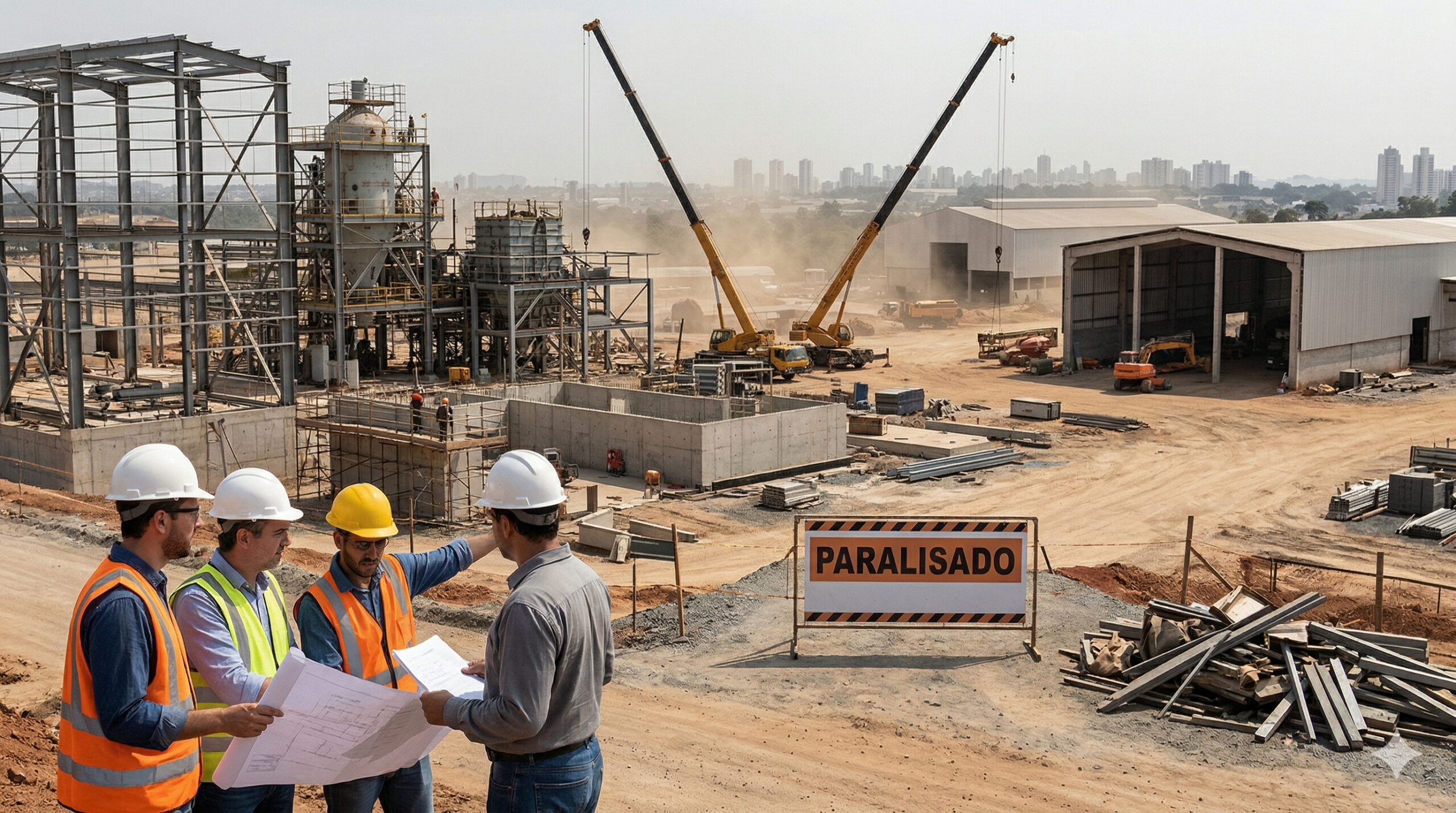
The lack of welders, electricians, and operators becomes a structural threat in 2025, with the construction industry and manufacturing already suffering from delays, cost pressures, and labor shortages in Brazil.
-
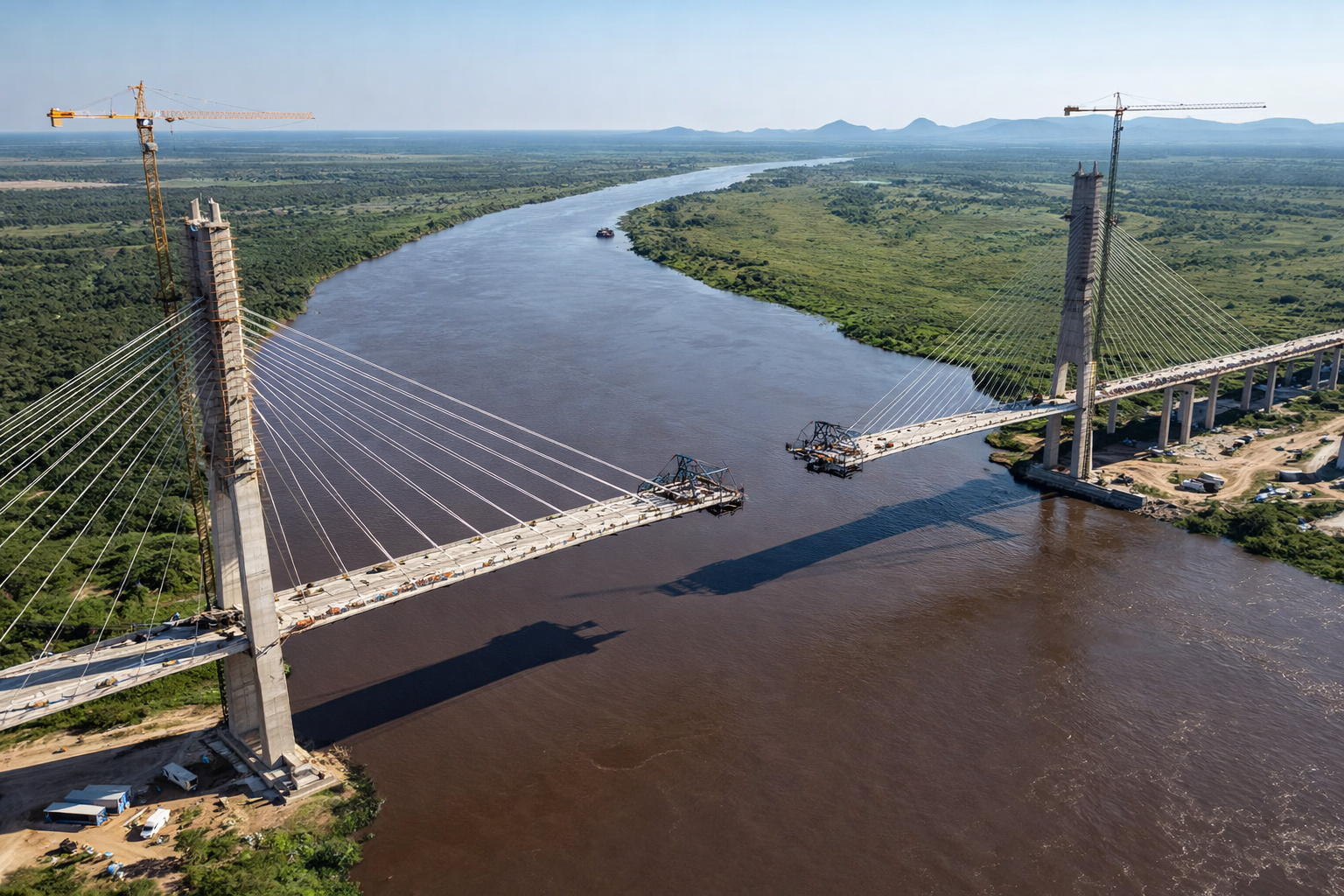
Brazil and Paraguay are just 46 meters away from a historic union on the bioceanic bridge that promises to revolutionize trade between the Atlantic and the Pacific.
-
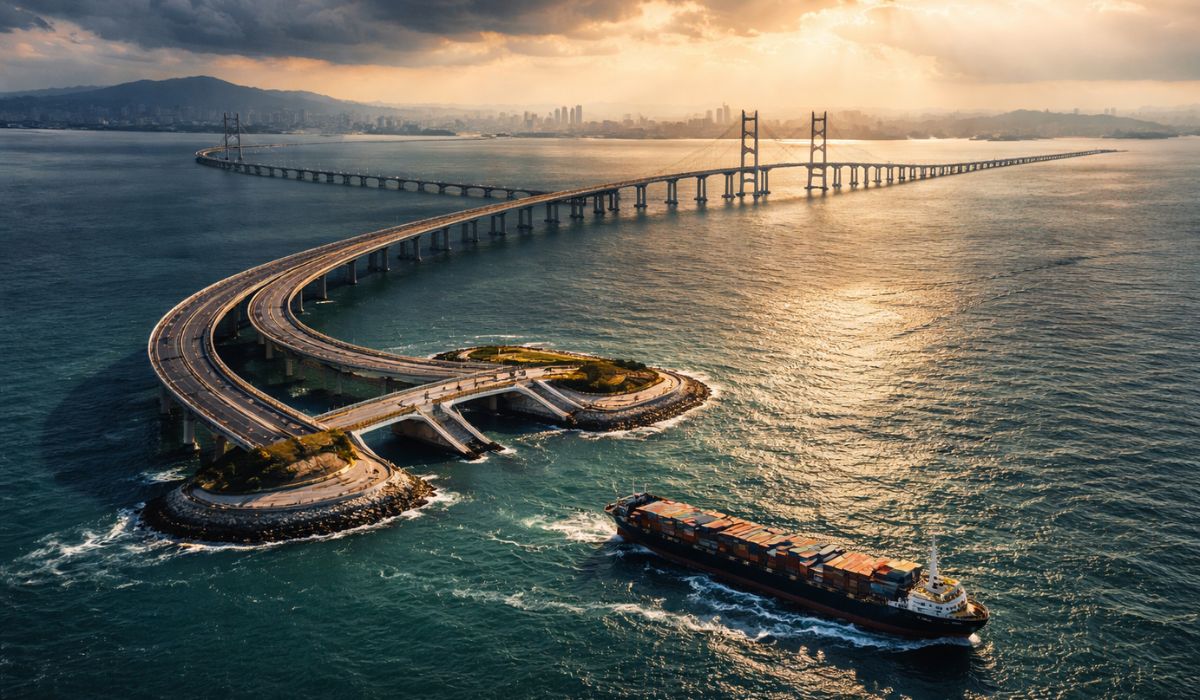
With 55 km over the sea, a cost of US$ 20 billion, and enough steel to build 60 Eiffel Towers, China’s largest project has connected Hong Kong, Zhuhai, and Macau in a colossal bridge that defies the logic of engineering.
-
A trick with joint compound transforms a Styrofoam ceiling into a plaster-like ceiling: leveled panels, wires and mesh at the joints, sand, paint, and change the environment while spending little today.

The purchase was not a common real estate impulse; it was a purposeful decision, connecting lifestyle and heritage conservation.

The initial scenario was critical: broken windows, compromised plaster, and multiple degraded systems. The property required structural and functional intervention practically on all fronts.
Instead of adapting the lighthouse to the standard of an urban house, the strategy was to respect the identity of the building while making it viable for summer residential use.
How Much It Cost to Transform the Lighthouse and Why the Work Exceeded the Initial Plan

The first big number was the acquisition: US$ 71,000. Then came the cost that truly defines the scale of the project: over US$ 300,000 in renovation.

The initial budget was around US$ 200,000, a figure that ended up being surpassed as technical demands and typical unforeseen events of an old structure emerged. As is the case with complex works, time and cost advanced beyond what was anticipated.
A significant part of the initial financing came from a home equity loan, used for purchase and initial interventions. Throughout the process, the resources were directed toward essential infrastructure: a complete kitchen, water treatment, total electrical renewal, plumbing redone, window restoration, wood restoration, and adaptation of indoor environments.
The result was a habitable property, but without erasing the operational challenges of a lighthouse in real operation.
The Weight of Logistics: 800 Meters on Foot, Without a Car and with Special Transport for Large Loads
The distance between parking and the property, about 800 meters, completely changes the logic of supply. Nothing arrives conveniently. Food, water, gas, and gasoline enter the lighthouse primarily through manual transport, over a sandy path, and under certain conditions, passing over the breakwater. What would be a simple routine in a regular house becomes a planned operation.
When the item is large, the land route becomes impractical. During the renovation, bulky items had to arrive by water, with a barge and crane, being hoisted over the fence and brought into the structure. This detail illustrates why the cost is not limited to materials and labor: in such a project, logistics is a central part of the engineering and the final accounting.
Without a Traditional Electrical Grid: Energy Self-Sufficiency and Practical Limits of Everyday Life
One of the major technical points of the renovation was the electrical work. The lighthouse is self-sufficient, and energy use depends on a generator, activated as needed.
Since the system runs on gasoline that also needs to be transported to the site, there is an ongoing effort to conserve usage. In the summer, generator fuel costs run into several hundred dollars. Energy, in this context, is not just a monthly bill; it’s physical effort and usage planning.
At the top, there is an attempt to increase alternative generation with solar panels and a wind turbine. This does not remove the challenges but signals a gradual transition to reduce reliance on the generator.
In remote properties, self-sufficiency is rarely absolute: it tends to be hybrid, built in layers, combining different sources according to climate, demand, and maintenance capability.
Water, Sanitation, and Internal Adaptation: How the Property Functions in Practice
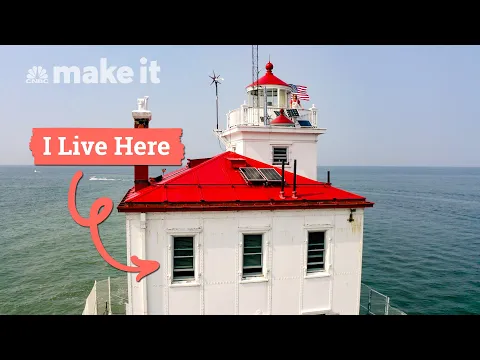

Without a connection to the water and sewage network, the water system was designed to operate with rainwater collection. The water goes to the original cistern, then it’s pumped and treated for internal use.
This model requires constant monitoring because storage, quality, and consumption need to remain balanced throughout the stay. Sustainability here is not just a discourse: it’s a daily procedure.
For sanitation, the solution adopted was a composting toilet. Internally, the lighthouse received adaptations that reconcile comfort and preservation: an equipped kitchen, living area, laundry/service space, restored bedrooms and bathrooms, in addition to the recovery of historical elements such as original floors and a cast iron staircase. The final result combines contemporary residential use with an architectural reading of the time.
Living Heritage: Public Rules, Active Nautical Function, and Community Connection
The purchase of a federal lighthouse involves certain conditions. In the case of Fairport Harbor West, the property is located in a state park area and on land linked to the Army Corps of Engineers, with lease rules and the possibility of future contractual renewal subject to a fee. This means that, even with residential use, there are institutional obligations and clear limits on what can be done.
Moreover, the lighthouse continues to provide an active aid to navigation: the light signal turns on at dusk, turns off at dawn, and receives ongoing maintenance from the Coast Guard.
This is not a fully private property in the traditional sense, because its public function remains. At the same time, Sheila strengthened local bonds with open house events since 2012, around the lighthouse’s anniversary on June 9, bringing preservation and community closer.
What This Story Reveals About Real Cost, Life Choice, and Personal Limit
The transformation of this lighthouse shows that “living in a unique place” can mean exchanging convenience for technical, physical, and financial responsibility.
The project combined historical preservation, adaptation engineering, and manual supply routines, with total investment significantly above the purchase price. It’s an equation that mixes dream, discipline, and resilience, without romanticizing the obstacles.
She has already stated that she might not repeat the experience with another lighthouse, precisely because of the size of the challenge. And this point summarizes well the dimension of the case: it was not just an expensive renovation; it was a complete change in lifestyle model.
If you had the chance to take over a historic property under similar conditions, would you agree to give up having a car at the door, conventional electrical grid, and comfortable routine to preserve this heritage, or would you set a clear limit right from the start?









-

-

-

-

-

-

26 pessoas reagiram a isso.