





 Portuguese
  English
  Spanish
  3 min of reading
  0 comments


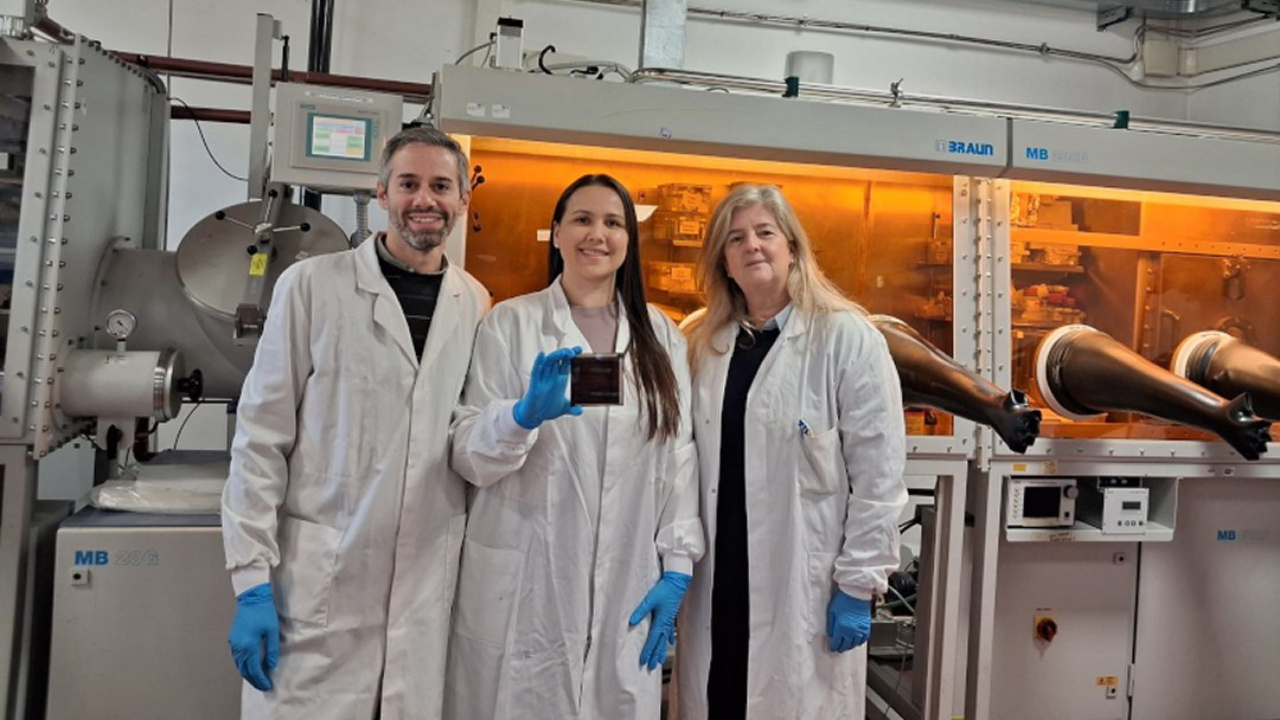
New Solar Cell Developed by Brazilian and Italian Researchers Generates Electricity with Artificial Light and Reignites the Debate on the Future of Clean Energy in Indoors.
A solar cell capable of generating electricity without directly depending on sunlight is changing the clean energy landscape.
Researchers from Brazil and Italy have developed a new generation of solar cells aimed at indoor environments, using common artificial light such as that from residential and commercial bulbs.
The technology relies on a semiconductor material different from traditional silicon. The central element is perovskite, produced in a lab and considered one of the greatest promises of modern photovoltaic energy.
-
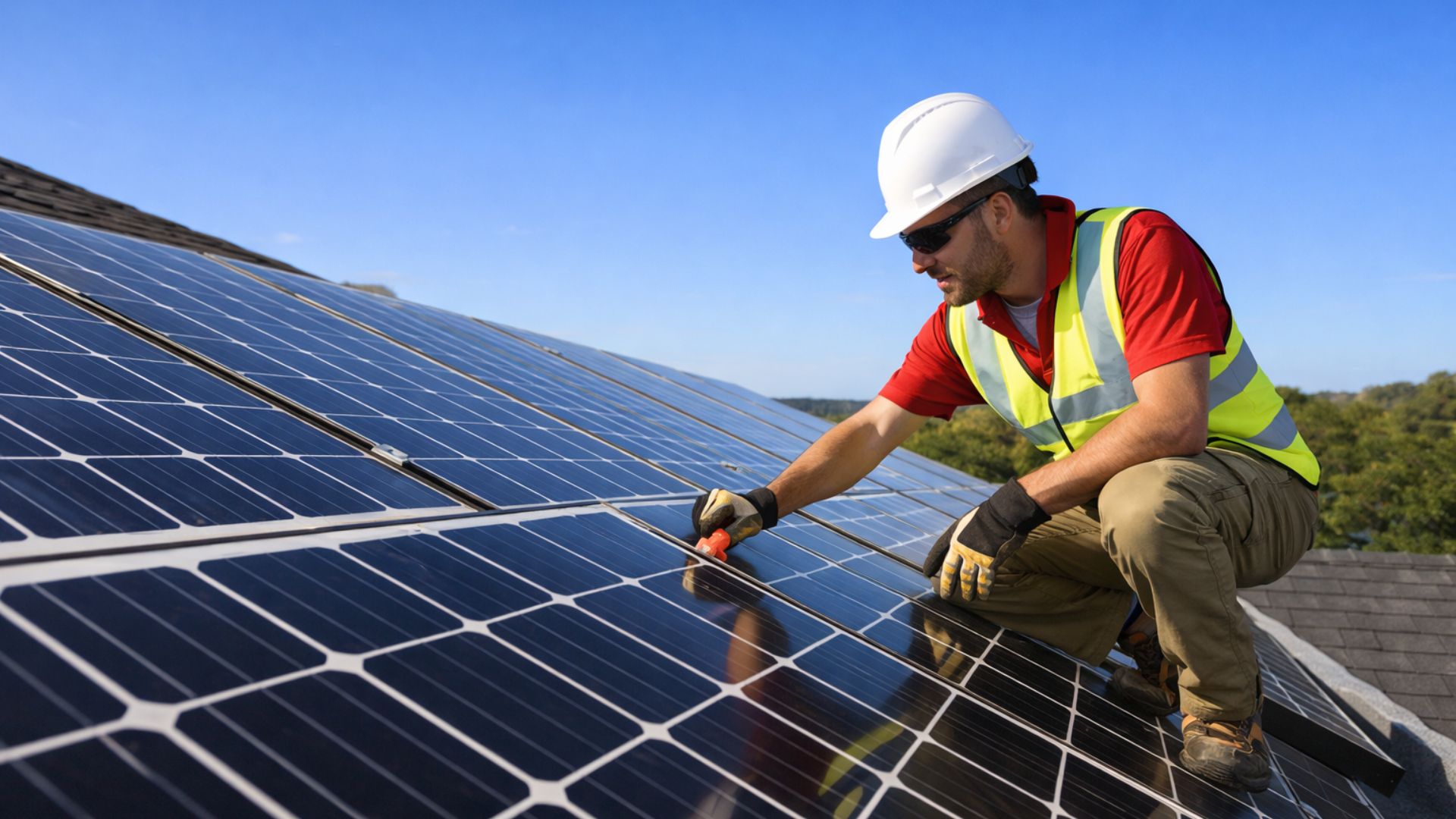
Seagri’s headquarters invests in solar energy with Neoenergia Coelba and promises to cut electricity costs, highlighting a strategic advance in sustainability and energy efficiency within state public administration.
-
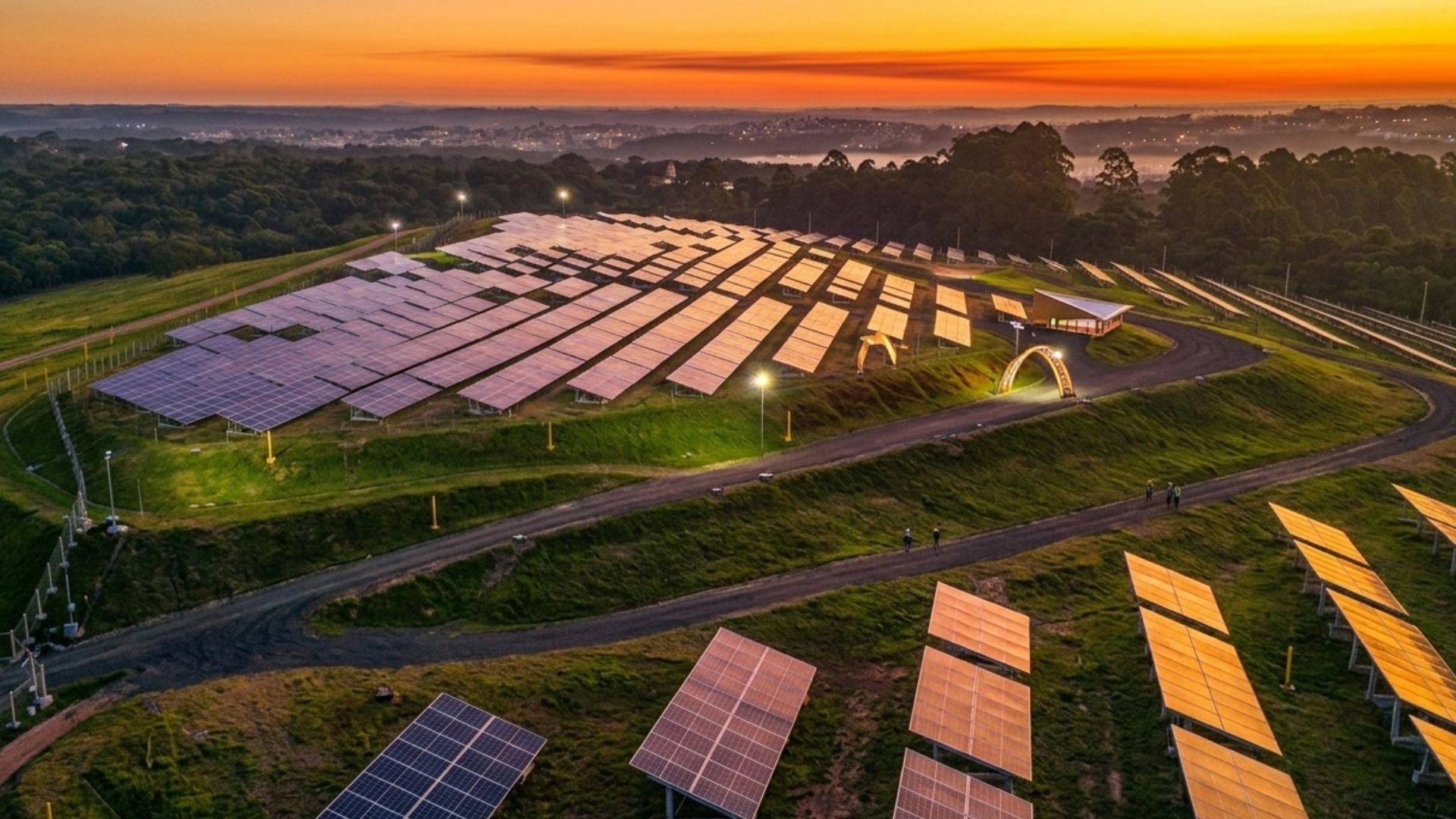
Solar Pyramid draws attention by converting solar energy into million-dollar savings and repositioning the City Hall of Curitiba as an example of innovation, sustainability, and intelligent use of public resources.
-
Europe records strong euro economy with solar energy in March and sparks curiosity about which country leads growth that redefines the energy market and reduces costs.

-
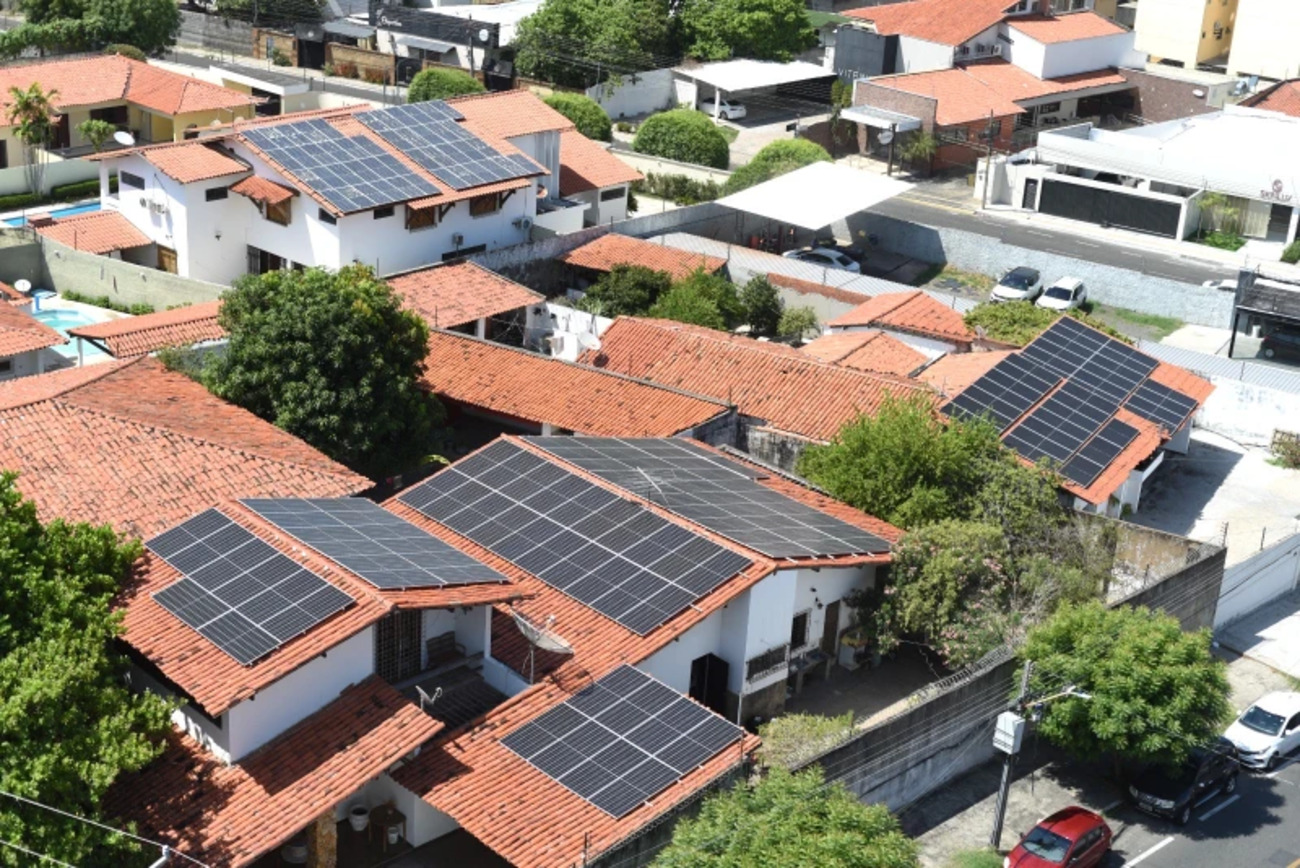
Piauí reaches a historic milestone in energy transition: State records nearly 160,000 households powered by solar energy and leads growth in the Northeast.

The advancement draws attention because it addresses one of the major limitations of conventional solar cells: the sharp drop in efficiency in low light conditions.
Artificial Light Becomes a Real Source of Electricity
The market for photovoltaic devices for indoors is seen as a sleeping giant. Sensors, remote controls, smart devices, and low-power industrial equipment still heavily rely on disposable batteries.
However, artificial lighting has always been insufficient to efficiently power these systems.
The new perovskite solar cells change this scenario. Tests show excellent performance under common levels of indoor lighting, such as 1,000, 500, and even 200 lux.
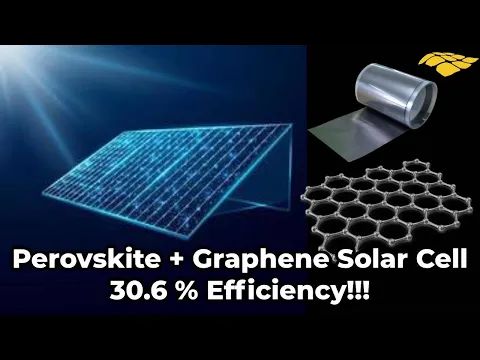

This opens the door for equipment that operates continuously, without frequent battery changes.
Innovative Treatment Improves Efficiency of the Solar Cell
The advancement was led by researchers from CINE (Center for Innovation in New Energies), in partnership with Italian institutions. The team created an innovative surface treatment for the main layer of the solar cell, composed of perovskite.
The process involves applying a ultrathin layer formed by a mixture of the organic salt PEAI (phenetylammonium iodide) with the additive DIO (1,8-diiodooctane). This combination spontaneously generates a two-dimensional perovskite over the three-dimensional base structure, reducing defects and improving the transport of electric charges.
Another noteworthy point is the simplicity of the process. The treatment occurs at room temperature, without the need for complex thermal steps, which reduces costs and facilitates large-scale production.
Small Panels and Immediate Applications
The technique has already been applied to cells of different sizes, including modules of up to 121 cm², formed by 15 cells connected in series.
In practice, it is a small solar panel designed specifically for indoor environments.
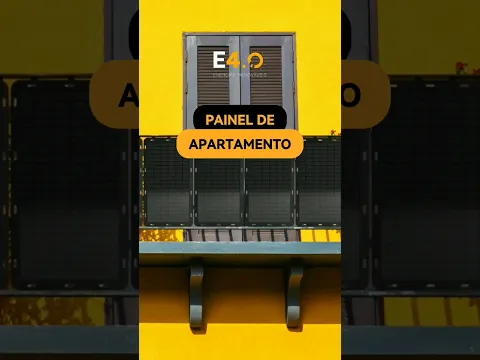
The tests reinforce the potential of the perovskite solar cell to power low-power electronics in homes, businesses, and industries, reducing waste and increasing the use of clean energy in enclosed spaces.
“The strategy developed shows strong competitive potential compared to other methodologies for producing perovskite solar cells and modules, especially due to its simplicity of manufacturing and low cost impact,” emphasized Francineide.
If a solar cell works even with artificial light, does it still make sense to depend on disposable batteries?









Seja o primeiro a reagir!