





 Portuguese
  English
  Spanish
  5 min of reading
  0 comments


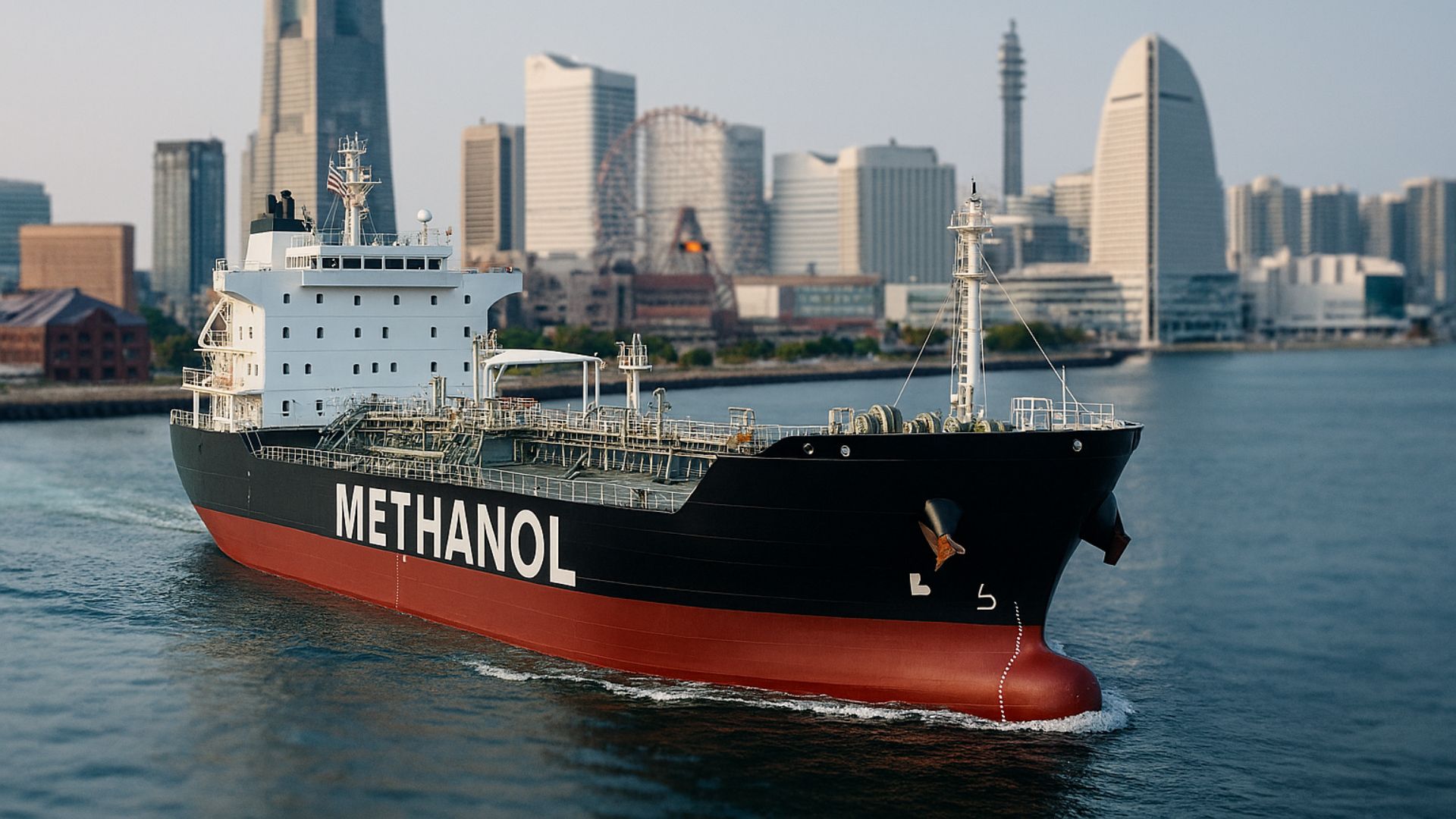
Yokohama Port Adopts Unprecedented Policy by Waiving Fees for Sustainable Vessels, Expanding the Use of Methanol and Biofuels, Strengthening Vehicle Logistics
On January 1, 2026, the Yokohama Port Authority announced the launch of one of Japan’s first official programs to incentivize vessels powered by methanol and biofuels, establishing a total waiver of port fees for this type of ship. This measure positions Yokohama Port as a key player in the energy transition of maritime transport and reinforces its global logistics relevance, especially in the automotive freight segment.
This initiative represents a milestone in Japanese port policy, aligning economic competitiveness, technological innovation, and environmental targets. Inspired by the model already adopted for liquefied natural gas (LNG) vessels, the program expands incentives for alternative fuels and creates concrete conditions to accelerate the decarbonization of the maritime sector.
Yokohama Port Leads Exemption and Fees Policy in Japanese Maritime Transport
Since the announcement, the decision has attracted international attention from shipowners, logistics operators, and automotive industry companies, by offering direct reduction of operating costs, regulatory predictability, and clear long-term signaling by Japanese authorities.
-
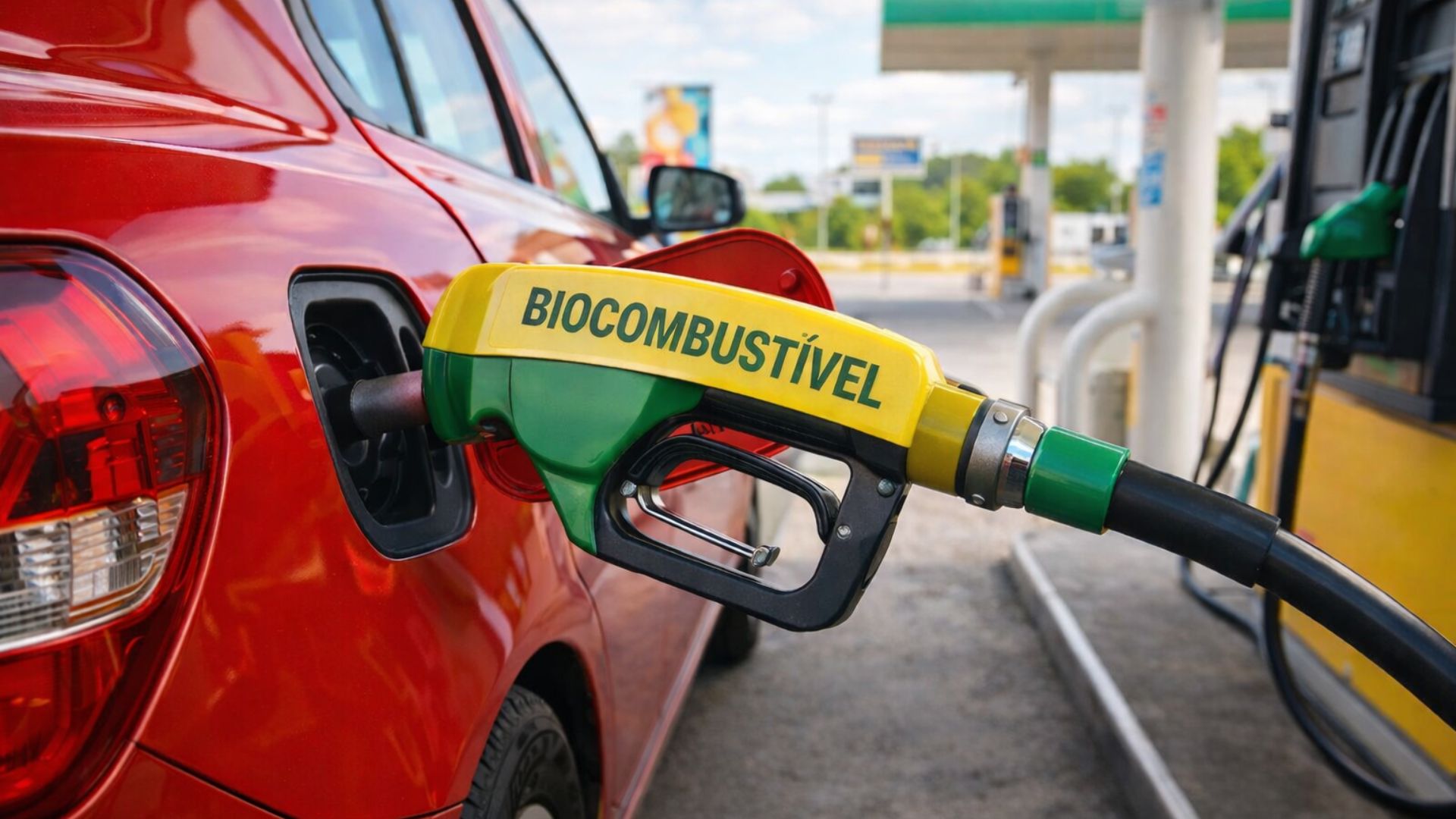
CNPE strengthens policy and prevents imported biodiesel from being mixed with diesel, aiming to strengthen the Brazilian industry and protect jobs by reducing external dependence amid tensions in the global market.
-
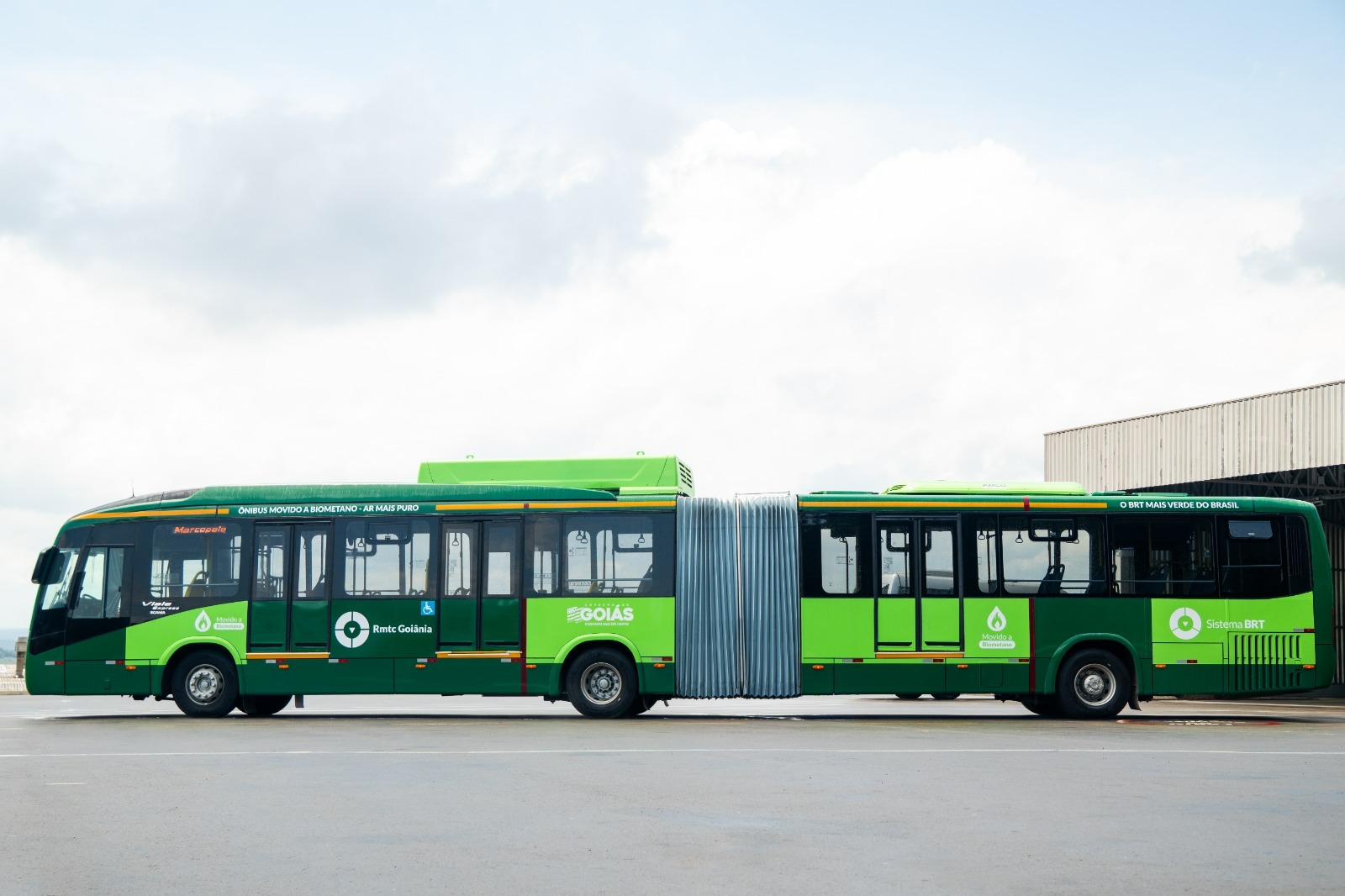
Revolution in public transport: Goiânia puts into circulation the first articulated buses powered by biomethane in Brazil and promises to drastically reduce pollution on the Anhanguera Corridor.
-
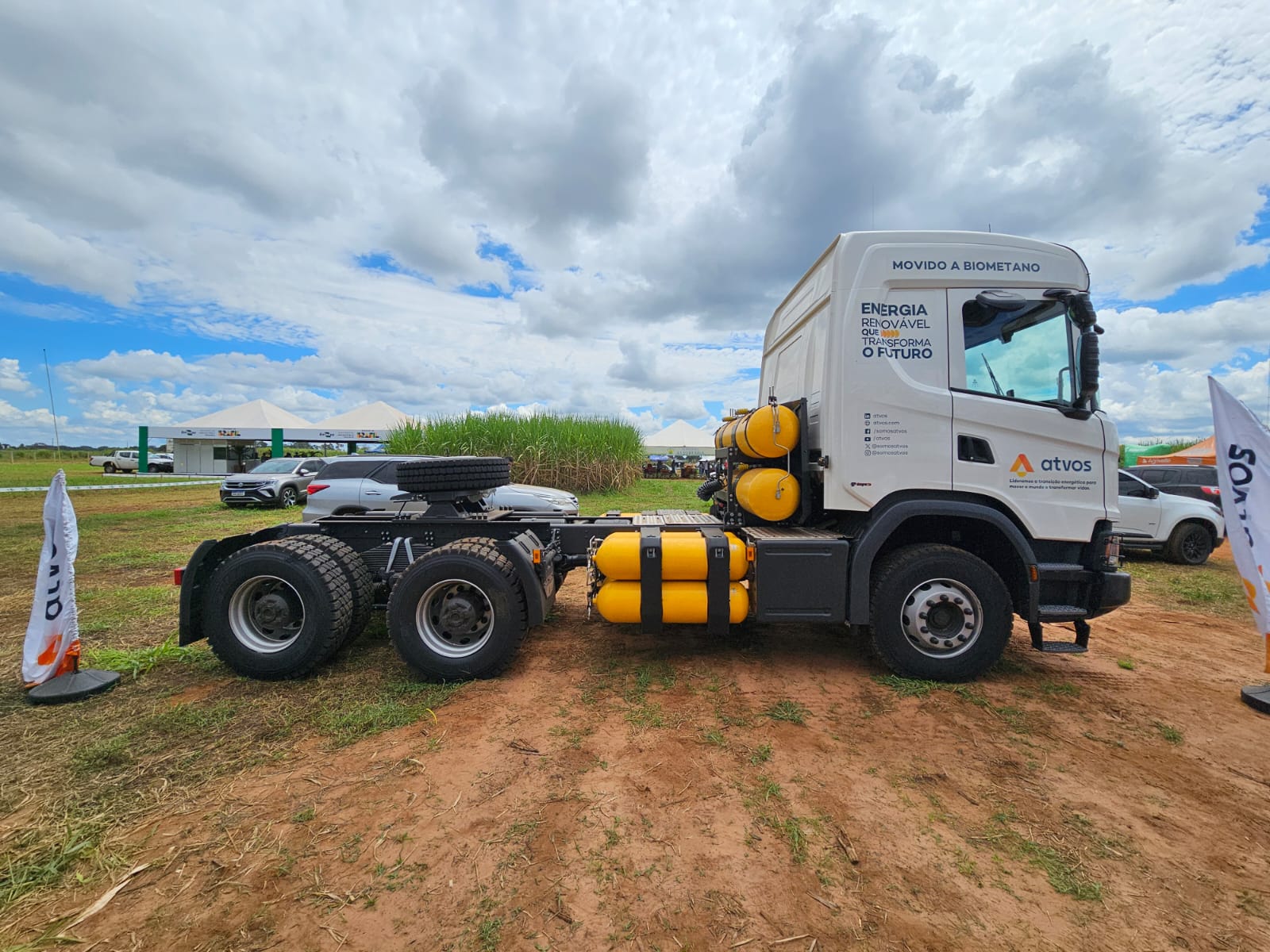
From the field to the pipelines: Mato Grosso do Sul accelerates the energy transition and consolidates a new axis in renewable energy with the arrival of a giant biogas plant.
-
The Economist states that Brazil has a “secret weapon” against expensive oil and highlights how the country can reduce economic impacts even in international scenarios of high volatility.


The Yokohama Port, the largest port complex in eastern Japan, has become the first in the country to grant waivers and zero fees for vessels powered by methanol and biofuels. The initiative is part of the International Container Port Strategic Policy, aimed at keeping the port competitive against major logistics hubs in Asia.
The waiver covers all port entry fees, significantly reducing scaling costs for shipowners operating with alternative fuels. In practice, this influences strategic decisions regarding routes, stops, and fleet investments, favoring the Japanese terminal.
Moreover, the policy strengthens the port’s positioning as an essential logistics platform for international trade, especially in a context of growing pressure for more sustainable solutions in maritime transport.
Incentive for Methanol Vessels Accelerates Global Energy Transition
Methanol vessels are gaining prominence as one of the main alternatives for reducing emissions in maritime transport. This fuel is considered strategic because it allows adaptations to existing engines and has the potential for production from renewable sources in the future.
The decision by Yokohama Port signals confidence in the viability of methanol, even in a market still in the consolidation process. The port authority reported that it is actively working to facilitate the supply of this fuel in Japan, recognizing that infrastructure is a critical factor for widespread adoption.
This is a structural movement, as the financial incentive is accompanied by technical, logistical, and regulatory planning, reducing uncertainties for shipowners who wish to operate with this type of fuel on Asian routes.
Biofuels are Already Operating at Yokohama Port with Institutional Support
In addition to methanol, biofuels are already part of the operational reality at the Japanese terminal. According to the Yokohama Port Authority, several shipping companies have already initiated supply operations with biofuels at the port.
This data reinforces the credibility of the announced policy, as it demonstrates that the incentive is not just a future promise, but a practice already underway. Biofuels are seen as a short- and medium-term solution for reducing emissions, especially in existing fleets that have not yet migrated to new propulsion systems. With the waiver and zero fees, Yokohama Port enhances the economic attractiveness of these operations, encouraging wider adoption and scaling.
Strategic Partnerships Enable the Supply of Methanol in Japan
The Yokohama city administration reported that it is conducting technical and logistical simulations with maritime transport and energy sector companies, including Maersk, Mitsubishi Gas Chemical, and Idemitsu. The aim is to securely and efficiently structure the supply of methanol in the country.
These partnerships highlight the alignment between the public and private sectors, which is considered essential for the success of alternative fuels in major ports. The participation of global shipowners reinforces the international relevance of this Japanese initiative.
At the same time, the involvement of national chemical and energy companies indicates a strategy for developing a domestic production chain, enhancing energy and logistical security.
Direct Impact of the Waiver and Fees on Automotive Freight Logistics
One of the central focuses of the new policy of Yokohama Port is to strengthen the movement of automotive freight. The port is recognized as the largest in eastern Japan in this segment, serving global manufacturers and exporters.
The reduction of port costs can have a direct impact on the competitiveness of the automotive supply chain, especially in a scenario of pressured margins and increasing demands for sustainability. By attracting vessels powered by alternative fuels, the port positions itself as a strategic partner for companies committed to environmental goals. Furthermore, the policy contributes to consolidating cleaner maritime routes, adding reputational value to export chains using the Japanese terminal.
Yokohama Port as a Global Reference in Sustainable Port Policy
With the adoption of waivers and zero fees, Yokohama Port joins the group of international ports that use direct economic incentives to accelerate the decarbonization of maritime transport.
The Japanese initiative engages with global trends, such as green corridors and large-scale adoption of alternative fuels. Although each port has its peculiarities, the Yokohama model is likely to be closely observed by port authorities and public policy makers in other countries. This movement reinforces the role of ports as active agents in the energy transition, going beyond the traditional function of logistics infrastructure.
Strategic Relevance of Methanol and Biofuel Vessels in Global Trade
The decision to incentivize methanol vessels and biofuels demonstrates that well-structured public policies can accelerate profound transformations in the maritime sector. By reducing economic barriers, Yokohama Port creates real incentives capable of influencing investment decisions and fleet planning.
This type of approach tends to generate quicker and measurable results, especially in a sector highly sensitive to operational costs and regulatory predictability. The Japanese case reinforces the idea that sustainability and competitiveness can go hand in hand when integrated strategically.
A New Paradigm for Ports Seeking Competitiveness and Innovation
The announced policy consolidates Yokohama Port as a reference in port innovation and energy transition. The waiver and fees for methanol and biofuel vessels, combined with a focus on automotive freight and strategic partnerships, reveals a clear long-term vision for the role of ports in international trade.
More than a one-time incentive, this represents a structural change, with the potential to influence maritime routes, regulatory standards, and investment decisions on a global scale. For shipowners, logistics operators, and public policy makers, the example of Yokohama showcases how to align economic efficiency, sustainability, and logistical leadership in an increasingly competitive global landscape.







Seja o primeiro a reagir!