





 Portuguese
  English
  Spanish
  2 min of reading
  0 comments


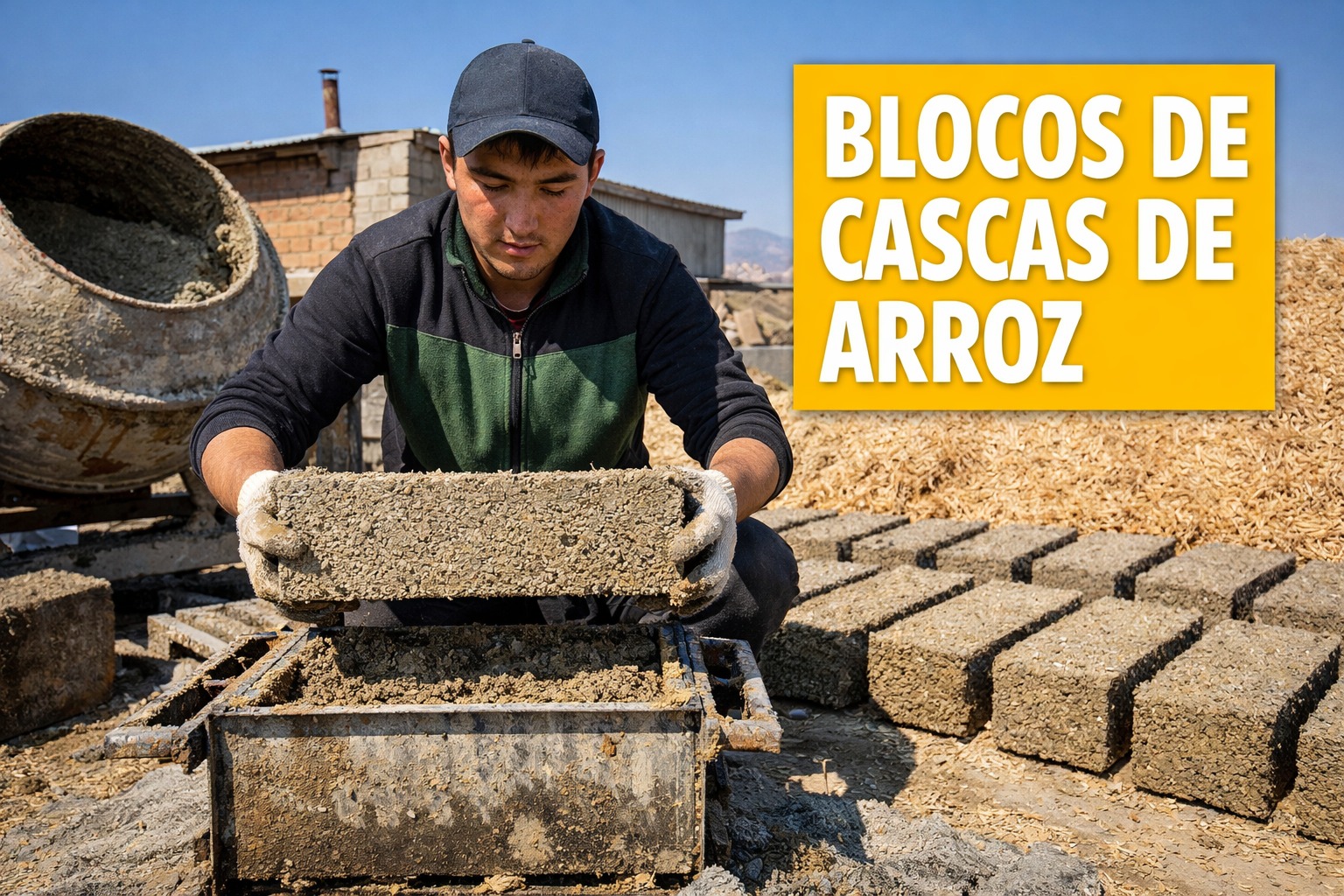
In Batken, Residents Adopt Blocks Made with 60% of Rice Husk, Technology of Nursultan Taabaldyev, Which Combines Sustainability, Resistance and Thermal Comfort, Making Houses More Accessible and Ecological Durable
In southern Kyrgyzstan, a local initiative is reshaping the relationship between sustainability and housing. In Batken, a region responsible for about one-third of the country’s rice production, waste that was once discarded or burned has ceased to symbolize pollution and has become construction raw material.
Waste That Turns Into Structure
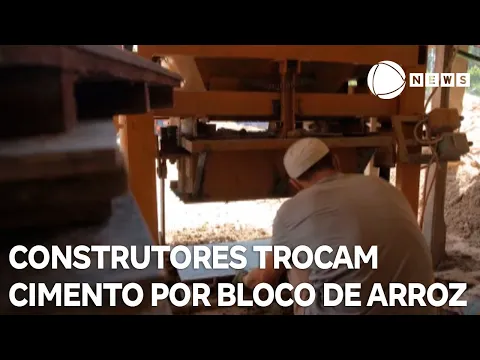
Entrepreneur Nursultan Taabaldyev, 27, began producing blocks using rice husks mixed with clay, cement, and a chemical-free adhesive.
The result is a material composed of approximately 60% husk, while the rest includes the other elements of the formula.
-
Embrapa’s discovery reveals an unexpected advancement by allowing the production of seedlings from the caatinga using brackish water, opening a new frontier for farmers to face drought more efficiently.
-
6 sources of free fertilizer that you are throwing away every day and can transform your garden without spending anything.
-
With a water crisis on the radar, Sabesp invests in reclaimed water for data centers and transforms sewage treatment into a solution that saves millions of liters and protects public supply.

-
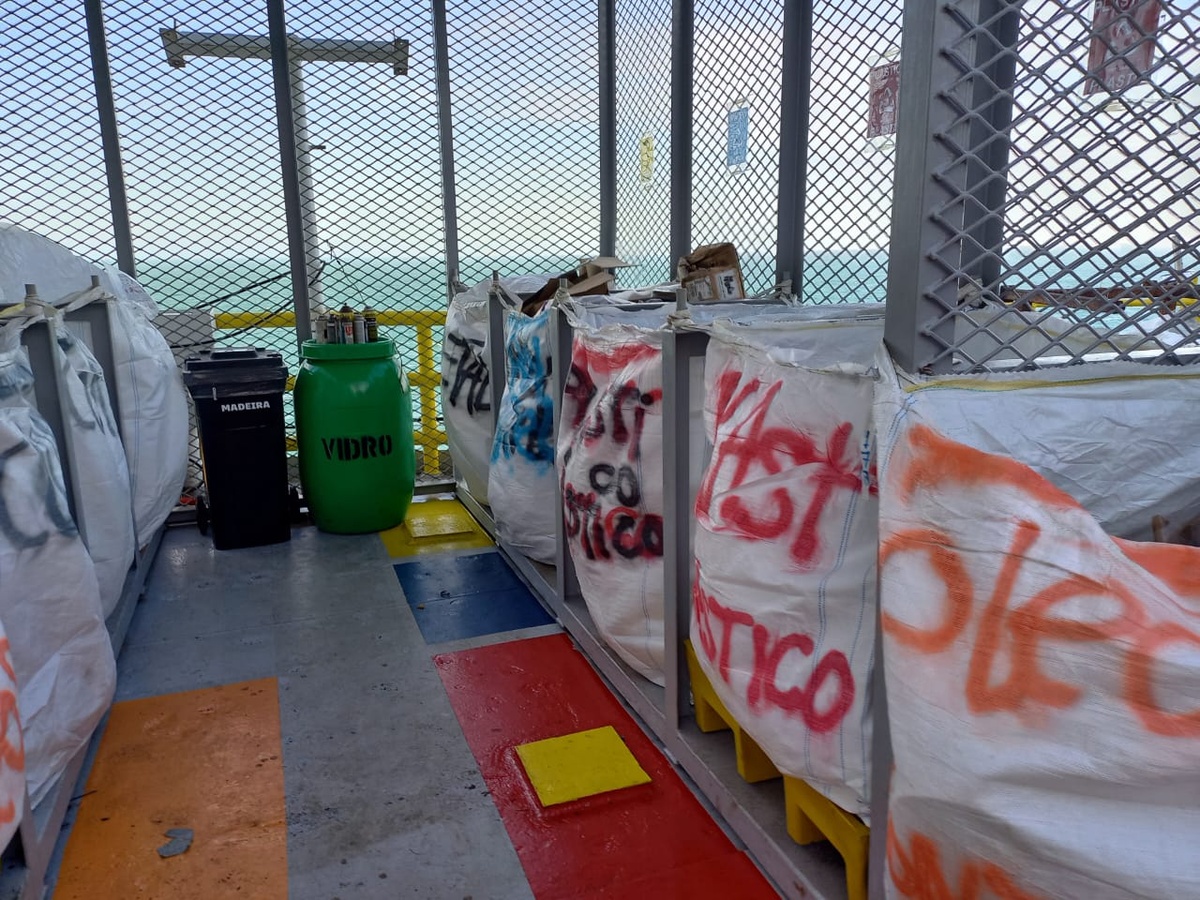
Foresea achieves 100% offshore waste reuse in 2025, eliminates landfill disposal, and consolidates sustainable strategy with 1,500 tons recycled.

Once dried, the blocks acquire resistance comparable to that of traditional cement, a characteristic attributed to the silica naturally present in the husk of the grain.
The proposal arose as a direct response to a persistent environmental problem. The burning of agricultural waste generated pollution and increased the risk of fires in the fields.
By transforming this waste into an input, the project began to operate simultaneously on two fronts: reducing environmental impacts and offering a more accessible housing solution.

Popularity and Thermal Comfort
The technology quickly gained traction among residents of Kyzyl-Kiya and neighboring areas. In addition to the reduced cost, thermal efficiency became one of the main attractions.
Houses built with the blocks remain warm in the winter and cool in the summer, an effect linked to the low thermal conductivity of rice.
In five years, Taabaldyev has supplied material for about 300 houses. The journey so far included an initial phase with sawdust, which was later replaced by rice husk blocks.
Today, they are seen as a more economical alternative to concrete and conventional bricks in the region.
The social impact is significant. In a country where the average monthly salary is around US$ 230, the reduction in construction costs expands access to housing and reinforces more sustainable practices.
For many families, what was once waste has come to represent opportunity.
Residents report that, in addition to cost savings, the houses help reduce agricultural waste and the environmental damage associated with burning.
The local experience suggests that simple solutions, when aligned with community needs, can generate structural changes.
Still in an expansion phase, the initiative continues to attract interest by uniting innovation, economic viability, and environmental benefits.
With information from R7.








Seja o primeiro a reagir!