





 Portuguese
  English
  Spanish
  5 min of reading
  0 comments


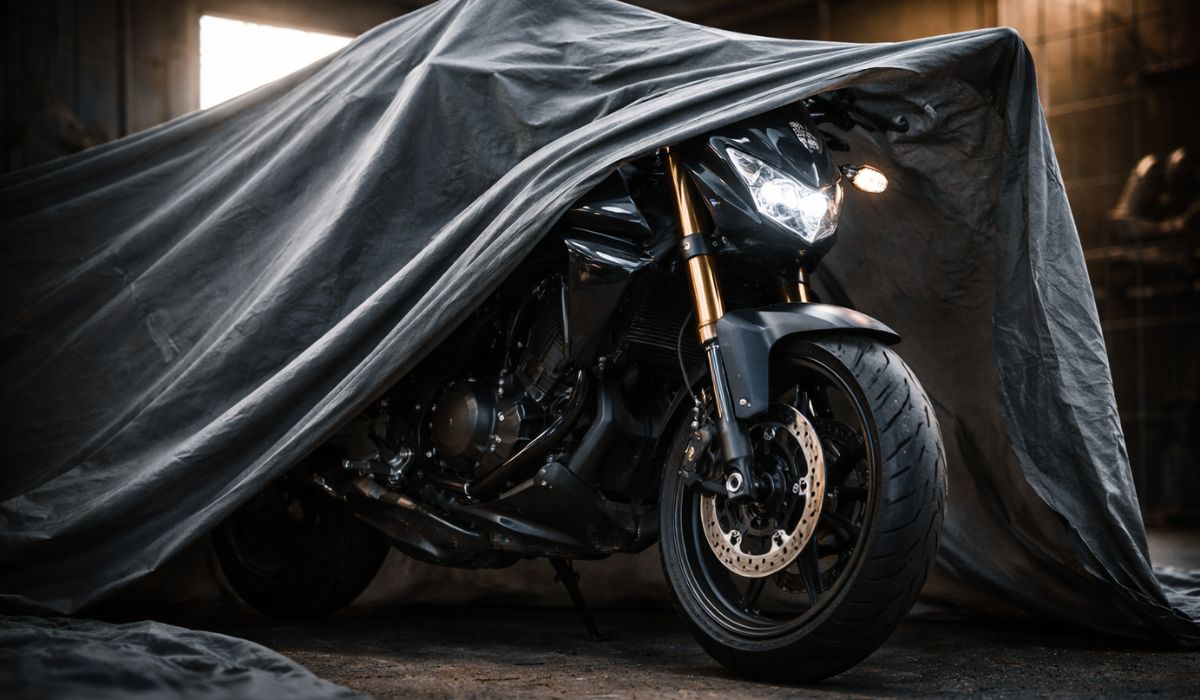
The Yamaha Fazer 250 remains one of the most remembered models in the category in Brazil, combining a 249 cc engine, good autonomy, and a constant presence in the new and used market over different generations.
The Yamaha Fazer 250, now sold as FZ25 in the Brazilian market, continues to be one of the most well-known medium displacement motorcycles in the country.
Over the years, the model has established itself through the combination of 249 cc engine, versatile proposal, and maintenance already known to a large part of the market.
Autonomy is also often mentioned among the points most associated with the motorcycle, although this result varies according to usage and riding style.
-
Man finds over 200 rare cars abandoned on a lot and tries to do the impossible in 8 hours with a surprise at the end.

-
An irregular parking case gains attention after a Mercedes Classe A was removed in such a strange way that it even raised doubts about damage to the car.

-
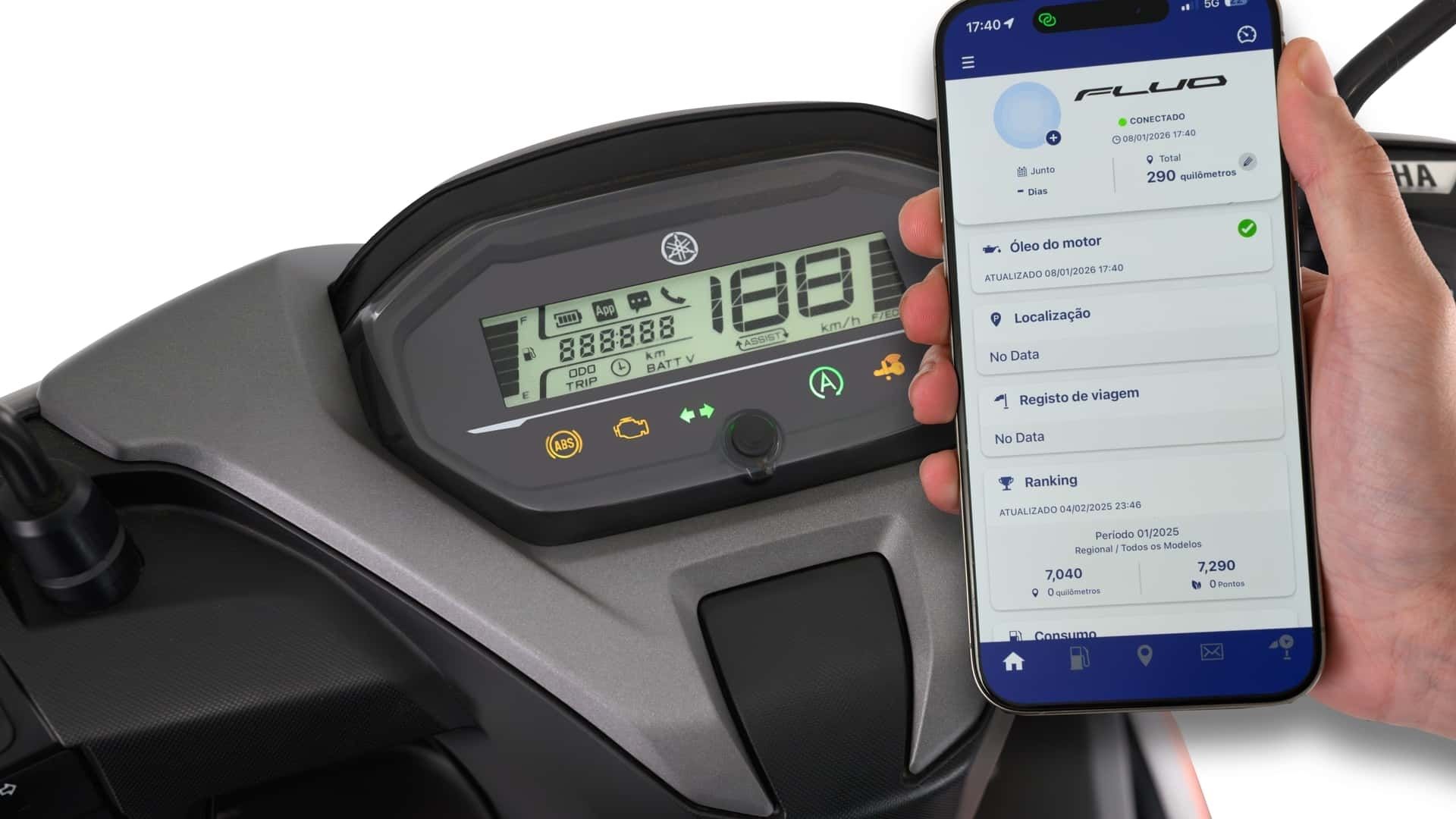
Costing R$ 16,000, the new Yamaha features a 125 cc hybrid engine with electric assistance, delivers 8.3 hp, includes ABS, optimized fuel consumption, Y-Connect connectivity, 25 liters of storage space, and a surprising 4-year warranty in the urban segment.
-
OMODA & JAECOO grows in Europe in 2026 with an integrated strategy of sales, innovation, local production, and technological advancement in the United Kingdom, Italy, and Spain.

According to the latest data released by Yamaha, the FZ25 Connected has a 14.2-liter tank.
In previous versions of the line, however, there are records of 14 liters.
It is a small difference, but important not to treat all generations as if they were exactly the same.
What helps explain the fame of the Fazer 250
Part of the Fazer 250’s journey in Brazil is due to the mechanical set chosen by Yamaha.
The motorcycle uses a single-cylinder, four-stroke engine with a single overhead cam and two valves.
In the manufacturer’s specifications, the current model also maintains electronic fuel injection and air cooling with oil support, a formula that has accompanied the line for years.
In practice, this simpler set from a construction point of view helps explain why the motorcycle remains in circulation easily in both the new and used markets.
On resale platforms, for example, it is common to find units from different years and with varying mileages.

In addition to the project itself, durability is also linked to routine care.
Yamaha provides for periodic revisions and regular inspections, which directly influences the preservation of the set over time.
Therefore, the motorcycle’s lifespan depends on a combination of design, maintenance, and usage history.
High autonomy, but no fixed result for all cases
The possibility of traveling long distances on a single tank is one of the most cited points when the Fazer 250 comes up in conversation.
The calculation of 560 kilometers with a 14-liter tank requires an average close to 40 km/l, something that can occur under specific conditions, such as constant riding and moderate accelerations.
This number, however, does not appear as a standardized official figure from Yamaha for all usage situations.
Therefore, the range should be treated as a theoretical estimate, and not as a guaranteed result in any scenario.
In everyday use, consumption changes according to factors such as traffic, terrain, weight carried, tire pressure, and riding style.
Still, the Fazer 250 maintains a consumption history compatible with the category’s proposal.
In the city, the tendency is for greater fluctuation due to accelerations, braking, and sections of heavy traffic.
On the highway, the consistency of the RPM usually favors higher averages, as long as the speed remains within a regular range.
Disc brakes on both wheels and changes between versions
The braking system has also undergone changes over the generations.
In the current versions of the FZ25, Yamaha reports disc brakes on both wheels with ABS as standard.
This detail is important because not all phases of the line can be described in the same way.
That is, when talking about the Fazer 250, it is necessary to observe the year and configuration of each model.
In the most recent versions, the set includes front and rear discs, in addition to the anti-lock system.

According to the manufacturer, the ABS works to reduce the possibility of wheel lock during more intense braking or on low-traction surfaces.
This does not eliminate the influence of track conditions, maintenance, or riding style, but it is part of the safety package of the current configurations.
Other numbers help to situate the motorcycle’s proposal.
The seat height is around 795 mm, while the weight in running order is in the range of 150 kg, according to Yamaha’s specifications.
In the engine, the latest specifications indicate a power of up to 21.5 hp at 8,000 rpm with ethanol in the FZ25.
In previous years, the data is close, with slight variations according to the line’s updates and the fuel used.
The used market keeps the motorcycle in the spotlight
The Fazer 250 is also still present in the used market.
Resale platforms gather units from different phases of the line, with variations in price, mileage, and year of manufacture.
This volume facilitates the comparison between older and newer models, including changes in finish, safety items, and tank capacity.
When evaluating a used unit, however, the name of the motorcycle is not enough.
The history of revisions, the condition of the chain, the functioning of the brakes, the wear of the tires, the condition of the suspension, and signs of severe use help more in the real assessment of the vehicle.
In models of this displacement range, the difference between a well-maintained unit and one without proper maintenance usually becomes apparent early.
The availability of parts and the manufacturer’s support structure in the country also count.
The presence of Yamaha in the Brazilian market and the prolonged circulation of the line help in the replacement of components and in service at specialized workshops.
This contributes to keeping the Fazer 250 in the spotlight in the used market, although each unit needs to be analyzed individually.
Revisions and care make a difference in daily use
In the manuals and service channels, Yamaha informs about periodic inspections every 5,000 km or 6 months.
The manufacturer also advises the initial oil change at 1,000 km, with subsequent intervals every 5,000 km.
This schedule serves as a basic reference for preventive maintenance.
Among the points that require attention are lubrication and adjustment of the chain, checking the brakes, monitoring the suspension, and proper tire pressure.
These are cares that interfere with consumption, stability, and wear of parts.
In a motorcycle aimed at both daily use and longer trips, the regularity of these checks weighs on the functioning of the set.
With a 249 cc engine, disc brakes on both wheels, and tank capacity that varies by generation, the Fazer 250 has traversed different phases of the Brazilian market while maintaining a versatile usage proposal.
At the same time, items such as ABS, declared power, and reservoir capacity have changed between versions, which requires attention when comparing models from different years.
In practice, understanding these differences helps explain why the line continues to attract attention in the medium displacement segment.






Seja o primeiro a reagir!