





 Portuguese
  English
  Spanish
  5 min of reading
  10 comments


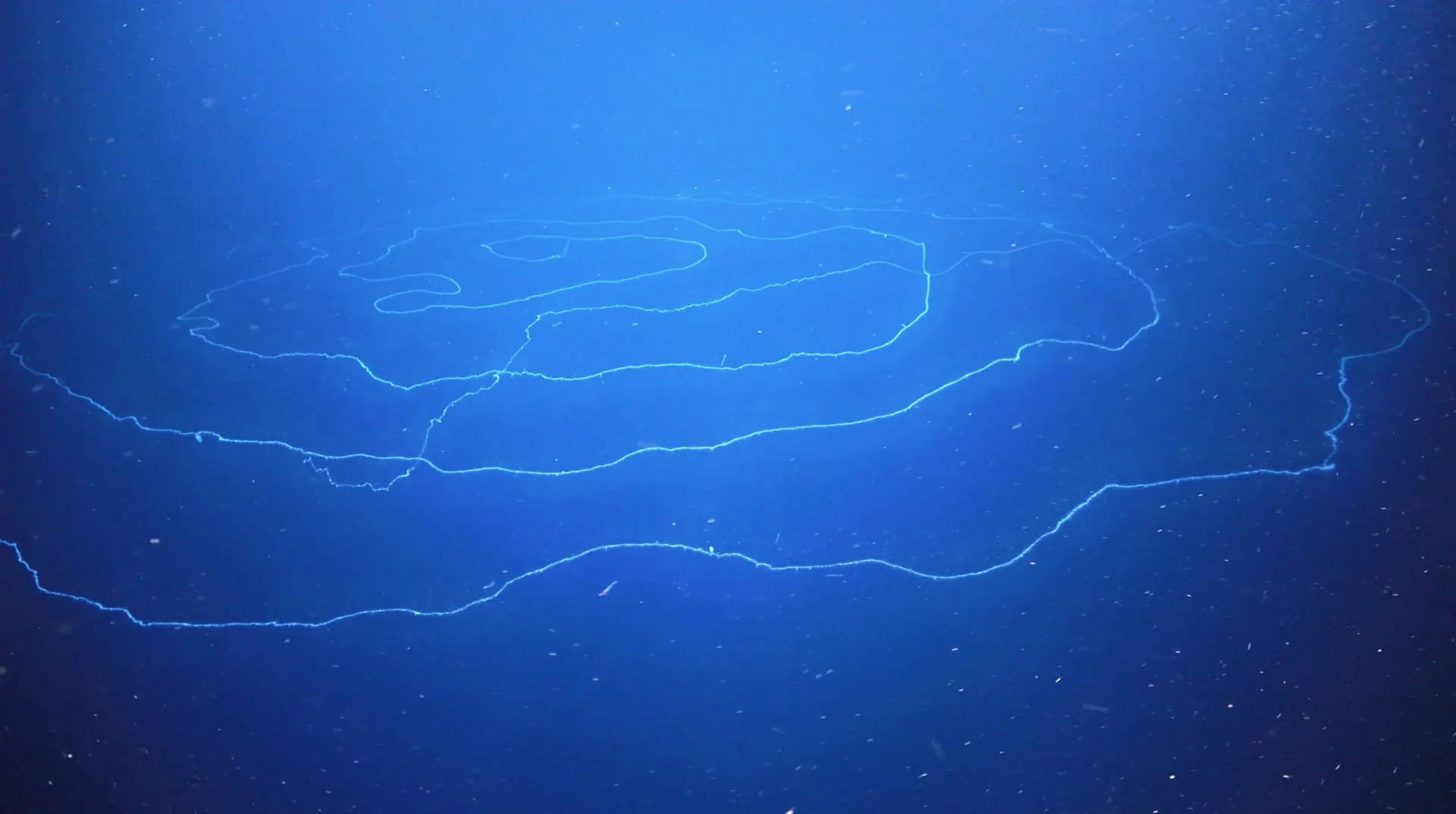


Researchers Film Giant Siphonophore At 6,000 Meters Deep And Reignite Debate About Size Limits And Biological Organization In The Deep Sea.
Few people know, but some of the largest creatures on Earth are not whales or giant squids, but colonial gelatinous organisms living in one of the most inhospitable environments on the planet: the ocean depths. In scientific expeditions conducted with remotely operated vehicles (ROVs), researchers have recorded organisms that stretched for dozens of meters, floating like luminous and nearly translucent ribbons. Among them are siphonophores, a group of cnidarians related to jellyfish and Portuguese man o’ war, that have intrigued marine biologists since the 19th century.
The most impressive case occurred during dives in deep areas of the Pacific, when cameras attached to submersibles controlled by scientists recorded the presence of a siphonophore measuring nearly 15 meters in length. The scene resembled a gel-like ribbon, extremely long and delicate, suspended in the dark and cold water. This record is not isolated: over the past two decades, advanced technologies have allowed the capture of even larger organisms, some with estimates nearing or exceeding 40 meters, although these numbers include spiraled structures that are difficult to measure accurately.
The Abyssal Zone, The ROVs, And The Context Of The Discovery
When we talk about depths above 5,000 meters, we are entering the so-called abyssal zone, where pressure exceeds 500 atmospheres and sunlight does not reach. Temperatures close to 2 °C, lack of light, and scarcity of food create a hostile environment for life.
-
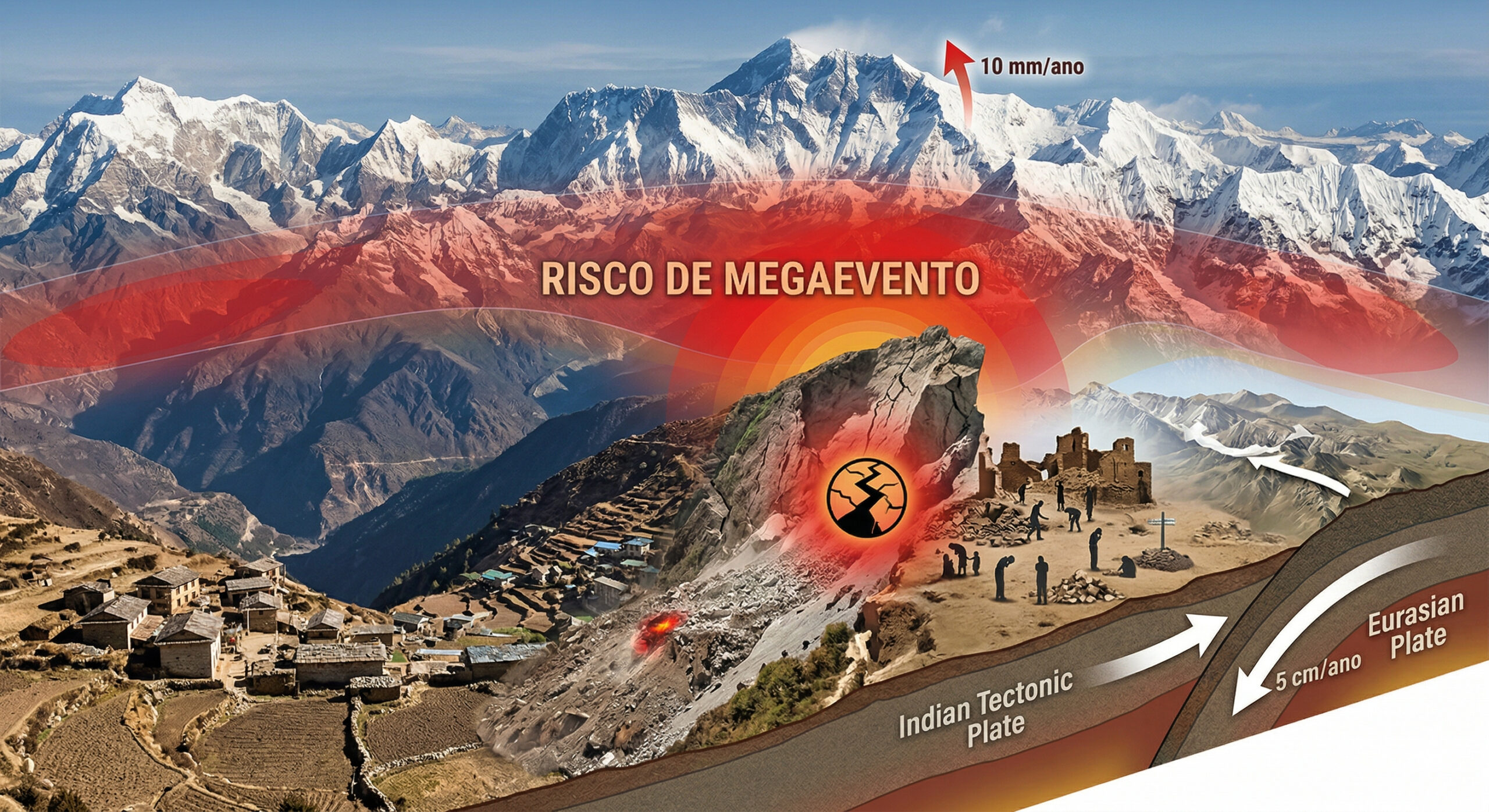
The Himalayas continue to grow to this day, with tectonic plates advancing 5 cm per year, mountains rising up to 10 mm annually, and the 2015 earthquake that killed 9,000 people may have increased the risk of an even larger seismic mega-event.
-
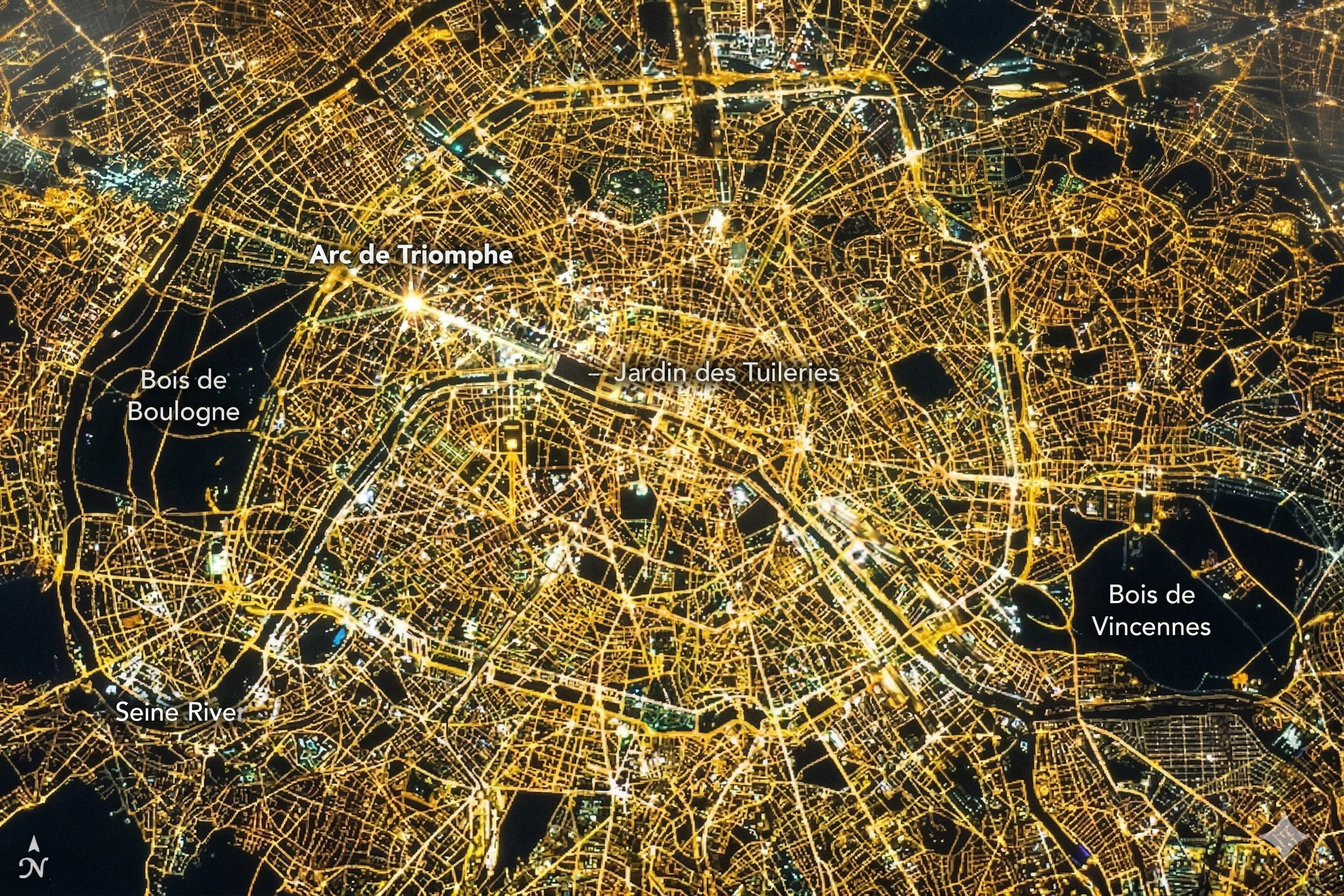
At an altitude of 400 km by astronauts from the International Space Station, Paris transforms at night into a golden mesh so precise that it reveals the outline of the Seine River, avenues, and entire neighborhoods like a luminous map drawn over the Earth.
-
iPhone 17 reaches historic low price with 256 GB, 120 Hz display, and drops to R$ 5,703 on Shopee, featuring A19 chip, dual 48 MP cameras, battery life of up to 30 hours, and advanced AI features.

-
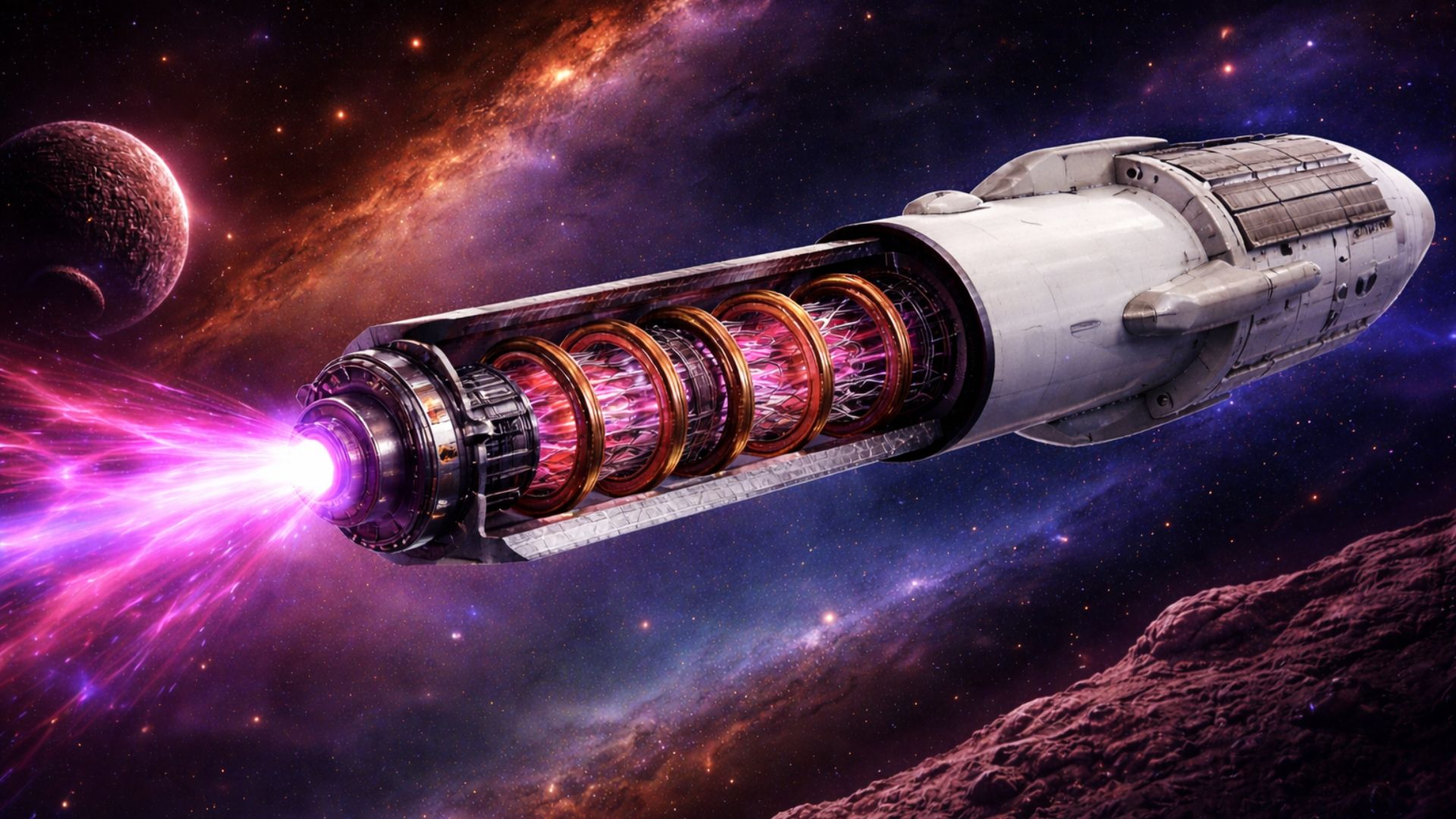
Trip to Mars getting closer: Pulsar Fusion, from the UK, advances with plasma ignition in fusion engine and could drastically reduce space travel time, making crewed missions faster, safer, and economically viable.

Before the popularization of ROVs and manned submersibles, this region was practically unknown, and science relied on trawl nets that destroyed fragile organisms during collection.
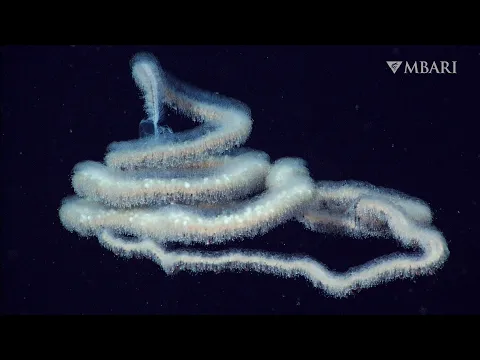

With initiatives from oceanic institutions in the U.S., Europe, and Australia, visual exploration has gained accuracy. Robots like those used by NOAA (National Oceanic And Atmospheric Administration) and centers like the Monterey Bay Aquarium Research Institute (MBARI) have filmed and documented living structures that would be impossible to recover intact.
It is in this context that giant siphonophores began to be filmed in their full integrity, revealing details of their anatomy in motion.
The video that showed the organism measuring nearly 15 meters caught attention not only for its size but for the fluidity with which it moved, almost like a veil being carried by invisible currents. No rigid-bodied animal could reach this length without collapsing under its own weight; nature solved this with a peculiar biological strategy.
What Are Siphonophores And Why Do Their Size Confound Biology
The point that intrigues scientists is the following: a siphonophore is not a “giant animal” in the traditional sense. It is a colony made up of hundreds or thousands of zooids, specialized biological units that function like separate organs but are genetically identical.
Each zooid performs a function: some capture prey with stinging tentacles, others provide locomotion with pulsating structures, while others are responsible for reproduction.
This organization is so integrated that to the observer, everything appears to be a single animal. In technical terms, it is an example of a highly specialized colonial organism, something rare in the animal kingdom. While ants and bees are colonies of individuals, the siphonophore is more like a body distributed over meters, where each segment performs an essential task.
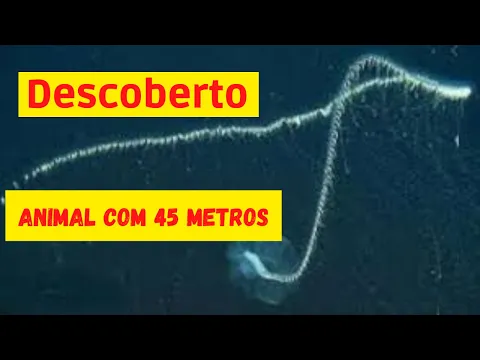
This strategy allows the entity to grow proportionally to the environment, achieving lengths far superior to those of unitary animals.
This “colonial gigantism” helps explain how a gelatinous creature can reach almost 15 meters, or even more in some records. Unlike whales and squids, which depend on musculature and bones, the siphonophore is supported by the water itself, utilizing buoyancy and the absence of rigid surfaces.
Feeding, Bioluminescence, And Hunting Strategies
Although fragile, siphonophores are efficient predators. Their prey includes microscopic crustaceans, small fish, and zooplankton. Some have bioluminescence, a chemical mechanism that produces light and can serve both to attract prey and confuse predators.
The part responsible for capturing is equipped with stinging cells called cnidocytes, similar to those found in jellyfish. Upon contact with a prey item, the siphonophore releases a chemical discharge that paralyzes the animal. The coordination among the zooids is so efficient that the prey is swiftly transported to the digestive segment, where it is processed.
Bioluminescence and exaggerated size raise evolutionary questions: how can a species dependent on scarce food sustain such long bodies? The answer may lie in the capture surface: the larger the organism, the greater the useful area to intercept the flow of particles and small prey in the water column. In deep ecology, this means optimizing every encounter with food.
Limits Of Animal Size And The Scientific Debate
The appearance of giant siphonophores has reignited the debate over physiological limits of marine life. On land, large animals must deal with gravity, mass distribution, and intense metabolisms. In the deep sea, physics changes: organisms can become long but not heavy.
This helps explain why some of the largest “animals” on the planet are, in fact, gelatinous structures with a density close to that of water.
This does not mean that the limit is infinite. There are chemical and energetic barriers: living tissues require nutrients, oxygen, or other molecules, and the deep ocean is poor in energy sources. That is why giant organisms are slow, not very muscular, and highly efficient.
The record of nearly 15 meters reinforces what scientists have been suggesting: in the deep sea, length is not the best indicator of complexity, but rather organization. A siphonophore can measure dozens of meters, but its biological “intelligence” is distributed, not concentrated.
What We Still Don’t Know And Why It Matters
Despite advancements, there are significant gaps. Among them:
- Accurate Size Estimates: organisms may be coiled, making measurements difficult.
- Geographical Distribution: we do not know precisely where the largest colonies live.
- Life Cycle: little is known about reproduction, growth, and longevity.
- Trophic Ecology: there is a lack of data on their role in deep food chains.
These gaps are expected: most of the deep ocean remains unexplored. According to widely accepted oceanic estimates, less than 20% of the seabed has been mapped with high resolution, and an even smaller fraction has been filmed with quality.
Giant siphonophores are not just curiosities. They show that the largest living organisms on the planet may be hidden under crushing pressure, extreme cold, and complete darkness, far from human reach. They also reveal that biodiversity is not limited to robust and muscular forms, but includes nearly invisible and extremely efficient strategies.
When images of a “string” of gelatin measuring nearly 15 meters appear on the screens of an ROV, it is not just another curious filming. It is a reminder that the deep ocean remains the largest unexplored territory on Earth and that life, even when it seems as fragile as a light ribbon, can still surprise biology.









Deve ser uma lombriga de ****
Que texto meus parabéns sério
Incrível mesmo…Ainda não sabemos nada!!!