





 Portuguese
  English
  Spanish
  4 min of reading
  1 comment


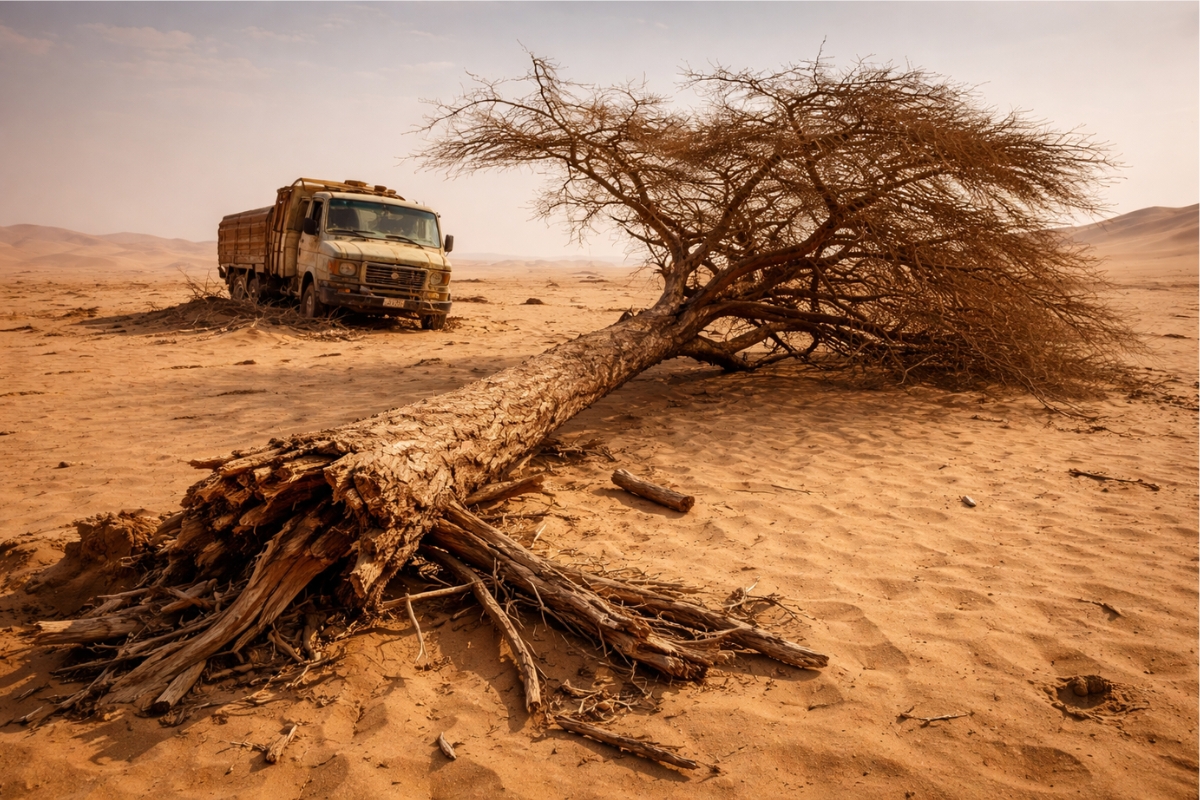


In The Heart Of Ténéré, An Acacia Became A Symbol Of Survival For Centuries, Until It Was Destroyed In 1973
The Lonely Tree of Ténéré became one of the most remarkable landmarks in the Sahara Desert. Against a backdrop of endless dunes, it survived for a long time, serving as a guide for those crossing the region.
What stands out is the ending. Despite being the only reference point for hundreds of kilometers, the acacia was hit by vehicles before finally falling in 1973, when a truck knocked it down.
In addition to the environmental and historical loss, the case illustrates how a natural symbol can withstand extremes for centuries yet still be eliminated by human accident.
-
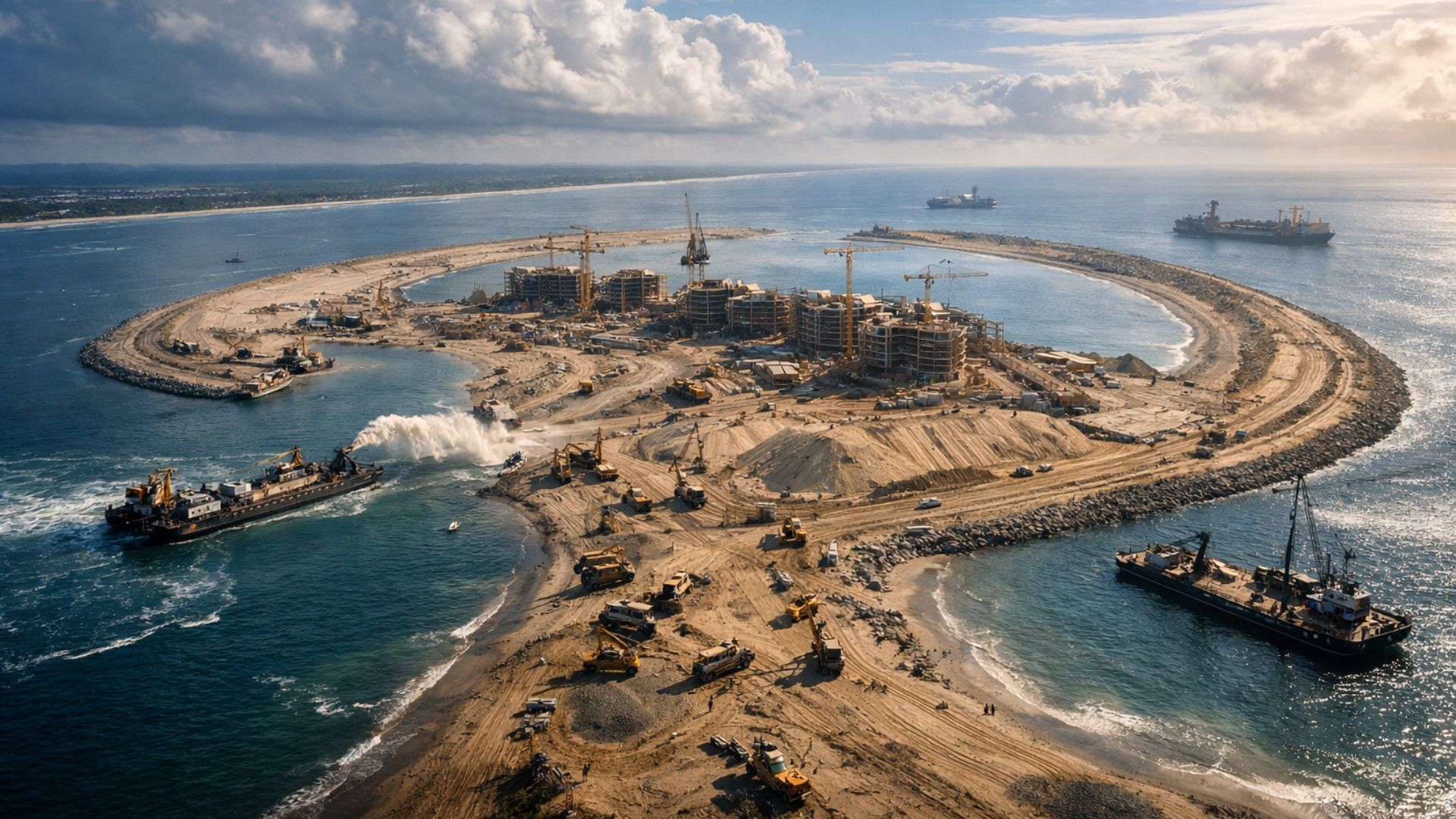
‘Artificial island of Dubai in Brazil’: construction of R$ 65 million inspired by a mega maritime structure, plans for complete urbanization, duplication of 2.2 km of a strategic road, and delivery in 2026, but is ultimately halted by Fepam.
-
The generation that grew up alone at home in the 80s reveals how an unsupervised childhood shaped adults with high adaptability, resilience, and emotional control, according to scientific studies that indicate a significant increase in tolerance for uncertainty.

-
Adolescents who regularly participate in household tasks develop up to 40% more sense of self-efficacy, according to studies in psychology, impacting autonomy, academic performance, emotional health, and the ability to cope with challenges in adulthood.

-
Children who played in the street without rules developed up to 5 essential emotional skills, such as resilience, self-control, and empathy, according to psychology, and may today have greater mental balance in the face of frustrations and challenges of adult life.

What Happened And Why It Got Attention
The Ténéré is located in the northeast of Niger and extends into areas of Chad and Libya. The very name refers to a barren land, with an extremely dry and hostile climate.
Even so, for centuries, caravans crossed this stretch of the Sahara. They connected North Africa to Sub-Saharan Africa, embarking on long and perilous journeys.
Along this route, a single tree stood out. It was an acacia of the species Vachellia tortilis, common in the Sahel, a transition zone between savannas and desert.

Why An Acacia Was Able To Survive In Such A Dry Place
The Sahara experiences dry and wetter cycles that last tens of thousands of years. The presence of the tree may have been a remnant of a wetter period when other trees existed around it.
Over time, the other acacias died. The lack of rain explains the loss of its companions, but this acacia remained standing.
In the 1930s, an excavation near the site found a water table just over 30 meters deep. The roots reached this water and ensured the necessary moisture for the plant.
How The Tree Became A Reference For Caravans And Travelers
The acacia began to serve as a reference for those crossing the desert. In a route of 800 km of sand and gravel, it was the most significant sign of life.
The nickname Lone Tree of Ténéré arose from the absence of other trees around. The idea of a living beacon in the middle of nowhere reinforced respect for the site.
There was also a legendary side. A report from 1957 mentioned the belief that a caravan traveler had died near the tree, with a spirit heard at night calling animals.
The Accidents That Changed The Destiny Of The Lonely Tree Of Ténéré
The tree was seen as an impossible point to ignore. Nevertheless, the first car accident occurred in the 1940s.
A driver crashed into one of the trunks; the tree had two, and knocked down that side. Later, he cut the affected trunk in an attempt to hide the damage.
Even injured, the acacia survived, now with only one trunk. It remained standing for a few more years, maintaining its importance as a reference in the desert.
The Fall In 1973 And The Doubts About The Exact Cause
In 1973, it came to an end. A truck driver collided with the tree and knocked it down permanently, ending the story of the most famous acacia of Ténéré.
There is uncertainty about the details of what happened. A record from 1974, recently discovered, pointed to the possibility that the tree was knocked down by a tornado.
Other information circulates, such as the idea that the driver was Libyan and was drunk, but these points are linked to sources from 1959, long before the supposed final accident, and they end up associated with the first crash.
What May Happen From Now On At The Site Where The Tree Existed
The tree died, and its remains were taken to the National Museum of Niger in Niamey. The spot where it stood now has a monument.
The landmark is a simple metal pole, but it maintains the practical function of indicating where the tree stood. A year after its death, the tree was remembered in a single postcard issued by the government of Niger.
The story holds a difficult-to-ignore irony. A solitary point in a radius of 400 km without anything around ended up being hit twice by automobiles.
The acacia faced for centuries the worst that nature could impose. In the end, it fell before a man and a vehicle, leaving only memory, preserved remains, and a landmark in the desert.






Que acidente incomum de acontecer em lugar tão inóspito