





 Portuguese
  English
  Spanish
  5 min of reading
  0 comments


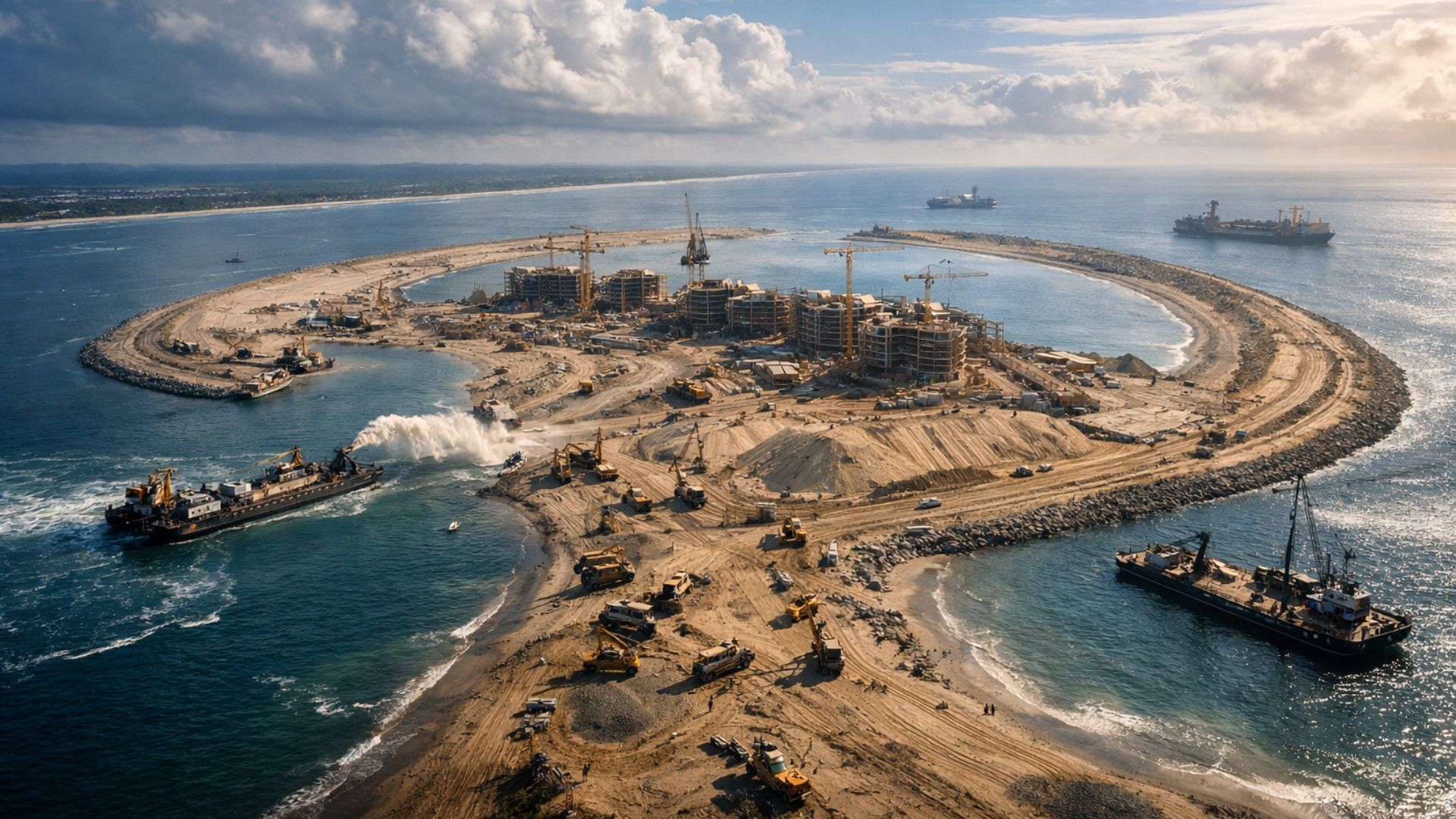
High-end real estate project on the Gaucho coast faces environmental impasse that halts licensing, impacts strategic roadwork, and puts billion-dollar timeline under pressure, while divergent versions between state agency, city hall, and developer increase uncertainties about the future of execution.
The works of Prime Beach Curumim, a high-end development planned for Terra de Areia, on the North Coast of Rio Grande do Sul, have entered the center of an environmental and administrative dispute after Fepam informed that the project is under embargo due to irregularities in the licensing conducted by the municipality.
With an estimated investment of R$ 65 million, the condominium was presented as inspired by Palm Jumeirah in Dubai, and according to the developer, it is still scheduled for delivery in November 2026.
The impasse does not currently fall on the urban design of the condominium itself, but on the authority responsible for authorizing the advancement of the work.
-
The five healthiest countries in the world have something in common that most people overlook; it’s not advanced medicine, it’s the balance between work and rest that is keeping their populations alive longer.

-
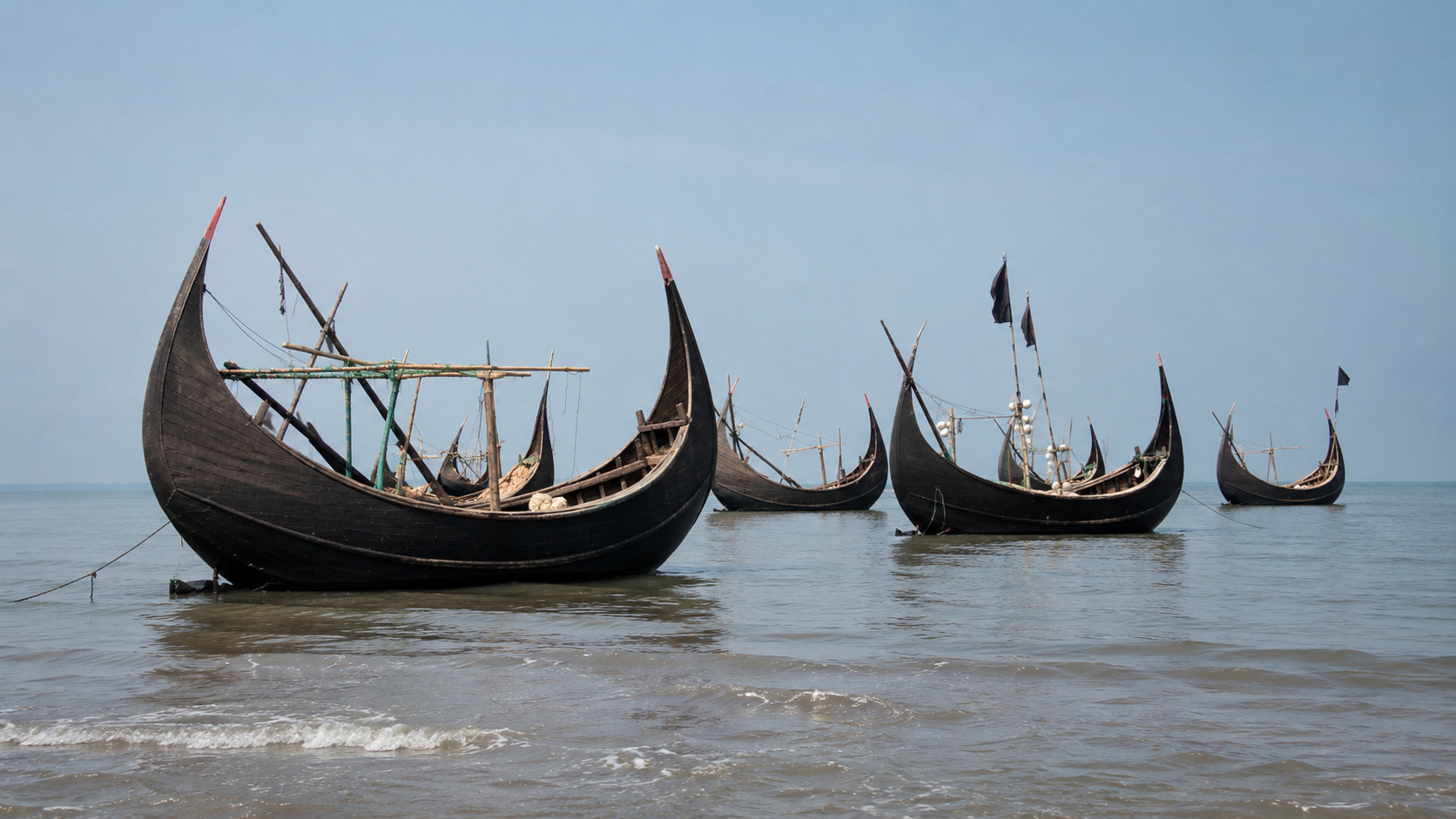
Half-moon-shaped boats challenge strong waves, zigzag to avoid capsizing, and help fishermen cross dangerous areas where common vessels would have difficulty.

-
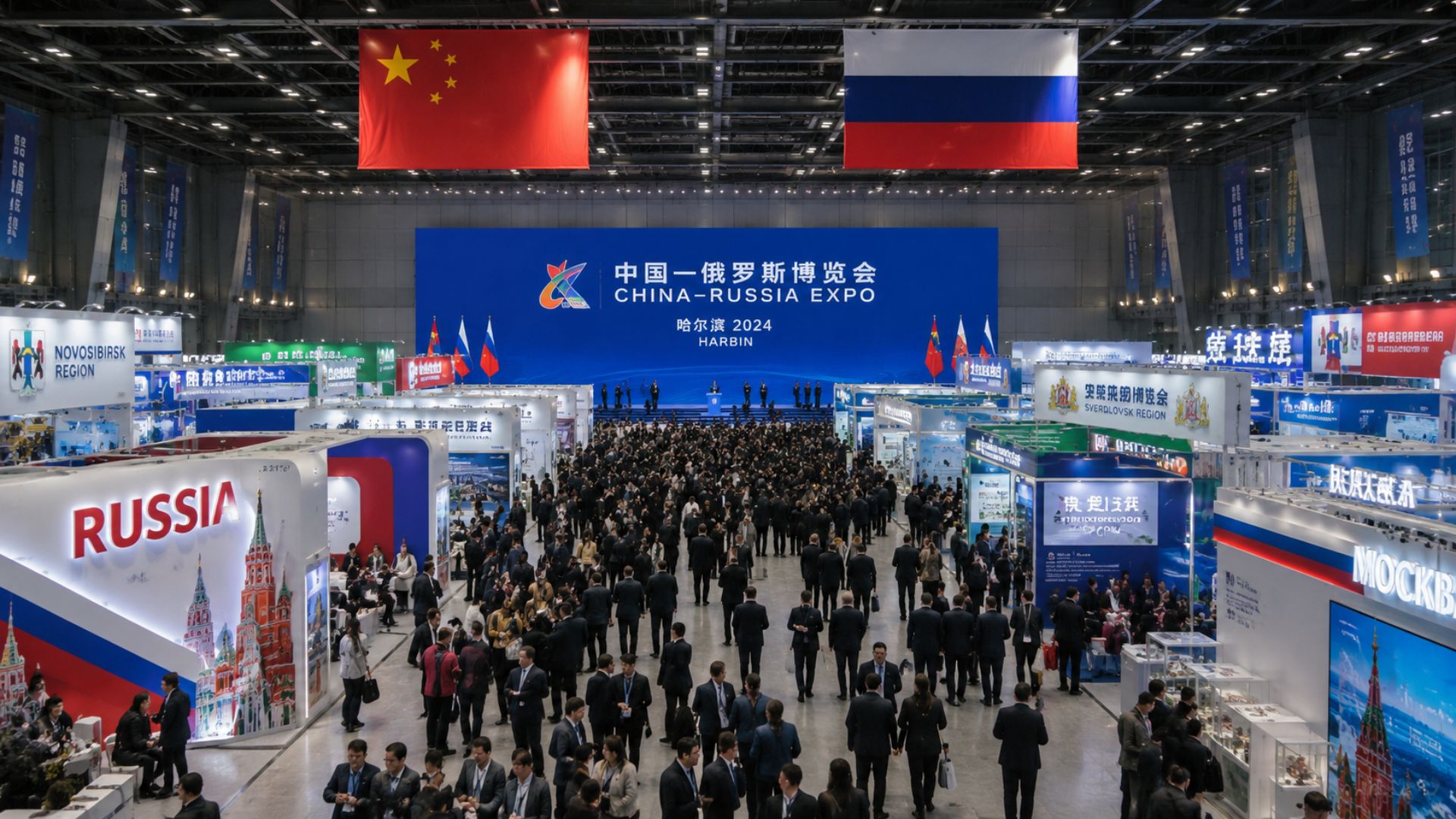
Nearly 300 Russian companies and more than 5,000 buyers are gathering in China for the 10th bilateral Expo between the two countries, with 500 products launched and 800 new projects presented in Harbin in the week when bilateral trade already exceeds 61 billion dollars.
-
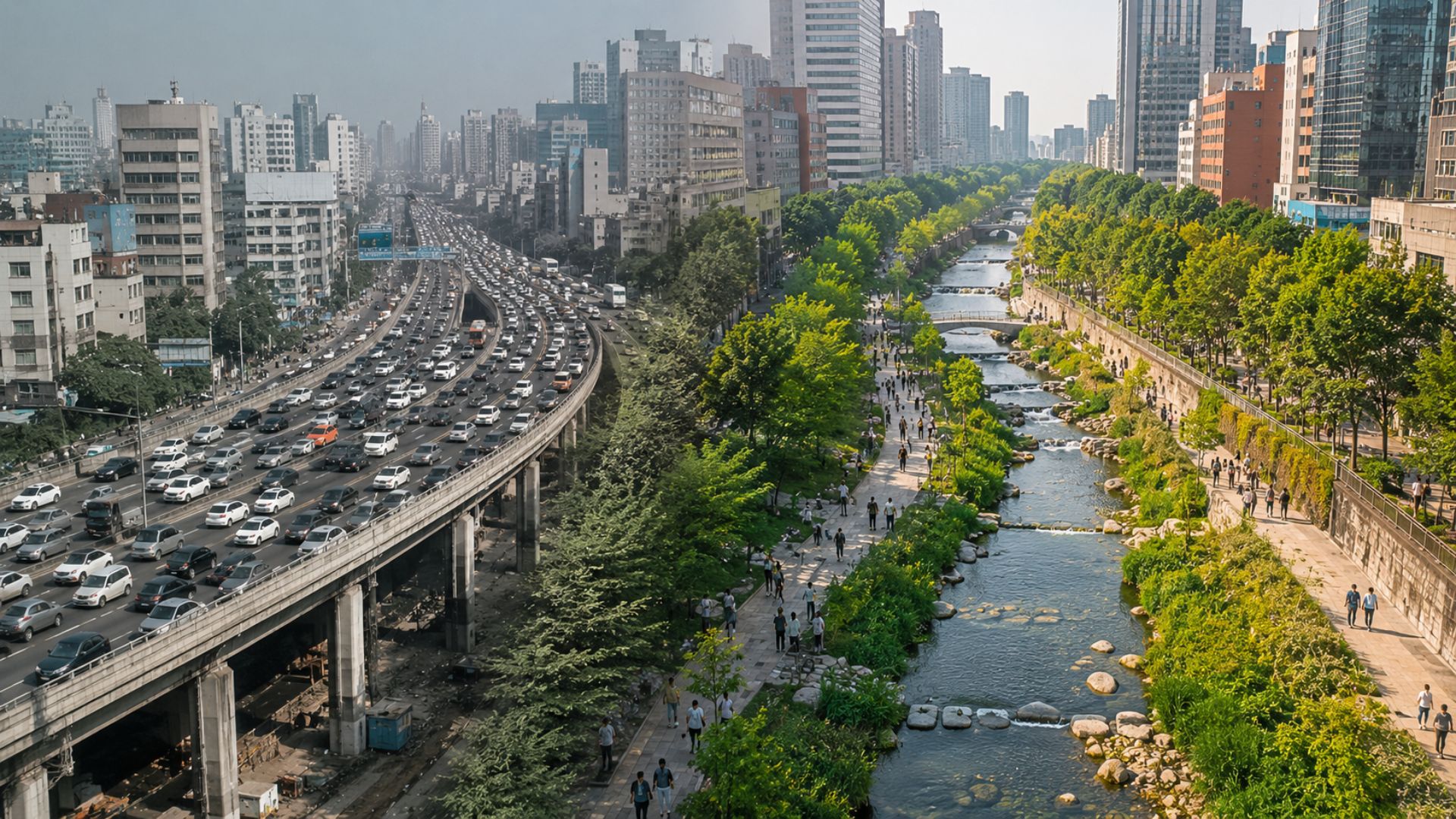
Demolishing a highway that carried 170,000 cars per day to put a stream in its place seemed crazy, but that’s exactly what Seoul did in the early 2000s, creating one of the most studied cases of urban renewal in the world, with nature returning to the heart of the city.

According to the version attributed to Fepam, the sensitive point is the legal competence of the Terra de Areia city hall to issue the environmental license for a project of this size and potential impact.
Environmental licensing halts advancement of the enterprise
In the assessment released by the state agency, the embargo arises from inconsistencies in the environmental licensing procedure that was being conducted by the municipal administration.
This questioning shifts the discussion to common ground in large enterprises: the definition of which sphere of power, municipal or state, should be responsible for the analysis and environmental authorization.
The controversy gained weight because Prime Beach Curumim was launched as one of the most ambitious real estate projects in the region.
In addition to the visual appeal linked to the international reference of Dubai, the enterprise has also been associated with a broader proposal for urban transformation in the surrounding area, with interventions in infrastructure and enhancement of the area between Terra de Areia and the Curumim strip.
Still, the existence of a formal questioning from Fepam imposes a significant brake on the practical timeline.
In cases like this, regulatory insecurity tends to affect not only the execution of the main work but also the urban compensations and the business environment around the project, especially when there are investors, buyers, and suppliers following each step.
City hall and company challenge version of embargo
On the other side, the Terra de Areia city hall and SPE Prime Beach Curumim reject the interpretation that the enterprise is stalled by a judicial embargo under the terms pointed out by the state foundation.
According to the version released by the municipal secretary of Agriculture and Environment, Belchior Braga, the scenario would be one of technical requirements and document adjustments, and not of definitive stoppage or infeasibility of the project.
According to this statement, the process would have undergone review, addressing the environmental requirements indicated throughout the proceedings.
The city hall also maintains that the documentation is in the final phase of updating and is working with the expectation of release soon, which would preserve the continuity of the enterprise within a timeline compatible with the schedule initially presented to the market.
This difference in interpretation helps explain why the case has become a more complex impasse than a simple work interruption.
For Fepam, there are sufficiently relevant irregularities to sustain the embargo linked to municipal licensing.
For the municipality and the responsible company, the process would be in technical adjustment, without irreversible rupture in the planning of the condominium.
Duplication of strategic road increases impact of delay
Among the most sensitive elements of the project is the duplication of 2.2 kilometers of Avenida Edgar Schneider, in the stretch between Estrada do Mar and Curumim beach, in Capão da Canoa.
The intervention appears as one of the main compensations associated with the condominium and, therefore, its execution depends directly on the definition regarding environmental licensing.
In practice, the hold on the license affects more than just the land of the enterprise.
Without the environmental green light, the road work also does not advance, which amplifies the repercussions of the case beyond the internal limits of the condominium.
This means that the promise of urbanization linked to the project, often used as an element of real estate attraction, remains conditioned to the resolution of the conflict between the state and the municipality.
The developer itself acknowledged that the duplication has not yet materialized precisely because it depends on environmental release.
This fact makes the discussion more concrete: as long as the institutional divergence is not resolved, the mobility compensation remains only on the announced plan, with no physical progress recorded.
Delivery deadline remains officially maintained
Despite the tension surrounding the licensing, SPE Prime Beach Curumim states that the schedule remains maintained and keeps the delivery forecast for November 2026.
This information was reiterated in the most recent publications about the case, even with the acknowledgment that the road work remains dependent on environmental regularization.
This position preserves, at least in the official discourse of the company, the message of continuity of investment.
At the same time, the mismatch between the commercial schedule and regulatory uncertainty imposes an important test on the enterprise.
The longer the dispute over the licensing competence lasts, the greater the pressure tends to be on the execution of the promised stages, especially those that depend on explicit public authorization.
The case of Prime Beach Curumim evolved from a large-scale real estate announcement to an institutional dispute over environmental licensing, with direct effects on the main work and on the road duplication presented as compensation.







Be the first to react!